Short answer
Enzyme and microbial products can help when the problem is body soil: dried blood, vomit, urine, or food waste that causes stains and odor. They do not break down methamphetamine, fentanyl, or other drug residue. Most are not registered disinfectants. They belong after the needles and drug items are gone, alongside detergent cleaning and a labeled disinfectant. They never replace those steps.
What enzyme and microbial cleaners are, and where they help
Enzyme cleaners contain proteins that speed up the breakdown of certain kinds of natural material. Each enzyme has a target. Protease works on proteins, such as those in blood. Lipase works on fats and oils. Amylase works on starches. Some products combine several enzymes to handle mixed soil.
Microbial cleaners contain live, helpful bacteria. The bacteria are often asleep in the bottle and wake up when mixed with water. Once applied, they make their own enzymes. They keep digesting residue for hours or days, as long as the material stays damp and conditions suit them.
You may hear both kinds of product called bioremediation, because they use living processes to clean up contamination. The term sounds more powerful than it is in a home or rental. What these products really do is help break down certain body and food soils that ordinary detergents struggle to remove fully, especially from soft or absorbent materials.
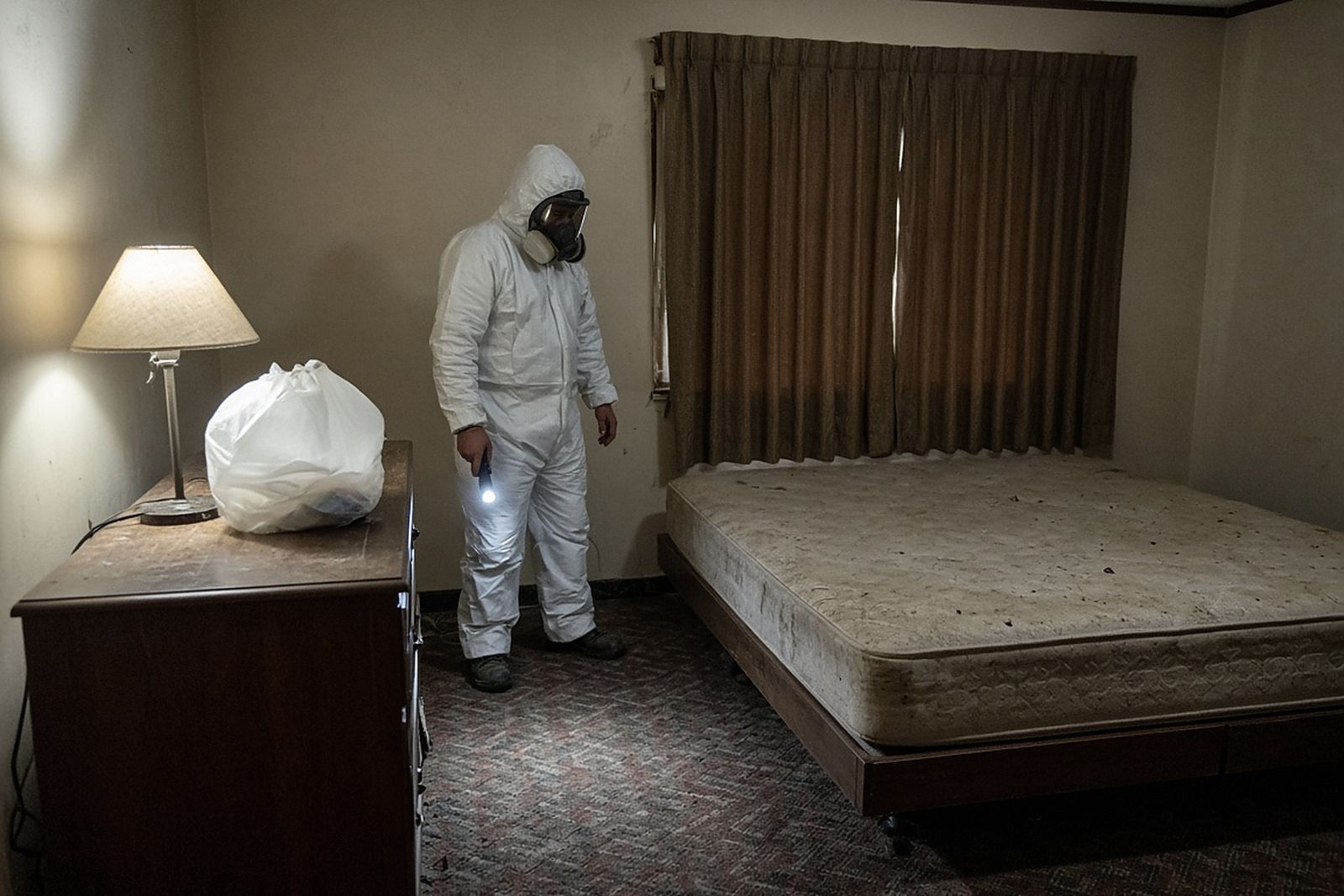
A space where someone used drugs heavily sometimes holds more than drug items. There may be dried blood from injection sites on bedding, carpets, or furniture. There may be vomit, urine, or feces from someone who was very ill or not fully awake. There may be spoiled food and general neglect.
Those are the conditions where enzyme and microbial products can help you. They can help lift protein stains from carpet and padded furniture you are keeping. They can reduce odors that come from residue trapped in fibers, padding, or the seams of the subfloor. For odor, removing the source works far better than covering it with fragrance.
They are also useful on grout, textured tile, and other surfaces where soil sits in tiny gaps. The product stays wet on the surface for a while, which lets it work into spots that a quick wipe would miss.
- Blood stains on carpets or padded furniture that you will keep.
- Urine or vomit residue in fibers, pads, or seams.
- Odors from body soil that linger after the visible mess is gone.
- Textured surfaces where soil lodges in tiny gaps.
Can enzymes break down meth, fentanyl, or other drug residue?
No. This is the most common misunderstanding about these products. The enzymes in cleaners are chosen to act on body and food soil: proteins, fats, and starches. Man-made drugs such as methamphetamine and fentanyl are not what those enzymes are built for. A cleaner does not become a drug-residue remover just because it contains enzymes.
Microbial products have the same limit. The bacteria in them are chosen to digest ordinary natural waste. If someone tells you a household or janitorial microbial product will eat drug residue on your walls or in your carpet, ask for proof. The proof should be specific to that drug and that product.
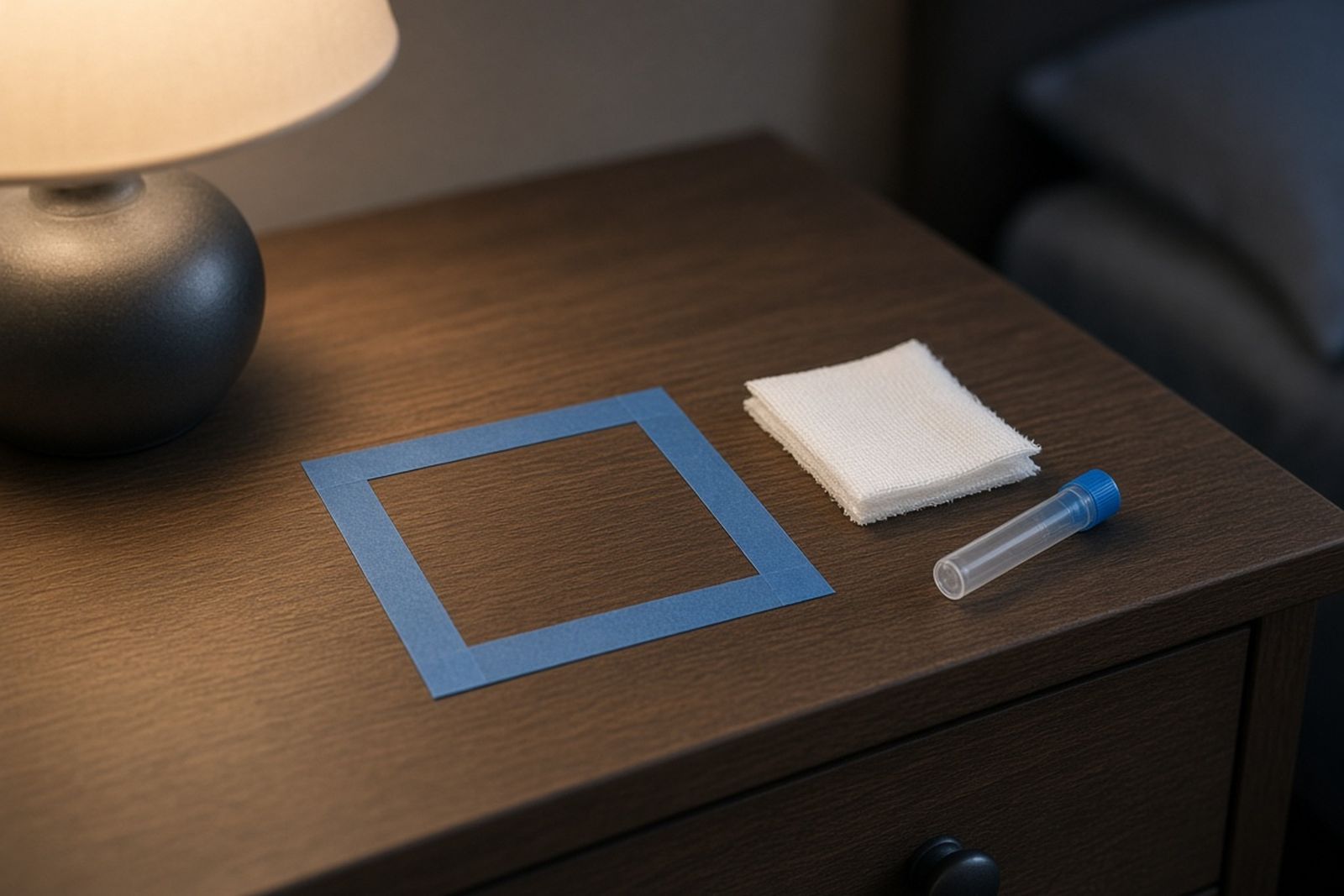
Drug residue is dealt with by physically removing it. That means wet wiping with detergent in several passes, and removing soft materials that are heavily contaminated. Where needed, it also means wiping surfaces and sending the wipes to a lab to confirm the results. Your state or county health department can tell you whether specific methods or cleanup target values apply to your property.
Are enzyme products disinfectants?
Usually not. Most enzyme and microbial cleaners are not registered as disinfectants. They make no claims to kill viruses or bacteria on surfaces. In fact, a microbial product works by adding live bacteria. That is fine for digesting soil, but it is the opposite of what a disinfectant does.
This matters for your cleanup because viruses carried in blood are a real concern where used syringes and blood are present. The Canadian Paediatric Society, in a 2018 position statement, cited laboratory studies finding HIV surviving up to 42 days inside syringes, depending on temperature, while hepatitis B survives about one week. Blood on a surface calls for cleaning first. Then it needs a registered disinfectant with the right label claims, kept wet for the full time on the label.
The choice of chemical matters too. A 2015 lab study in Open Forum Infectious Diseases found that one rinse with household bleach eliminated hepatitis C infectivity in contaminated syringes, while rinsing with water or 5% ethanol was ineffective. That study was about syringes, not room surfaces. But it shows how much the choice of product matters when viruses are the concern.
The right order of products
The order of steps is where many do-it-yourself efforts go wrong. For a room where drug use and body fluids were both present, a sensible order usually looks like this.
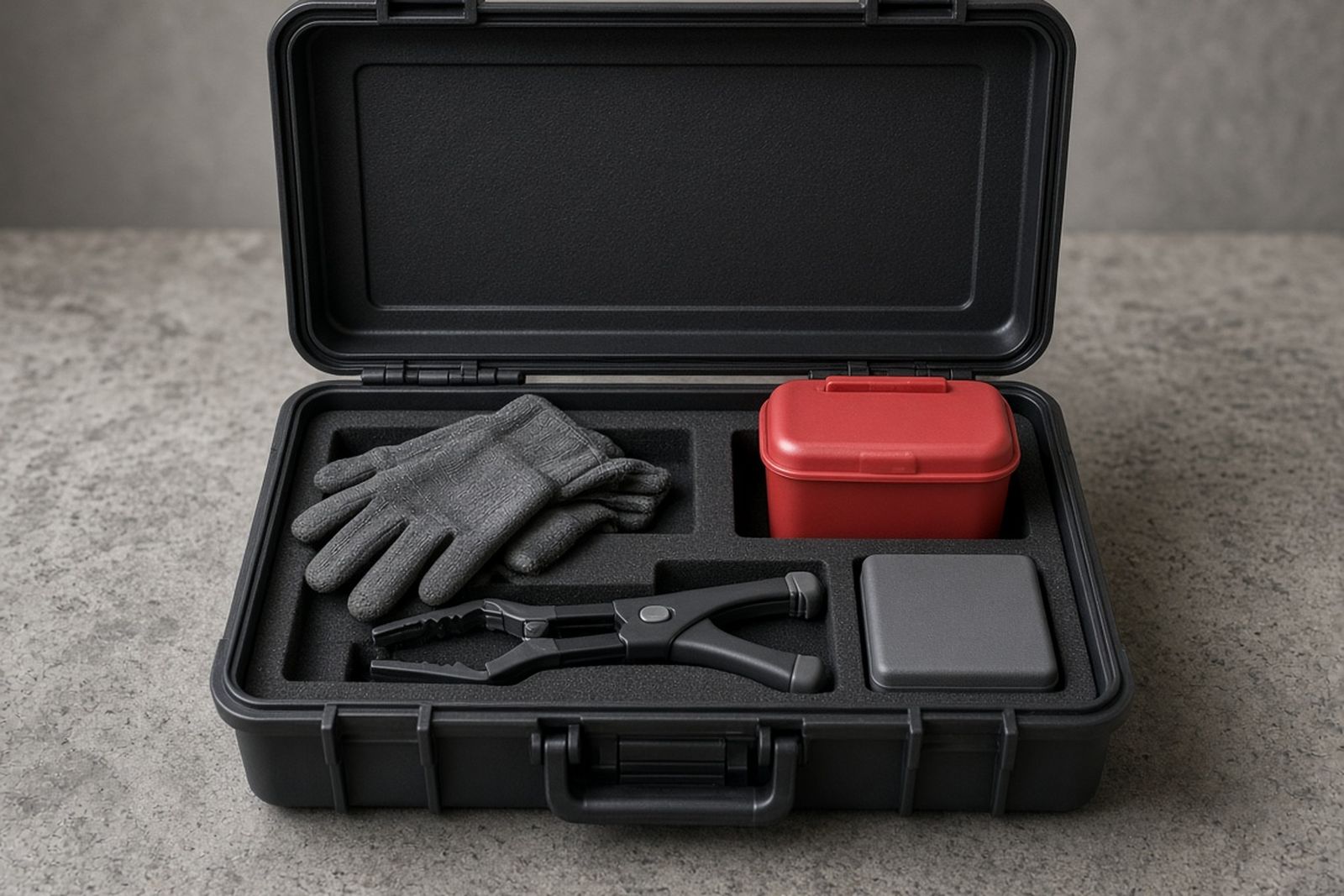
First, the space is searched and all needles and drug items are removed, using tools and not hands. Second, soft items that cannot be saved are removed. Third, surfaces are cleaned with detergent and wet wiping to remove soil and drug residue. Fourth, a registered disinfectant goes on areas where blood or body fluids were present, following the label. Fifth, enzyme or microbial products are used on kept carpets, padded furniture, or gaps where odor or staining remains.
Mixing products is a concern. A disinfectant applied at the same time as a microbial product may kill the helpful bacteria, and some chemicals can stop enzymes from working. Each product's label says how long to wait between steps. Never combine bleach with other cleaners. Following the order with care is often what lets you keep a valued piece, such as a leather chair, when it might otherwise be thrown out.
- Needles and drug items come out first, with tools.
- Soft items that cannot be saved are thrown out.
- Surfaces are cleaned with detergent and wet wiping.
- Areas with blood or body fluids are disinfected.
- Enzymes or microbial products go last, on kept soft goods and in gaps.
Should you use enzyme products yourself before the crew arrives?
It is tempting to start on a stain or smell while you wait for a cleanup company, especially if the odor is spreading through your house. In a space where drug items are present, hold off. Spraying and scrubbing carpets or furniture before a search puts your hands close to places where needles hide. Those places include between cushions, under rugs, and inside carpet folds.
Wetting an area can also spread residue or make the crew's work harder. Loose powder that gets damp and rubbed into fibers is harder to remove. A soaked carpet may hide needles that you could otherwise see. If odor is a problem, close the door to that room and air out the rest of your home.
Once the search and cleaning are finished, household enzyme products can be part of your ongoing care for a kept carpet or chair. Follow the label. By then, you are dealing with ordinary leftover odor and staining, not the hazards the crew removed.
If you already sprayed something before learning this, tell the crew what you used and where. That helps them plan their work and avoid mixing chemicals that should not be combined.
Questions for a cleanup company, and the bottom line
If a cleanup company mentions enzymes or microbial products, ask what specific problem they are meant to solve on your job. A good answer names a type of soil or odor and a place. A vague answer about neutralizing everything should lead you to ask more.
Ask whether the product is registered as a disinfectant. If it is not, ask which product will do the disinfecting. Ask how they keep one product from undoing another. Ask what they will do about drug residue in particular, and whether they offer testing.
Finally, ask about the materials involved. Some enzyme products can affect certain fabrics, finishes, or leathers. A careful crew will test a hidden spot first.
Enzyme and microbial products are useful tools with a narrow job. In your cleanup, they have a clear but limited role. They break down body soil and odors after the dangerous items are gone and the surfaces have been cleaned and disinfected.
They are not a shortcut past needle removal, drug residue cleaning, or disinfection. A good company uses them the right way, as the last step for specific problems. Used like that, they can help you keep belongings that matter and make a space feel livable again.
If this cleanup is tied to someone you love who is struggling, support is there for you as well. Local treatment programs and family groups can help. The 988 Suicide and Crisis Lifeline is available by call or text for anyone in crisis.