Free drug paraphernalia cleanup tool
Drug Paraphernalia Cleanup Cost Range Estimator
Set the affected area, surface types, severity and extras to see a rough cost range and what pushes it up or down.
Pricing a drug debris cleanup is hard because two units of the same size can need completely different work. One might hold a few pipes and some foil on hard floors that wipe clean in an afternoon. Another might have needles in every couch cushion and powder on the carpet. It might also have an overdose scene in the bathroom that calls for blood safety steps on top of chemical safety steps. The Cost Range Estimator lets you describe your case in the ways that actually move the price. How much area is affected? Are surfaces hard, mixed, or soft? How bad does the contamination look? Which extras apply, such as after-hours access, several rooms, odor treatment, or removing built-in materials?
The output is an educational range, not a quote, and it is deliberately wide because the tool cannot see hidden syringes or know whether sampling will be recommended. Its real value is the list of cost drivers that accompanies the range. Those drivers become the questions you put to companies: Is a second-pass sharps search included? What happens to the price if a lab screen comes back positive? Is soft-goods removal priced by item or by room? Is disposal of sharps and contaminated materials itemized? Use the range to check whether a quote is in a plausible neighborhood, and use the driver list to make sure every quote you receive covers the same scope.
How to use it
- 1Choose the setting and estimate the affected area. Count each room, or the vehicle cabin, where debris or residue was seen.
- 2Select the surface mix. Treat carpet, seat covers, mattresses, and raw wood as soft surfaces.
- 3Rate how bad it is honestly, based on the needles, powder, body fluids, or signs of drug making you can see.
- 4Tick any extras that apply. Review the range and the list of cost drivers before you ask for written quotes.
Prefer to ask a person?
Your request is sent to the follow-up inbox. A coordinator can reply by email. Not for emergencies; call 911 first if anyone is in danger.
Estimate a cost range
Drug Paraphernalia Cleanup cost range estimator
Educational only. Real pricing needs an on-site assessment and a written scope. Insurance coverage is decided by your carrier, not by this tool.
Educational range: $3,000 – $5,000
Scaled from a published reference range (typical biohazard cleanup project, national) reported by Fixr (2025). Your region, provider and the actual findings on site can move the real number outside this range.
Cost level: Mid range.
None of the big cost multipliers are selected. Minimum service charges, travel and waste fees still apply.
Ask every quote to itemize labor, containment, product, waste disposal, verification sampling, and any rebuild, and to state what is excluded.
A worked example
Picture this made-up case. A housekeeper at an extended-stay motel finds foil, a glass pipe, and two needles in one room. The guest left without checking out. The room has vinyl plank floors, a fabric sofa, and a mattress with a stain. The motel owner enters one room in the tool. She picks mixed surfaces because of the sofa and mattress. She rates it as medium, since there are needles and maybe a body fluid stain, but nothing suggests drug making. She adds odor treatment because the room smells of smoke and chemicals. She leaves after-hours unchecked because the room can stay closed as long as needed. The tool gives a range and lists the drivers. They include a needle search and disposal, a check of soft items, blood safety work on the mattress, and odor treatment. When she asks for quotes, she asks each company three things. Will the sofa and mattress be cleaned or thrown out? Is a second search of the room's hidden gaps included? How is needle disposal recorded? Two of the three quotes fall within the tool's range. The third is far lower. On a closer look, it leaves out removing soft items entirely.
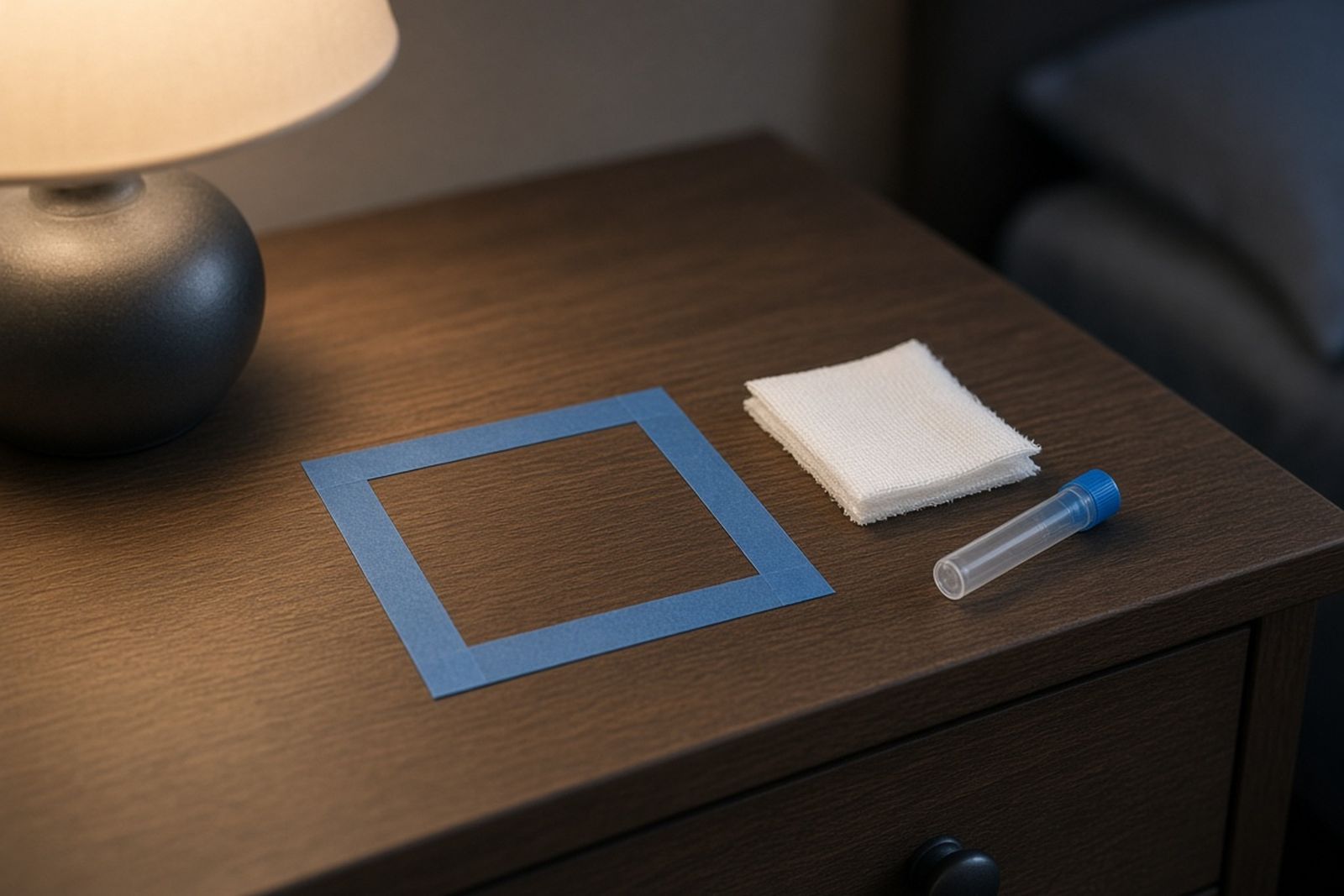
Facts worth knowing
Employers must offer the hepatitis B vaccine within 10 working days of putting an employee in a job with exposure to blood.
Why it matters: Before asking your own employees to clean up blood, check whether this duty and other OSHA rules apply to you.
One January 2025 cost guide puts the average U.S. biohazard cleanup at about $4,000, usually $3,000 to $5,000, with extremes from $1,500 to $25,000.
Why it matters: Use this range to sanity-check a quote, but expect your price to depend on the size of the job and local rates.
In 2024, OSHA's top fines were $16,550 for each serious violation and $165,514 for each willful or repeated one.
Why it matters: If you have your own staff clean up blood or chemicals without required training and gear, you may face fines like these.
Cost Range Estimator questions for drug paraphernalia cleanup
Why does the tool ask about surface type when the hazard is drug residue?
Because residue and body fluids act differently on different materials. Sealed counters, tile, and vinyl can be wet-cleaned and checked. Carpet, seat covers, mattresses, and raw wood soak up powder and fluids. They usually have to be removed and thrown out rather than cleaned. That adds labor, disposal fees, and the cost of replacing them.
Does the range include laboratory sampling?
Testing shows up as a cost driver, not a fixed line, because most drug debris sweeps do not need it. When there are signs of drug making, or a buyer or housing program needs proof, wipe testing and lab work become a separate cost. That cost can move the job into a different category altogether. Ask companies to price it as an option so you can see the difference.
What counts as severe in this niche?
Look for unknown powder you can see, needles in more than one place, or body fluids from where someone injected or overdosed. Strong chemical smells or any sign of drug-making equipment count too. Any one of these raises the safety steps, the labor, and the amount of waste. If you are unsure between two levels, choose the higher one. Then the range reflects what is more likely.
How should I treat a vehicle in the tool?
Enter the cabin as one small room with mixed surfaces, since nearly every vehicle mixes hard trim with fabric or foam. Rate how bad it is based on what you saw from outside the door. The driver list will usually flag seat removal, searches of hidden gaps, and replacing seat covers. Those are the questions to raise with a company that has vehicle experience.
Can I use the result to negotiate with a company?
Use it to ask better questions rather than to argue about the number. A company who sees the unit knows things the tool cannot, and a low quote that omits sharps disposal or soft-goods removal is not a bargain. The driver list helps you confirm that each quote covers the same items, which is the fair basis for comparing prices.
Why is the range still wide after I answer every question?
The tool cannot see inside cushions, vents, or drawers. It cannot know if a company will advise testing or removing soft items after the search. Those unknowns are real, so the range leaves room for them instead of pretending to be exact. Narrow it by sending companies photos taken from the doorway and a note on where items were found. Then compare their itemized quotes with the tool's list of cost drivers.
Should I rerun the estimator after a company's walk-through?
Yes. The assessment often reveals conditions you could not see from the doorway, such as sharps in furniture, staining on carpet pad, or residue on vents. Update your answers with what the company found and compare the new range with the quote. If the quote falls far outside it, ask which specific findings drive the difference. That conversation usually shows whether a work plan is thorough or padded.
Related community polls
Vote to see how other people answered. You can change your answer at any time.
You open a vacated rental and see foil, a pipe, and one syringe. What is your first move?
Which hazard worries you most in a unit with drug debris?
Other drug paraphernalia cleanup tools
Company Vetting Checklist
Fifteen questions to ask any cleanup company, a score that shows how ready you are to hire, and a list of what is still unanswered.
OpenInsurance Claim Organizer
A guided checklist from finding the policy to tracking the insurer’s decision, with a printable summary of where the claim stands.
OpenFirst 24 Hours Planner
Tell the planner a few facts about the situation and get an ordered list of who to call, what not to touch, and what to photograph.
OpenWaste & Disposal Classifier
Five questions about the material point to the likely waste category and which authority to confirm the rules with.
OpenDIY or Call a Pro? Risk Check
Eight yes-or-no questions that produce a risk level and explain when professional help is the safer choice.
OpenMore on drug paraphernalia cleanup
Drug Paraphernalia Cleanup services
See how needle pickup, residue cleaning, vehicle work, and turnover paperwork fit together, and what to expect from a company on site.
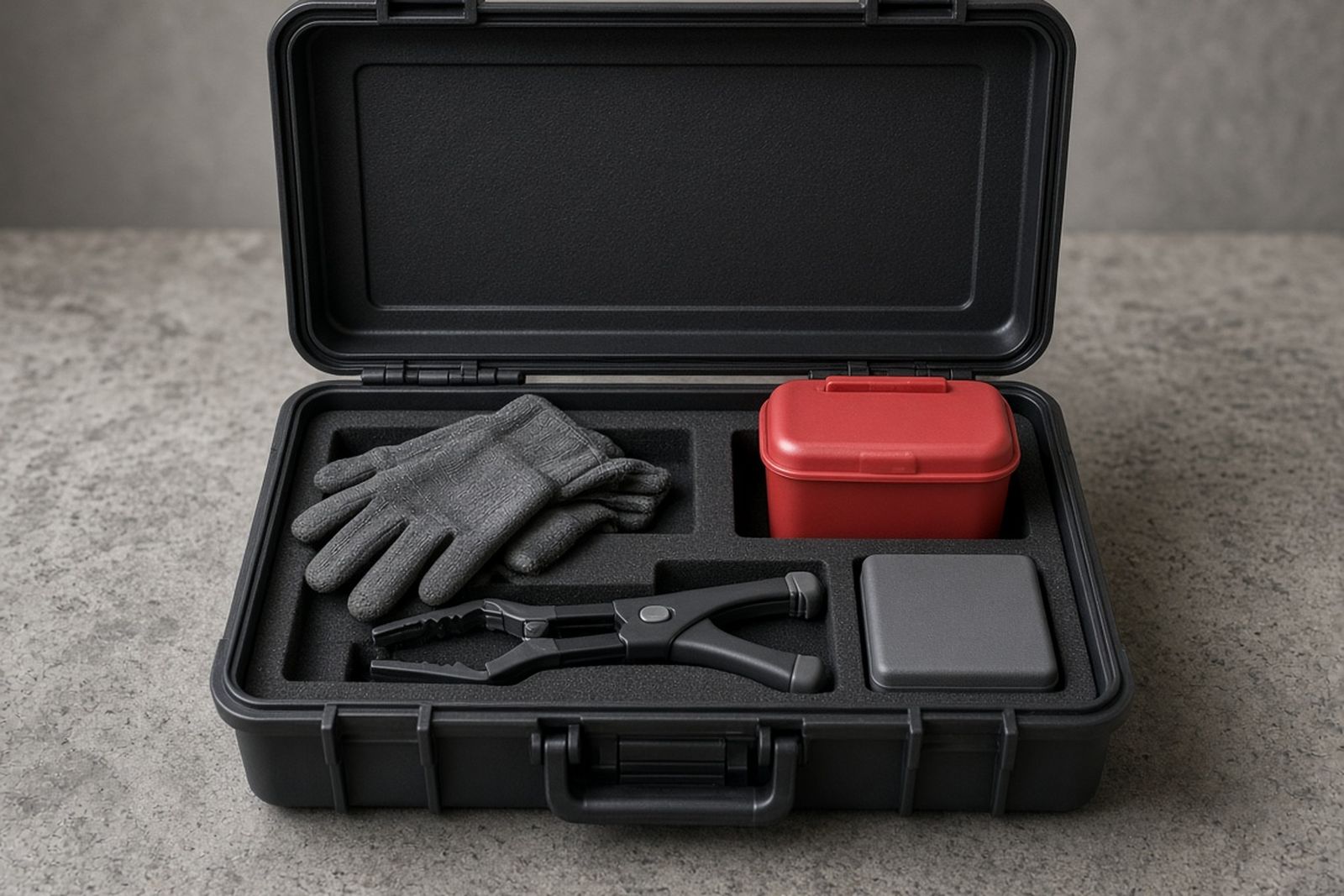
Costs explained
What drives the price, published cost ranges, and how to read a written quote line by line.
Insurance and payment
Which policies may respond, how to document a claim, and what to do if coverage is denied.
Community polls
Compare your gut calls with other owners and managers on police reports, what to tell tenants, who pays, and when lab testing is worth it.
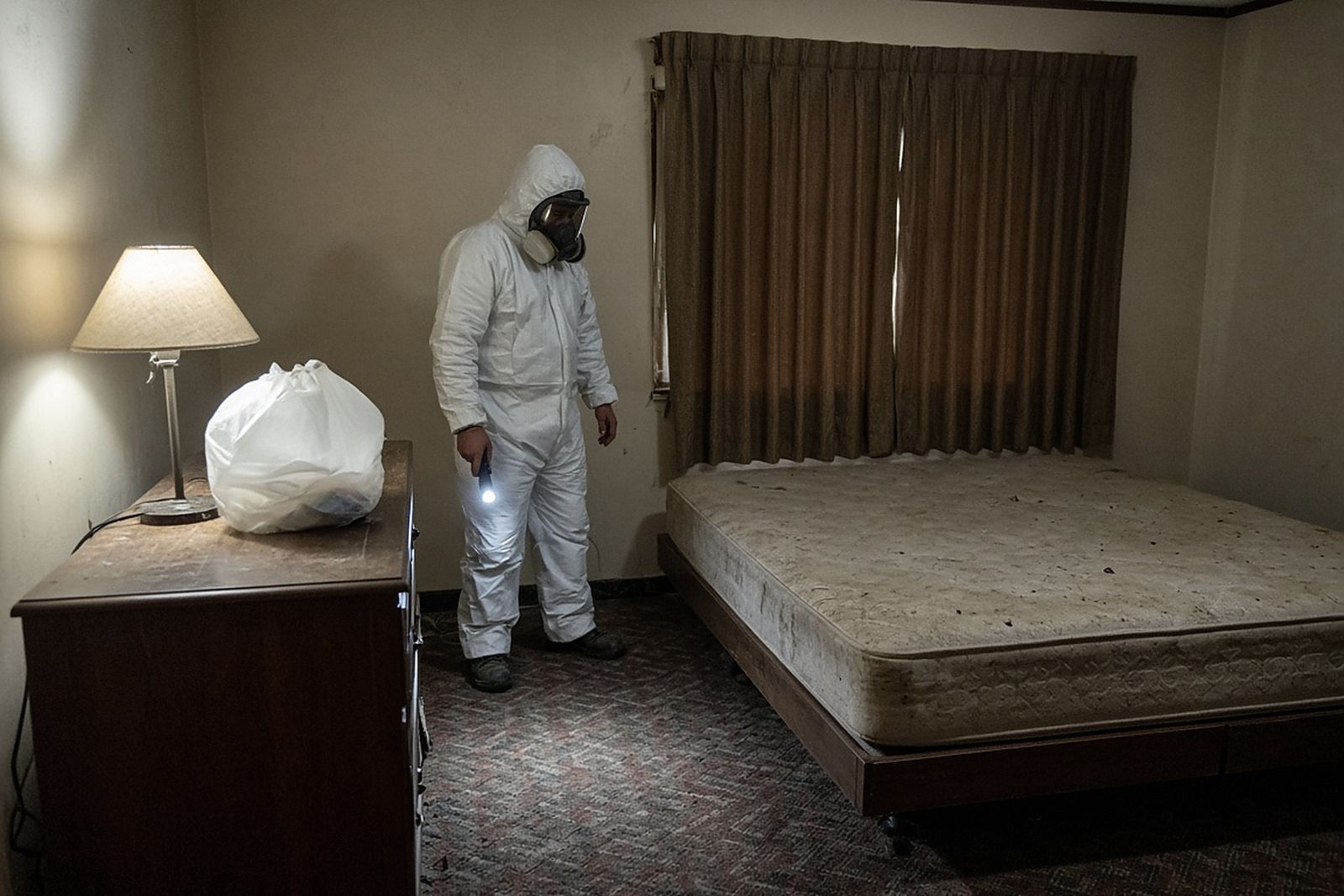
Knowledge quiz
Test whether you would make the safer call when you find foil, pipes, syringes, or unknown powder, then review the study guide.
Articles and resources
Read longer articles on getting a unit ready after drug use, safe cleaning when fentanyl may be present, and how to tell drug use from drug making.