Hazmat Spill Response planning tools
Work through cost, hiring, insurance, first steps and disposal at your own pace.
These tools are built for the moment a manager finds a puddle under a forklift, a fuel island, a drum rack, or a battery cabinet. At that moment you need structure fast. Each tool answers one question that comes up during or after a spill. What might cleanup cost, and why? Can you trust this response contractor? How do you organize an insurance claim? What should you do in the first day? What kind of waste is the spill debris likely to be? Should your own staff handle any of it? The prompts are written for chemical, fuel, oil, solvent, battery, and unknown spills, not general cleanup. So the results fit the talks you will really have.
Get an email reply about hazmat spill response
Send a short message to the follow-up inbox. A coordinator can reply by email. This form does not send emergency help; call 911 first if anyone is in danger.
Choose a tool
Each tool is free and private: nothing you type is saved or sent anywhere. Use the results to get ready for a visit from a cleanup company or a call with your insurer.

Cost Range Estimator
Set the affected area, surface types, severity and extras to see a rough cost range and what pushes it up or down.
Open tool
Company Vetting Checklist
Fifteen questions to ask any cleanup company, a score that shows how ready you are to hire, and a list of what is still unanswered.
Open tool
Insurance Claim Organizer
A guided checklist from finding the policy to tracking the insurer’s decision, with a printable summary of where the claim stands.
Open tool
First 24 Hours Planner
Tell the planner a few facts about the situation and get an ordered list of who to call, what not to touch, and what to photograph.
Open tool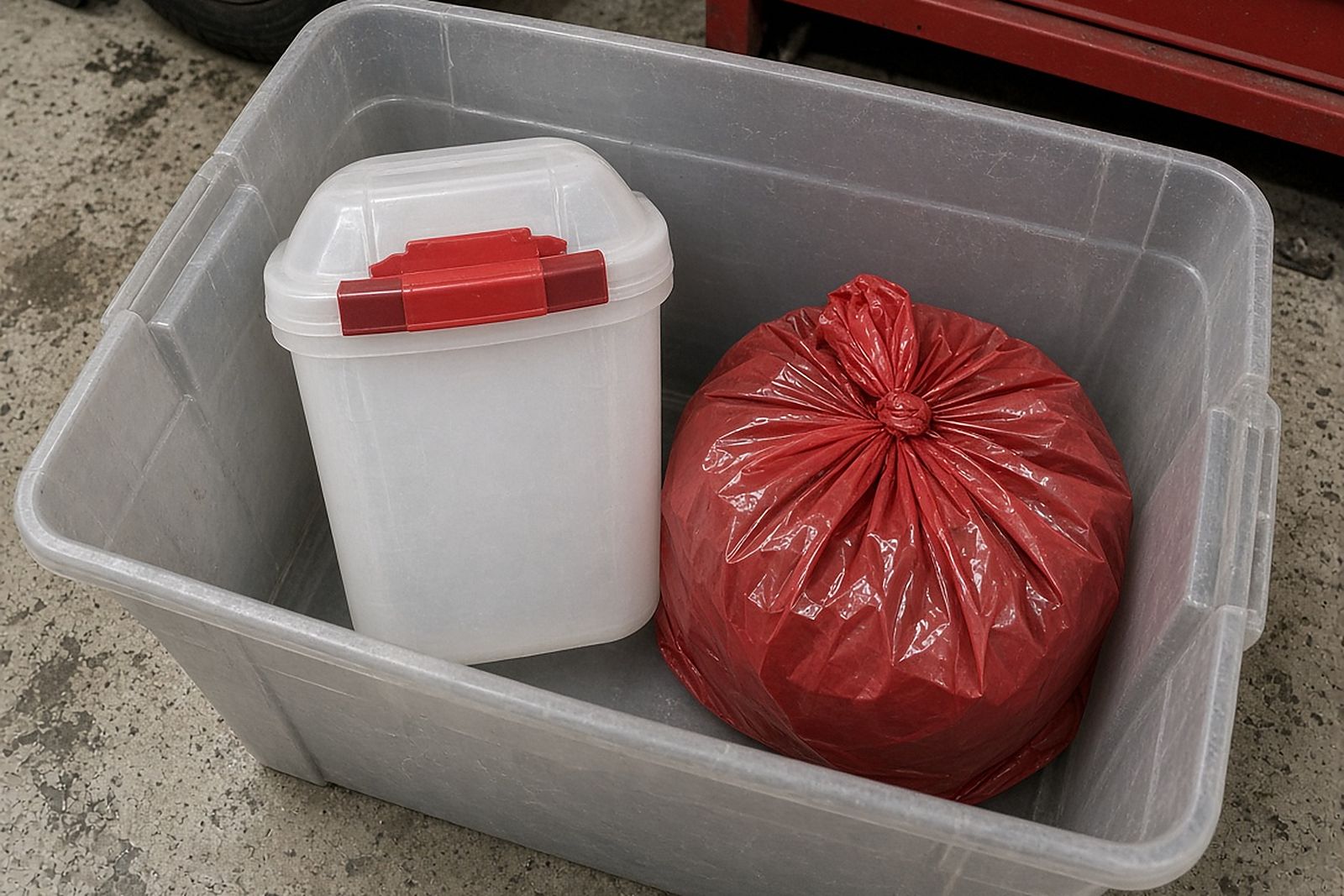
Waste & Disposal Classifier
Five questions about the material point to the likely waste category and which authority to confirm the rules with.
Open tool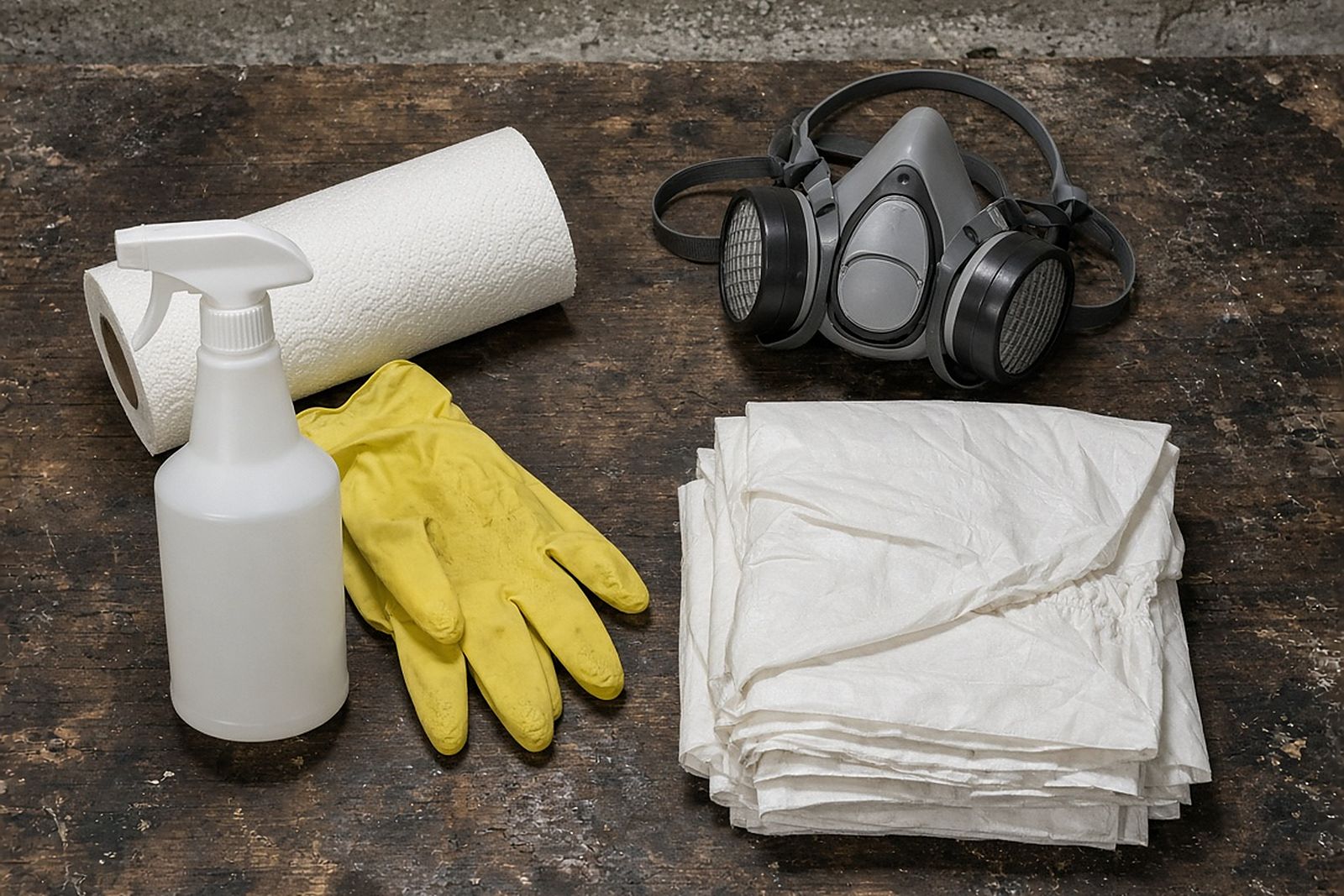
DIY or Call a Pro? Risk Check
Eight yes-or-no questions that produce a risk level and explain when professional help is the safer choice.
Open toolKnowledge quiz
A short quiz with an explanation for every answer, so you can check what you know before you make decisions.
Take the quizHow these tools fit hazmat spill response
The tools are for learning, and they depend on what you enter. They cannot name a chemical or measure vapor levels. They cannot tell you if a spill passed a reporting limit or approve a claim. When a tool asks you to check something with a safety data sheet, your written plan, your insurer, or an agency, that step is the point. It is not just fine print. Reporting rules, cleanup standards, and waste rules vary by state and county. They also depend on the exact substance and amount. Use the results to sort your thinking and your file. Then confirm each choice with the right agency or a qualified expert.
There is no set order. During an active spill, start with the first-day planner. Then use the risk check to decide whether staff may try to contain it. Once responders are on site, the vetting checklist helps you judge the contractor before you sign a work plan. The cost estimator shows you what that work plan should list line by line. The waste guide helps when used pads and dirty soil need a disposal path. The insurance organizer helps you gather everything for your broker. Save or print each result and put it in the incident file. There it can support your claim, your agency letters, and your review after the event.
Facts worth knowing
Insured flood victims in a study published in 2022 said slow insurance inspections held up their cleanup.
Why it matters: Ask your insurer how soon an adjuster can come, and whether you may start urgent cleanup after taking photos.
After a January 2014 West Virginia spill, surveys and medical reports described health problems linked to flushing home plumbing.
Why it matters: If you feel unwell while flushing contaminated pipes, stop, get fresh air, and call your doctor or poison control.
Workers with only occasional or low-exposure duties at a hazardous waste site need at least 24 hours of HAZWOPER training plus one supervised day in the field.
Why it matters: If you rely on the shorter course for your staff, you may need records showing their exposure is low.
What other people chose
Vote to see how other people answered. You can change your answer at any time.
How prepared is your site for a chemical or fuel spill right now?
In your most recent spill, what was the first action taken?
Questions about the hazmat spill response tools
Can any of these tools tell me whether to call the fire department?
No tool replaces that judgment. Call emergency services if anyone is exposed, vapors are present, fire is possible, or the material is unknown. The first-day planner repeats that order of steps. But the choice belongs to you and your written emergency plan, not to a web page. When you are unsure, lean toward making the call.
Do the tools store what I enter?
They run in your browser. You can print or copy the result without an account. Do not enter worker medical details, personal information, or private business data. Results are meant to be shared with contractors, brokers, and agencies. So keep entries factual and leave out anything sensitive. Print results for the incident file instead.
Which tool should a property manager start with after a tenant spill?
Start with the first-day planner to secure the area and record the scene. Then use the risk check to confirm that building staff should not try the cleanup. The insurance organizer comes next. Tenant spills raise questions about whose policy pays and what the lease says about who is responsible. The vetting checklist comes after that, once a contractor is chosen.
Why does the cost estimator not give a single figure?
Spill costs depend on many things. These include naming the product, the amount, and whether soil or drains were affected. They also include waste testing, disposal site fees, testing needed to reopen, and after-hours callouts. A single number would mislead you. The tool shows a learning range and the cost drivers. That way you can ask for a work plan that lists each item. Bring that list to every proposal review.
Can the waste classifier determine hazardous waste codes?
It suggests a likely category and tells you which agency to check with. Assigning federal hazardous waste (RCRA) codes needs facts about the exact product and its traits. Sometimes it also needs lab tests. Your contractor and your state environmental agency can confirm codes. The guide helps you keep wastes apart and ask the right questions. Lab results, when needed, settle the question for good.
Are the tools appropriate for fleet yards and roadway incidents?
Yes. The questions include vehicles, fuel, and batteries. The planners allow for public roads and for working with the person in charge on scene. Road spills bring in other agencies, such as transportation departments and police. The tools mention them but cannot contact them for you. Make sure your dispatcher and drivers know who to call in each case.
What should happen to the tool outputs afterward?
File them with the incident record. Keep them with SDS copies, photos, contractor logs, waste shipping records, and agency confirmation numbers. Review them at your meeting after the event to find gaps in kits, training, or drain protection. They are planning aids and conversation starters. They are not proof of compliance or legal rulings. Store them where the next manager can find them.
More on hazmat spill response
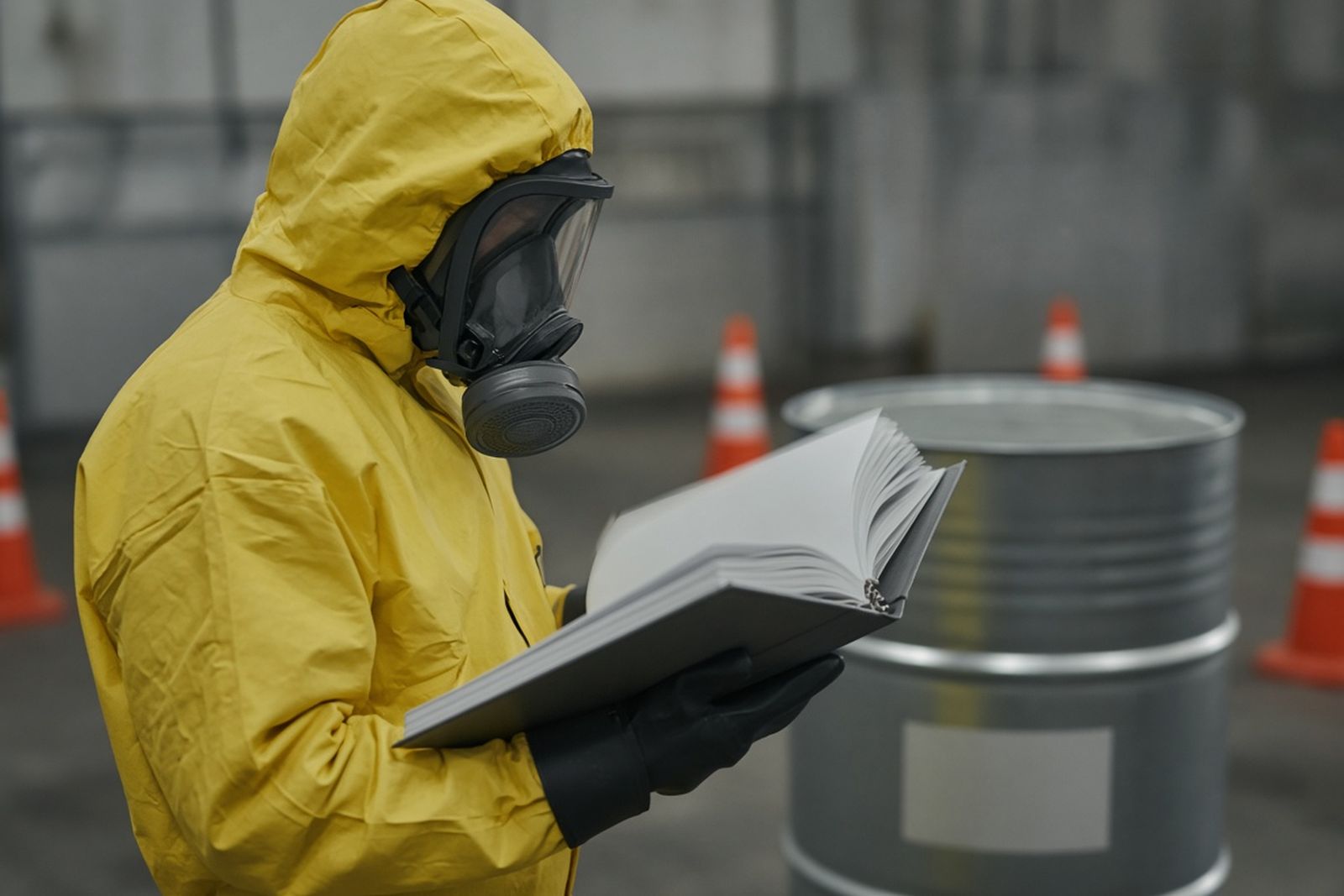
Hazmat Spill Response services
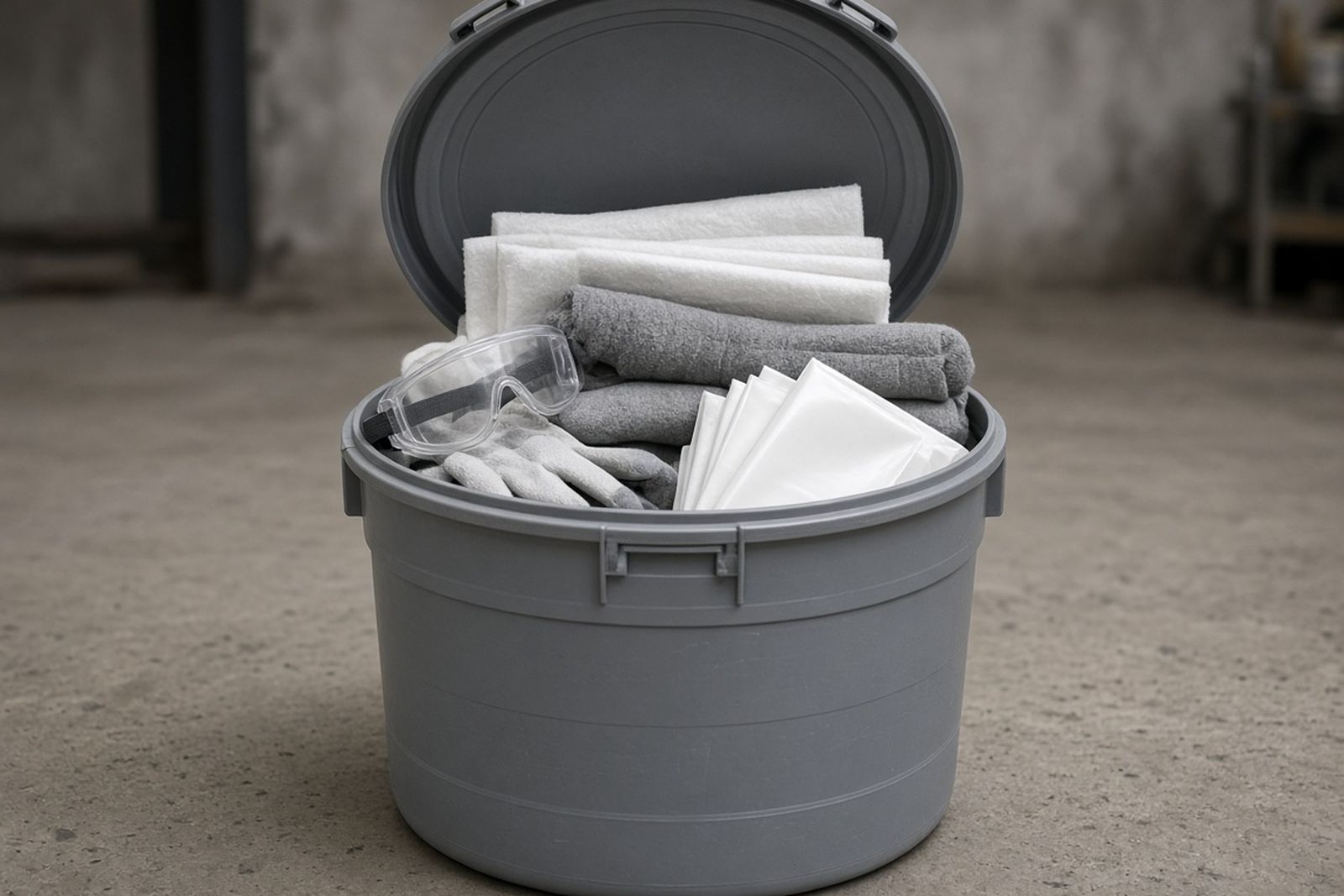
Learn how spill response works for chemicals, fuel, oil, and unknown products. It runs from closing off the area and reading the SDS to waste disposal and reopening.
Costs explained
What drives the price, published cost ranges, and how to read a written quote line by line.
Insurance and payment
Which policies may respond, how to document a claim, and what to do if coverage is denied.
Community polls
Compare your spill planning and response choices with facility, fleet, and property managers who faced similar spills and learned from them.
Knowledge quiz
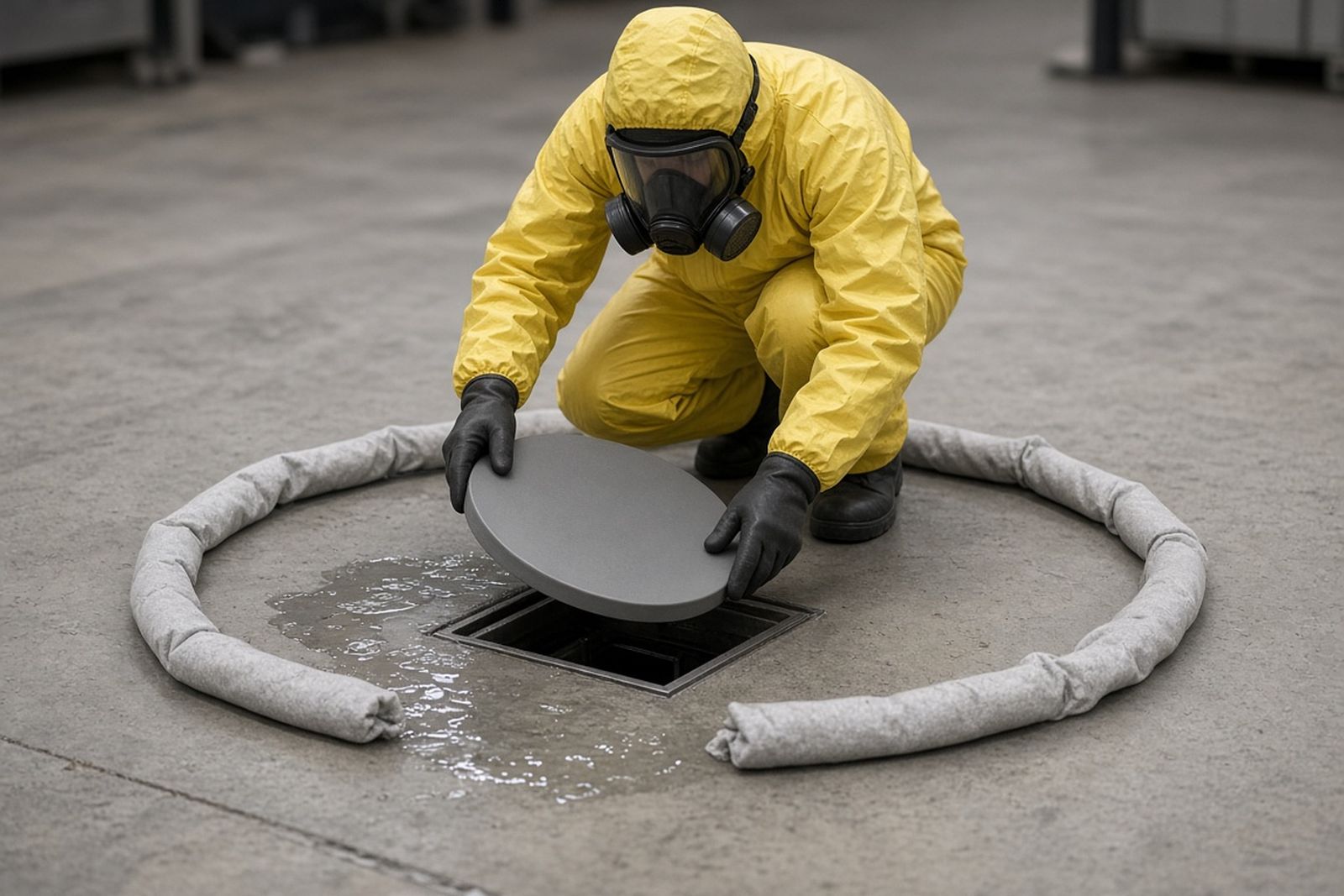
Check what you know about spotting hazards, who is in charge, containment, cleanup, waste, and records with a short quiz for managers.
Articles and resources
Useful articles on spill kits, guarding storm drains, battery spills, and who must report. Learn to build a spill file that holds up when an insurer or agency checks it.
City guides
Find learning resources and spill response contractor listings for your state, county, and city. See which agencies handle spill reports there, too.