Homicide Cleanup: Choosing a Company
What to ask a homicide cleanup company before you hire: training, insurance, how waste is handled, and what you get in writing.
Posts in this category help you judge homicide cleanup companies on what matters most after a violent death. That means respect for the family, sound handling of possible evidence, an honest plan, and clear paperwork. Articles explain what to ask on a first phone call. They show which answers suggest a company truly understands homicide scenes. They also point out pressure tactics that should make you stop and think. You will find help reading contracts and understanding subcontracting. You will also learn how to check whether a local phone number really leads to a local team.
Get an email reply about homicide cleanup
Send a short message to the follow-up inbox. A coordinator can reply by email. This form does not send emergency help; call 911 first if anyone is in danger.
Choosing a company can feel urgent, and some companies take advantage of that. Taking time to compare even two options usually leads to a clearer plan and a better experience for everyone. These posts give you practical questions to ask, papers worth requesting, and warning signs to watch for. That way you can hire with confidence while protecting the family's privacy and the estate's interests.
10 Questions to Ask Before Hiring a Homicide Cleanup Company
Ten plain questions to ask before you hire a homicide cleanup company. They cover worker safety, the written plan, keepsakes, privacy and claim paperwork.
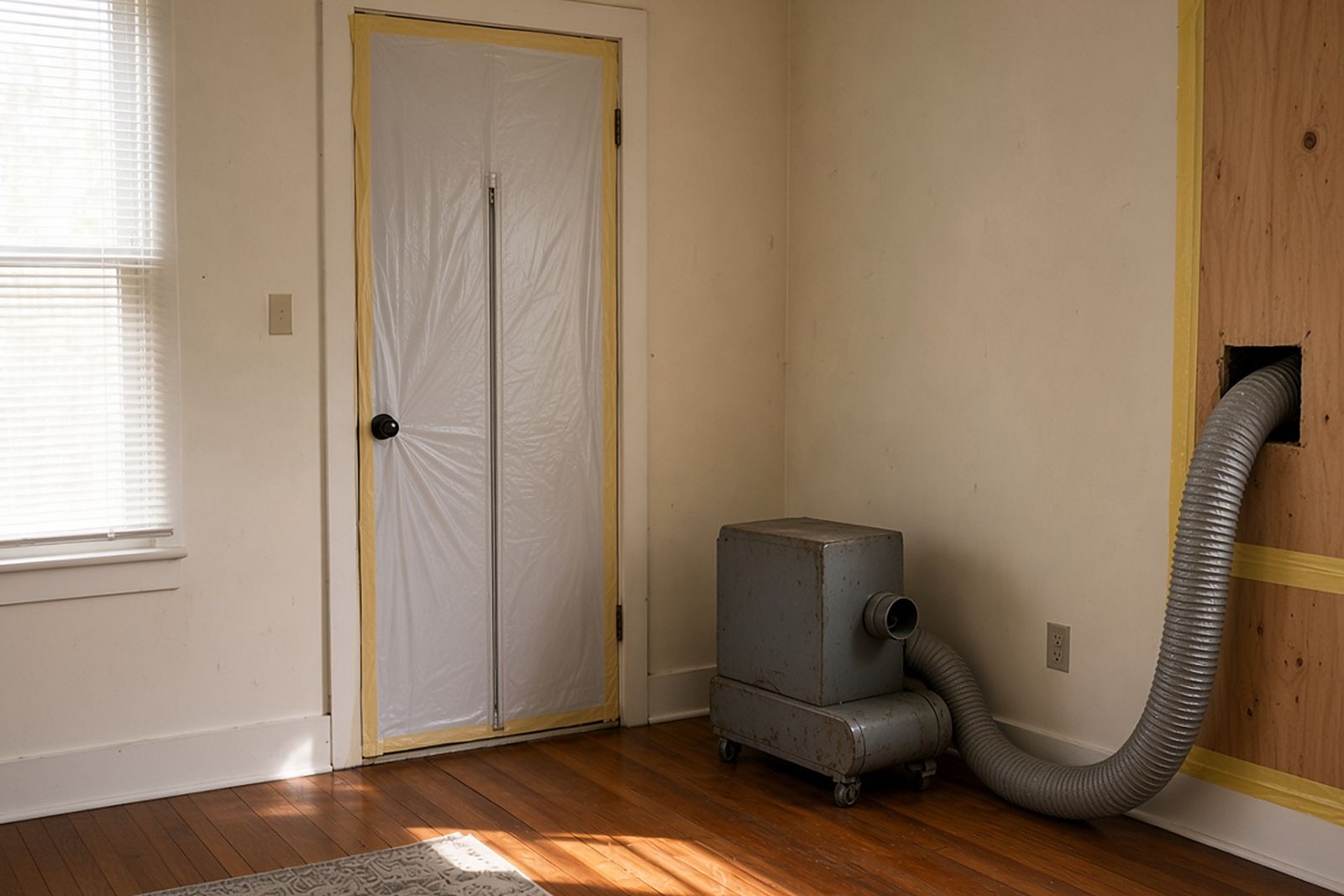
Ask ten things before you hire. Has the company cleaned after a homicide before, and how does it protect its workers? Will it look at the home before it gives a price, and put the plan in writing? Then ask about evidence cut-outs, your belongings, price changes, waste records, claim paperwork and your family's privacy.

Red Flags When Hiring Homicide Cleanup Services
How to spot a homicide cleanup company you should not hire. Watch for questions about the crime, a taste for publicity, no item list and pressure to sign.
Be wary of a company that asks about the crime and not your property, or that seeks publicity. Be wary if it pushes you before police release the home, or cannot say how it handles belongings police may still need. Other warning signs are no written item list, a promise that a compensation program will pay in full, and a refusal to show insurance, training records or waste paperwork.
Training, Documentation, and Credentials for Homicide Cleanup
The training, records and credentials that matter when you hire homicide cleanup, including OSHA basics, evidence awareness, skill with families and paperwork.
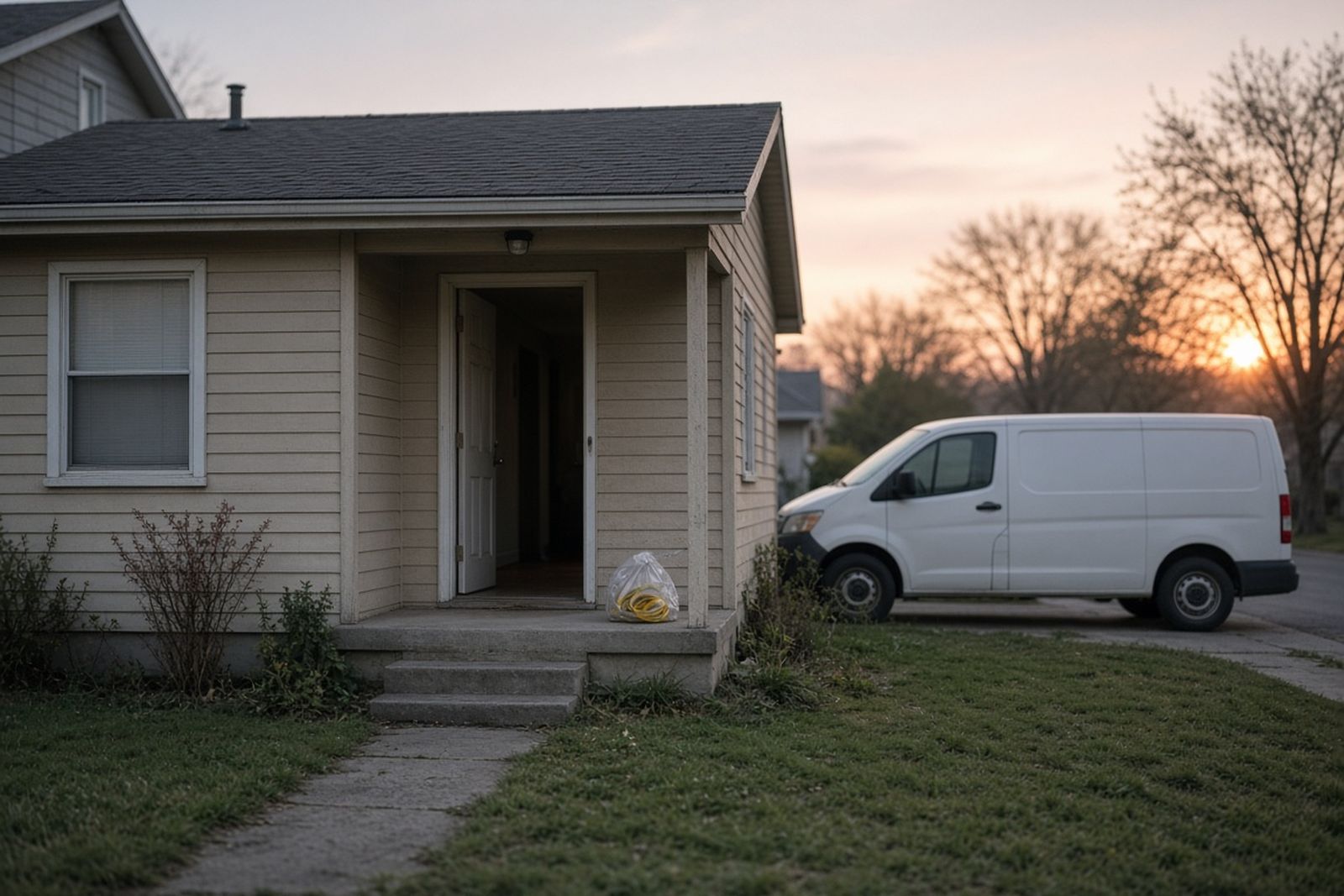
No national license covers homicide cleanup. So judge a company by records you can check. Look for current training on bloodborne germs and a hepatitis B shot offered to staff. Look for respirator fit testing and protective gear paid for by the employer. Check insurance and any local registration for trauma or medical waste work. Ask for a clear policy on items police may need. And expect careful job records that could hold up to questions later.
How to Compare Local and National Homicide Cleanup Providers
Local or national homicide cleanup company? Compare the crew that will come to your home, its experience, its size, its privacy habits and its records.
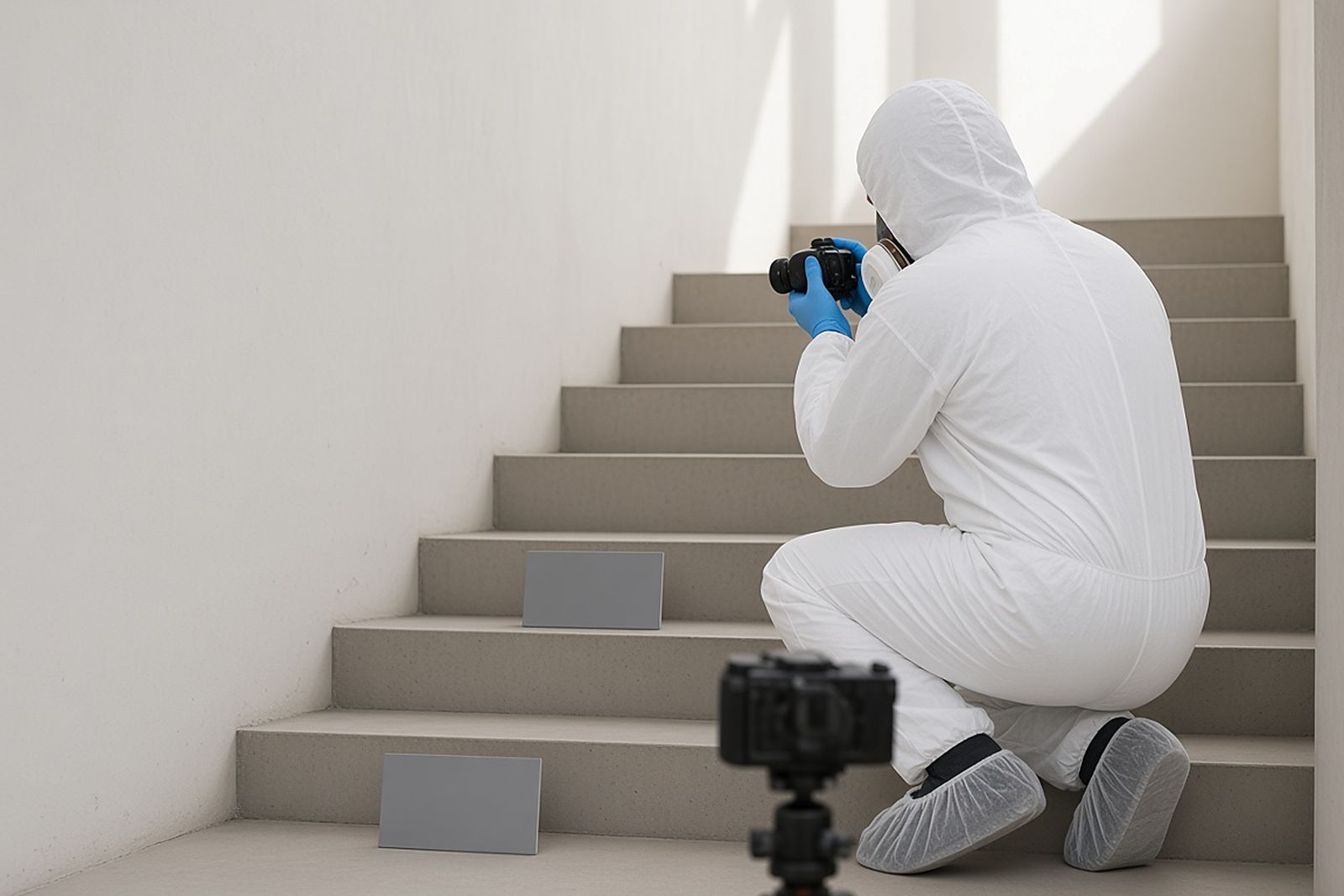
Size does not decide quality. Look at the business that will really do the work in your home. Check its crew's training and insurance and any helpers it hires. Ask about its experience with police releases, police residue and victim compensation paperwork. Ask whether it can handle a large job and how it protects your privacy. Find out who stands behind the work and keeps the records afterward.
Facts worth knowing
Under federal workplace rules, employers must offer the hepatitis B vaccine within 10 working days of giving a worker tasks that involve contact with blood.
Why it matters: You can ask a cleanup company whether its workers are offered this vaccine, as a sign it follows safety rules.
Federal law requires every disinfectant sold in the United States to be registered with the EPA.
Why it matters: You can ask a company which disinfectant it uses and check the label for an EPA registration number.
The CDC says cleaning alone removes most harmful germs from surfaces, and disinfecting kills the germs left after cleaning.
Why it matters: Disinfectant sprayed over a dirty surface may not be enough, so ask whether your surfaces will be cleaned first.
Choosing a Company: common questions
What should a company say when I ask about evidence found after release?
A trustworthy company will say that it stops work in that area and leaves the item where it is. It then calls the investigating agency and writes down the pause. It should never suggest throwing away or moving anything that might matter to the case. If the company hesitates or gives vague answers here, the team may not have much experience with homicide scenes.
Is it a warning sign if a company arrives before we have called it?
Visits or calls you did not ask for soon after a homicide can mean a company watches police activity to find clients. Some families find that intrusive. Showing up unasked does not prove the company does poor work. But you do not have to hire anyone who comes to your door. Take their information and thank them. Then compare them with companies you contact on your own.
How can I tell whether the company will treat my family with discretion?
Ask whether the vehicles are unmarked. Ask how crews answer questions from neighbors or reporters. Ask whether one supervisor will be your single contact. Listen to how the person on the phone speaks about the one who died, and whether they rush you. References from victim advocates or property managers can also show how a company behaves when families are present.
How much time should I spend choosing a company?
Take enough time to compare at least two companies if you can. But do not wait so long that the home sits untreated for days. Many families find that a day or two of calls and a couple of in-person visits is reasonable. A trusted relative or advocate can help speed things up. The articles in this category help you focus on the questions that matter most, so the choice feels manageable.
Is it acceptable to switch companies after hiring one?
Yes, though it can add cost and delay. A company may not be keeping its promises, may be careless with belongings, or may refuse fair requests. If so, put your concerns in writing. Ask for the records of the work done so far. A new company will need those records to continue. Check your contract for any cancellation terms before you make the change.
What makes homicide cleanup companies different from general restoration companies?
Homicide work means waiting for release and removing investigation residue. It means following stop-work steps for possible evidence and speaking gently with grieving families. General restoration companies may handle water or fire damage well. But they may have little experience with these parts of the job. The articles in this category explain what to ask so you can judge whether a company is ready for a homicide scene.
How can I compare companies if I am too overwhelmed to make calls?
Ask a relative, friend, or victim advocate to make the calls for you. They can use the company vetting checklist and the questions in these articles. They can sum up the answers and bring you the two best options. Keep the final approval with the person who has authority over the property. Handing off the research is a sensible and common choice after a homicide.
Related community polls
Vote to see how other people answered. You can change your answer at any time.
What was hardest to arrange after the scene was released?
When did you first learn that a victim compensation program might help?
More on homicide cleanup
Homicide Cleanup services
Learn what homicide cleanup involves for families, estates, and landlords. Topics range from sealing off several rooms to lists of belongings and final records.
Costs explained
What drives the price, published cost ranges, and how to read a written quote line by line.
Insurance and payment
Which policies may respond, how to document a claim, and what to do if coverage is denied.
Planning tools
Planners, checklists, and organizers for the weeks after a homicide. They cover police holds, estate authority, landlord duties, and victim compensation.
Community polls
Shared experience from families, advocates, and landlords on what was hardest after a homicide and what help mattered.
Knowledge quiz
A calm review of police holds, authority, sealing off work areas, disinfecting, waste, and records. The study guide is written for grieving families and the people helping them.