Short answer
Your cost depends on how many rooms and materials were affected and how long the police held the home. It also depends on how much police residue is left, whether odor has set in and how much regulated waste must go. Your requests about belongings and privacy can add time. A written, itemized work plan based on a visit to your home is the only reliable way to know your number.
Why is it so hard to get a straight answer about homicide cleanup cost?
You may call several companies and hear careful, hedged answers, not a firm price. That can feel like dodging when you are already worn down. The reason is that these jobs vary a great deal. One may be limited to a small area of a tiled kitchen. Another may involve several rooms, a stairway and a vehicle. The materials may have sat for days while police finished their work.
A company you can trust will explain what it needs to know before it gives you a range. It will tell you the firm number comes after it sees the home. Be careful with anyone who promises a low flat price without asking questions. The amount of work usually drives the cost, and no one can know the amount of work from a phone call alone.
What a company will ask you
It may help to know what a company will ask you. Expect questions about which rooms were involved and what the flooring is made of. Expect to be asked how many days the home was closed and whether anyone has noticed an odor. Answer as best you can, or let a relative or advocate answer for you. That lets the company give you a more useful first range.
The police hold and its effect on price
A homicide investigation can keep a home under police control longer than other incidents. Detectives, crime scene technicians and sometimes the medical examiner may all need time inside. While the home is closed, no one is allowed to clean. Blood and body fluids can dry, soak deeper or begin to smell. This is more likely in warm weather or when the heat was left running.
A longer hold often means more labor. Materials that could have been cleaned in place soon after the incident may need to be removed after several days. Odor treatment may be needed where it would not have been before. None of this is anyone's fault. It is simply a practical fact that affects the amount of work.
When you contact a company, give them the date of the incident and the date of release. That timeline helps them predict what they will find.
Where the most work goes
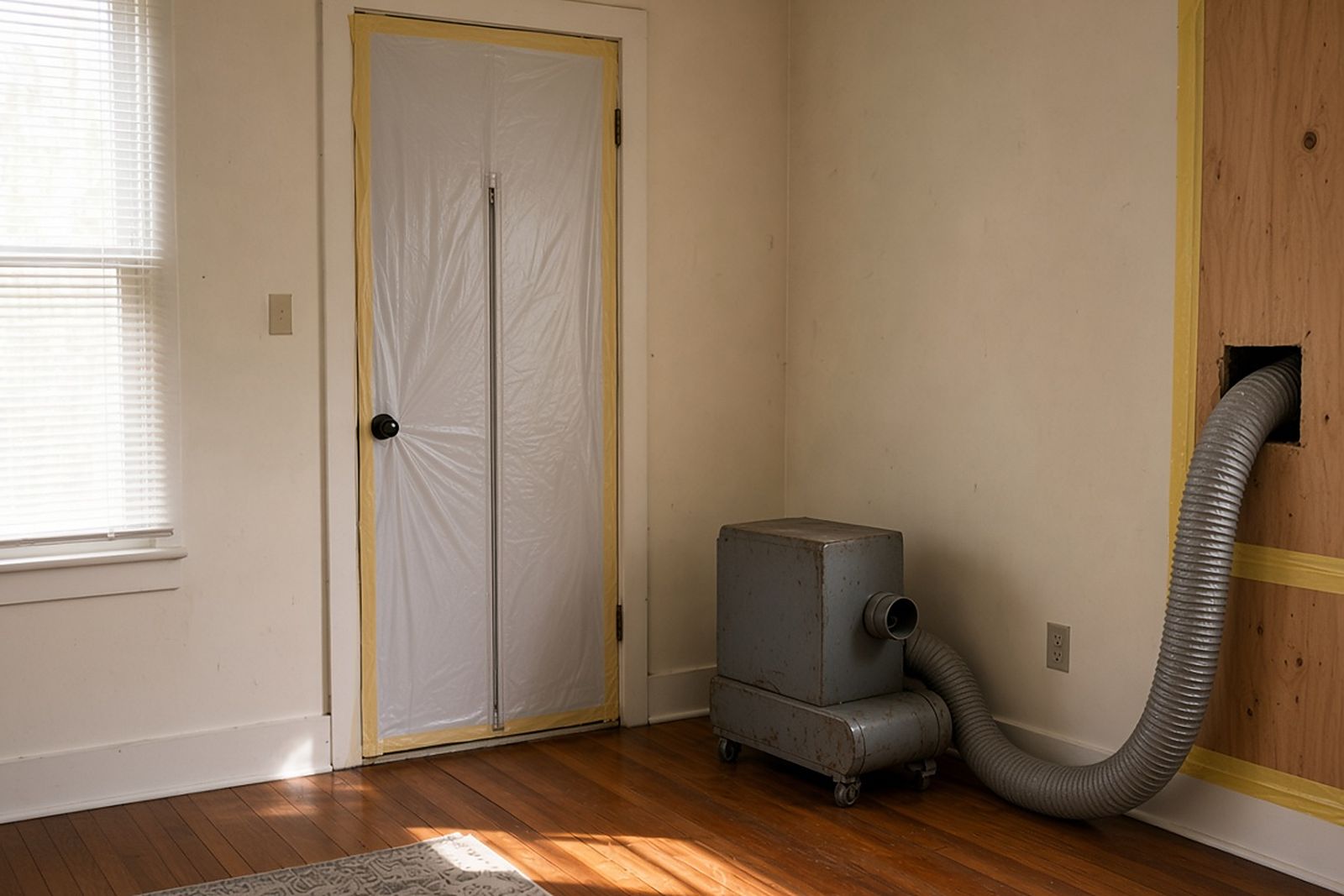
Soft or absorbent materials usually drive the cost most. Carpet and pad, soft furniture, mattresses, bare wood and drywall can soak up fluids and often have to be removed. Sealed surfaces like tile, laminate and finished counters are more often cleaned and disinfected in place. The mix of materials in your affected rooms has a large effect on labor, disposal and later repair.
The work may also reach beyond the main room, to a hallway where someone moved, a bathroom, a doorway or an outside step. Each of these adds time. Scenes in homes are common. The CDC reported that in 2021, 40.4% of National Violent Death Reporting System homicides took place in a house or apartment. So the layout and furnishings of a home shape many of these jobs.
- How many rooms and surfaces were affected
- How much of the material is soft or absorbent and how much is sealed
- How deep fluid traveled into the wood under the floor or the spaces inside walls
- Evidence cut-outs left by the police that need finishing or sealing
- Odor that has spread through the air vents or into fabrics
- Access problems such as stairs, tight hallways or clutter
How is labor usually priced?
Many companies bill for crew time plus materials and disposal. Fixr's 2025 cost guide states that professional crime scene and after-death cleanup is typically billed at $400 to $600 per hour. That hourly figure generally covers a team with protective gear, not one person. It is a national guide, not a quote for your home.
Some companies offer a price for the whole job once they have seen the home. Others prefer to bill for time and materials, because hidden damage often shows up when flooring or baseboards are lifted. Either method can be fair if it is clearly written down. The company should also agree to tell you before it goes over the estimate.
Crew size and the separate repair phase
Crew size also varies. A small, contained job may need two workers for part of a day. A larger one may involve tearing out materials, removing heavy furniture and treating odor. That may take a bigger team over more than one day. Ask how many people the company expects to send and for roughly how long. Then the hourly figure turns into something you can picture.
Remember that repair is often a separate phase. Many homicide cleanup companies remove soiled materials, disinfect and check the area. Then they hand the space to a general contractor for new flooring, drywall and paint. If your estimate does not mention rebuilding, budget for it on its own or ask whether the company can refer you to someone.
Do evidence residues and investigative cut-outs add to the bill?
Often they do. The police may use fingerprint powder, chemicals that reveal traces of blood and marking materials. They may cut out pieces of carpet, drywall or furniture fabric as evidence. Once your home is released, those residues and openings become part of what must be cleaned or made safe.
Removing powder can take a surprising amount of time, mostly on textured surfaces and fabrics. Cut-outs in drywall or flooring may expose hidden spaces. Those need to be checked for blood before anything is sealed. Ask whether your estimate includes these items or lists them apart.
Adding it up: an illustrative townhouse plan
This case is for illustration and is not drawn from any real family. A man is killed in an upstairs bedroom of a two-story townhouse. Emergency responders move through the hallway and down the stairs. Detectives keep the townhouse closed for five days during a summer heat wave. When the family can go back in, there is a clear odor on the upper floor.
The cleanup company visits and finds that the bedroom carpet and pad must be removed. Fluids reached the wood under the floor in one area. The hallway runner and stair carpet show traces from the response and will also be removed. Fingerprint powder is on door frames and a dresser. The mattress and a padded chair cannot be saved. The company advises odor treatment for the upper level.
The written work plan lists each area and how it will be removed or cleaned. It lists the expected crew hours, the amount of waste and the odor treatment as separate items. The family's advocate reviews it with them and helps them send it to the insurer and the state compensation program.
The example is invented to show how the cost factors work together. It is not a price estimate for any real home.
Belongings and privacy requests
Your requests can add a little to the cost, and they are worth making anyway. Many families ask the crew to set aside photographs, jewelry, papers or keepsakes and to clean them if possible. Careful handling of personal items takes more time than bulk removal. But it can matter deeply to you in the months ahead.
Some families ask for unmarked vehicles, work at quieter hours or extra care with neighbors and news crews. Ask whether these requests affect the schedule or the price. A kind company will explain honestly. It will not treat reasonable requests as a way to sell you more.
You may want time to walk through the home with a trusted person before work begins. Or you may prefer never to see the affected room again. Either choice is valid. Tell the company which you prefer. They can arrange photos, a list of set-aside items or a planned handoff that respects your wishes.
Who may help the family pay?
Several sources may help. It depends on your situation. Property insurance held by the homeowner or the landlord may cover damage to the building and contents. State victim compensation programs often cover part of the cleanup. They may pay the family of the victim or the property owner, under each program's rules. The California Victim Compensation Board notes that eligible California crime victims can receive up to $70,000 in total reimbursements for crime-related expenses. Cleanup has its own, smaller limit. Other states set their own amounts.
A victim advocate from the prosecutor's office or police department can explain which programs apply and help you apply. Program rules, deadlines and limits differ from state to state. Confirm the details with your own state's compensation office. Do not rely on examples from elsewhere.
Questions before you approve an estimate
Take the time you need with these questions, or ask someone you trust to go through them for you. A good company will welcome them.
- Was the estimate based on a visit to the home?
- Is pricing by the hour, by the job or a mix?
- Are evidence residue, cut-outs and odor treatment included?
- Will you contact me before the cost goes above the estimate?
- Which belongings will you set aside for the family to look through?
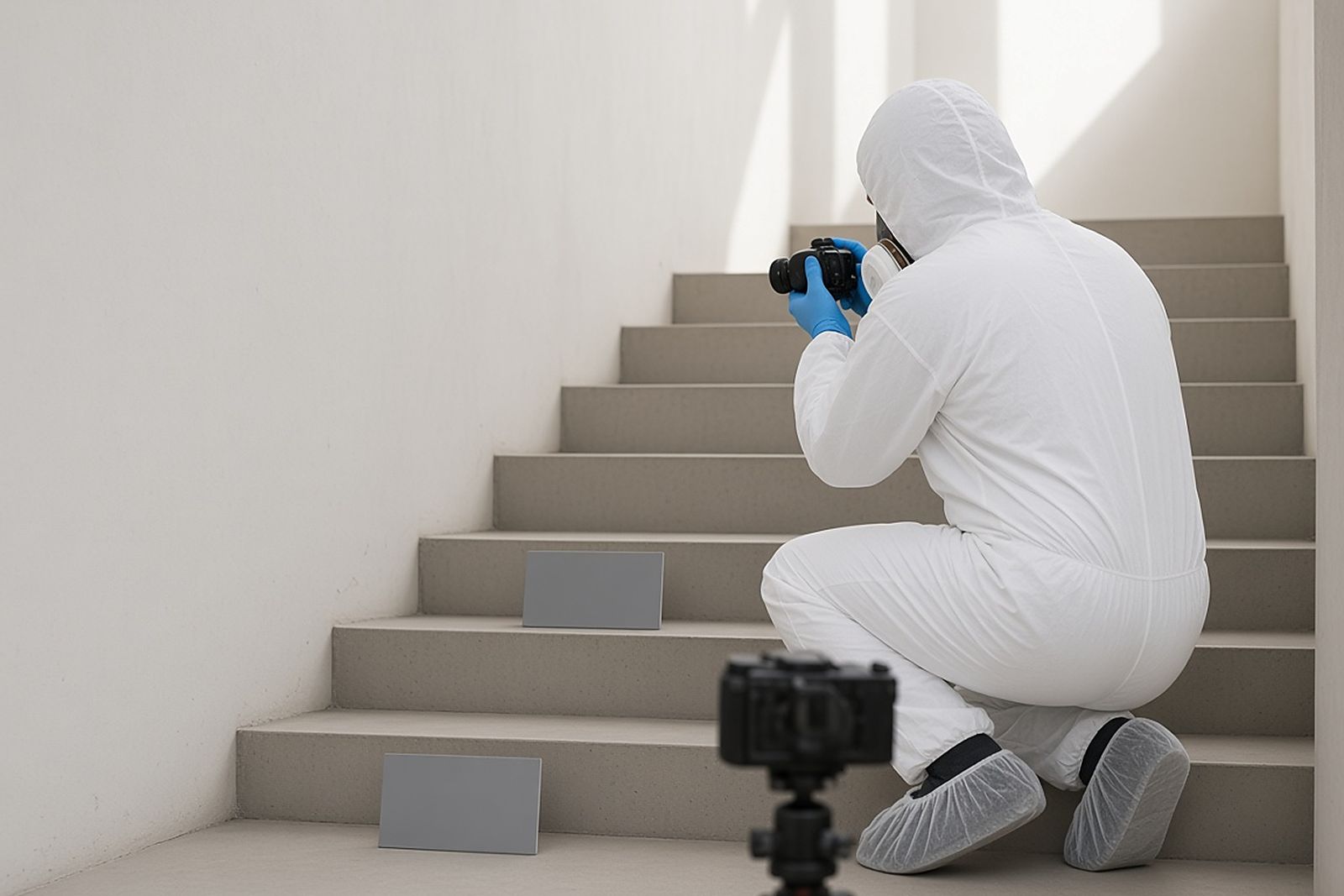
- Will I get photos and waste disposal records when the job is done?
- Does the estimate include rebuilding, or only removal and disinfecting?