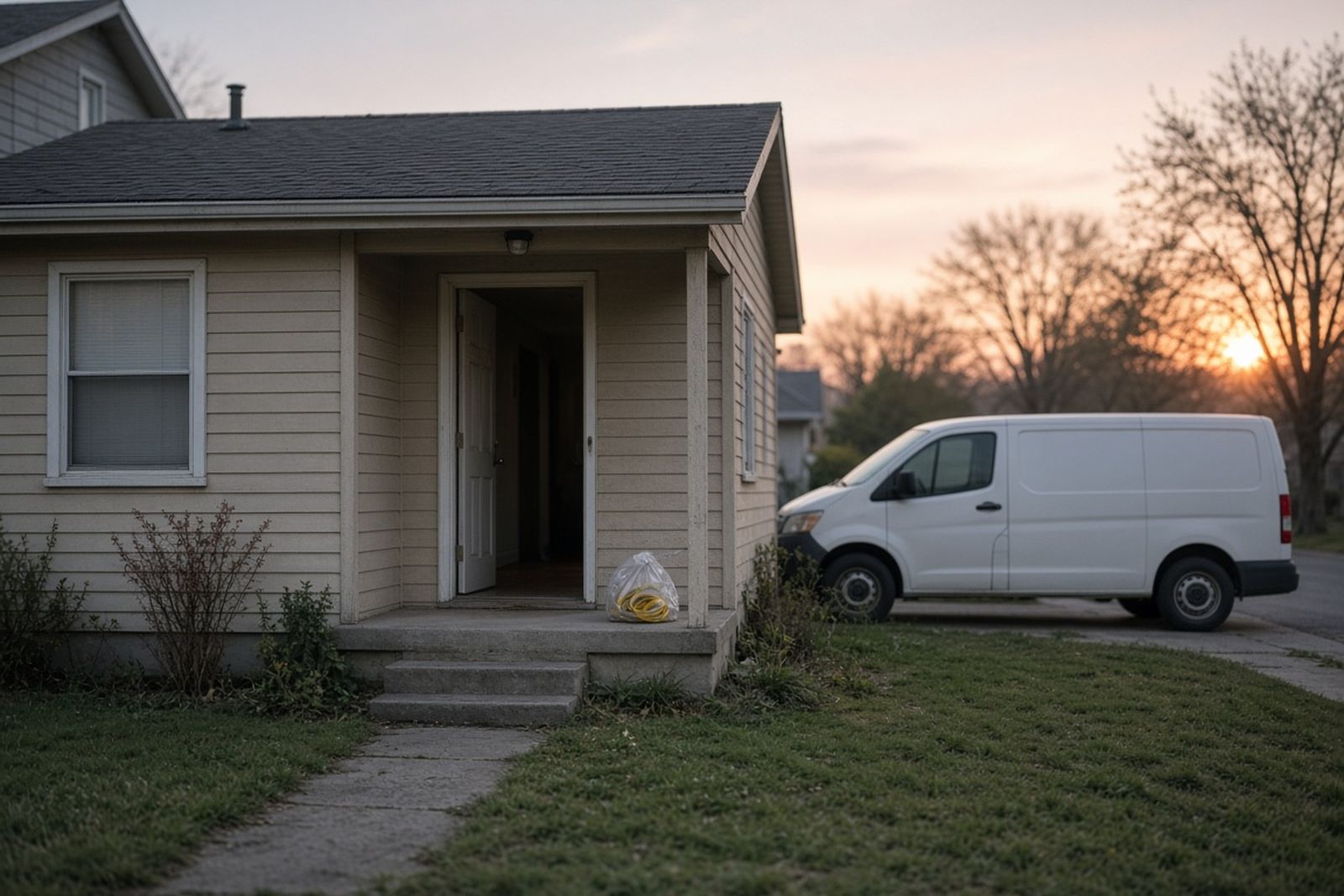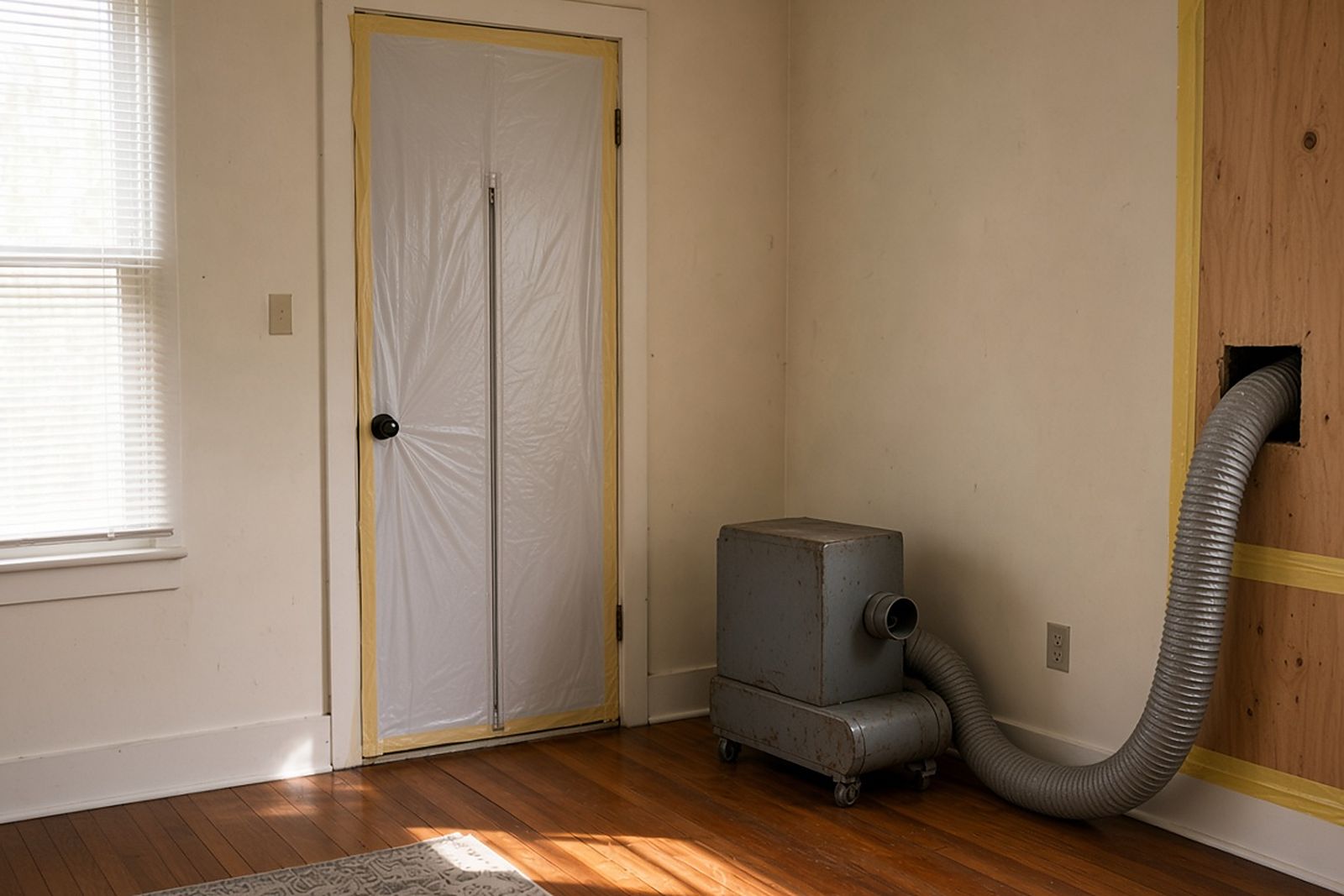
Short answer
Let the police finish their work and wait for a formal release. Find a safe place to stay, ask officers to bring you essentials and connect with a victim advocate. After the release, secure the home and stay out of the affected rooms. Do not try to clean. Choose one family member to deal with the cleanup company, the insurer and the landlord.
The first hours: safety, not cleanup
In the first hours after a homicide, cleanup is not the priority, and it should not be. Your focus is on safety, on each other and on helping the police. If you are at the home, follow the instructions of police and emergency responders. They will likely ask everyone to leave the property so the scene can be protected.
Find a safe place to stay, whether with relatives, with friends or in a hotel. If you have children with you, arrange for a trusted adult to care for them away from the home. Try to eat, drink water and rest when you can, even though that may feel impossible.
You may get calls from detectives, the medical examiner's office and possibly reporters. It is fine to let a family member or friend answer calls for you and pass along only what you need to know.
How long will the home be closed, and what can we do meanwhile?
A homicide investigation can keep a home closed longer than other incidents. Detectives, crime scene technicians and others may need several visits. There is no standard timeline. The police agency decides when the property is released. Each agency has its own steps, so ask the lead detective or your victim advocate how you will be told.
You may need essentials from the home, such as medicine, eyeglasses, identification, phone chargers, school items or clothing. Ask the police whether an officer can bring them out or walk someone inside briefly. Be specific about where each item is. They may not always be able to help, but it is reasonable to ask.
Write down the name and contact details of the lead detective, the case number and the victim advocate. Keep this in one place. You will need it for insurance, for compensation and for the cleanup company.
Who can help right now
Many police departments and prosecutors' offices have victim advocates. Their job is to support the families of homicide victims. An advocate can explain what is happening in the investigation and help you understand your rights as a victim's family. An advocate can connect you with counseling. An advocate can also help you apply for crime victim compensation, which in many states can help with cleanup and funeral costs.
The emotional impact of a homicide can last a long time, well past the funeral and often through a trial. That is a reason to accept support early. Lasting distress is not a sign of weakness.
When the home is released
When the police tell you the home is released, write down the date and time. Confirm whether every part of the property is included. Sometimes a vehicle, a garage or a single room stays on hold. Share this with the cleanup company.
Secure the home. A house that stands empty after a homicide can draw unwanted attention. Make sure the doors and windows are locked. If anything was damaged, arrange for a locksmith or a board-up service. Think about asking a neighbor you trust to keep an eye on the property.
Do not enter the affected area yourself, and do not try to clean. Blood and other fluids can carry germs that spread disease. The police may also have left fingerprint powder, testing chemicals and evidence cut-outs. These are hard to deal with without training. Many families find it healthier not to see the affected room before it is cleaned. You should never feel you have to.
- Confirm the release in writing, or note the officer's name
- Lock the doors and windows and repair any damage
- Keep children, pets and visitors away from the affected rooms
- Leave police residue and cut-outs untouched for the professionals
How do we choose a cleanup company without being pressured?
Some families get calls from companies soon after a homicide, sometimes before they have even thought about cleanup. You do not have to hire anyone who contacts you. Take a little time. Ask a trusted person to compare two or three companies. Ask each one for a written work plan before work begins.
Ask whether they have cleaned after a homicide before. Ask how they will set aside and return your loved one's belongings and how they will protect your privacy. A professional company will answer with patience. It will not press you to sign right away.
Choose one family member to deal with the cleanup company, the insurer and, if the home is rented, the landlord. That person should have authority from the owner or the estate.
A company you do not know may show up at the door or call again and again. It is fine to say you will be in touch if needed and end the conversation. Your victim advocate may know which local companies other families found respectful and reliable. That kind of word-of-mouth advice can be more useful than advertising.
Telling the insurer and landlord, and briefing the cleanup company
Tell your insurer and your landlord as soon as you reasonably can. Most property insurance policies expect prompt notice of a loss. Calling early also gives the adjuster a chance to explain what records they need before work starts. The first call can be very short. Give the address, say that a death occurred and the home is under police investigation, and give the case number. Write down the claim number and the adjuster's name.
If the person who died owned the home alone, the policy may need to be handled by whoever will represent the estate. A relative can usually report the loss and protect the property in the meantime. But payment decisions may wait until someone has legal authority. An estate attorney can explain the steps in your state.
If the home is rented, the landlord will need to know when the property is released and who will arrange cleanup. Landlords often have their own insurance and sometimes their own preferred vendors. A calm, early talk about who is arranging and paying for what can prevent confusion. Remember that the tenant's belongings still belong to the tenant or the estate. The landlord should not dispose of them without written direction.
Mortgage lenders, homeowners associations and building managers may also need to be told, depending on the property. Your contact person can keep a simple list of everyone notified, with dates and phone numbers. Then nothing slips through the cracks while your family is grieving.
A cleanup company needs practical information, not graphic details. Your contact person can share what is known and let the company fill in the rest when it visits.
- The address, how to get in and who holds the keys
- The case number, the lead detective's name and the release date
- The rooms or areas you believe are affected
- The types of flooring and furniture, if you know them
- A short list of belongings your family most wants recovered
- Your insurance company and policy number, if you know them
- Any privacy concerns, such as interest from reporters or an upcoming funeral
A typical first week, in order
Put together, the first days often follow a rough order. On the first evening, police notify the family and explain that the home will stay closed while detectives investigate. A victim advocate may call soon afterward and offer help.
While the home is held, ask the advocate or the detective whether an officer can bring out urgent items, such as an asthma inhaler or a child's school backpack. Write down the case number, the detective's name and the advocate's phone number as soon as you have them.
Once the home is released, tell the landlord or the insurer. Ask a friend to call two cleanup companies with a short list of questions. Choose the one that offers a written work plan and agrees to recover the belongings that matter most to you, such as family photo albums. No one needs to go inside before the cleaning. The company can call you when the work is done. The advocate can help you start a victim compensation application.
How do we look after ourselves while waiting?
Waiting can feel unbearable. You wait for the home to be released, for answers from the police and for decisions about a funeral. Try to let others handle the tasks that can be handed off, such as calling cleanup companies or insurers. Accept meals, rides and offers to sit with you.
Homicide survivor support groups, grief counselors who understand traumatic loss and faith communities can all give you steady support. If anyone in your family is struggling to cope or feels unsafe, reach out to a doctor or a crisis line right away. Asking for help is a sign of strength, not failure.