Short answer
Enzyme and microbial products are a finishing step. They help with leftover urine smell and stains on surfaces that stay in place, such as subfloors, concrete and framing. They are not disinfectants. Droppings and urine must first be soaked with bleach solution or a registered disinfectant and removed. Heavily soiled insulation and other soft items usually still need to come out.
How do bio-based products break down rodent residue?
Rodent urine holds urea, proteins and other organic compounds. These soak into wood, concrete, drywall paper and fabric. As bacteria break them down, they give off ammonia and other smelly compounds. That is why an old infestation can smell long after the animals are gone.
Enzyme products speed up the breakdown of certain parts of that residue, such as proteins or urea. The smaller pieces can then be rinsed or wiped away. Microbial products add bacteria that feed on the residue. Both aim to remove the source of the smell, not cover it with fragrance.
They work slowly compared with chemical cleaners. Most need the surface to stay damp for a while. They work poorly in cold spaces or when mixed with harsh chemicals.
It helps to know what you are smelling. A sharp smell like ammonia usually points to urine. A heavy, sweet, rotten smell that shows up suddenly usually points to a dead animal. A musty, stale smell may be a mix of nesting material, droppings and moisture. Each has a different fix. Only some of them are a good fit for an enzyme product.
Do enzyme cleaners protect me from hantavirus or other rodent diseases?
No. Enzyme and microbial products are cleaners, not disinfectants. A few specific products may be registered by the EPA as disinfectants. Unless yours is one of them and you use it exactly as the label says, do not count on it to kill hantavirus, leptospira, salmonella or other germs linked to rodents.
Disinfection comes first. Federal law (FIFRA) requires all pesticides, including disinfectants, sold or distributed in the United States to be registered by EPA, according to EPA's 2025 overview. That registration is what stands behind a product's kill claims. Droppings and urine are soaked with a registered disinfectant or a properly mixed bleach solution. They stay wet for the full time on the label. Then they are wiped up with disposable towels and bagged. They are never swept or vacuumed dry.
Only after that step does an enzyme product make sense. By then the droppings and nesting material you can see are gone, and you are treating leftover smell or stains.
Be careful with labels that say natural, sanitizing or germ-fighting but show no EPA registration number. Those words may describe general cleaning power, not proven disinfection. If a product is registered, its label lists the germs it is approved for and how long it must stay wet.
Where enzyme or microbial products help
They are most useful on materials that have soaked up urine but cannot easily be removed. Think structural framing, subfloors, concrete slabs and some masonry. Tearing out a subfloor or foundation wall is rarely practical. So breaking down the residue in place is worth a try.
They can also help in your cabinets and closets after disinfection, where a faint smell stays in unfinished wood. The same goes for vehicles or equipment where rodents nested. Those areas may be clean but still carry an odor.
- Subfloor and joists under a kitchen or bathroom where rodents traveled for months.
- Concrete garage or basement floors with urine stains along the walls.
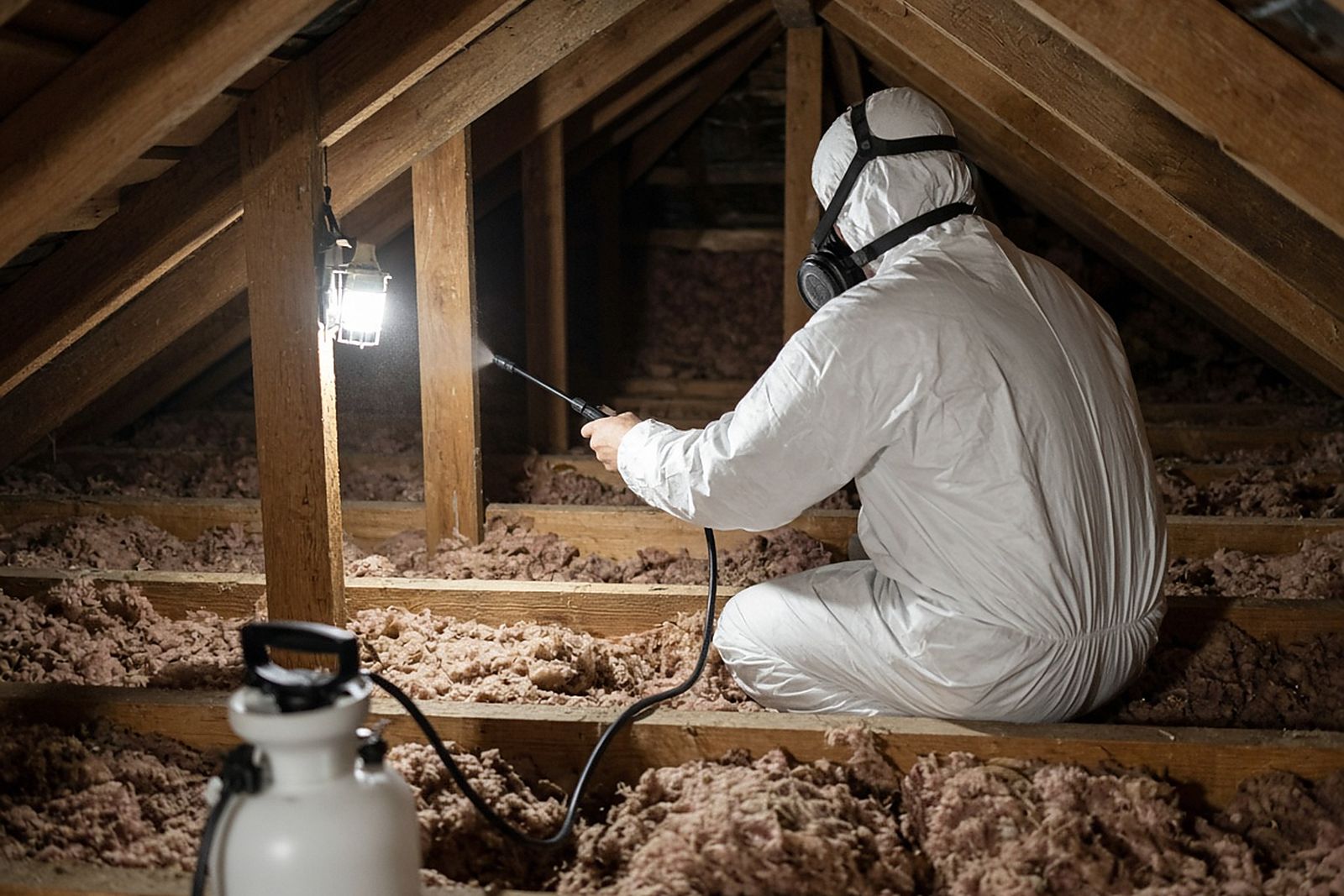
- Unfinished wood in cabinet bases, closets and attic framing after soiled insulation is removed.
- Engine bays or cabin filters in vehicles after nests are removed and surfaces disinfected.
When removal is still the better choice
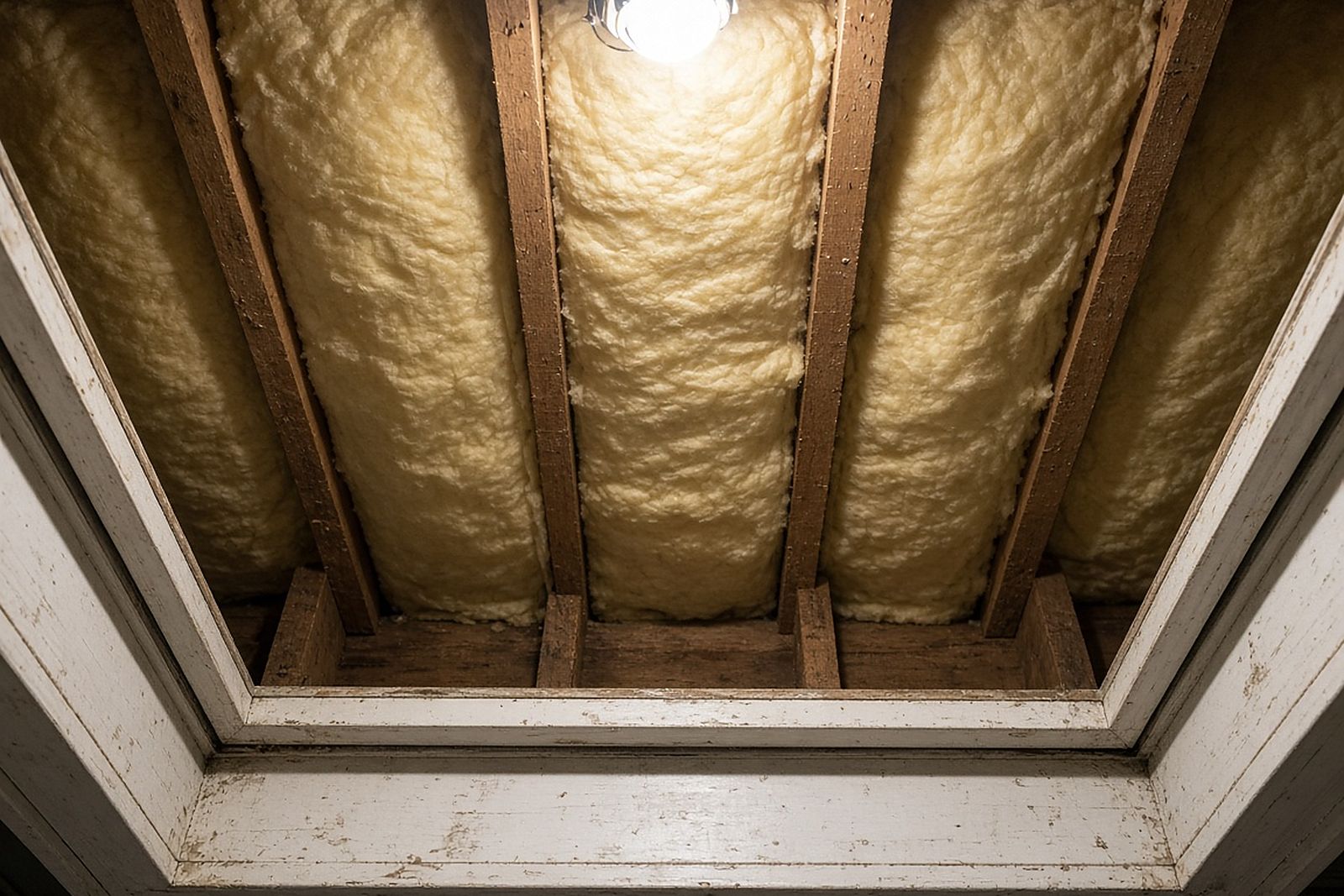
Some materials hold too much mess to treat reliably. Attic insulation packed with droppings and matted by urine is one. Carpet and pad along a busy rodent pathway is another. So are cardboard boxes, and upholstered furniture and mattresses that rodents nested in. These are usually bagged and thrown out.
Enzymes have to touch the residue to work. In thick, absorbent or layered materials, the product cannot reach everything. Droppings and nest debris would remain even if the smell faded. Removal takes the source away completely.
Drywall is a judgment call. Surface stains on painted drywall may clean up. Drywall soaked at the base of a wall or behind your refrigerator is often better handled by replacing a section.
Cost and time also shape your choice. Repeated enzyme treatments on a heavily soaked material can take weeks and still fall short. Removing and replacing that material may finish the job in a day. A good company will talk you through both paths and let you weigh them. It will not just push the service that is easier to sell.
The right order of steps
Order matters. Using a product at the wrong time wastes your money and can create risk. You might stir up dry droppings, or let a disinfectant cancel out the enzyme before it works.
Some disinfectants, bleach above all, can stop enzymes from working and kill the bacteria in microbial products. After disinfection, surfaces are usually rinsed or left to dry as the product labels direct. Only then is an enzyme product applied.
- Confirm rodent activity has stopped and entry points are sealed.
- Air out the space before anyone starts work.
- Soak droppings, urine and nests with disinfectant and wait the full time on the label.
- Wipe up and bag the material; remove soiled insulation and other soft items.
- Clean and disinfect the hard surfaces that remain.
- Apply an enzyme or microbial product to leftover odor or stains, following its label.
- Seal or prime stained wood or concrete if the odor is still there after treatment.
- Check again for odor after a few days before you close up walls or put insulation back.
What if the smell comes from a dead rodent inside a wall?
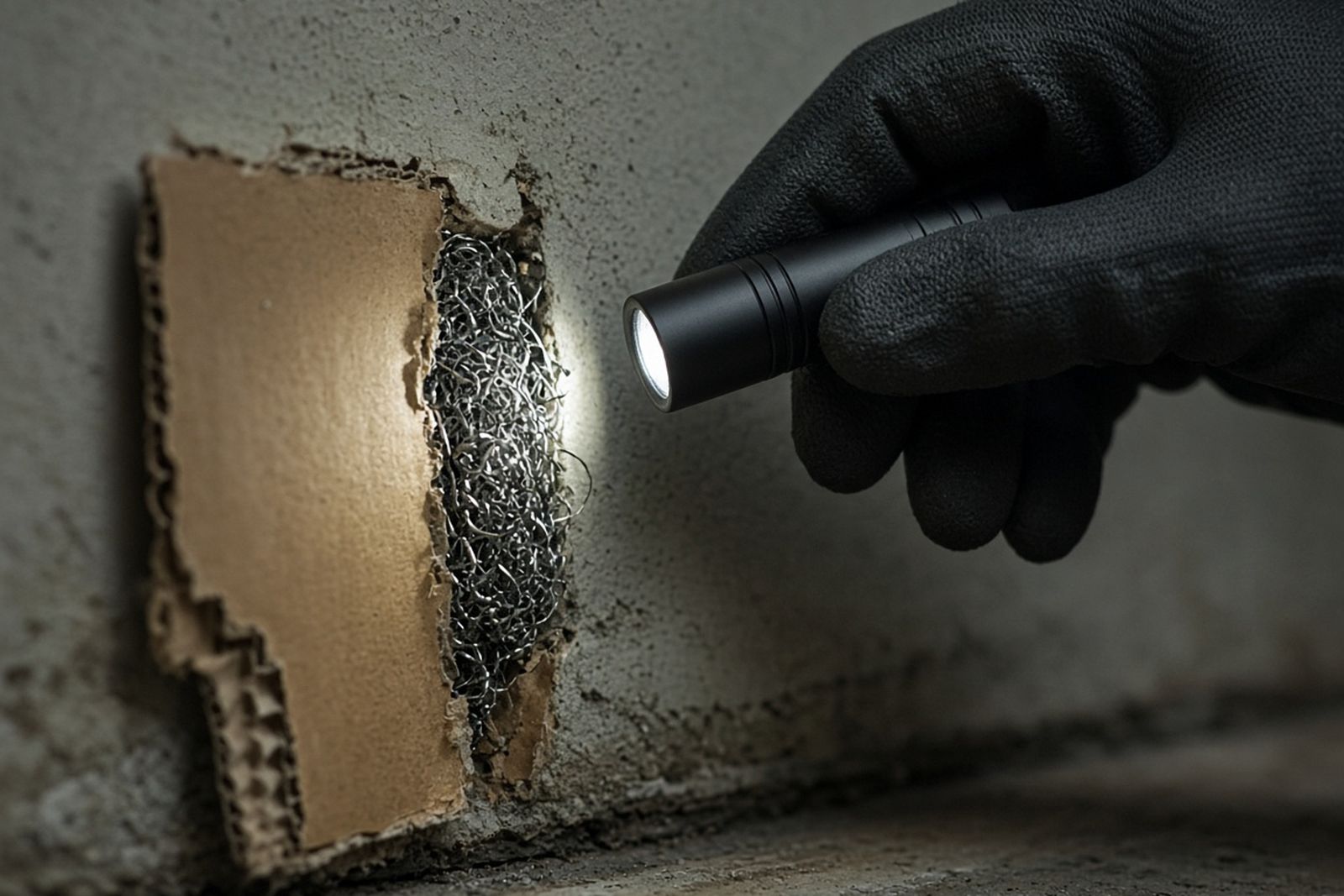
A sudden, strong smell that grows over several days often means a rodent died in a wall, ceiling or floor cavity. No spray on the room surface will fix it while the body is still there.
The practical fix is to find and remove the animal. That may mean cutting a small access hole in your drywall. A crew then disinfects the cavity and removes any soiled insulation. They may use an enzyme product on framing or subfloor where fluids soaked in. The access hole is patched afterward.
If the body truly cannot be reached, the smell will fade over time as it dries. Fresh air and patience help. Ask a company to be honest about which situation you are in before you pay for repeated odor treatments.
Once the body is out, treat the area as contaminated. Fluids and insects around a dead rodent can carry the same hazards as droppings and urine. So the wet disinfection method applies before any odor work begins.
Illustration: a basement workshop with a lingering odor
A basement workshop makes a good illustration. The details are typical ones, not taken from a real job. A homeowner clears out a basement workshop that sat unused for two years. Mice had nested behind a workbench and traveled along the base of the concrete walls. A cleanup crew has already sealed gaps around the utility entrances. They soaked and bagged the droppings and nest, and disinfected the workbench and floor.
In this illustration, the workshop still smells musty and faintly of ammonia a week later. The crew comes back. They find urine stains in a band along the foot of the concrete walls and on the underside of a plywood shelf.
They throw out the plywood shelf, which is swollen and stained. On the concrete, they apply an enzyme product and keep it damp for the time its label recommends. They rinse the residue to the floor drain, which connects to the sanitary sewer. After a second treatment, the smell drops to a level the homeowner can barely notice. The crew suggests sealing the concrete band with a primer to lock in anything left. The report lists disinfection, removal and odor treatment as separate steps.
Using enzyme products safely at home
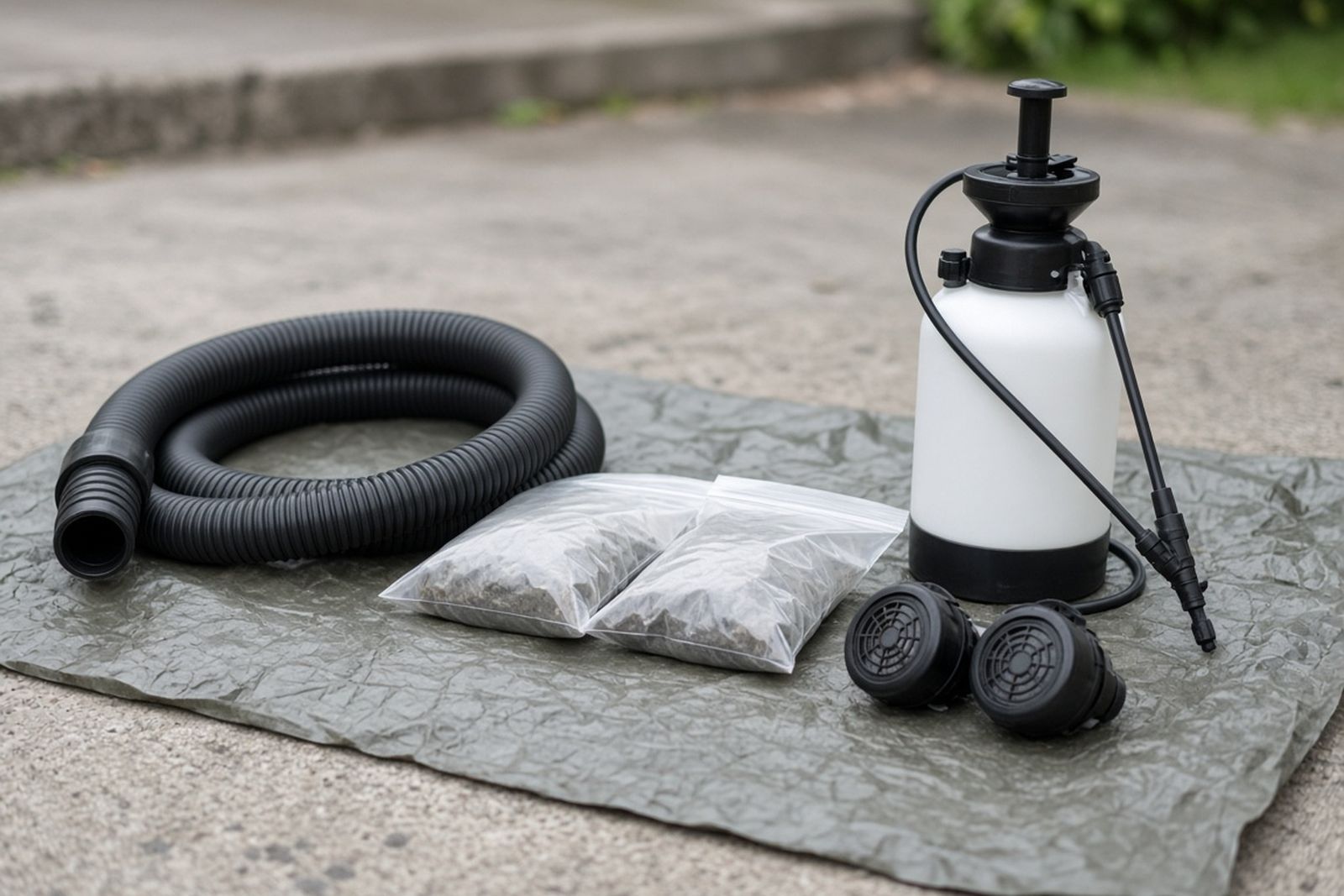
You may be handling a small area yourself, such as a cabinet base after a few droppings. The safety steps come first. Air out the area and wear rubber or plastic gloves. Soak the droppings with disinfectant for the recommended time, then wipe and bag them. Do not sweep or vacuum.
Once the area is disinfected and dry, you can use a household enzyme cleaner on leftover odor or stains, following its label. Never mix it with bleach or other cleaning chemicals. Wash your gloved hands before you take the gloves off. Then wash your bare hands well.
For larger areas, attics, crawlspaces or any space with heavy droppings or nests, think about hiring a trained crew. If anyone gets a fever, muscle aches or trouble breathing after being around rodents, get medical care and mention the contact.
What should I ask a company who recommends a bio-based treatment?
These products can be a smart finishing step. A company should suggest them for a specific reason and at the right point in the job.
Ask, too, where the rinse water will go. If the plan uses a floor drain, your local sewer utility can tell you what is allowed down it.
- Which surfaces will you treat, and what residue or odor are you going after?
- What disinfectant will you use first, and how long will you wait before the enzyme step?
- Which materials will you remove instead of treating, and why?
- How will you handle rinse water?
- What will you do if the odor comes back?