Rodent & Pest Droppings Remediation planning tools
Work through cost, hiring, insurance, first steps and disposal at your own pace.
The tools on this page break a rodent problem into choices you can actually make. You might find droppings in an attic, a crawlspace, a garage, a stored car, or an empty house. Each time, the same questions come up in a different order. Is this dangerous? Can I do it myself? What will a company charge, and why? Who can I trust? Will anything pay me back? Where does the waste go? Each tool answers one of those. Most people should start with the risk check. It tells you if a broom and a weekend are a fair plan or a health risk. The planner sorts out the first day. The estimator frames cost. The checklist guides your calls to companies. The organizer handles any claim, and the waste guide handles disposal.
Get an email reply about rodent & pest droppings remediation
Send a short message to the follow-up inbox. A coordinator can reply by email. This form does not send emergency help; call 911 first if anyone is in danger.
Choose a tool
Each tool is free and private: nothing you type is saved or sent anywhere. Use the results to get ready for a visit from a cleanup company or a call with your insurer.

Cost Range Estimator
Set the affected area, surface types, severity and extras to see a rough cost range and what pushes it up or down.
Open tool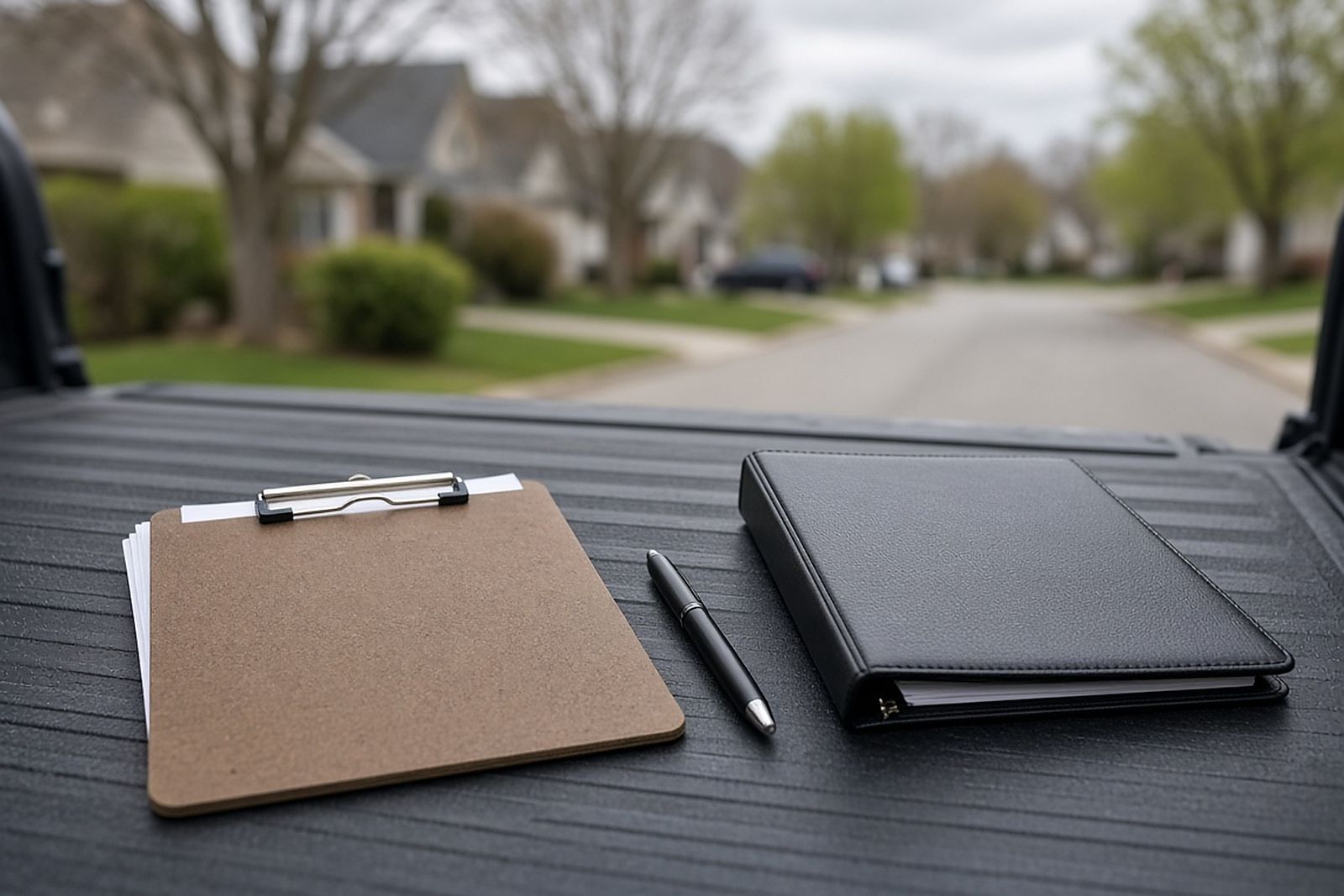
Company Vetting Checklist
Fifteen questions to ask any cleanup company, a score that shows how ready you are to hire, and a list of what is still unanswered.
Open tool
Insurance Claim Organizer
A guided checklist from finding the policy to tracking the insurer’s decision, with a printable summary of where the claim stands.
Open tool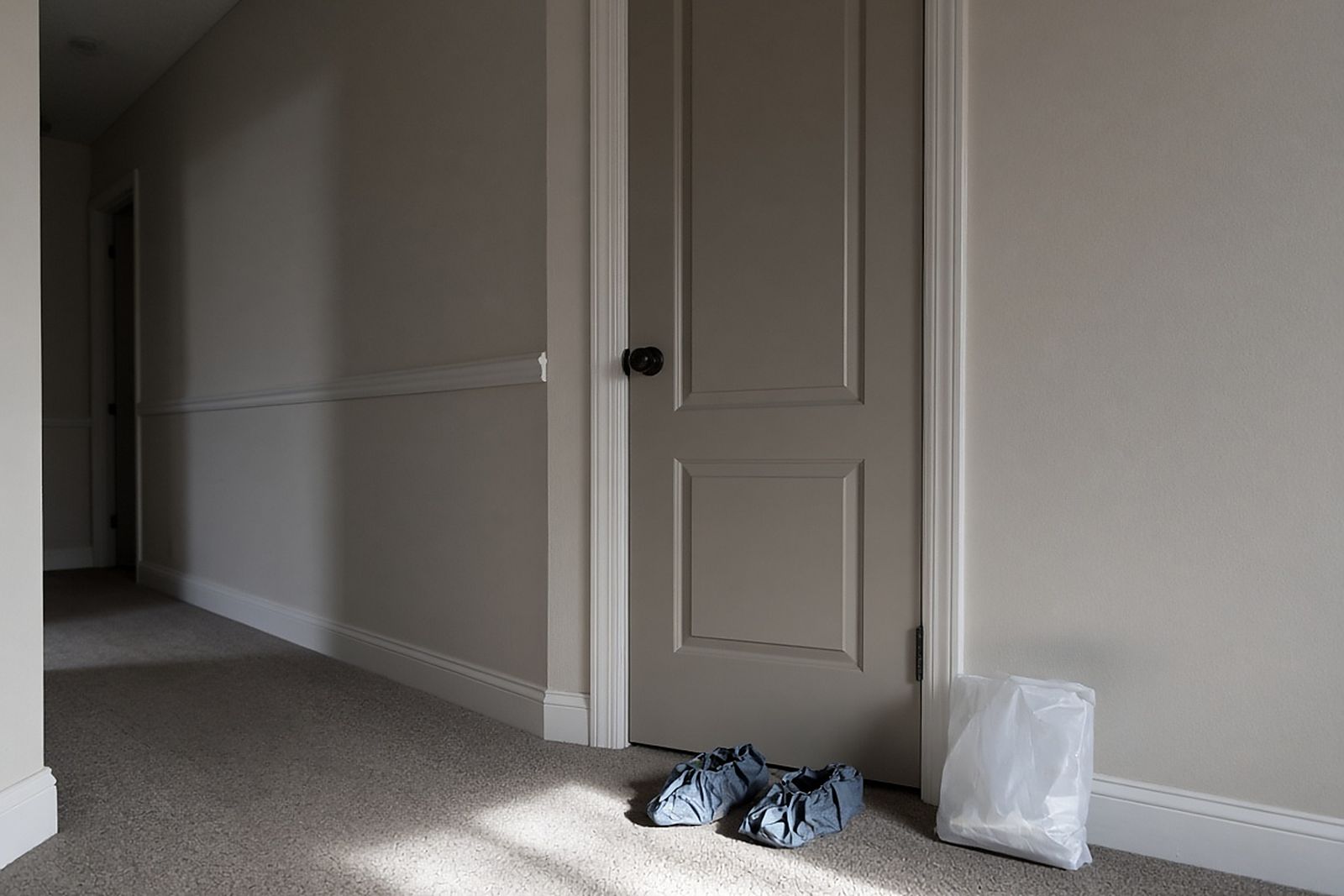
First 24 Hours Planner
Tell the planner a few facts about the situation and get an ordered list of who to call, what not to touch, and what to photograph.
Open tool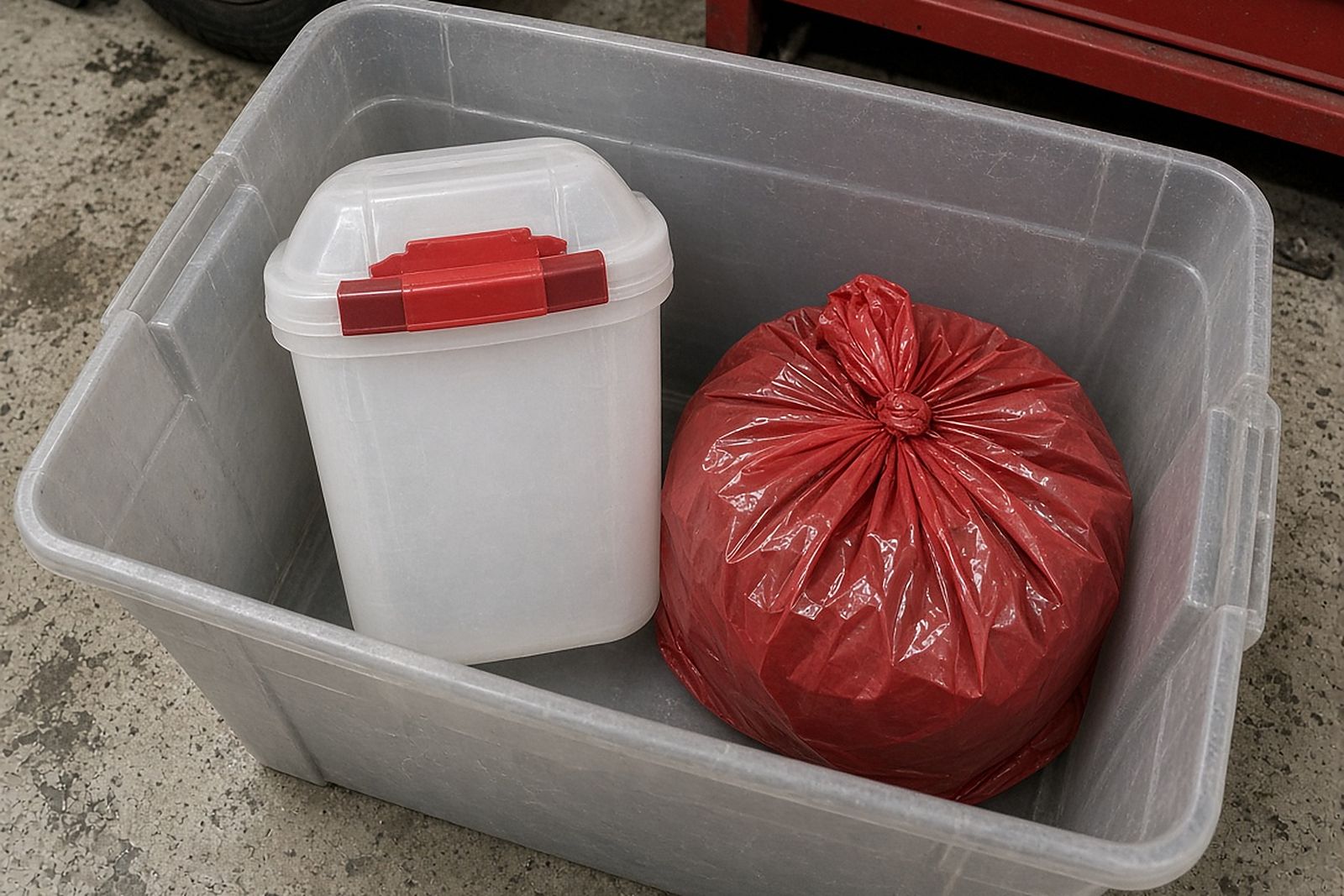
Waste & Disposal Classifier
Five questions about the material point to the likely waste category and which authority to confirm the rules with.
Open tool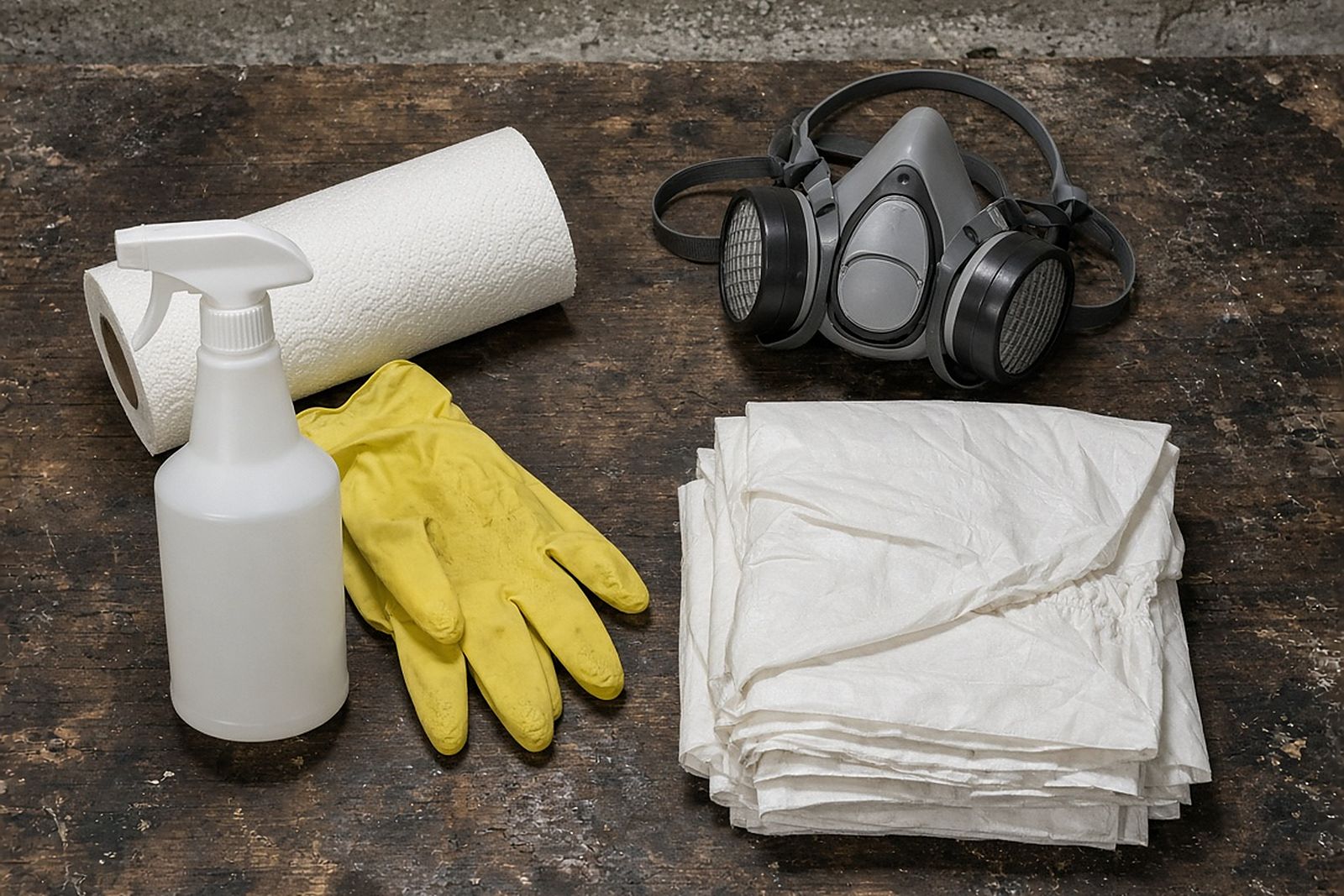
DIY or Call a Pro? Risk Check
Eight yes-or-no questions that produce a risk level and explain when professional help is the safer choice.
Open toolKnowledge quiz
A short quiz with an explanation for every answer, so you can check what you know before you make decisions.
Take the quizHow these tools fit rodent & pest droppings remediation
The tools have limits you should know. The cost estimator builds a range from what you tell it about area, surfaces, how bad it is, and extras. It has never seen your attic. It cannot know local labor rates or dump fees. The vetting checklist tells you what to ask about wet methods, walling off the area, sealing gaps, and photos. But it cannot confirm a company actually does those things. The waste guide suggests a likely category and names the office that decides, since disposal rules vary by state and county. The risk check is cautious on purpose, because the danger is unseen dust in a closed space. None of these tools replaces a site visit by a trained company or a talk with a pest pro.
Some cases fall outside what the tools are built for. If anyone in the home gets a fever or trouble breathing after stirring up droppings, see a doctor right away before you do anything else. If you are dealing with a bat colony, keeping them out may be limited to certain seasons. Wildlife rules vary by state and county, so check with the local wildlife office. In a rental or shared building, who is responsible depends on your lease, association papers, and local housing codes. The tools can flag these questions but not settle them. Use the results as a tidy place to start. Expect a cleanup company to fine-tune or correct them after seeing the space.
Facts worth knowing
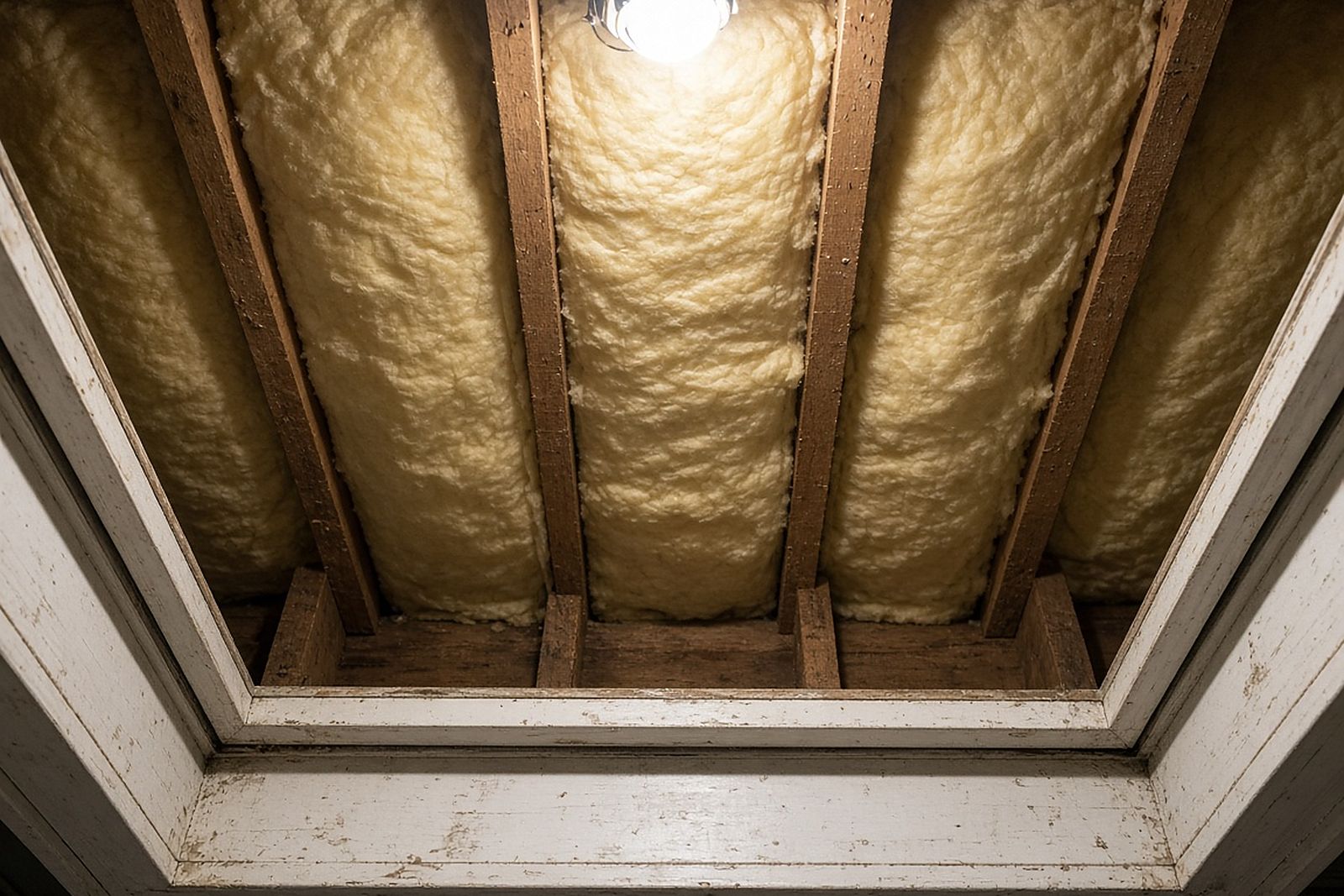
HomeAdvisor says insulating an attic costs about $2,100 on average, and removing old insulation runs $1 to $1.50 per square foot.
Why it matters: If rodents ruined your insulation, budget for both removal and replacement; contaminated material may cost more to remove.
Progressive says damage from mouse and rat infestations is generally not covered by a standard homeowners policy because it is seen as preventable.
Why it matters: Expect to pay for rodent cleanup yourself, but read your policy and ask your insurer, since policies differ.
The CDC says not to sweep or vacuum rodent droppings, urine or nests, because that can send virus-carrying droplets into the air.
Why it matters: Put your broom and vacuum away; soak the mess with disinfectant and wipe it up instead.
What other people chose
Vote to see how other people answered. You can change your answer at any time.
If you found droppings across your attic insulation, what would you most likely do?
How well do you understand the hantavirus risk from rodent droppings?
Questions about the rodent & pest droppings remediation tools
Which tool should I start with if I just found droppings in my attic?
Start with the DIY Risk Check. It asks how closed-in the space is, how good the airflow is, and how much waste there is. It also asks whether insulation is soiled and who lives in the home. Then it tells you whether a pro is the safer path. If it points you to a pro, use the Company Vetting Checklist and Cost Range Estimator next. If it suggests a careful small cleanup, the planner and waste guide will help you organize it.
Do the tools remember my answers between visits?
Your entries stay in your browser during your visit, so you can move between tools and print summaries. Nothing is sent to companies or saved on the site's servers as a profile. Clearing your browser data or switching devices erases them. If you want a record for a landlord, buyer, or claim, print or save the summary before you leave the page.
Can the estimator tell me what an attic insulation removal costs where I live?
No. It gives a rough range for learning purposes. It is based on attic size, whether the insulation is loose or in rolls, and how soiled it is. It also counts extras like odor treatment or removing roof boards and stored items. It does not know local labor costs, dump fees, or how hard the space is to reach. Use the range to judge whether a written quote is in a sensible ballpark, not to predict it.
Will the waste classifier tell me whether soiled insulation can go in a dumpster?
It will explain that rodent waste and soiled insulation are usually treated as regular trash once wetted and double-bagged. Then it names the state or county office that confirms the rule for your address. It cannot make the call itself, because local landfill and hauler rules differ. Check with the office it names. Or ask the cleanup company to describe in writing where the waste will go.
Is the insurance organizer worth using if I suspect the damage is excluded?
Yes, for two reasons. First, it helps you see whether a covered event let the rodents in. A storm or a burst pipe are examples, and that can change the answer. Second, the same file of photos, written plans, and separate bills works as a home record. It helps with a future sale or a tenant dispute, even if no claim is paid. The insurance company makes the coverage decision.
Do the tools work for bat guano and bird droppings as well as rodents?
Mostly. The risk check, planner, estimator, and waste guide all handle bat and bird droppings. They adjust the advice on breathing protection and walling off the area. The difference is in keeping the animals out. Rules for bats and migrating birds can limit when they may be removed or sealed out. These rules vary by state and county. The tools flag the issue and point you to the local wildlife office.
What if a company disagrees with a tool result?
Ask them to walk you through why. A company that has seen your attic knows things the tool cannot. That includes how deep the mess goes, how easy the space is to reach, and the state of the roof boards. A good answer points to the method, the local disposal route, or signs of rodents. If the answer involves sweeping, dry vacuuming, or blowing new insulation over old droppings, treat it as a warning sign, not a fix.
More on rodent & pest droppings remediation
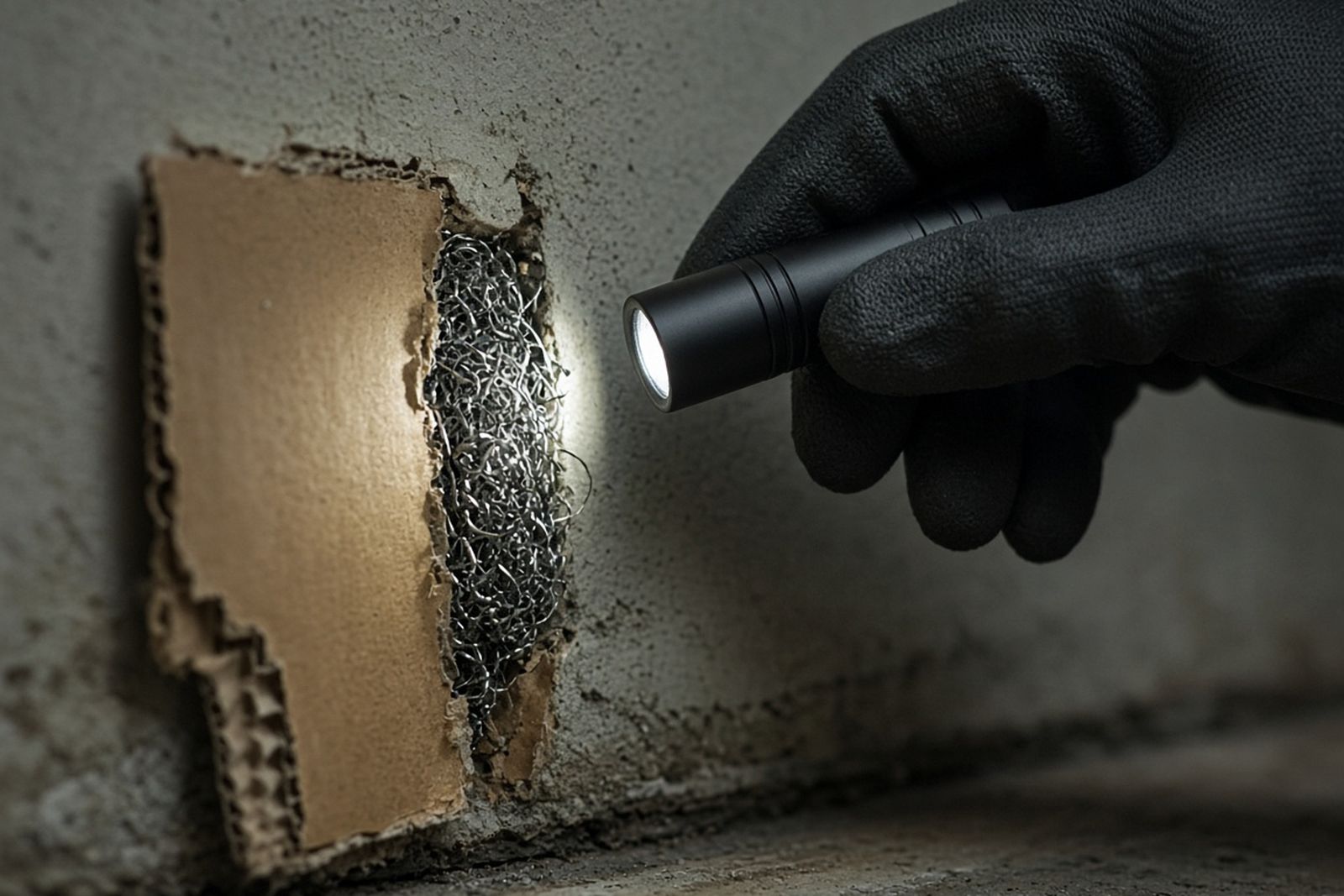
Rodent & Pest Droppings Remediation services
See how wet cleanup, attic and crawlspace work, bat droppings, sealing gaps, and insulation choices fit together after rodents move in.
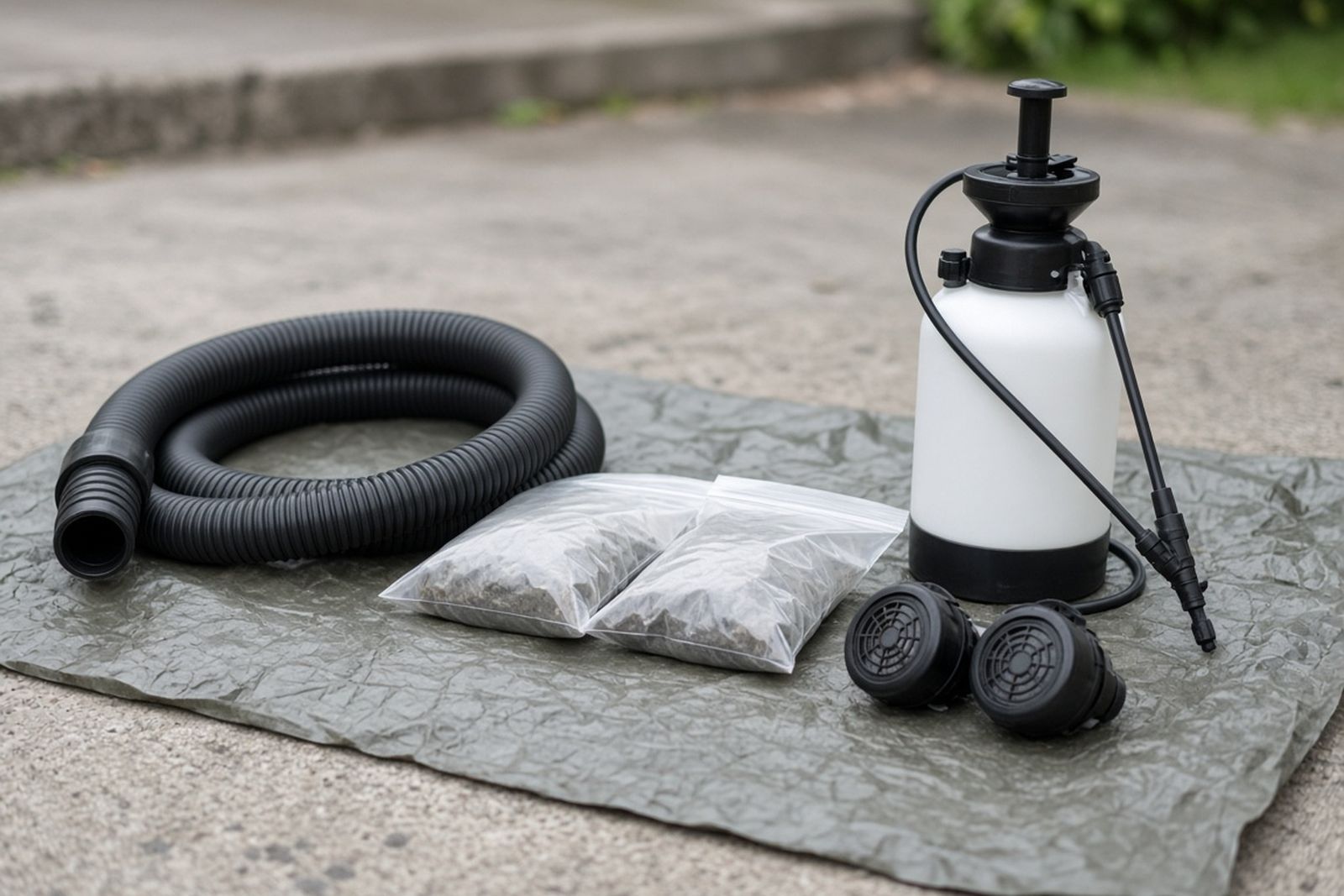
Costs explained
What drives the price, published cost ranges, and how to read a written quote line by line.
Insurance and payment
Which policies may respond, how to document a claim, and what to do if coverage is denied.
Community polls
See how other homeowners and landlords handle attic droppings, new insulation, and the choice between cleaning up themselves or hiring help.
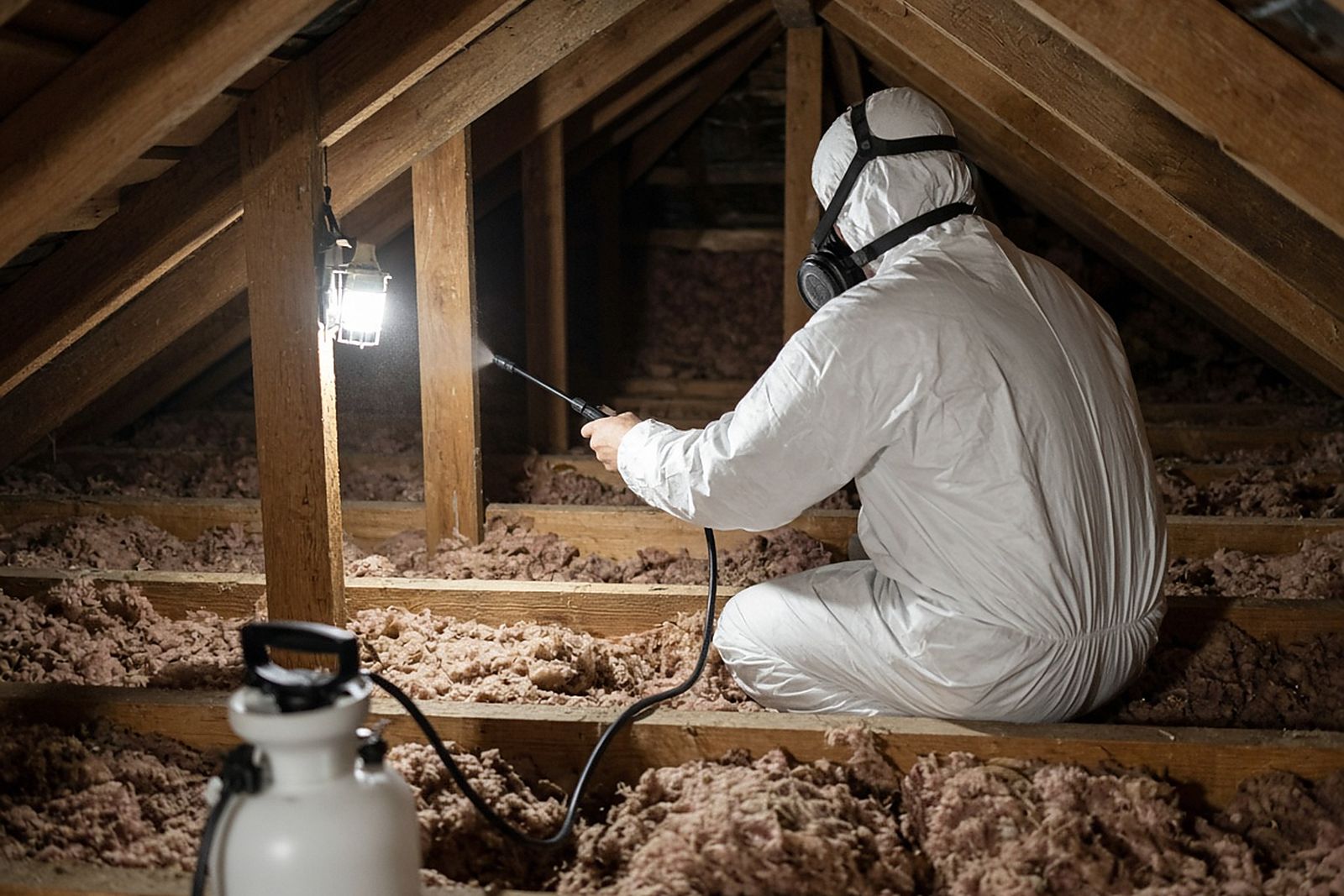
Knowledge quiz
Check whether you know why dry sweeping is dangerous, when insulation must go, and why sealing the gaps comes first.
Articles and resources
Longer reads on nests in cars, rodents in empty homes, bat colonies in attics, and what a good cleanup plan should look like.