Short answer
If you think someone has died alone, do not force your way in. Call 911 or the police non-emergency line and ask for a wellness check. Once the medical examiner releases the home, keep it closed, stay out, do not spray anything, and find out who has the legal right to hire a cleanup company.
If you think someone has died alone inside
Some signs can make you fear the worst. There may be a strong, strange smell, flies at a window, or mail piling up. A friend may have stopped answering calls. If you think someone has died inside a home, do not force your way in or go inside to check. Call 911, or the police non-emergency number if you are unsure, and ask for a wellness check.
Officers will decide how to get in and what to do next. If they confirm a death, they will call the medical examiner or coroner. That office arranges transport and starts looking for next of kin. Stay nearby if they ask you to. Share what you know about the person, such as family contacts or health problems.
Many people live alone. That is why neighbors, landlords and friends are so often the ones who notice. The Administration for Community Living reported that about 28% (16.2 million) of U.S. adults aged 65 and older living in the community lived alone in 2023, including 33% of older women.
Who takes charge after the person is found?
Police and the medical examiner or coroner control the home until they release it. After that, the home usually goes back to whoever controls the property. That may be the owner, the person acting for the estate, or the landlord. The authorities usually tell the next of kin. Sometimes they have to search first, if the person had little contact with family.
Before you hire anyone, find out who has the right to make decisions and sign contracts. A landlord may need to act fast to protect other tenants. A relative may be named executor in a will but not yet appointed by a court. An estate lawyer can tell you who can act. So can the probate court in the county where the person lived.
Write down the name of the agency that responded, the case number, and the date and time of release. You will need them later.
Keeping damage and smell from spreading until the crew arrives
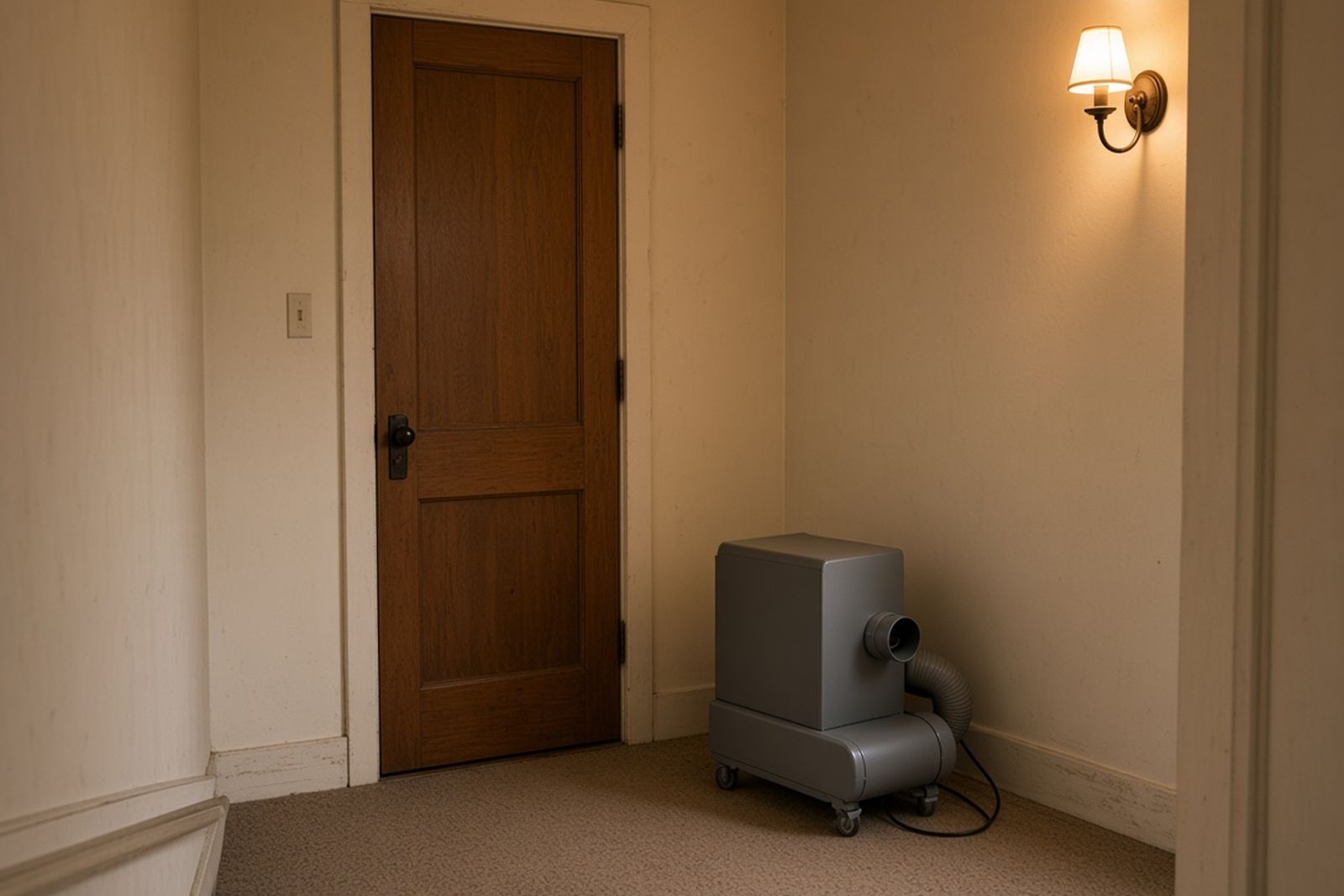
After a death that was found late, smell and germs can spread. Moving air, foot traffic and insects all carry them. The most helpful thing you can do before the crew arrives is keep the home closed and leave it alone.
Keep doors closed. If the home has a forced-air heating or cooling system, ask whether it can be turned off. It may pull the smell into ducts and other rooms. Opening windows can seem wise. But in an apartment it can push the smell into hallways and other units, so ask the cleanup company first. Keep pets out of the home fully.
It is natural to want to do something about the smell and the insects. But air fresheners and scented sprays mostly lay one smell over another. They can make the real odor removal harder. Bleach and household cleaners are not right for materials that have soaked up fluids. Mixing chemicals can also make dangerous fumes.
Bug sprays and foggers from the store may drive insects deeper into walls or into other units. They also leave chemicals the crew will have to deal with. Pest treatment is often part of a professional job after an unattended death. It works best when it is planned along with removing the source.
The safest choice is to leave the space as it is. Let the crew start with nothing added and nothing moved.
Are flies getting into a hallway or a neighbor's unit? A towel or draft stopper along the bottom of the door can help until the crew arrives. Tell the company the insects are spreading, so they can treat for them on the first visit.
- Keep outside and inside doors closed
- Leave the heating and cooling off where you can, and ask the company before you change it
- Do not go into the affected area or walk across stained floors
- Keep pets and children away
- Leave belongings where they are for the crew to sort
What landlords and neighbors should know right away
In apartments, condos and townhomes, a death found late can affect other people. Walls, floors and vents are shared. If you are the landlord or manager, think about telling neighbors that professional work will take place. Do not share personal details about the person who died. Check the unit below for ceiling stains or smell, and take photos of anything you find.
If you are a relative, tell the landlord or building manager how to reach you. Say whether you plan to arrange the cleanup or would like them to. Talking early helps you avoid two problems: both of you calling different companies, or neither of you calling anyone.
Tell the insurance companies as soon as you reasonably can. That means the landlord's insurer and the tenant's renters insurer, if there is one. For a home the person owned, it means the homeowner's policy.
What the cleanup company will need to know
Whoever makes the call can share a few practical details. You do not need to describe anything upsetting. The company will learn what it needs when it visits the home.
- The address, how to get in and who holds the keys
- How long the person may have gone unfound, if you know
- The type of flooring, and whether there is a unit or room below
- Whether there are insects or a strong smell
- Who has the right to approve and pay for the work
- Papers or valuables the family or estate needs found
- Phone numbers for family members who live far away
Protecting papers and personal items
When someone dies alone, their home often holds the only copies of papers the family and estate will need. Common ones are wills, deeds, car titles, bank and retirement statements, insurance policies, tax records, passports and keys. Photos, letters and family keepsakes can matter just as much to the people left behind.
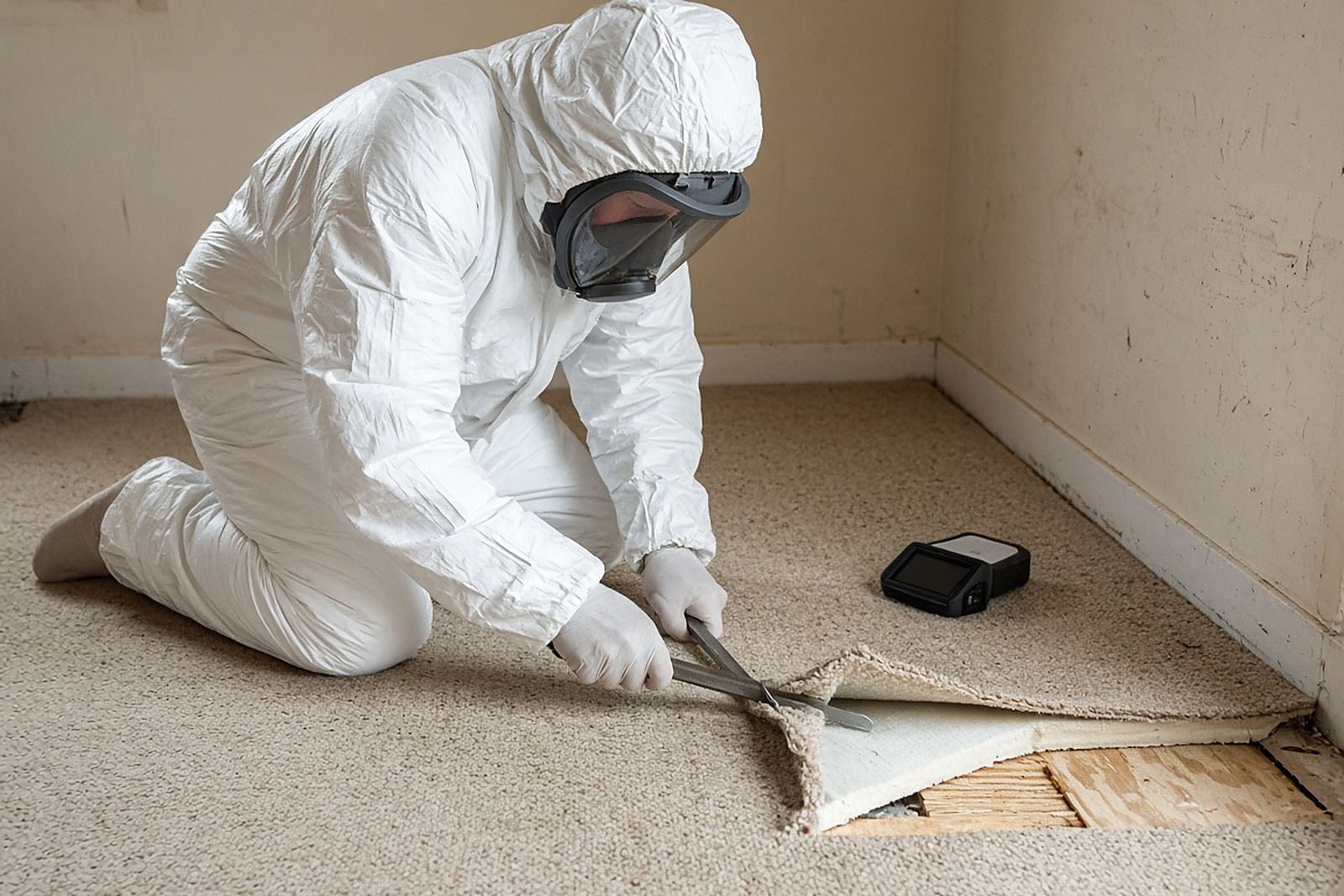
You do not need to go looking for these things yourself. That is even more true if the home has a strong smell or stains you can see. Instead, write a list of what the family knows or thinks is in the home, and where it might be. Give that list to the cleanup company. The crew can then search with care, set items aside and clean what can be safely saved.
Did the person keep valuables such as cash, jewelry or firearms? Tell the company and, where it makes sense, the police. Ask the company how it records and locks up valuables it finds, and ask for a written list. That record protects both the estate and the crew.
Mail and packages may keep coming for weeks. A neighbor or the building manager can collect them. The executor can also set up mail forwarding once they have legal authority. Important notices from banks, utilities and government offices often come this way.
A building manager's first 24 hours
If you manage a building, the first day often follows a pattern you will recognize. A smell in a hallway or flies at a window lead to a knock on the door. No one answers, so you call the police non-emergency line for a wellness check. If a death is confirmed, the medical examiner's office takes over and later releases the unit.
After release, keep the unit door closed. Ask maintenance whether the unit's air handler can be switched off safely, and lay a towel along the base of the door. Check the unit below for ceiling stains or smell, and photograph anything you find. Ask the medical examiner's office how to reach the next of kin, who may live in another state.
When you reach the family, explain that a professional crew will be needed. Ask whether they would like to arrange it or would rather the building did. A split that works is common. The building calls a company for urgent containment and pest control. The family or estate handles the tenant's belongings and the longer-term choices.
When you get the news from far away
A call saying a relative died alone and was not found for some time can be deeply painful. You may feel shock, sadness, and guilt that you did not know sooner. Those feelings are very common. Late discovery happens even in close, loving families.
You do not have to fly in right away to get things started. You can talk with the medical examiner's office, the landlord and a cleanup company by phone. Ask the company to send photos and written updates. Think about calling an estate lawyer early, above all if you are unsure of your legal role.
Most of all, take care of yourself. Let friends help with calls. Rest when you can. Give yourself permission to grieve before every task is done.