Short answer
Your cost depends on the kind of waste you make and the number and type of containers you fill. It also depends on how often you need pickups, how far you are from a treatment plant, and contract terms like minimums and surcharges. Good sorting is the surest way to lower your bill. Anything you put in a red bag is priced as regulated waste.
Why bills differ between similar practices
Your price is built from several moving parts, and no two customers use the same mix. A dental office may fill a few sharps containers a month. A dialysis clinic may fill carts every week. They are priced differently, even if both sit on the same block.
Contracts differ too. Some haulers charge per container. Some charge per pound. Some charge a flat monthly fee with a cap, and some mix these. Fuel, environmental, and office surcharges may be listed apart or folded into the base rate.
The fairest way to compare is to ask each hauler to price the same case. Give them your real waste types, container sizes, and pickup schedule. Only then do the totals mean anything.
How does the type of waste change the price?
Each kind of waste takes its own container and its own treatment path, and each path has its own cost. If you mix kinds, everything usually gets priced at the most costly one.
Ask your hauler which kinds it takes and how it prices each one. Some haulers take regulated medical waste but send medicines or chemicals to a partner.
Sorting errors cost you money in both directions. Trace chemotherapy items in a standard red bag may go to a treatment method that does not suit them. That can bring a refusal or a rule problem. Ordinary medicines in a sharps container can raise questions at the treatment plant. When in doubt, ask your hauler for a one-page sorting guide for the kinds of waste it will collect from you.
- Sharps: hard containers that needles cannot poke through, often priced by container size
- Red-bag regulated medical waste: blood-soaked materials and similar items, often priced by box or by weight
- Pathological waste: tissue and body parts, which usually must be burned
- Trace chemotherapy waste: usually kept apart in its own containers and burned
- Non-hazardous medicines: collected apart, often through a program just for them
- Hazardous chemical waste or RCRA drug waste (covered by federal hazardous waste law): a different set of rules and usually a different company
Sorting at the source
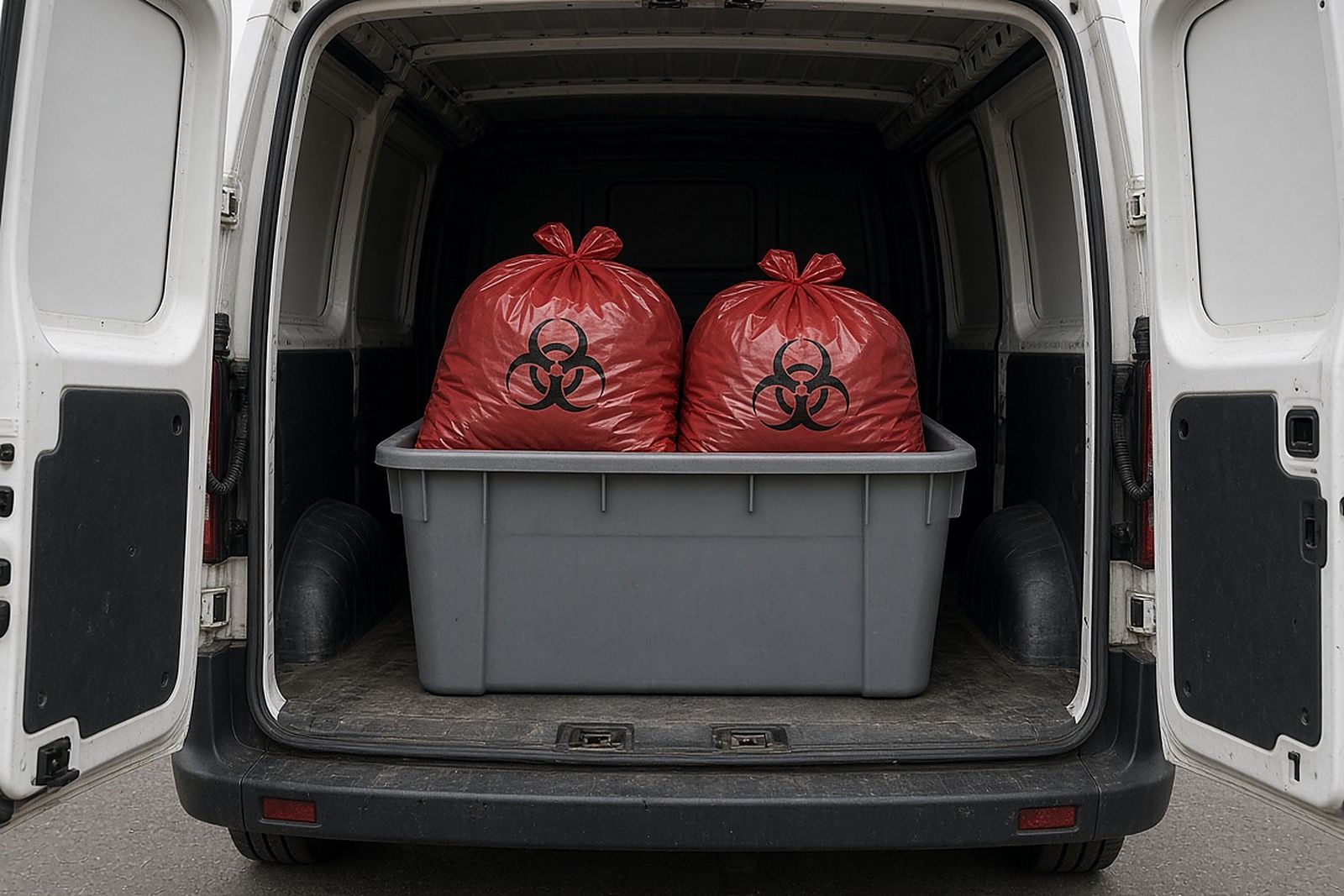
Everything you put in a red bag is priced as regulated waste, even if it is ordinary trash. Paper towels, packaging, and gloves that never touched blood swell your volume when they land in the wrong bin. Your bill grows with them.
The savings can be large. Daniels Health, citing a World Health Organization estimate for hospitals worldwide in 2021, reported about 85 percent of hospital waste is general non-hazardous material and roughly 15 percent is regulated medical waste. Your own split will differ. But it shows how much can drift into the wrong container.
Clear signs help. So does the right bin placed right where the work happens, and a short staff training. Together they often cut red-bag volume in a way you can see. Just make sure the goal is correct sorting, not dodging the red bag. Regulated material in household trash is a far bigger problem than a higher invoice.
Containers and packaging rules
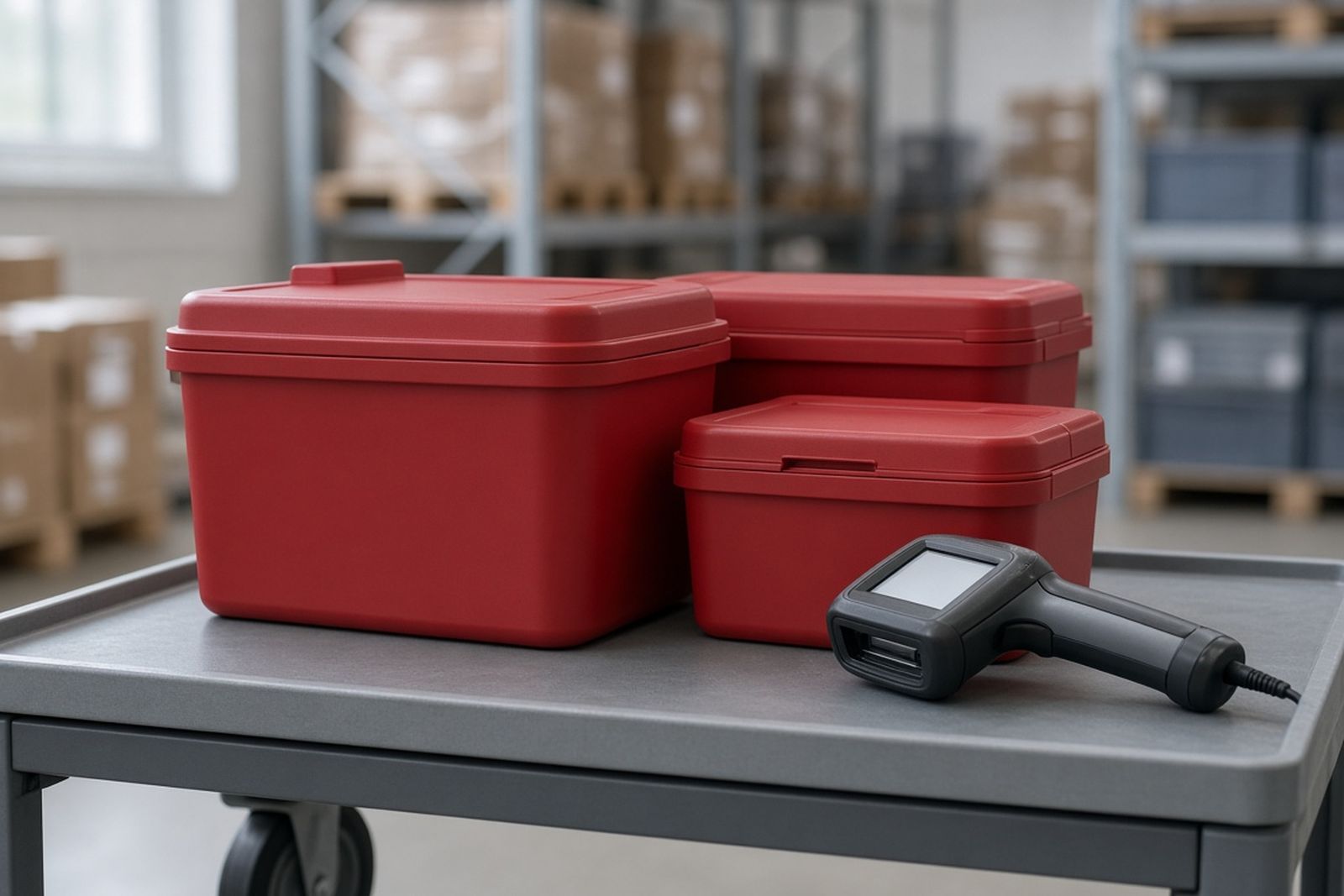
Federal transport rules set packaging limits that affect how many containers you need. They cap bag size. They also cap how heavy a filled bag may be when it goes in a cart. Your hauler will supply containers that meet these rules. More containers usually mean higher charges.
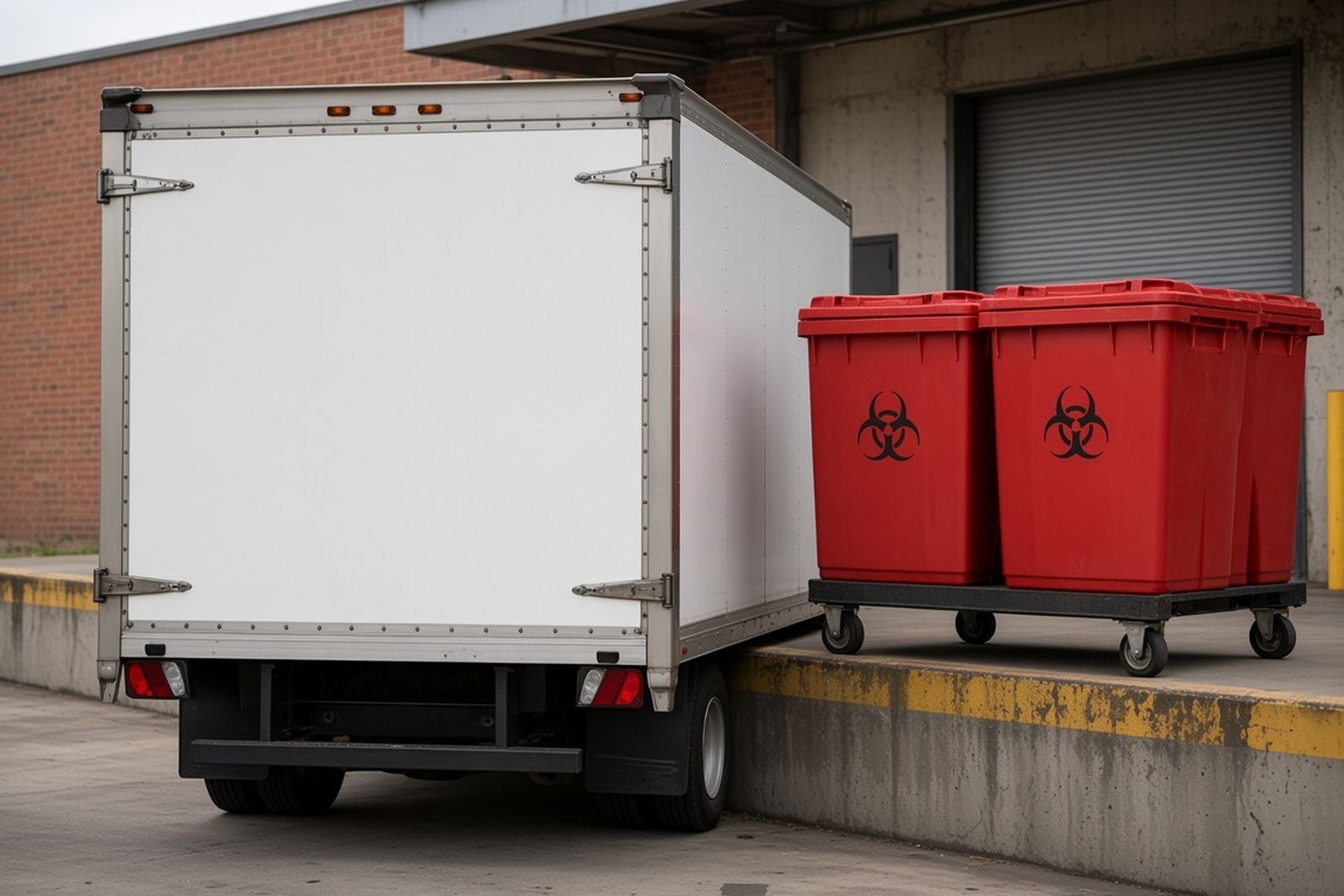
Reusable containers and carts can lower your cost if your volume is steady and high. You are not paying for a new box each time. Throw-away boxes may suit you better if your volume is low or uneven. Ask whether container rental, exchange, or purchase is built into the price.
Overfilling is a common and costly mistake. A container that cannot close properly, or a bag that is too heavy, may be refused at pickup. For you, that means a return trip, a delay, and sometimes a fee.
Frequency, location, and storage space
How often you need pickup is a balance of storage limits, space, odor, and cost. Weekly pickups cost more over a year than monthly ones. But your state may limit how long you can store waste on site. And some waste gets unpleasant fast if it is not kept cold.
Location matters because haulers price by route. A practice on an existing route in a busy area may pay less than a rural clinic that needs a special trip. The distance to the nearest permitted treatment plant counts too.
Scheduled service usually costs less than on-call service. If you make waste now and then, ask about a mail-back program or an on-call plan. One of them may cost you less than a fixed schedule.
Storage space has a cost too, even if it never shows on an invoice. A locked, labeled area keeps waste away from patients, clients, and pests. It also takes up room. If your storage area is cramped, slightly more frequent pickups may be worth the added charge.
What fees hide in the contract?
Base rates get the attention, but contract terms often drive your true cost. Read the agreement closely before you sign. Ask the hauler to explain anything unclear in writing.
Ask how you will be told about price changes. Some contracts allow a surcharge change with only a line on your next invoice. Others require written notice. If you do not already track your invoices month to month, start now. Small increases are easy to miss until they add up.
If you need a single pickup after a cleanup job, the pricing works differently. One-time service is often priced per container with a trip charge. Your cleanup company may arrange it for you. Ask for the transport charge to appear as its own line on the cleanup invoice.
- Monthly minimums that apply even when you make little or no waste
- Fuel, energy, or environmental surcharges that can change during the contract
- Automatic renewal terms and the notice you must give to cancel
- Price increase terms that allow a raise each year
- Fees for missed pickups, refused containers, or extra stops
- Charges for papers such as waste shipping records, certificates of destruction, or compliance reports
State registration and permit costs
State fees can add to your cost. States set their own rules for medical waste. Some require generators (the businesses that make the waste) or haulers to register or pay yearly fees. In some states, you face registration rules if you haul your own waste. Those rules do not apply if you use a licensed hauler.
Most generators rely on a licensed hauler. Its permits and training are built into its price. If a quote seems very low, ask the hauler to confirm its state permits and where your waste will be treated. A hauler that cuts corners on the rules puts you at risk. You carry responsibility for the waste you create.
Your state environmental or health department can tell you whether any registration or fee applies to your business.
Running your own cost review
You can review your costs with nothing more than six months of invoices and an honest look at your bins. Bills tend to creep up. You can usually see why once the invoices sit side by side.
Look for surcharges that have grown and monthly minimums you never reach. Look for a separate fee on each certificate of destruction. Then look at what your staff put in the red bag. Paper towels and packaging often land there out of habit.
Fix the sorting first. Move ordinary trash bins closer to each work station. Post a simple sorting card, and cover it in one short staff meeting. Then ask two other licensed haulers to quote on the same container sizes and pickup schedule. With those quotes in hand, you can ask your current hauler to change the minimum or fold certificates into the base rate. Whether you switch or stay, you will know what you are really paying for.
How should I compare quotes fairly?
Give every hauler the same facts. List your waste types, your estimated volume, the containers you prefer, and how often you want pickup. Add any special needs, such as cold storage or medicine collection. Ask each one to price it the same way.
Then compare what is included. Does the rate cover containers, waste shipping records, treatment certificates, and training materials? Is there a cap on surcharges? How long is the term, and what does it cost to leave?
Last, check that the hauler follows the rules. Confirm its permits. Ask where your waste is treated. Ask how it handles a refused container. The cheapest quote is no bargain if it leaves you open to a violation or a missed pickup.
Keep your notes on file. When your contract comes up for renewal, you will already know what other haulers offered. That makes your next round of talks faster and based on real numbers.