Biohazard Waste Transport planning tools
Work through cost, hiring, insurance, first steps and disposal at your own pace.
The tools on this page help a waste-producing business go from unsure to having a plan. You may run a clinic, studio, lab, or care home. Or you may have been left with waste after a cleanup. Either way, you likely have practical questions. What will pickup cost? Is this hauler legitimate? Does my insurance matter? What do I do in the next day? Which container does this item go in? Can my own staff handle it? Each tool takes one of those questions and walks you through it. The prompts are made for medical waste, not general cleanup. The result is a set of notes you can take into a talk with a company, your insurer, or your local authority.
Get an email reply about biohazard waste transport
Send a short message to the follow-up inbox. A coordinator can reply by email. This form does not send emergency help; call 911 first if anyone is in danger.
Choose a tool
Each tool is free and private: nothing you type is saved or sent anywhere. Use the results to get ready for a visit from a cleanup company or a call with your insurer.

Cost Range Estimator
Set the affected area, surface types, severity and extras to see a rough cost range and what pushes it up or down.
Open tool
Company Vetting Checklist
Fifteen questions to ask any cleanup company, a score that shows how ready you are to hire, and a list of what is still unanswered.
Open tool
Insurance Claim Organizer
A guided checklist from finding the policy to tracking the insurer’s decision, with a printable summary of where the claim stands.
Open tool
First 24 Hours Planner
Tell the planner a few facts about the situation and get an ordered list of who to call, what not to touch, and what to photograph.
Open tool
Waste & Disposal Classifier
Five questions about the material point to the likely waste category and which authority to confirm the rules with.
Open tool
DIY or Call a Pro? Risk Check
Eight yes-or-no questions that produce a risk level and explain when professional help is the safer choice.
Open toolKnowledge quiz
A short quiz with an explanation for every answer, so you can check what you know before you make decisions.
Take the quizHow these tools fit biohazard waste transport
Every tool is for learning and works from the facts you enter. So the result is only as good as your honesty about volume, waste types, and storage. The cost estimator shows cost drivers and a range, not a quote. The vetting checklist scores how sure you are about a company, not the company itself. The waste guide suggests a likely type and tells you who can confirm it. None of the tools can see your building, read your state's storage rule, or check a hauler's registration. Treat the results as a first outline. Then check it against real documents and real people.
Use the tools in whatever order fits your needs. A new practice might start with the waste guide to learn its waste types. Next it might use the cost estimator to budget, then the vetting checklist to interview haulers. A property manager after a trauma event might start with the first-day planner. Then comes the insurance organizer, then the risk check to decide whether staff should touch anything at all. Print or copy the results and keep them with your waste file. If a company's proposal or an inspector's question conflicts with a tool result, the company's written terms and the inspector's rule win. The tool just helped you notice the gap.
Facts worth knowing
In one Chinese hospital study, patients who did not know about needle take-back programs were more likely to throw needles away unsafely.
Why it matters: Ask your pharmacy, clinic or local health department whether a sharps take-back or drop-off program exists near you.
In a Portuguese study, some adults with diabetes said they put used needles in recycling bins, flushed them down toilets or let them pile up at home.
Why it matters: Never put your used needles in recycling or the toilet; ask your pharmacy or waste service where a sealed sharps container can go.
At one US community clinic, 57.3% of 89 people surveyed said they had no training on handling sharps or were not sure.
Why it matters: Do not assume anyone taught you or your staff the right way; ask a pharmacist or your local health department.
What other people chose
Vote to see how other people answered. You can change your answer at any time.
How does your business get medical waste off site now?
Which part of your waste program is most frustrating?
Questions about the biohazard waste transport tools
Do these tools give me a quote or a legal determination?
Neither. They give learning ranges, checklists, and likely waste types based on what you enter. A quote comes from a licensed hauler after it sees your containers and location. A legal ruling on waste type or storage comes from your state or county authority. The tools help you prepare for those conversations, so you know what to ask.
Is anything I enter saved or shared?
The tools run in your browser. They are built so you can print or copy the result without making an account. Do not enter patient information, staff names, or other private details. The tools do not need them, and the results are meant to be shared with companies and insurers. Keep your own copy of each result.
Which tool should a small tattoo studio start with?
Begin with the waste guide to confirm which items count as sharps and regulated waste. Then use the cost estimator to compare a mail-back program with route service. The vetting checklist helps you interview the vendor before signing, especially about proof of treatment and state registration. Keep the results together as the first file for your program.
Can a remediation customer use the first-day planner?
Yes. It is written for people who end up responsible for biohazard waste after an event, whether the waste is packed or not. That includes property owners and managers. It focuses on securing the storage area, confirming who is the generator, and gathering records before waste leaves the building. It also lists the calls to make and the photos to take that same day.
Why does the risk check refer to staff rather than DIY?
In a business, the question is not whether one person should try the work. The question is whether your in-house staff can handle a task legally and safely with the training, containers, and vehicles you have now. The check frames its questions that way, so the result matches how a business really decides. Answer for the whole team, not for one person.
How current are the tools with regulatory changes?
The tools rely on stable federal ideas, such as DOT packing rules and the OSHA blood safety rule. They avoid quoting state values on purpose, because those change. When a tool says to check a limit or registration locally, that is on purpose. Rules vary by state and county, and only the authority can confirm what applies now.
What should I do with the outputs?
Keep them in your waste program file with your shipping records, training records, and contracts. Bring the vetting checklist's open questions to hauler interviews. Bring the insurance organizer's summary to your broker. Bring the waste guide's result to your authority if the type is unclear. The results help conversations; they are not compliance records. Update them whenever your volumes or companies change.
More on biohazard waste transport

Biohazard Waste Transport services
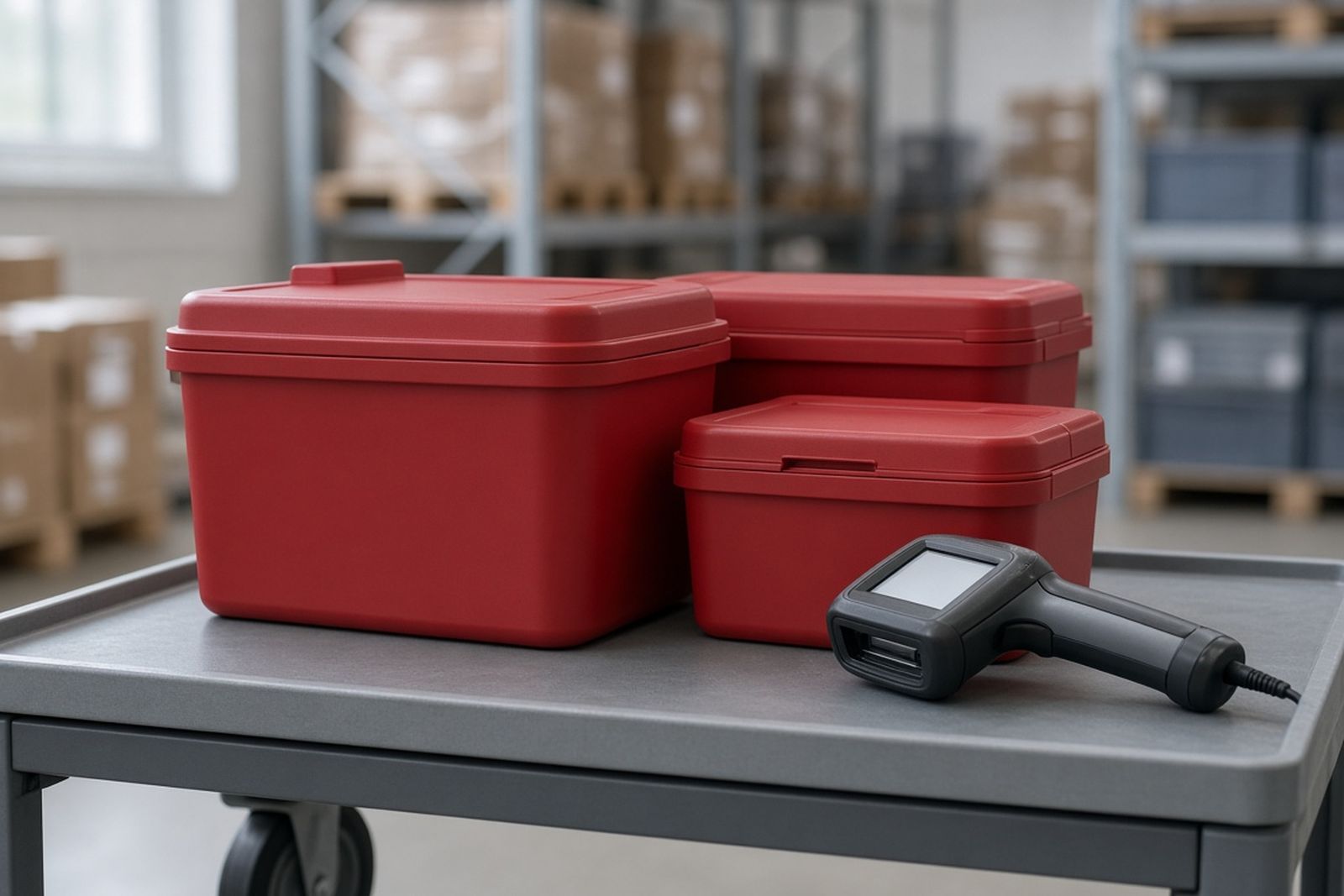
See how medical waste hauling works, from packing and shipping records to permitted treatment, before you sign with a hauler.
Costs explained
What drives the price, published cost ranges, and how to read a written quote line by line.
Insurance and payment
Which policies may respond, how to document a claim, and what to do if coverage is denied.
Community polls
See how other clinics, studios, labs, and property owners handle pickup schedules, paperwork, and hauler choices. See where opinions differ from the written rules.
Knowledge quiz
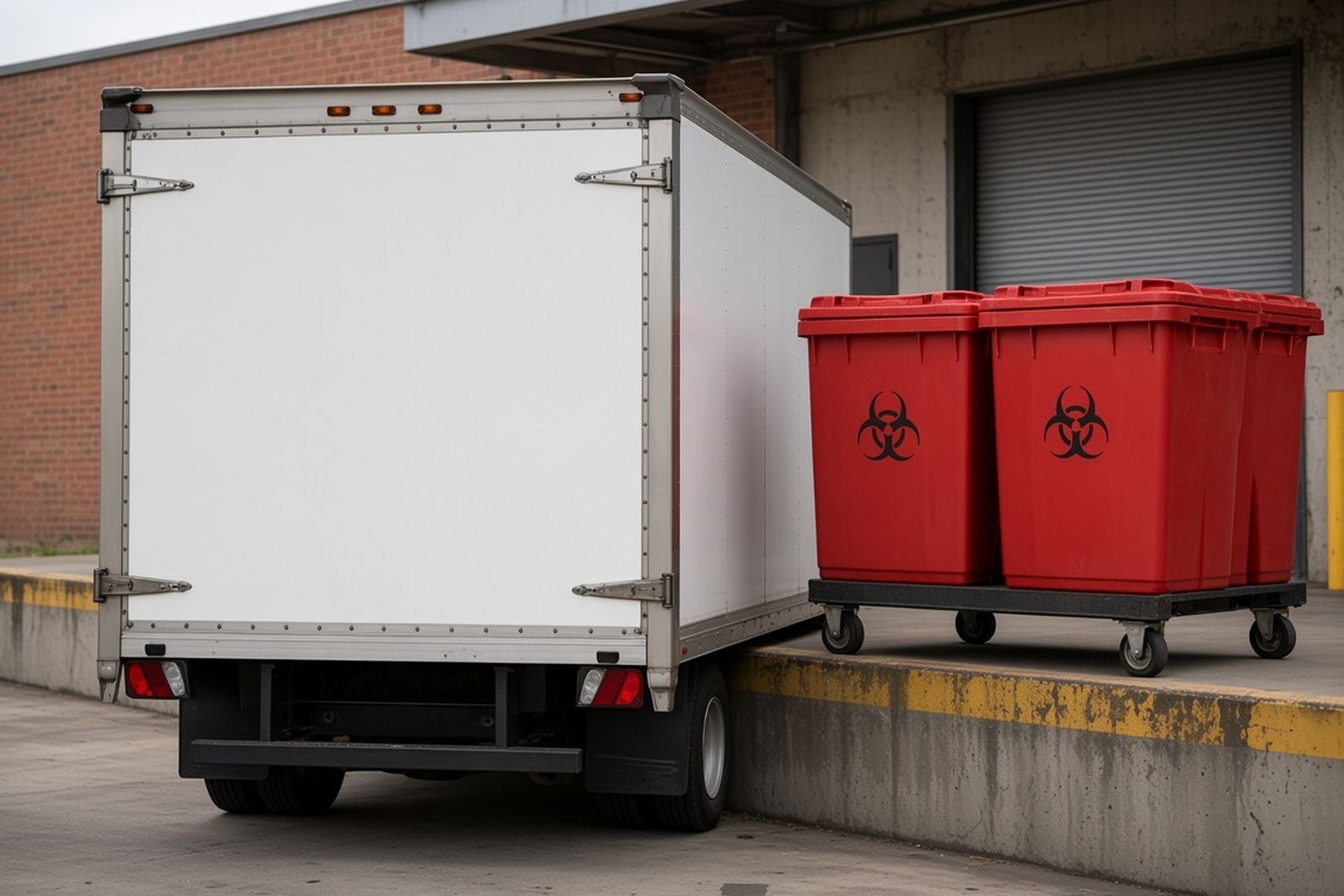
Test what you know about who is responsible, container rules, shipping records, and proof of treatment. Then review the study guide for anything you missed.
Articles and resources
Read practical articles on storage limits, mail-back programs, rejected loads, and building a waste file that holds up to an inspection or insurer audit.