Drug Paraphernalia Cleanup: Costs & Insurance
What drug paraphernalia cleanup costs, how to compare estimates, and how insurance usually works. Coverage depends on your policy, so ask your insurer early.
This group explains what drives the price of drug debris cleanup and how insurance may apply. Posts cover what shapes an estimate. That includes how cluttered the space is and how many rooms and pieces of furniture must be searched. It includes whether soft items must be thrown out, fees for needle containers and hauling, and whether lab testing is advised. You will also read how to compare low and high bids. You will learn why a turnover cleaning and a residue cleanup are priced differently, and how landlord and auto policies may treat this kind of loss. Fleet owners will find notes on how business auto policies may differ.
Get an email reply about drug paraphernalia cleanup
Send a short message to the follow-up inbox. A coordinator can reply by email. This form does not send emergency help; call 911 first if anyone is in danger.
Cost questions matter because bids for this work can differ widely. It depends on what each company assumes the job includes. A low bid may cover hauling but not a careful needle search. A high one may add testing you do not need. Knowing what each line covers lets you compare offers fairly. Knowing how your policy defines covered causes of loss helps you talk clearly with your insurer, since no company can promise how a claim will turn out. Posts also explain how to ask for a quote in phases. That way needle removal and cleaning can go ahead while any testing choice is still open.
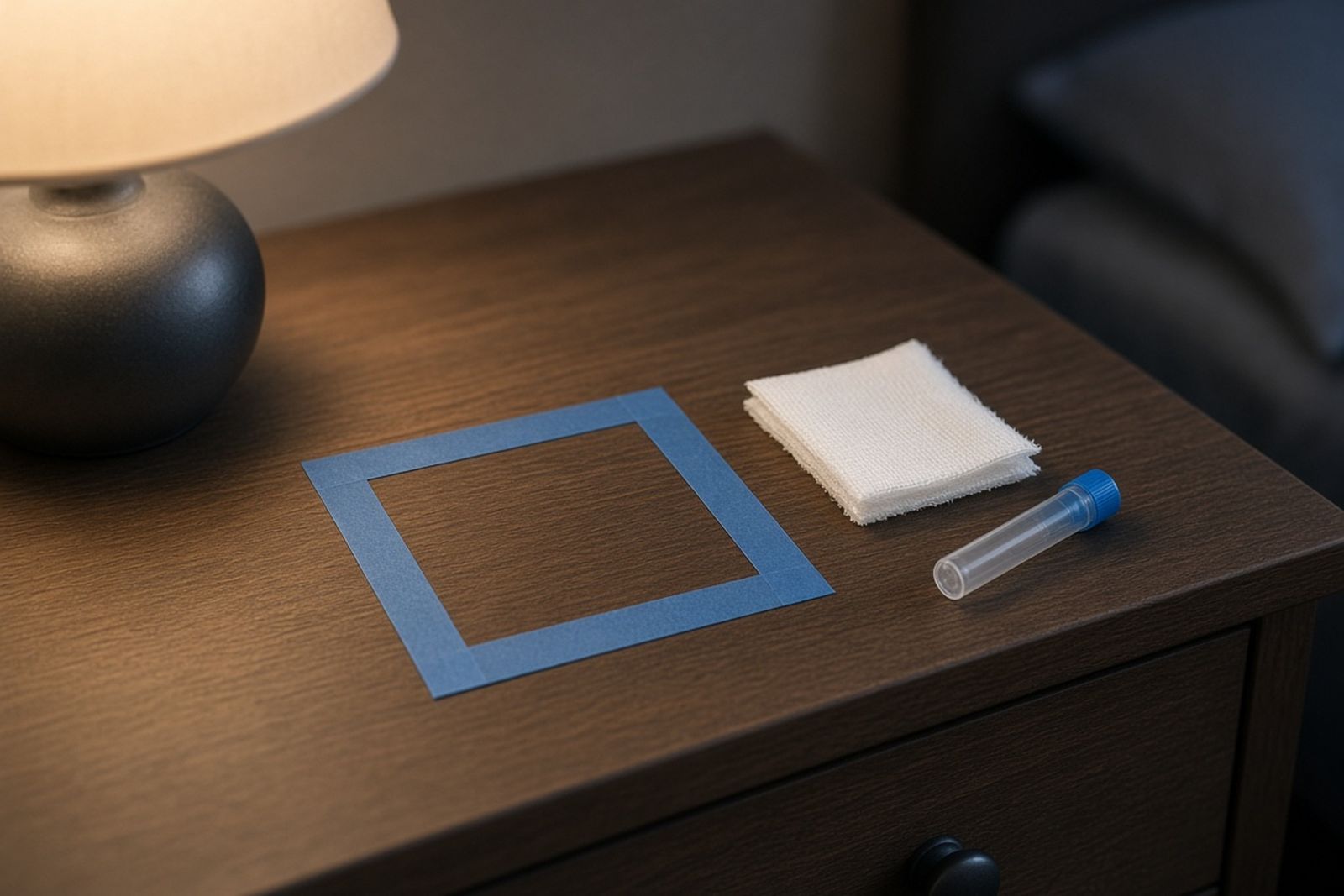
What Drives Drug Paraphernalia Cleanup Cost?
Why does one cleanup of drug items cost far more than another? See how the needle count, residue testing, smoke film, and disposal shape your quote.
The cost depends mostly on what was found and how far it spread. A few pipes and sheets of foil in one room is a short debris job. Loose syringes, unknown powders, months of smoke residue on walls and vents, or a need for lab testing all add labor, protective gear, disposal fees, and time. Ask for a quote that lists each cost and explains it.
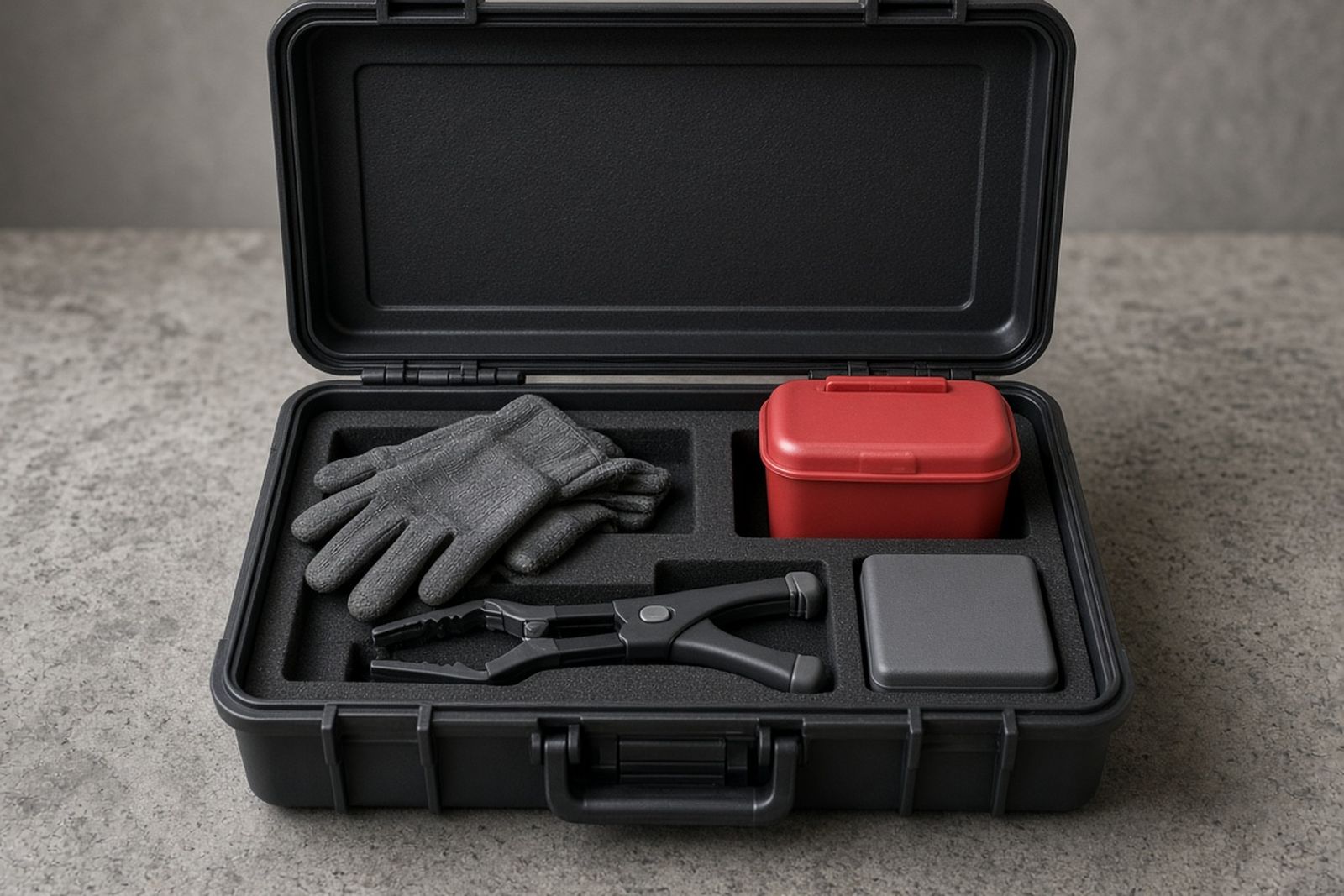
Does Homeowners Insurance Cover Drug Paraphernalia Cleanup?
Found pipes, foil, or syringes in a unit or home? Learn how a homeowners or landlord policy may treat the cleanup, and what to record before anyone cleans.
Sometimes, but rarely for the debris alone. Most homeowners and landlord policies are built around sudden physical loss, so a pile of pipes and foil is often treated as upkeep. Coverage is more likely when drug use caused real damage, such as a fire, burned surfaces, or residue tied to vandalism by someone else. Read your policy, take photos before cleaning, and ask your agent in writing.

How to Compare Low and High Drug Paraphernalia Cleanup Bids
Quotes for cleaning up drug items vary with the needle search, residue cleaning, testing, and removal of soft goods. Learn how to line up your quotes and see what each one covers.
To compare a low bid and a high bid, have each company describe the same work. That means the rooms covered, how needles are searched for, how residue is cleaned, which soft goods go, whether testing is included, where waste goes, and what records you get. A low bid can be fair if the work matches. A high bid should name its added steps and say why your property needs them.
Facts worth knowing
In 2024, OSHA's top fines were $16,550 for each serious violation and $165,514 for each willful or repeated one.
Why it matters: If you have your own staff clean up blood or chemicals without required training and gear, you may face fines like these.
One January 2025 cost guide puts the average U.S. biohazard cleanup at about $4,000, usually $3,000 to $5,000, with extremes from $1,500 to $25,000.
Why it matters: Use this range to sanity-check a quote, but expect your price to depend on the size of the job and local rates.
Employers must offer the hepatitis B vaccine within 10 working days of putting an employee in a job with exposure to blood.
Why it matters: Before asking your own employees to clean up blood, check whether this duty and other OSHA rules apply to you.
Costs & Insurance: common questions
Will landlord insurance cover paraphernalia cleanup after a tenant leaves?
Coverage depends on the policy and what caused the damage. Some landlord policies pay for vandalism or harmful damage by a tenant. Others exclude wear and tear or acts done on purpose. Photograph the conditions before anything is moved. Call your insurer to describe what happened. If you can, get a claim number before cleanup begins.
Why does laboratory sampling add so much to the cost?
Testing needs trained sample taking, paperwork that tracks who handled each sample, and analysis by an accredited lab. The results may also lead to more cleaning and more testing. Not every drug debris job needs it. Ask the company what specific finding makes testing worth it in your case. Ask how the results would change the job.
Can I recover cleanup costs from a former tenant?
Depending on your lease and state law, you may be able to use a security deposit. You may also be able to seek payment for damage beyond normal wear and tear. Keep detailed photos, bills, and the company's report. A local landlord group or lawyer can explain what is allowed and how to go about it where you are.
Are sharps disposal fees usually listed separately?
Often, yes. Sharps containers and disposal through a licensed route cost money, and many companies list them as their own line, sometimes per container. Others fold them into labor. Either approach is fine as long as the cost is disclosed. A quote with no mention of sharps disposal on a job where needles were found deserves a follow-up question before you sign.
Should I get more than one estimate when insurance may be paying?
It is usually wise. Some carriers ask for more than one estimate, and comparing bids helps confirm that the work plan matches the documented conditions. Your insurer may suggest a company, but you generally choose who works on your property. Share each estimate with your adjuster and ask whether the carrier has concerns before you sign anything.
How does my deductible affect whether I should file a claim?
If the cleanup cost is close to or below your deductible, filing may bring little or no payment. But it still creates a claim record. Get a written estimate first. Then compare it with your deductible and any other damage, such as burned fixtures or ruined floors. Your agent can explain how the deductible works on your specific policy before you decide.
Is it cheaper to schedule a cleanup during regular business hours?
Often, yes. Many companies charge more for after-hours, weekend, or holiday work, because crews and disposal arrangements cost more at those times. If the space is secured and nobody is at risk, scheduling during regular hours can lower the bill. A business that must reopen quickly may still find after-hours work worth the premium. Ask each company how its rates change by time.
Related community polls
Vote to see how other people answered. You can change your answer at any time.
You open a vacated rental and see foil, a pipe, and one syringe. What is your first move?
Which hazard worries you most in a unit with drug debris?
More on drug paraphernalia cleanup
Drug Paraphernalia Cleanup services
See how needle pickup, residue cleaning, vehicle work, and turnover paperwork fit together, and what to expect from a company on site.
Costs explained
What drives the price, published cost ranges, and how to read a written quote line by line.
Insurance and payment
Which policies may respond, how to document a claim, and what to do if coverage is denied.
Planning tools
Work through planners, classifiers, and checklists built for rentals, motels, vehicles, and vacant homes where drug debris has been found.
Community polls
Compare your gut calls with other owners and managers on police reports, what to tell tenants, who pays, and when lab testing is worth it.
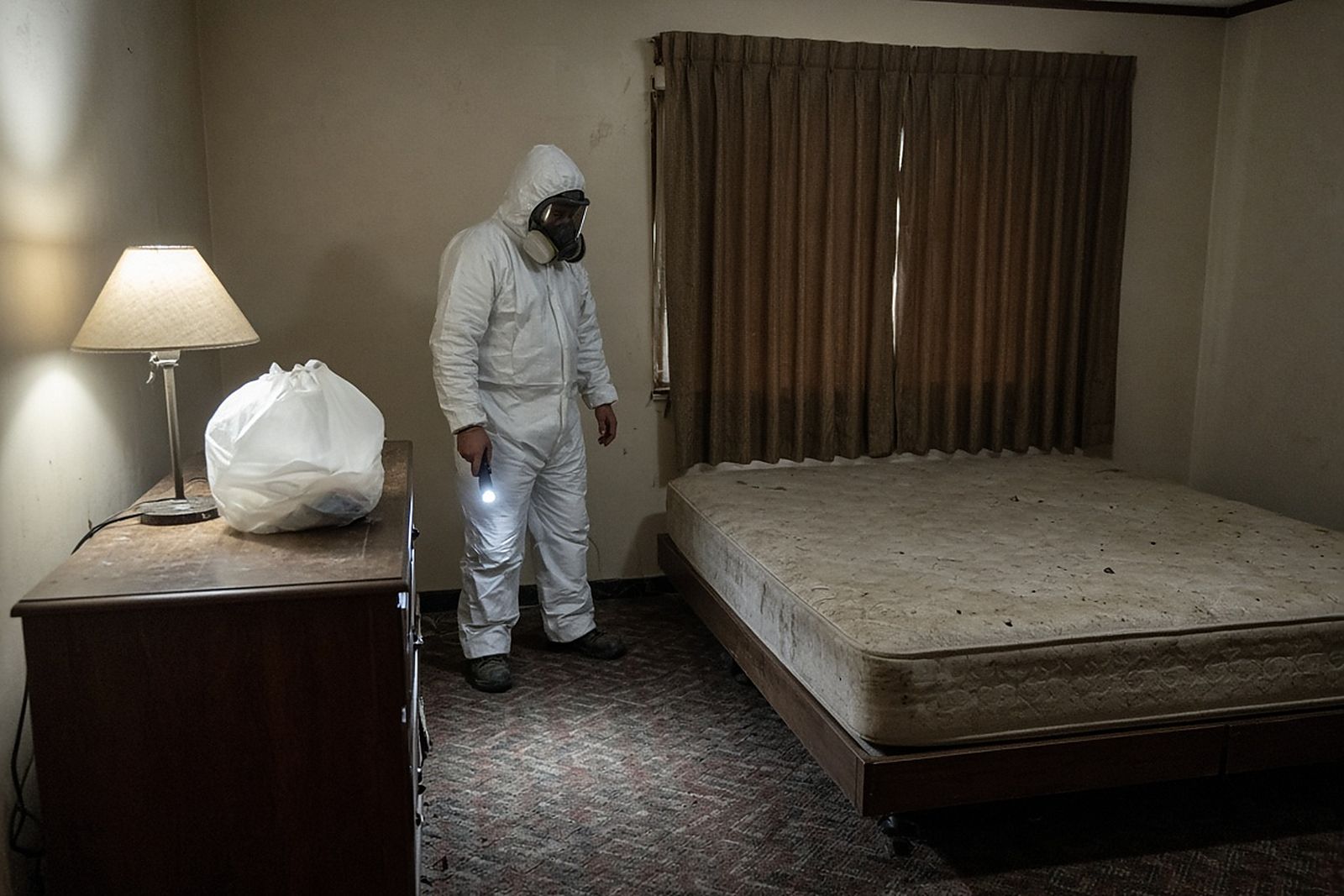
Knowledge quiz
Test whether you would make the safer call when you find foil, pipes, syringes, or unknown powder, then review the study guide.