Short answer
To compare a low bid and a high bid, have each company describe the same work. That means the rooms covered, how needles are searched for, how residue is cleaned, which soft goods go, whether testing is included, where waste goes, and what records you get. A low bid can be fair if the work matches. A high bid should name its added steps and say why your property needs them.
Why do cleanup quotes differ so much?
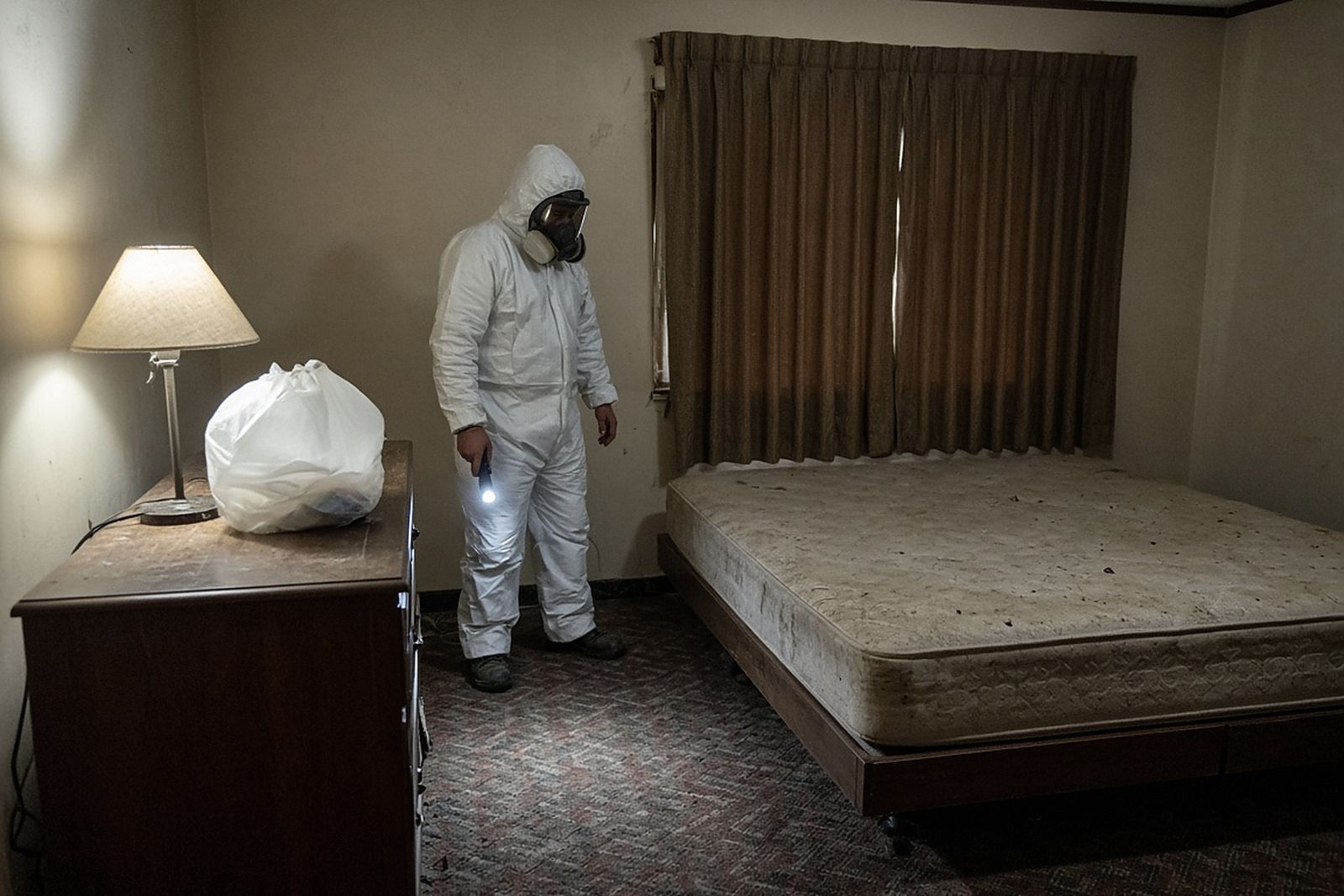
Cleaning up drug items can mean very different jobs. For one family, it means removing a few pipes and some foil from a spare bedroom. For a landlord, it might mean clearing syringes from every room of a unit and cleaning residue from walls and fixtures. It might also mean hauling out a stained mattress and carpet, then testing surfaces before the next tenant moves in.
Two companies looking at the same property may also see different jobs. One may quote a quick removal and wipe-down. Another may assume you need residue testing and deeper cleaning. Until both put their work plan in writing, you cannot tell whether you are comparing prices or comparing plans.
So put the bids side by side. Your goal is to see exactly what each one covers. Then you can decide which one gives you the right work at a fair price.
How the bid was prepared matters as well. A quote given over the phone from a short description is a guess built on assumptions. A quote prepared after a walk-through, with photos and notes about where items were found, is far more likely to hold up once work begins. When you compare, give more weight to bids based on a real look at your property.
What each bid should describe in writing
Ask every company for a written work plan that lists the work room by room. Clear bids tend to come from careful companies. Vague bids often hide gaps.
Once you have each plan, mark every line as included, left out, or unclear. Follow up on the unclear items before you look closely at the prices.
- The rooms and areas included, such as bedrooms, bathrooms, vehicles, or outdoor spaces.
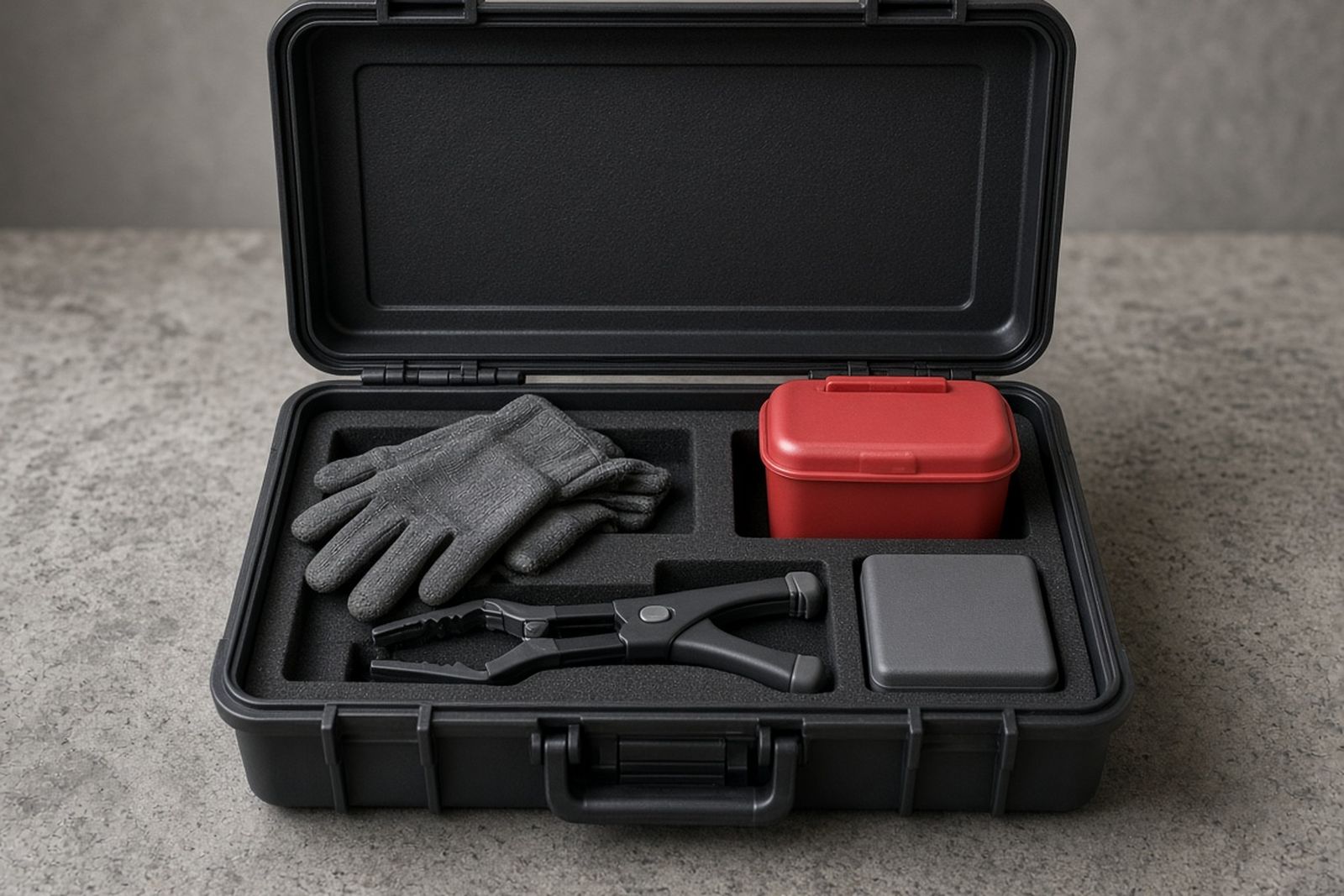
- How the crew will search for needles, especially in furniture, closets, and ceilings.
- How residue on walls, floors, and fixtures will be cleaned.
- Which soft goods will be removed, such as mattresses, carpets, or padded furniture.
- Whether any surface testing is included, and who does it.
- How needles and other waste will be disposed of.
- What records you will get at the end.
When a lower bid is reasonable
A lower bid is not a problem on its own. A small, clear job, like removing a handful of items from one room with no signs of heavy use, simply takes less time. A company with crews already nearby may have lower travel costs. Some companies also work more efficiently than others.
The key question is whether the lower bid includes the same basic steps. It should still cover a careful needle search and proper needle containers, often called sharps containers. It should still cover residue cleaning with a method you can understand, and lawful disposal.
A low bid becomes a problem when the savings come from skipped work. Common shortcuts include a quick look around in place of a careful search, or wiping residue around without removing it. Others are leaving contaminated soft goods behind or tossing needles in the regular trash. Any of these can leave you with a property that is not ready for the next person.
Ask a low bidder how it would handle a surprise. That could be a bag of syringes inside a wall vent, or residue that covers more surfaces than expected. A fair company will stop, show you what it found, and price the extra work before going on. It will not quietly add it to the final invoice.
When a higher bid earns its price
A higher bid should point to specific added steps that have clear value. One example is removing badly contaminated carpet and pad. Another is cleaning the heating and cooling vents in a unit where people smoked drugs. Others are detailed searches of ceilings and wall spaces where items were hidden, or surface testing before and after cleaning.
These extras can make sense if you are a landlord or a seller, or if you need to show that a unit was properly cleaned before the next person moves in. They are harder to justify for a small, contained job.
Watch for extras that are vague or have nothing to do with your situation. "Full decontamination package" or "hospital-grade treatment" without details is not a work plan. Ask what each added item does, and why your property needs it.
It is also fair to ask a higher bidder which of its added items are optional. Some companies will gladly split a package into required steps and recommended steps. That lets you pay for the basics now and decide on the extras once you see the results.
How does residue testing affect the comparison?
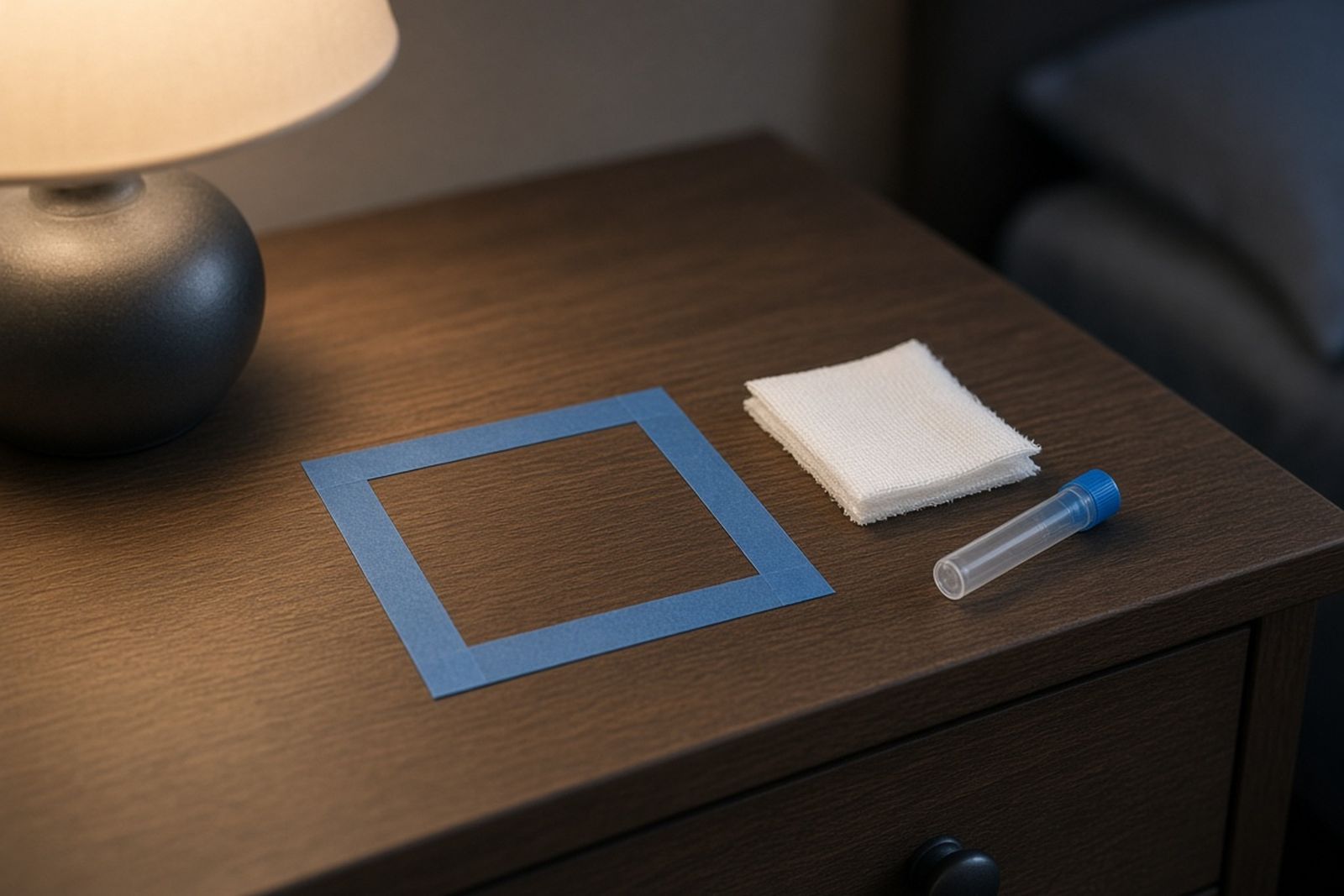
Testing is one of the biggest reasons prices differ, and one of the least understood. Some bids include wiping surfaces before and after cleaning and sending the wipes to a lab, to show whether drug residue remains. Others include no testing at all.
Standards are still limited. Most published cleanup values were written for former drug labs, not for rooms where drugs were used. That leaves each company to decide what it will measure and what result it will accept.
If a bid includes testing, ask who does it and which lab checks the samples. Ask what result the company accepts and why. A company that can name the reference value it uses, and where that value comes from, is giving you something you can check.
Soft goods and other absorbent materials
Mattresses, padded furniture, carpet, and curtains can hold needles, blood, and residue in ways that are hard to clean fully. Bids often differ on how many of these items the company plans to remove.
One company may plan to clean a sofa. Another may plan to remove it. Neither is right by default. Ask each bidder why it made that choice. A clear answer might mention visible blood, needles found inside cushions, heavy residue, or burn marks. All of these make removal the wiser choice.
If you have belongings you want to keep, say so early. A good company will explain which items can fairly be cleaned and which carry too much risk, so you can make the call with full information.
Hard surfaces generally clean well with detergent and scrubbing. Soft, absorbent materials hold what soaks into them. That simple rule explains most of the differences you will see between bids on this point. It also gives you a fair way to judge each company's reasoning.
Disposal records, privacy, and timing
Needles and items with blood on them should go to proper disposal, not a dumpster. That costs money, and an honest bid includes it. If a quote has no disposal costs and the company cannot tell you where the needles will go, ask more questions.
Records protect you. A simple end-of-job report gives you something for your files. It should list the rooms cleaned, the items removed, the needles collected, where the waste went, and any test results. If you are a landlord, that record can help if a future tenant raises concerns.
Privacy is part of the value too. Many of these cleanups follow a death, an arrest, an eviction, or a family member entering treatment. A company that uses unmarked vehicles when you ask, and speaks with respect about the people involved, is worth a close look.
Timing can matter as much as price. If a unit must be ready for a new tenant, or your home is going on the market, ask each bidder when it can start and how long the work will take. A slightly higher bid from a company that can start soon may cost you less overall than a cheaper one that leaves the property sitting empty.
Three typical bids, side by side
Picture a unit with syringes in two rooms, burned foil in the kitchen, and stained carpet. When several companies bid on a unit like that, the quotes tend to fall into three levels.
The lowest level covers picking up visible items and a general cleaning. It says nothing about needle disposal or searching inside furniture. The middle level includes a room-by-room needle search with tools, and removal of the mattress and stained carpet. It also covers detergent cleaning of hard surfaces and fixtures, licensed needle disposal, and a written report. The top level adds surface testing before and after cleaning, and often extras such as duct cleaning.
Lined up this way, the lowest level usually skips key steps, and the middle level covers the real hazards. Whether the top level's extras are worth it depends on your situation. Testing can help if you want to reassure the next tenant or buyer. Duct cleaning makes little sense without signs of smoking. Often the wisest mix is to ask the middle bidder to price after-cleaning testing as an add-on.
Final questions before you sign
Before you sign, ask a few last questions and get the answers in writing. They help confirm that you are comparing equal work and that the company will stand behind it.
A company that answers these questions clearly, and without pressure, is usually the one that will do careful work.
- If I showed you another company's work plan, what would you charge for that work?
- What happens if needles are found after you finish?
- Can I see a sample end-of-job report?
- Who does any testing, and what result counts as acceptable?
- Where will the needles and contaminated items be disposed of?