Feces & Bodily Fluid Cleanup: Industry Insights
How feces & bodily fluid cleanup companies work, how homes and businesses differ, and what new tools can and cannot do.
This category looks at how waste and fluid cleanup has changed and where it is heading. The articles trace the shift away from deodorizing and shampooing. Newer methods check for moisture, remove materials based on the water category, and keep records of disinfectant use. Posts for property managers cover move-out steps, talking with tenants, and keeping records that hold up in deposit disputes. Others compare home jobs with business jobs in restaurants, schools, and care centers. They walk through an example of building a solid work plan. They also look at the environmental side of the work, such as using fewer chemicals and keeping usable materials out of landfills.
Get an email reply about feces & bodily fluid cleanup
Send a short message to the follow-up inbox. A coordinator can reply by email. This form does not send emergency help; call 911 first if anyone is in danger.
These views help you see your own job in context. Knowing what current practice looks like makes it easier to spot an outdated approach. One example is a crew that plans to shampoo sewage-soaked carpet. It also helps you set fair expectations for a company. Property managers can use the articles to write move-out steps that keep maintenance staff out of harm's way. Owners of restaurants, gyms, or offices can see how public-facing businesses balance the push to reopen with careful work. The environmental posts explain why a company might suggest cleaning a hard surface instead of replacing it. They also show how smart disposal choices can cut waste without cutting corners on safety.
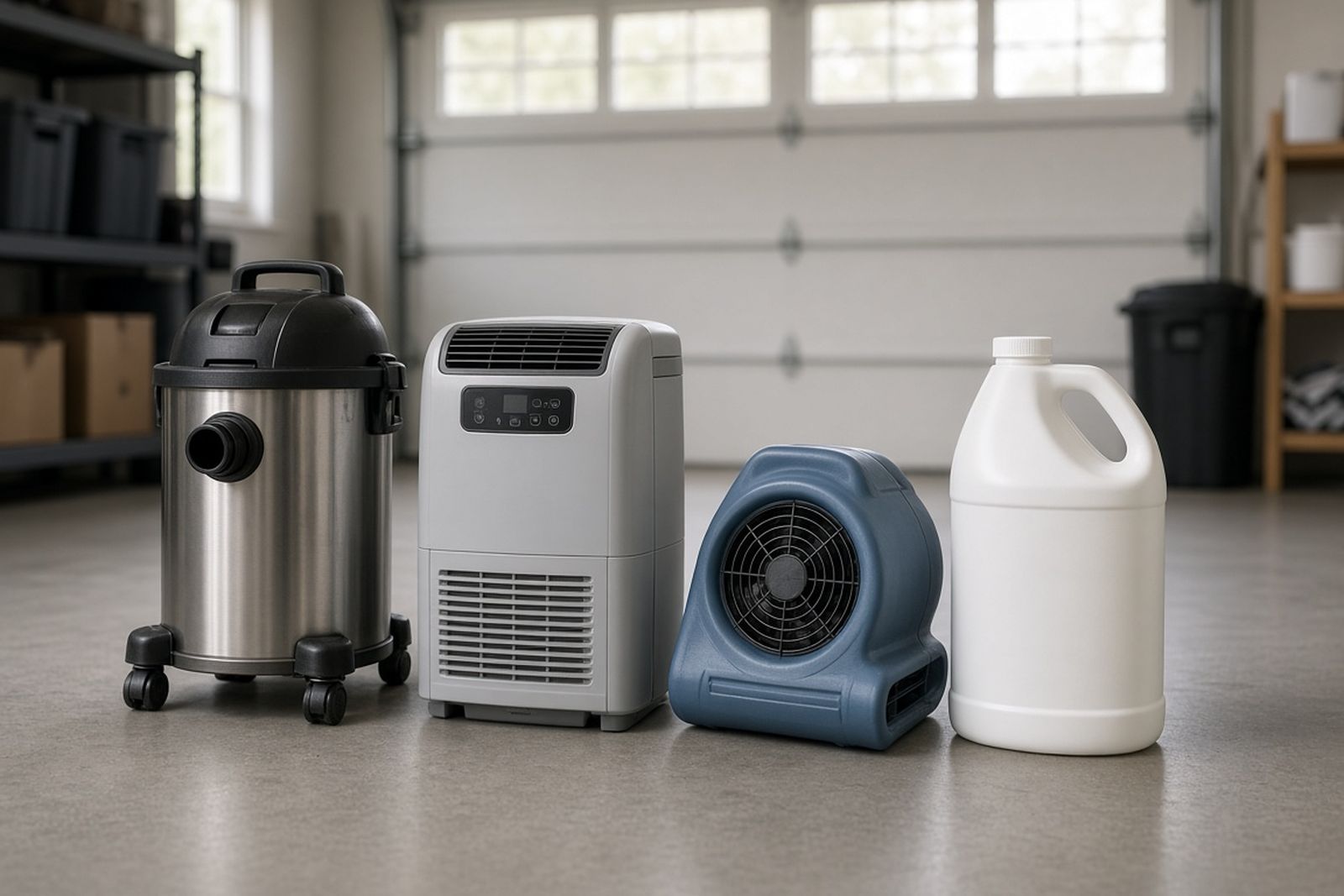
How Feces & Bodily Fluid Cleanup Practice Has Changed
Sewage and human waste cleanup has changed. It moved from a mop and bleach to moisture checks, better disinfectants, worker protection, and written proof for you.
Sewage and body fluid cleanup used to mean scrubbing surfaces with lots of bleach. Today it follows a set process. Dirty water is treated as its own category. Crews check for moisture behind walls and under floors and remove soaked soft materials. They choose disinfectants proven against specific germs and protect workers from germs and gases. They record the results for you, your insurer, and inspectors. The goal is the same. The methods are far more careful.
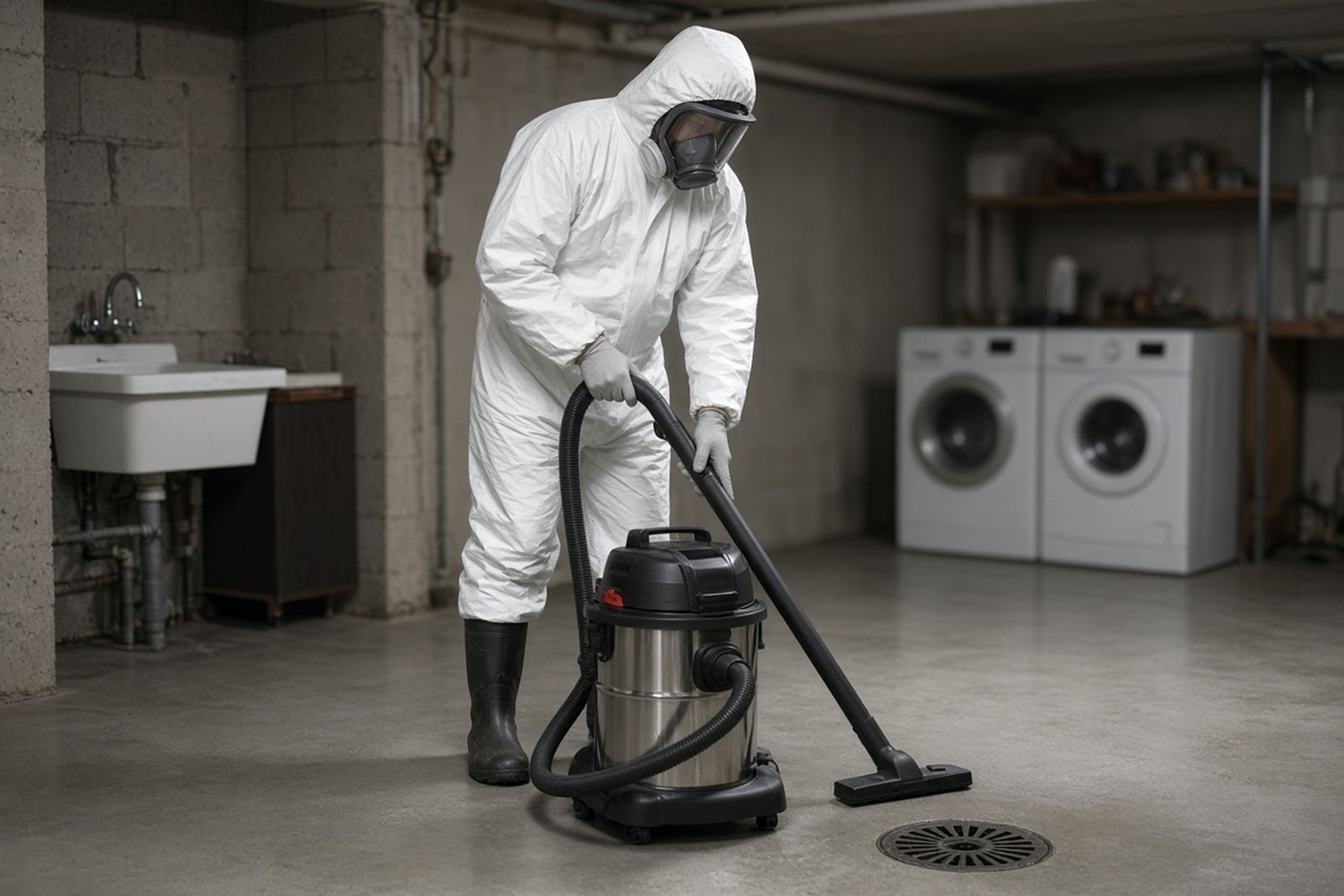
Feces & Bodily Fluid Cleanup for Property Managers: What You Need to Know
A sewage backup or a unit soaked with waste tests every part of your job as a property manager. Here is how to set who decides, what tenants hear, and when they return.
When sewage, feces, or other body fluids soil a unit or shared area, you need to decide four things fast. Who approves the work? Which spaces are closed? How are tenants told? What written condition lets people move back in? Hire a company that puts its plan and its checks in writing. Keep records of everything for the owner and the insurance company. Confirm your local rules on livable housing before you promise any dates.
Feces & Bodily Fluid Cleanup Planning Example: Building a Defensible Scope
Follow a hypothetical basement sewage backup from the first call to the final report. See how each line of your cleanup work plan can be explained and checked.
A solid work plan for feces or body fluid cleanup tells you why each step is there, what proof backs it, and how you will know it is done. It names the source and how dirty the water is. It maps the affected area. It lists what is removed and what is cleaned. It names the disinfectant and how long it stays wet. It covers waste handling and sets a written condition for moving back in.
Commercial vs Residential Feces & Bodily Fluid Cleanup
A sewage backup in a restaurant and a toilet overflow in your home need different plans. Here is how access, staff duties, closed time, and paperwork differ.
Feces and body fluid cleanup follows the same steps in a business and in a home. The crew blocks off the area, removes soft materials that cannot be saved, cleans, disinfects, dries, and checks the result. What differs is who is in charge, which rules apply, how many people are at risk, how closed time is handled, and what records you need. A business faces more rules and time pressure. At home, you face more personal choices about belongings.
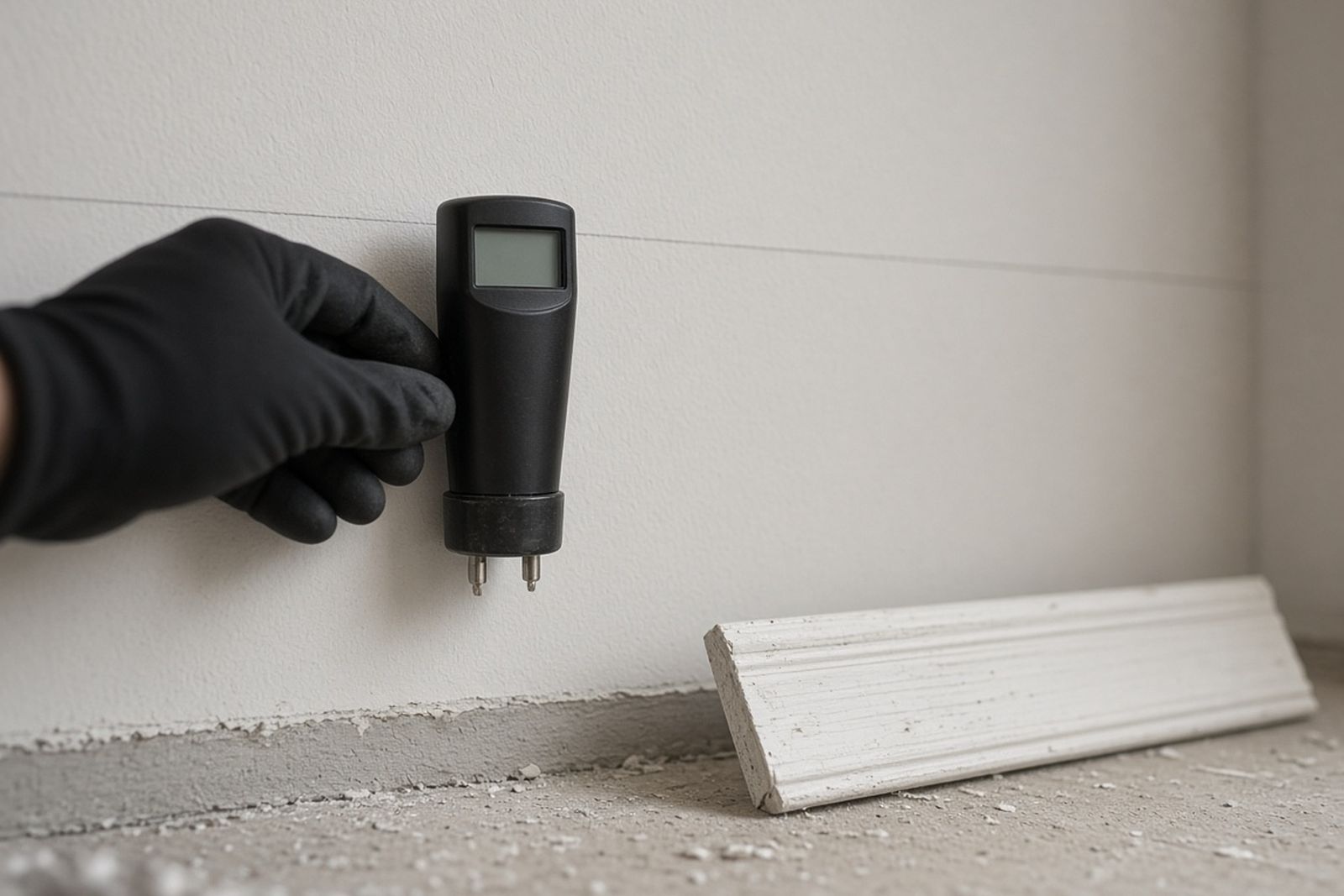
Environmental Responsibility in Feces & Bodily Fluid Cleanup
Sewage cleanup can send dirty water, chemicals, and debris where they do not belong. Learn how a careful company limits runoff, waste, and overuse at your home.
A cleanup that is kind to the environment keeps dirty water out of storm drains. It uses the least disinfectant that still meets the label and skips fogging that is not needed. It saves hard materials that can be cleaned. It sends debris and wastewater only where local rules allow. This protects your neighbors, local waterways, and the people in your home. It does not cut corners on the health risks that make removal necessary.
Facts worth knowing
A research review found norovirus can last on dry surfaces from 8 hours to 7 days, and rotavirus from 6 to 60 days.
Why it matters: Do not assume a dried mess is safe; you should disinfect the area even if you get to it days later.
Source: BMC Infectious Diseases (Kramer, Schwebke & Kampf), 2006
CDC says C. difficile spores can survive for months or years on surfaces and in soil.
Why it matters: If someone in your home had C. diff, ask for a disinfectant proven to kill its spores, because many products do not.
A federal safety agency rates the "rotten egg" gas from sewage as immediately dangerous at 100 ppm, and 700 to 1,000 ppm causes rapid unconsciousness and death.
Why it matters: Do not trust your nose in a sewage-filled space; you can stop smelling the gas as the danger rises, so get out.
Industry Insights: common questions
How has sewage cleanup practice changed over time?
Older methods often relied on shampooing and strong deodorizers. Today's practice focuses on finding the water category and measuring moisture past visible stains. It means removing soft materials that cannot be saved. It also means keeping records of products and disposal. Those changes came from cleanup standards, disinfectant label rules, and insurers' demands for records.
What should property managers build into their move-out steps?
Include steps for photographing units at move-out. Keep maintenance staff from handling waste without the right gear. Call a qualified company when needed. Store work plans and disposal records in the unit file. Clear written steps protect staff and speed up move-outs. They also back up any deposit deduction if a former tenant later disputes the charges.
How is business waste cleanup different from home cleanup?
Business jobs often involve worker safety programs, public health inspections, and pressure to reopen fast, as in restaurants or schools. Home jobs center on household health, being forced out of the home, and insurance. Both need the same basic order of removal, cleaning, disinfecting, and checking the results. Both should be recorded in a written plan.
Why are more companies offering documentation packages?
Owners, insurers, landlords, and buyers more and more want proof of what was done. Photos, moisture logs, product records, and disposal notes help settle claims, disputes, and questions during a sale. Companies that offer clear records stand out, and many customers now ask for them by name. Ask what your company's final paperwork packet includes before you hire it.
How is the industry responding to concerns about chemical use?
Many companies now choose targeted disinfectants over heavy use of harsh chemicals. They pay more attention to label directions, contact times, and airflow. Some offer milder products when they fit the job. Customers can help by asking which products will be used, why, and how the company limits needless chemical exposure.
Why do some cleanup companies focus on waste and fluids while others do general restoration?
Waste and fluid work carries specific hazards, emotional sensitivities, and documentation needs. Some companies focus on it to build expertise and handle discreet or complex cases. General restoration firms may do it alongside fire and water damage. Either can do good work, but ask how much of the company's work involves situations like yours.
How has caregiving at home changed the demand for waste cleanup services?
More people are caring for aging parents or relatives with health problems at home. That means more families face repeat accidents or long-term messes. Some companies now offer private, repeat services or advice on prevention. Families benefit from knowing when routine cleaning is enough and when pro help makes sense.
Related community polls
Vote to see how other people answered. You can change your answer at any time.
When you discovered a sewage backup or waste problem at home, what did you do first?
How did you decide whether soaked carpet could be saved?
More on feces & bodily fluid cleanup
Feces & Bodily Fluid Cleanup services
See how pro cleanup of sewage, waste, and soaked materials really works in homes and rentals. Learn about moisture checks, removing materials, and records.
Costs explained
What drives the price, published cost ranges, and how to read a written quote line by line.
Insurance and payment
Which policies may respond, how to document a claim, and what to do if coverage is denied.
Planning tools
Use hands-on tools to see cost drivers, check a company, organize a claim, plan the first day, sort debris, and weigh doing it yourself.
Community polls
See how other homeowners, landlords, and caregivers handled sewage backups and waste messes. Compare their choices with the one in front of you.
Knowledge quiz
Test what you know before you call a company or start cleanup. Learn to spot hazards, keep a mess in one place, clean in the right order, and deal with waste.
Field guides
Step-by-step guides walk through common home situations. They explain what to expect, what to record, and which choices depend on local rules.