Feces & Bodily Fluid Cleanup planning tools
Work through cost, hiring, insurance, first steps and disposal at your own pace.
The tools on this page are built for the moment you stand in a doorway trying to decide what to do. You may be facing a sewage backup, a unit a tenant left in bad shape, or flooring that has soaked up urine for months. Each tool takes a few facts you can gather yourself and turns them into something clear. It might be a cost range and the reasons behind it, or a list of questions to ask a company. It might be a plan for the next day, or a sense of how risky it would be to do the job alone. They give you solid footing before you make calls. They do not replace an on-site inspection.
Get an email reply about feces & bodily fluid cleanup
Send a short message to the follow-up inbox. A coordinator can reply by email. This form does not send emergency help; call 911 first if anyone is in danger.
Choose a tool
Each tool is free and private: nothing you type is saved or sent anywhere. Use the results to get ready for a visit from a cleanup company or a call with your insurer.

Cost Range Estimator
Set the affected area, surface types, severity and extras to see a rough cost range and what pushes it up or down.
Open tool
Company Vetting Checklist
Fifteen questions to ask any cleanup company, a score that shows how ready you are to hire, and a list of what is still unanswered.
Open tool
Insurance Claim Organizer
A guided checklist from finding the policy to tracking the insurer’s decision, with a printable summary of where the claim stands.
Open tool
First 24 Hours Planner
Tell the planner a few facts about the situation and get an ordered list of who to call, what not to touch, and what to photograph.
Open tool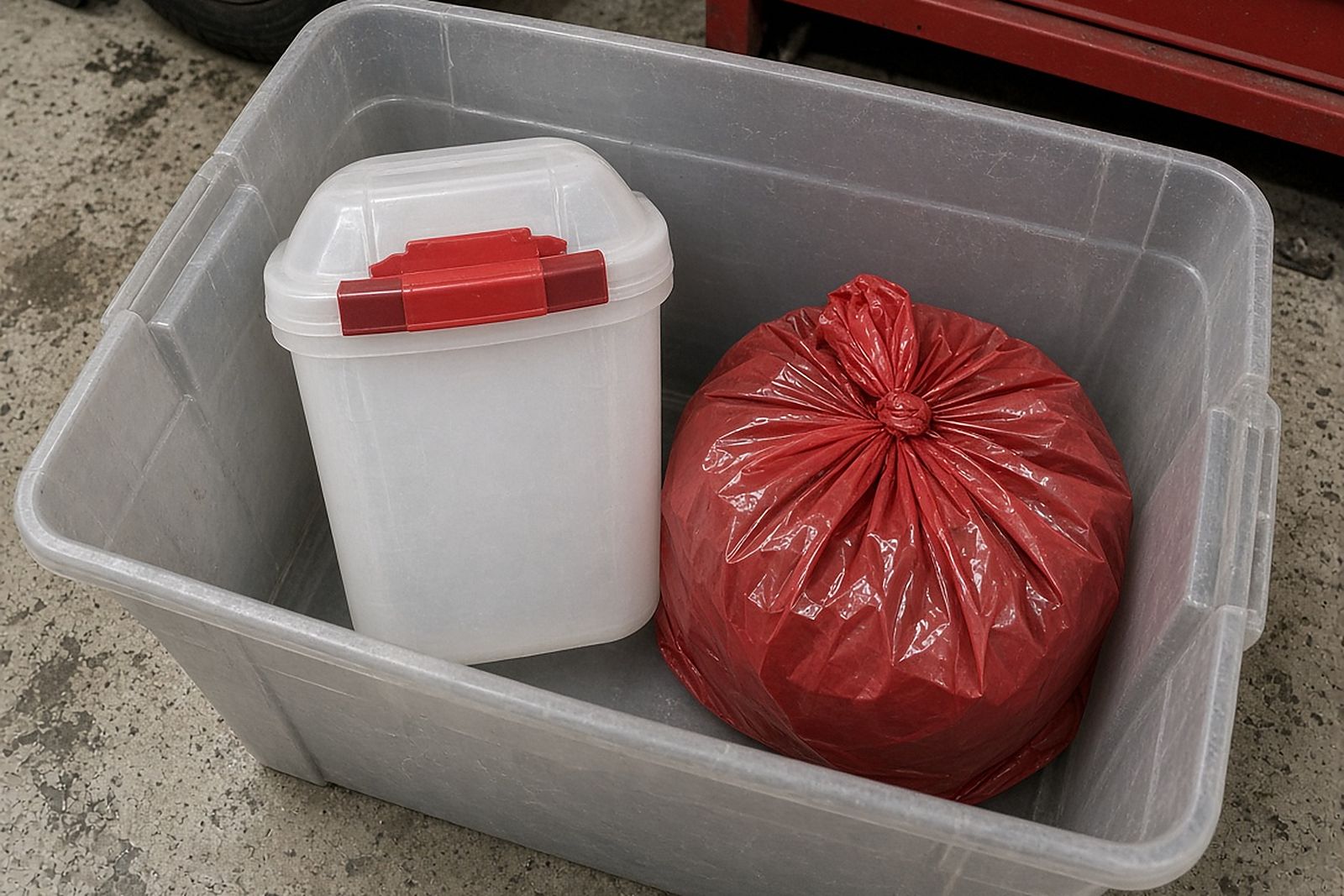
Waste & Disposal Classifier
Five questions about the material point to the likely waste category and which authority to confirm the rules with.
Open tool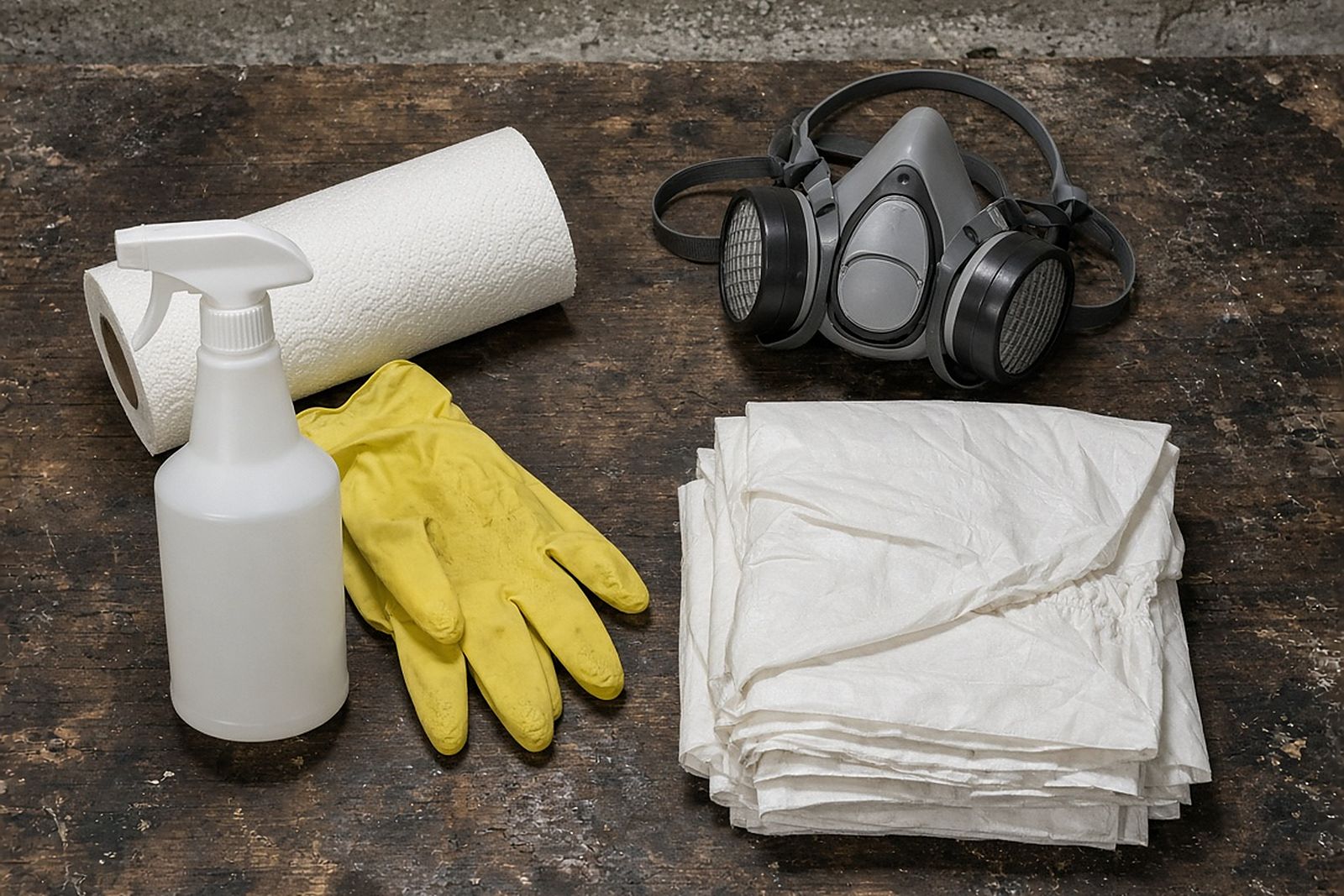
DIY or Call a Pro? Risk Check
Eight yes-or-no questions that produce a risk level and explain when professional help is the safer choice.
Open toolKnowledge quiz
A short quiz with an explanation for every answer, so you can check what you know before you make decisions.
Take the quizHow these tools fit feces & bodily fluid cleanup
Use them in whatever order fits your situation. If nobody has gone into the affected rooms yet, start with the first-hours planner and the DIY risk check. If a company is already coming, the vetting checklist and cost estimator will help you judge what they say. The insurance organizer is for anyone whose loss might be covered. This is especially true for sewage events that depend on policy add-ons. The waste guide is for landlords and owners who are tempted to put soaked carpet on the curb. It helps them see why that can be a problem and who to ask. Every tool keeps your answers in your browser instead of sending them anywhere.
The limits matter. None of these tools can see your property, test moisture, or read your policy. The cost estimator gives a learning range, not a quote. The waste guide names a likely category and the agency to check with, because rules vary by state and county. The DIY risk check looks at general risk factors. It cannot account for a household member's health conditions, which is a talk for a doctor. Treat every result as a draft you bring to a company, an adjuster, or a local official. Expect them to adjust it with facts the tools could not know.
Facts worth knowing
In the same lab test of eight wipes, products with the same main disinfectant ingredient did not always treat plastics the same way.
Why it matters: You may need to check each product by name against your equipment maker's list, not just its main ingredient.
Among Houston flood-cleanup participants who had no symptoms before Harvey, 59% reported new stuffy noses and 53% reported new coughing fits afterward.
Why it matters: If you get a new cough or stuffy nose during cleanup, take a break, protect your breathing, and consider seeing a doctor.
In one survey of 96 Australian nurses and midwives, staff described confusion about which disinfectant to use after a patient with an infection.
Why it matters: Ask any cleaning company which disinfectant they will use for your situation and why it works on that germ.
What other people chose
Vote to see how other people answered. You can change your answer at any time.
When you discovered a sewage backup or waste problem at home, what did you do first?
How did you decide whether soaked carpet could be saved?
Questions about the feces & bodily fluid cleanup tools
Do the tools work on a phone?
Yes. They were built for phone screens first, since most people use them while standing in the affected room or sitting in a car outside a rental. Checklists can be copied to a notes app, and summaries can be printed or saved from the share menu. Nothing requires an account or a download.
Are my answers saved anywhere?
Your answers stay on your device. Some tools remember your progress in the browser so you can come back after a phone call. But nothing is sent to the network or to any company unless you choose to copy it into a message yourself. Clearing your browser data removes everything the tools saved.
Which tool should a landlord start with?
For a unit found in bad shape at move-out, start with the first-hours planner. It helps you lock down records before anything is touched. Then use the waste guide before you remove debris. The cost estimator and vetting checklist come next, when you are ready to bring in a company. The insurance organizer applies if the cause might be a covered loss.
Can I use the cost estimator to bargain with a company?
You can use it to see why a quote is high or low. You can ask about certain cost drivers, such as removing soft materials or after-hours work. It is not a benchmark that binds anyone. A company that has inspected the subfloor knows things the estimator does not. So use it to ask better questions, not to argue about a number.
Do the tools account for my state's rules?
No. Landlord-tenant law, waste handling, and building rules vary by state and county. The tools point out where that matters instead of guessing. Each result names the type of agency to check with, such as a county solid waste office or a local housing agency. Check before you act on anything that depends on local rules.
Is there a tool for repeat accidents in a caregiving home?
The DIY risk check and the first-hours planner both include prompts for ongoing situations, not just one-time events. One example is repeated incontinence that reaches furniture. They help you decide when the buildup has gone past what household methods can handle. For hygiene routines and health questions, talk with the care team. The tools do not give medical advice.
What if the tools give conflicting guidance?
That usually means your situation sits on a line between two cases. For example, there may be a small amount of waste, but on a soft floor in a home with a baby. When that happens, go with the more careful result. Use the vetting checklist to ask a company how they would handle that exact mix. Conflicts are a sign to gather more facts, not a flaw.
More on feces & bodily fluid cleanup
Feces & Bodily Fluid Cleanup services
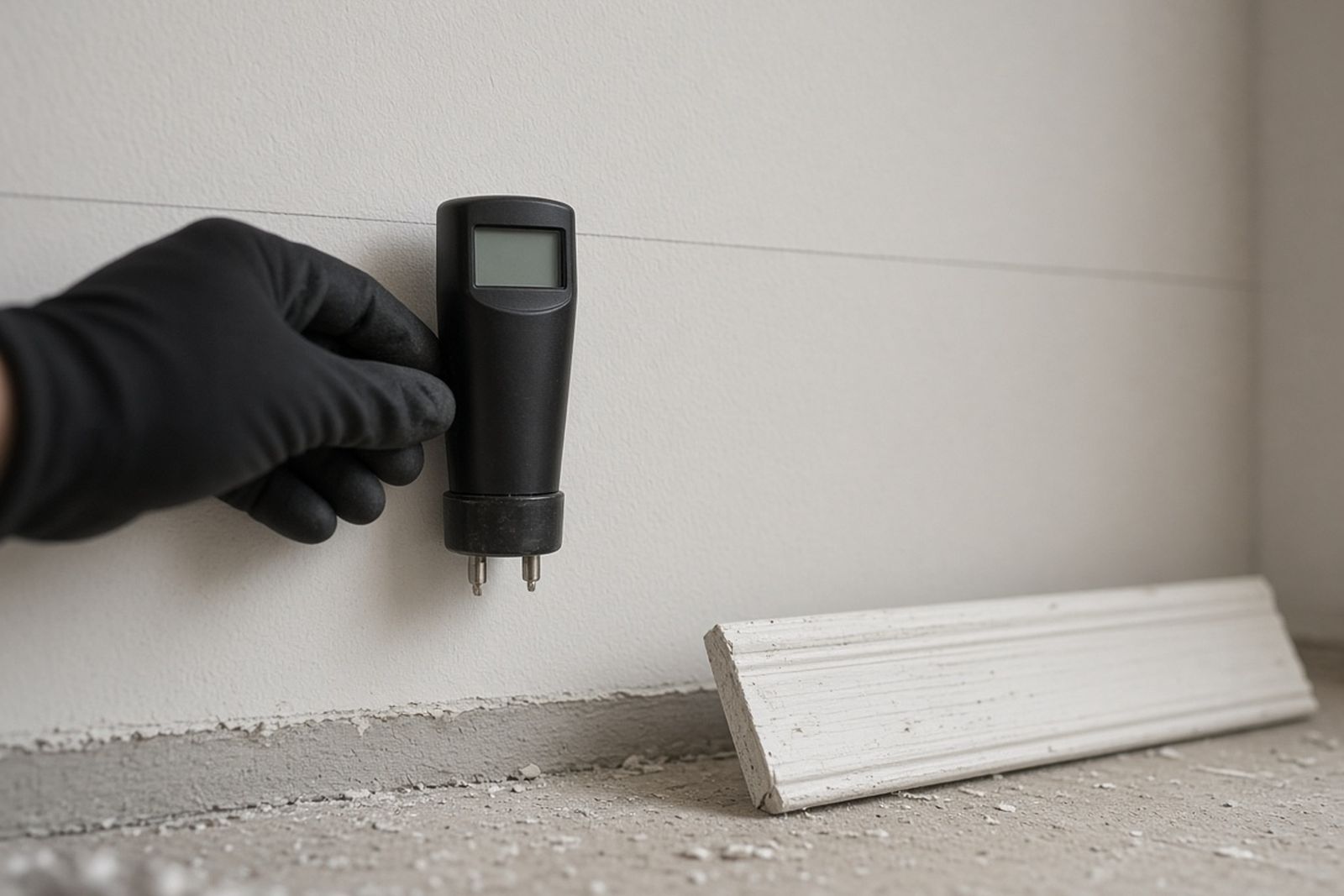
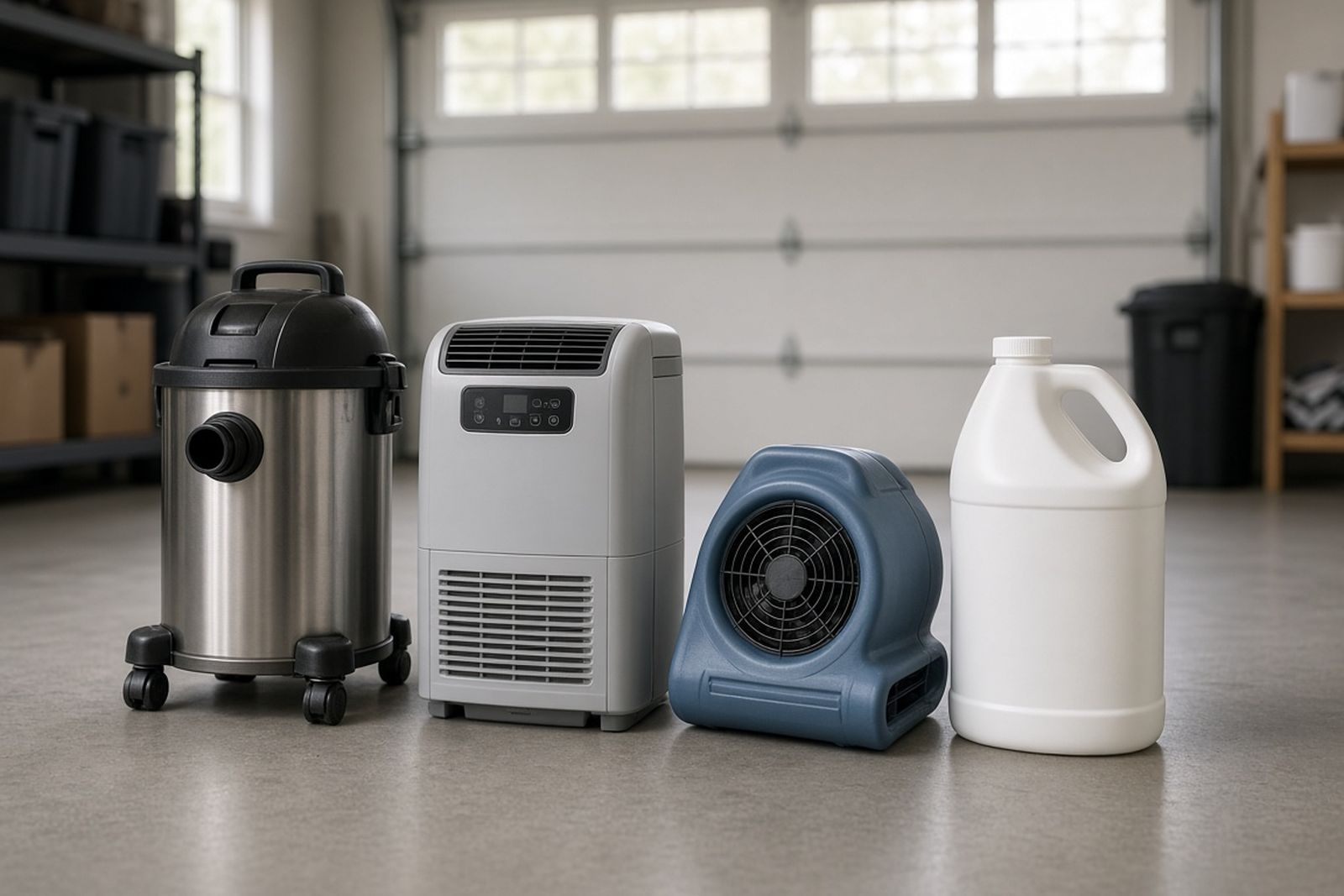
See how pro cleanup of sewage, waste, and soaked materials really works in homes and rentals. Learn about moisture checks, removing materials, and records.
Costs explained
What drives the price, published cost ranges, and how to read a written quote line by line.
Insurance and payment
Which policies may respond, how to document a claim, and what to do if coverage is denied.
Community polls
See how other homeowners, landlords, and caregivers handled sewage backups and waste messes. Compare their choices with the one in front of you.
Knowledge quiz
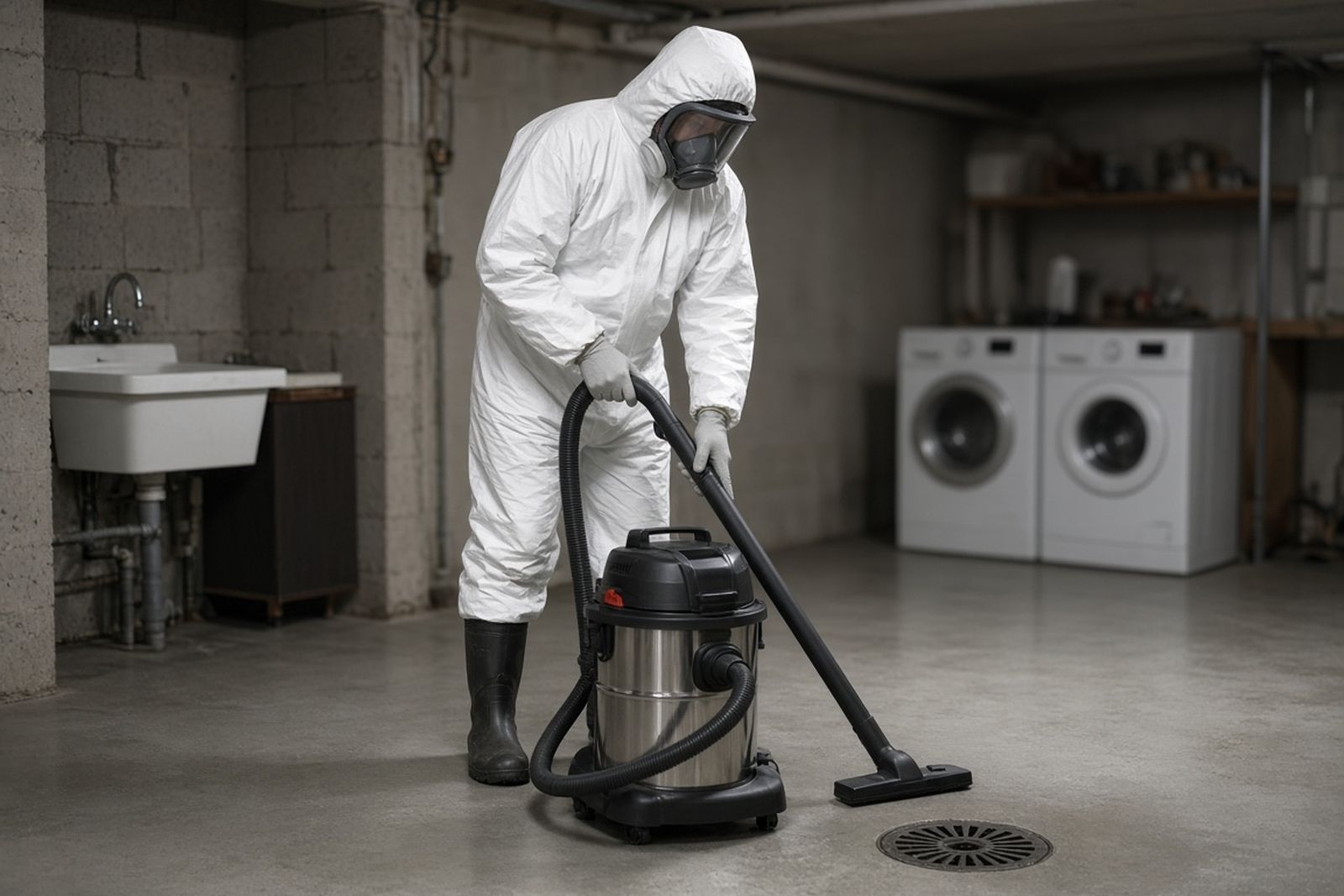
Test what you know before you call a company or start cleanup. Learn to spot hazards, keep a mess in one place, clean in the right order, and deal with waste.
Articles and resources
Read practical articles on rental move-outs, pet urine soaked into floors, accidents in elder care, and sewage claims. They are written for people facing these problems for the first time.
Field guides
Step-by-step guides walk through common home situations. They explain what to expect, what to record, and which choices depend on local rules.