Free feces & bodily fluid cleanup tool
Feces & Bodily Fluid Cleanup First 24 Hours Planner
Tell the planner a few facts about the situation and get an ordered list of who to call, what not to touch, and what to photograph.
The hours right after you find a sewage backup, a waste-filled unit, or a fluid-soaked floor are when the most avoidable mistakes happen. Someone mops, or points a fan at the mess. Dirty rugs get dragged through the kitchen. A tenant's belongings get tossed with no photos. This planner asks a few questions about your situation. Is the source stopped? Is anyone living in the space? Is there a strong odor? Might there be needles or drug items? Are pets involved? Is the property a rental? From those answers, it builds an ordered list for the coming day. It says what to do, what not to touch, who to contact, and what to photograph.
The order matters more than the speed. Stop the source and get people and pets out of the affected rooms before you call any company. Records come before cleanup. Once materials are removed, you cannot recreate the proof a landlord, insurer, or housing agency may want. The planner also points out where local rules apply. Examples are notice rules for tenants or how the county wants dirty debris handled. It tells you which agency to ask instead of guessing. It does not give medical advice. If someone has been exposed and feels unwell, that is a question for a doctor. Use the planner as a checklist you work through. Then hand the record to whoever comes next.
How to use it
- 1Answer each question about your situation honestly, including whether the source is fully stopped.
- 2Read the ordered list from the top. Finish the safety and access steps before anything else.
- 3Use the photo prompts to record every affected room before you or anyone else starts cleanup.
- 4Save or print the list and share it with a co-owner, tenant, or the company you contact.
Prefer to ask a person?
Your request is sent to the follow-up inbox. A coordinator can reply by email. Not for emergencies; call 911 first if anyone is in danger.
Plan the first 24 hours
Feces & Bodily Fluid Cleanup: first 24 hours planner
Answer a few questions and the planner orders the next steps. It does not dispatch help and cannot replace emergency services.
Your ordered plan (6 steps)
- 1
Keep people and pets out of the affected area
Close the door and keep the area sealed until a qualified provider assesses it.
- 2
Photograph from the doorway before anything moves
Take wide shots first, then closer shots of stains, damage and belongings. Do not step into the area to do it. These photos support insurance and estate records.
- 3
Report the loss to your insurer and get a claim number
Ask the adjuster whether they need to inspect before materials are removed, and whether they have a list of approved remediation providers. Coverage depends on the policy and the cause of loss.
- 4
Call a qualified remediation provider for an assessment
Describe what happened, the rooms involved, and any odor, fluids or sharps. Ask which OSHA standards apply to feces & bodily fluid cleanup and for proof of training and insurance before work starts.
- 5
Start a written log
Record who you spoke to, when, and what they said. Keep receipts for lodging, boarding, locks and any emergency purchases.
- 6
Look after the people involved
If a death or violent event is involved, victim assistance programs, hospice bereavement teams and the 988 Suicide & Crisis Lifeline can help. You do not need to manage this alone.
A worked example
Say a made-up adult daughter arrives at her father's home after he has gone into the hospital. Repeated accidents over several weeks have soaked the bedroom carpet, the recliner, and part of the hall. The odor is strong. His dog is still in the house. There is medicine and a used lancet container on the nightstand. She opens the planner and answers. The source is stopped, since nobody is home. No one is living there right now. There is a strong odor, possible needles, and a pet. It is not a rental. The list tells her to open windows without running the central air. She should move the dog to a neighbor's and stay off the bedroom carpet entirely. It prompts her to photograph the rooms from the doorway, the spots where flooring changes, and the recliner. She should note the sharps container so a company knows to plan for it. It suggests she call a cleanup company. It also suggests she call the home health agency about its own steps. She said an older relative lives there. So it reminds her the rooms must be dry and aired out before he returns. It also says the care team should be told what was done. She works through the list in an afternoon. She has a record ready before the first company calls back.
Facts worth knowing
A research review found norovirus can last on dry surfaces from 8 hours to 7 days, and rotavirus from 6 to 60 days.
Why it matters: Do not assume a dried mess is safe; you should disinfect the area even if you get to it days later.
Source: BMC Infectious Diseases (Kramer, Schwebke & Kampf), 2006
Norovirus can stay in a person's stool for two weeks or more after recovery, and CDC advises waiting at least 48 hours after symptoms stop before cooking for others.
Why it matters: Keep washing your hands carefully and cleaning the bathroom well for weeks after someone in your home was sick.
CDC says hepatitis B virus stays infectious on surfaces for at least 7 days.
Why it matters: Treat dried blood or body fluids as possibly infectious; you should avoid bare-hand contact and have the area disinfected.
First 24 Hours Planner questions for feces & bodily fluid cleanup
What should I never do in the first hours?
Do not dry-sweep dried waste. Do not run the central air or point box fans toward the mess. Do not carry soaked items through clean rooms, and do not mix cleaning chemicals. Also, do not throw out a tenant's or relative's belongings before you photograph them. Where the rules require it, give notice first. Each of those actions spreads germs or destroys proof you may need.
Who should I call first?
If sewage is still flowing, call a plumber or the utility first, depending on the source. If anyone is unwell, call a doctor. Once the source is stopped and people are safe, contact a cleanup company for an inspection. Landlords should also check the lease and state notice rules before entering a unit someone lives in. Those rules vary by state and county.
Should occupants leave the home?
The planner leans toward keeping people out of the affected rooms, not the whole house. This matters most for children and anyone with health concerns. The exception is when the odor is overwhelming or the mess covers living areas. Sealing off the rooms and stopping airflow through them is usually the practical step. A company can advise after seeing the space.
What photographs matter most?
Take wide shots from each doorway to show how far it spread. Take close-ups of the source, such as the toilet or drain. Shoot the edges where staining stops, the spots where flooring changes, and any items you plan to throw out. Include something for scale and make sure the date stamps are on. Photograph the unit below if there is one and it shows any sign of moisture.
Does the planner work for empty homes or squatter cases?
Yes, with a caution. If people lived in the property without permission, call the police before you go in. Check with the owner or a lawyer about rules for left-behind property, which vary by state. The planner will add prompts about needles, drug gear, and securing the building. Do not try any cleanup until access and authority are settled.
Can I print the plan and share it with others in the household?
Yes. Printing or sharing the plan helps everyone know who is handling what. This matters most if one person is calling the company while another cares for children, pets, or a family member who needs care. Post it somewhere easy to see, outside the affected area. Cross off steps as they are done. Then no one repeats a task or goes back into a closed room without need.
What if the problem keeps coming back during the first day?
Repeated overflow or backup usually means the cause has not been fixed. Stop all water use in the home and keep the affected area closed. Make the plumber the top priority. Tell your cleanup company the source is still active, since cleanup cannot be finished while more mess keeps coming. Record each repeat with the time and a photo for your insurance file.
Related community polls
Vote to see how other people answered. You can change your answer at any time.
When you discovered a sewage backup or waste problem at home, what did you do first?
How did you decide whether soaked carpet could be saved?
Other feces & bodily fluid cleanup tools
Cost Range Estimator
Set the affected area, surface types, severity and extras to see a rough cost range and what pushes it up or down.
OpenCompany Vetting Checklist
Fifteen questions to ask any cleanup company, a score that shows how ready you are to hire, and a list of what is still unanswered.
OpenInsurance Claim Organizer
A guided checklist from finding the policy to tracking the insurer’s decision, with a printable summary of where the claim stands.
OpenWaste & Disposal Classifier
Five questions about the material point to the likely waste category and which authority to confirm the rules with.
OpenDIY or Call a Pro? Risk Check
Eight yes-or-no questions that produce a risk level and explain when professional help is the safer choice.
OpenMore on feces & bodily fluid cleanup
Feces & Bodily Fluid Cleanup services
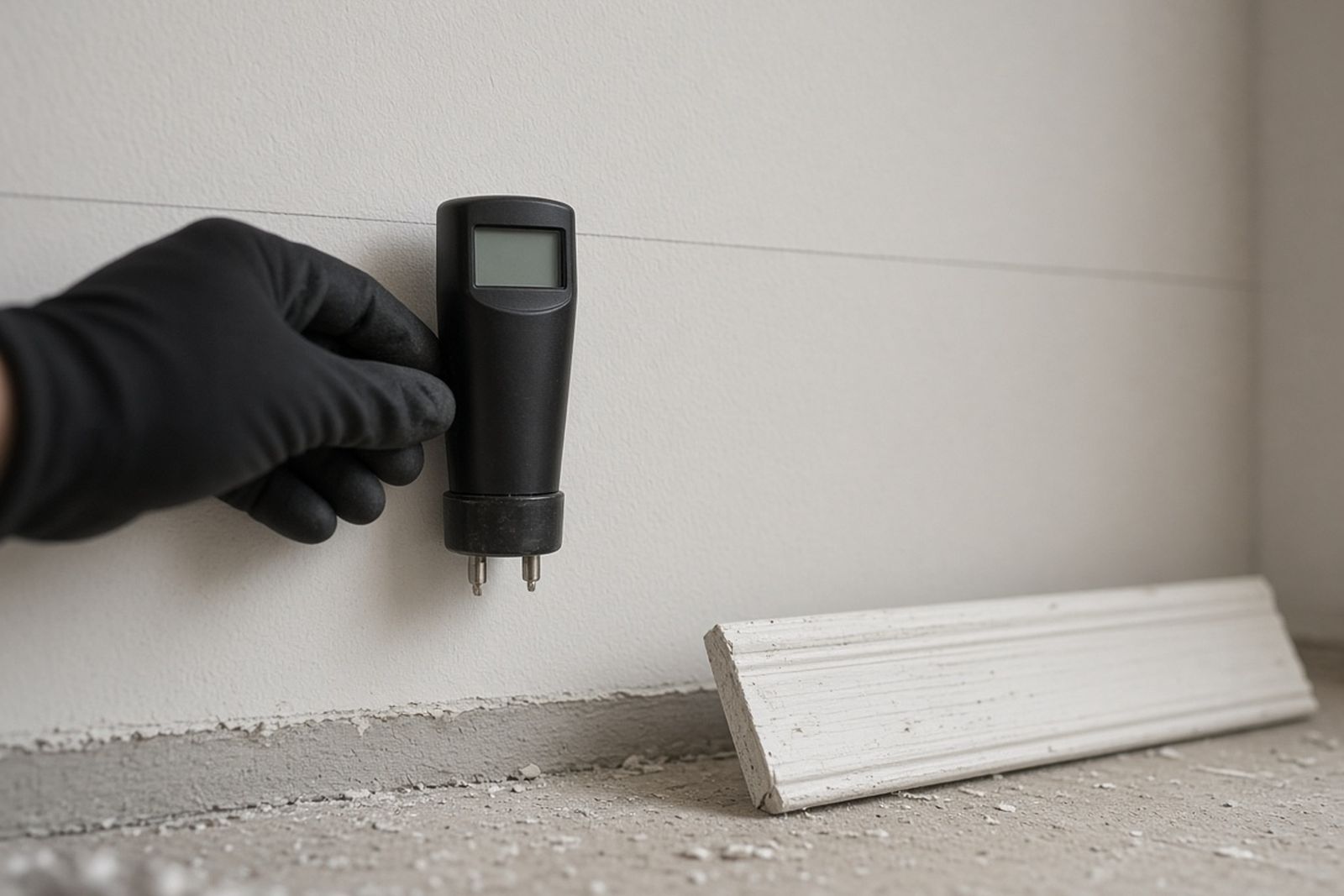
See how pro cleanup of sewage, waste, and soaked materials really works in homes and rentals. Learn about moisture checks, removing materials, and records.
Costs explained
What drives the price, published cost ranges, and how to read a written quote line by line.
Insurance and payment
Which policies may respond, how to document a claim, and what to do if coverage is denied.
Community polls
See how other homeowners, landlords, and caregivers handled sewage backups and waste messes. Compare their choices with the one in front of you.
Knowledge quiz
Test what you know before you call a company or start cleanup. Learn to spot hazards, keep a mess in one place, clean in the right order, and deal with waste.
Articles and resources
Read practical articles on rental move-outs, pet urine soaked into floors, accidents in elder care, and sewage claims. They are written for people facing these problems for the first time.
Field guides
Step-by-step guides walk through common home situations. They explain what to expect, what to record, and which choices depend on local rules.