Short answer
The price of a feces or body fluid cleanup depends mostly on how far the mess traveled, not on how it looks on top. Labor goes up with soft materials that soaked up waste and with damage under floors and inside walls. Tight spots such as crawlspaces, barriers, the amount of waste, and how long the disinfectant must stay wet add more. Ask for an itemized work plan so you can see what drove your number.
Two quotes, one bathroom: why they differ
Two homes can have a similar stain on a similar floor and get estimates that are far apart. The spot you can see is rarely the problem. The price is set by what sits under it. It is also set by how much of your house the fluid reached before anyone noticed.
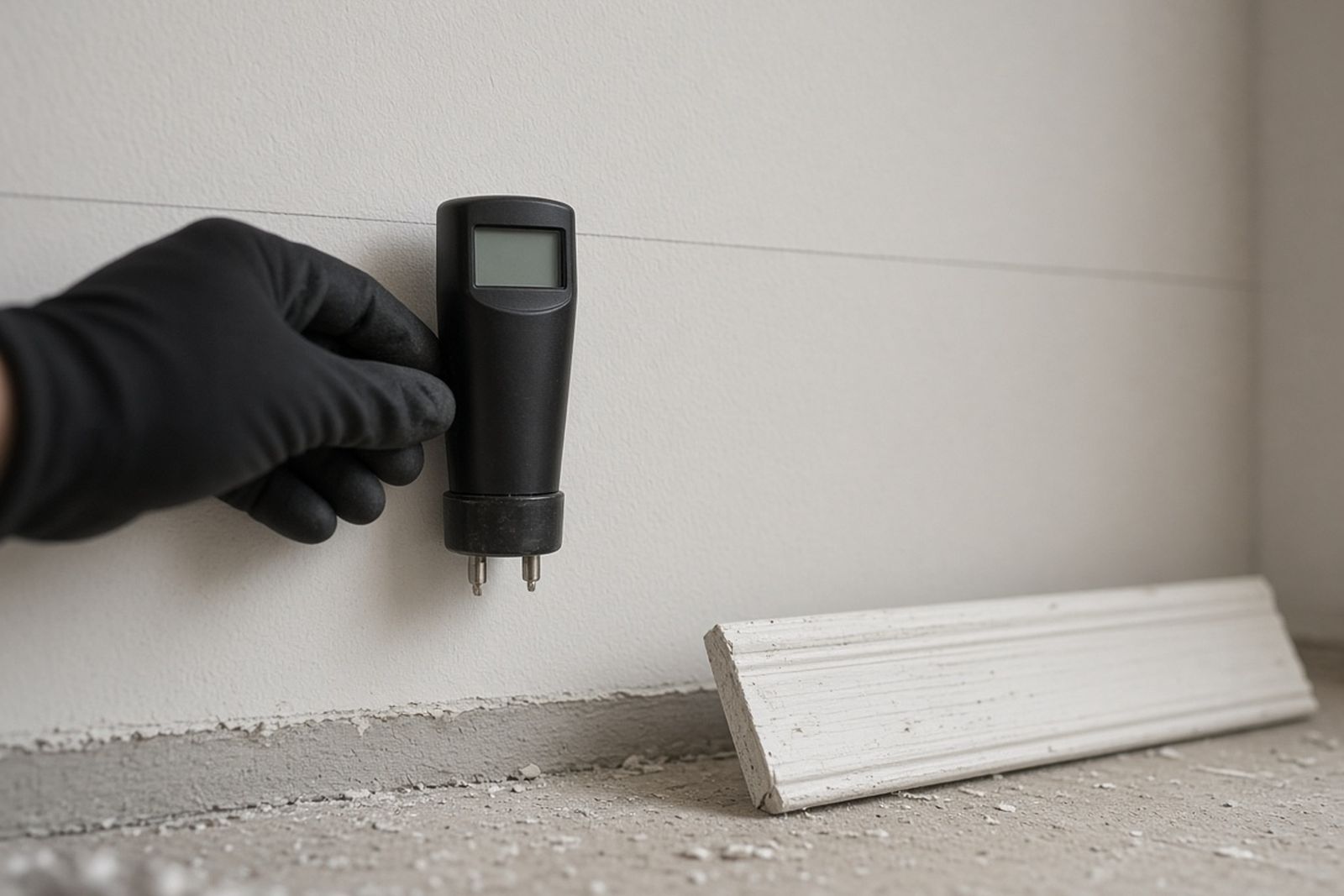
Urine and liquid waste move sideways under vinyl and down through grout. They run along the tack strip that holds the edge of your carpet. Sewage that sat for a day can creep up drywall several inches above the waterline. A company that checks with a moisture meter and lifts a corner of the flooring will find more than one that only looks. The more careful check often gives you the higher number, but it is also the more accurate one.
When your quotes differ, ask each company to walk you through what it assumed. The gap usually comes down to what each one expects to find once the flooring comes up.
Materials that take the most labor
Hard, sealed surfaces can usually be cleaned and disinfected right where they are. Glazed tile, finished metal, and sealed countertops are examples. Soft and absorbent materials are another story. Waste soaks into them, and a wipe cannot be counted on to reach it.
Every item that has to be cut out, bagged, and hauled away adds time for removal, barriers, and disposal. Every item that stays must be cleaned before it is disinfected. Leftover dirt can shield germs from the chemical.
- Carpet and pad, which almost always go when they soak up sewage or heavy urine
- Drywall that drew fluid up into it, usually cut at a line above the highest stain you can see
- Particleboard or MDF cabinet bases, which swell and hold the mess
- Plywood or OSB under the floor that is soaked or smells after the top floor is removed
- Padded furniture, mattresses, and cardboard storage boxes
- Grout lines and baseboards that trap residue even when the tile looks clean
How the type of mess changes the work plan
Think of one vomiting accident on a vinyl floor, a sewage backup in a basement, and months of pet waste built up in a rental. All three are part of this kind of work. But they call for very different amounts of labor.
Sewage from a drain or main line is treated by restoration standards as grossly contaminated water. That pushes most soft materials toward removal. Long-term pet urine is often harder to see. But it may reach deep into the wood under your floor and the beams below. The smell can last long after surfaces look clean. Human waste tied to an illness may stay in a smaller area. But it calls for close attention to the germ involved.
A good estimate names the type of mess in plain words. If water is involved, it also names the water category, which is a rating of how dirty the water is. If yours does not, ask.
Does the disinfectant choice really affect the price?
It can. Every registered disinfectant has a label. The label lists which germs the product is proven to kill and how long the surface must stay wet for that to hold. This wet time is called contact time. Longer contact times mean more labor. That is most true on large areas or on walls, where the product runs off and must be put on again.
Norovirus is one common concern. EPA reported in 2026 that its List G of registered disinfectants proven effective against norovirus contains roughly 600 products with contact times from 30 seconds to 15 minutes. That range is wide. The product a crew picks shapes how long each room takes.
Some germs, such as C. difficile, form tough shells called spores. For these spore-forming organisms, EPA reported in 2026 that List K includes about 110 products with required contact times of 1.5 to 10 minutes. Those products can also be harder on some finishes. Ask the company which product it plans to use and why. Ask how it will keep surfaces wet for the full time on the label.
Access, site conditions, and fixed costs
Crews price their labor partly on how hard it is to reach and remove the dirty material. A first-floor bathroom with a door to the driveway is simple. A crawlspace under a mobile home or a third-floor apartment with no elevator is not.
Other conditions often change the work plan too. Will you be living in the home during the work? Do your belongings need to be moved or packed first? Are needles or medical supplies present? Do the utilities work? Is odor control needed after removal?
You can help. Clear a path, find the shutoff valves, and share any history that matters, such as past leaks. Then the company can write a more accurate estimate the first time.
You may be surprised when a mess in one room carries a price that seems high for its size. The reason is that much of the cost of a biohazard job is fixed, no matter how small the area is.
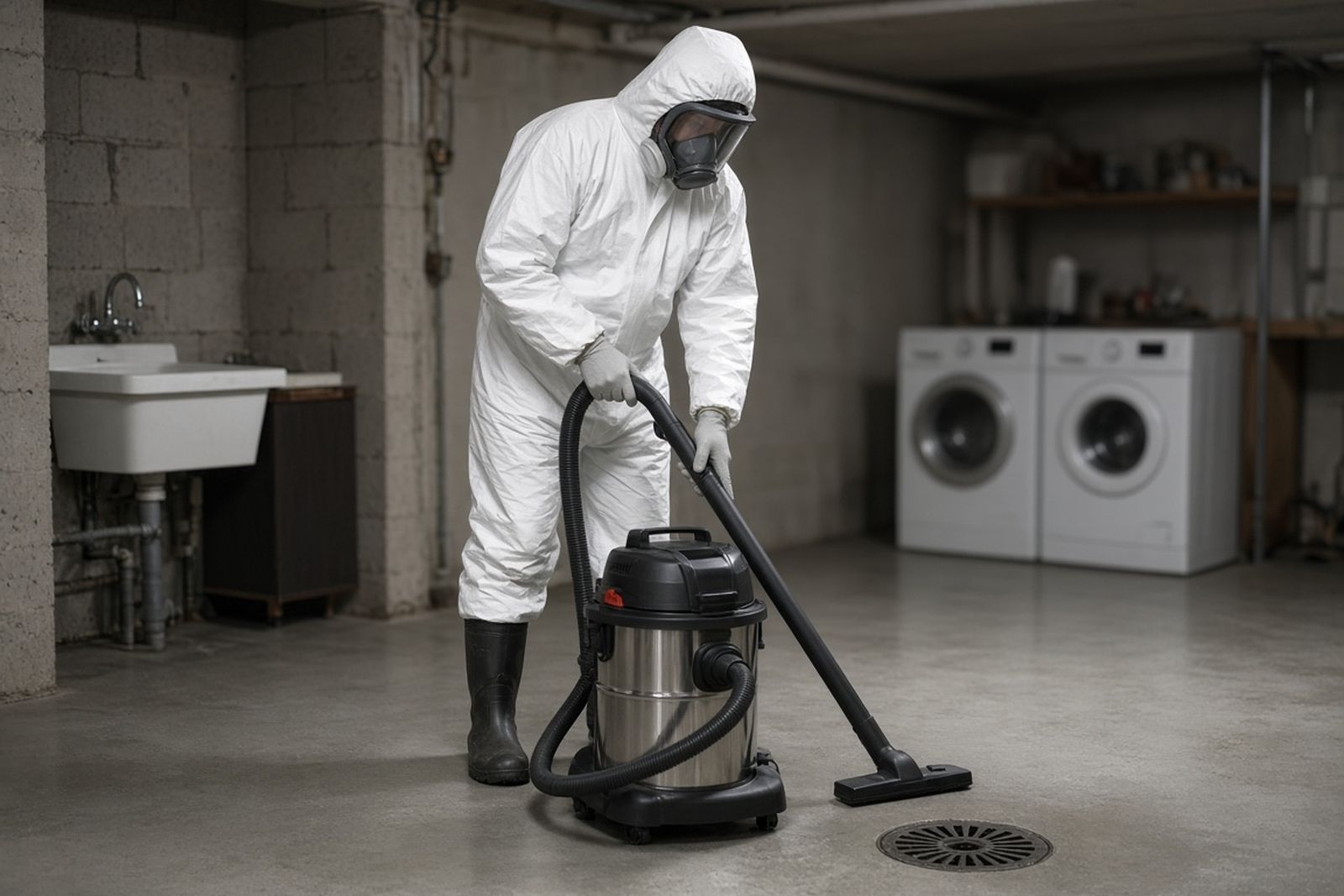
A crew still has to travel in a vehicle stocked for dirty work. Workers suit up in protective gear that is thrown away afterward. They set up a clean zone and a dirty zone. They bring registered disinfectants and the tools to apply them. They pack the waste in a way that meets local disposal rules. Those steps take about the same effort whether the stain is two feet across or twenty.
Paperwork adds time too. Photos, moisture readings, a list of removed materials, and a disposal record protect you. A tenant, buyer, insurance company, or health department may ask questions later. A company that skips that paperwork may quote you less. But you lose the record that shows the work was done properly.
If the number still feels too high, ask the company to split the fixed setup costs from the work priced by area. Seeing that split often makes your estimate easier to understand and to compare.
From estimate to invoice: an example of a change order
This example blends several jobs. It is not one real job. A landlord calls about an empty apartment where a tenant's dogs were shut in for weeks. The walkthrough shows stained carpet in two bedrooms and a strong ammonia smell. The first estimate covers removing the carpet and pad, cleaning surfaces, and disinfecting.
The crew pulls up the carpet. The plywood under it is darkened in several spots. The bottom edge of the drywall is stained along one wall. The company stops and takes photos. It sends the landlord a written change order. That is a written request to add work. It describes sealing or replacing the plywood and cutting out the drywall.
The landlord approves the change in writing before the crew goes on. The final invoice matches the revised work plan line by line. The photo log explains each addition.
That is how a change to your work plan should work. If a company adds work without a written change order, you have a right to ask why.
What an itemized estimate should include
A single lump sum tells you very little. An itemized estimate lists each task with its own line. It lets you compare companies. You can share the details with your insurance company or property manager. And you can spot anything that seems out of place.
You do not need to understand every technical term. You do need to see enough detail to ask a clear question about each line.
- The type of mess and, for water damage, the water category
- A room-by-room list of materials to be removed, with measurements
- Barriers and air handling, if any, and why
- Disinfectant name, EPA registration number, and planned contact time
- Protective gear and number of workers
- How waste is packed, hauled, and disposed of
- Odor control steps and how success will be judged
- What is left out, such as rebuilding, painting, or replacing belongings
- The conditions that would lead to a change order
Keeping the cost reasonable without cutting corners
The best thing you can do is act fast. Fluid that sits longer spreads further into soft materials. So a prompt call often means less has to be removed.
Next, avoid partial do-it-yourself work that makes the job harder. Scrubbing soaked carpet with household cleaners can push waste deeper into the pad and the floor beneath. Running a fan over sewage can move smell and moisture into other rooms. It is usually better to keep people and pets out and close the door.
It also helps to gather what you already know before the walkthrough. When did it start? What surfaces were involved? Has anyone tried to clean? Are other rooms on the same drain line? Clear answers let the company size your job well. Then it does not need to pad the estimate to cover unknowns.
Last, compare the work plans, not only the totals. A lower quote may skip checking under the floor or skip disposal records. It may cost you more later if the smell returns or a tenant raises a health complaint. If you are a landlord, also check with your local housing code office about any duties that apply to the unit.