Arlington, VA

Hazmat Spill Response in Arlington, VA

What to do, who to contact, and what to ask in Arlington.

Chemical smell or spill in an Arlington building or garage? Close the area, call 911, protect Four Mile Run drains, and keep reopening records.

Get an email reply about hazmat spill response

Send a short message to the follow-up inbox. A coordinator can reply by email. This form does not send emergency help; call 911 first if anyone is in danger.

Tell us what you need help with. Share a short description; please leave out medical details, access codes, and other sensitive information.

A request does not confirm a booking. For immediate danger, contact local emergency services.

Or email info@spillplanningguide.com

The short answer for Arlington, VA

If you smell chemicals or find a spill in your Arlington building, garage or underground walkway, close the area and call 911. Do not let staff open drums or rinse the film toward a drain. Here is how Arlington County fire and Virginia DEQ get involved, and what you need before shops reopen.

What to do, step by step

  1. 1

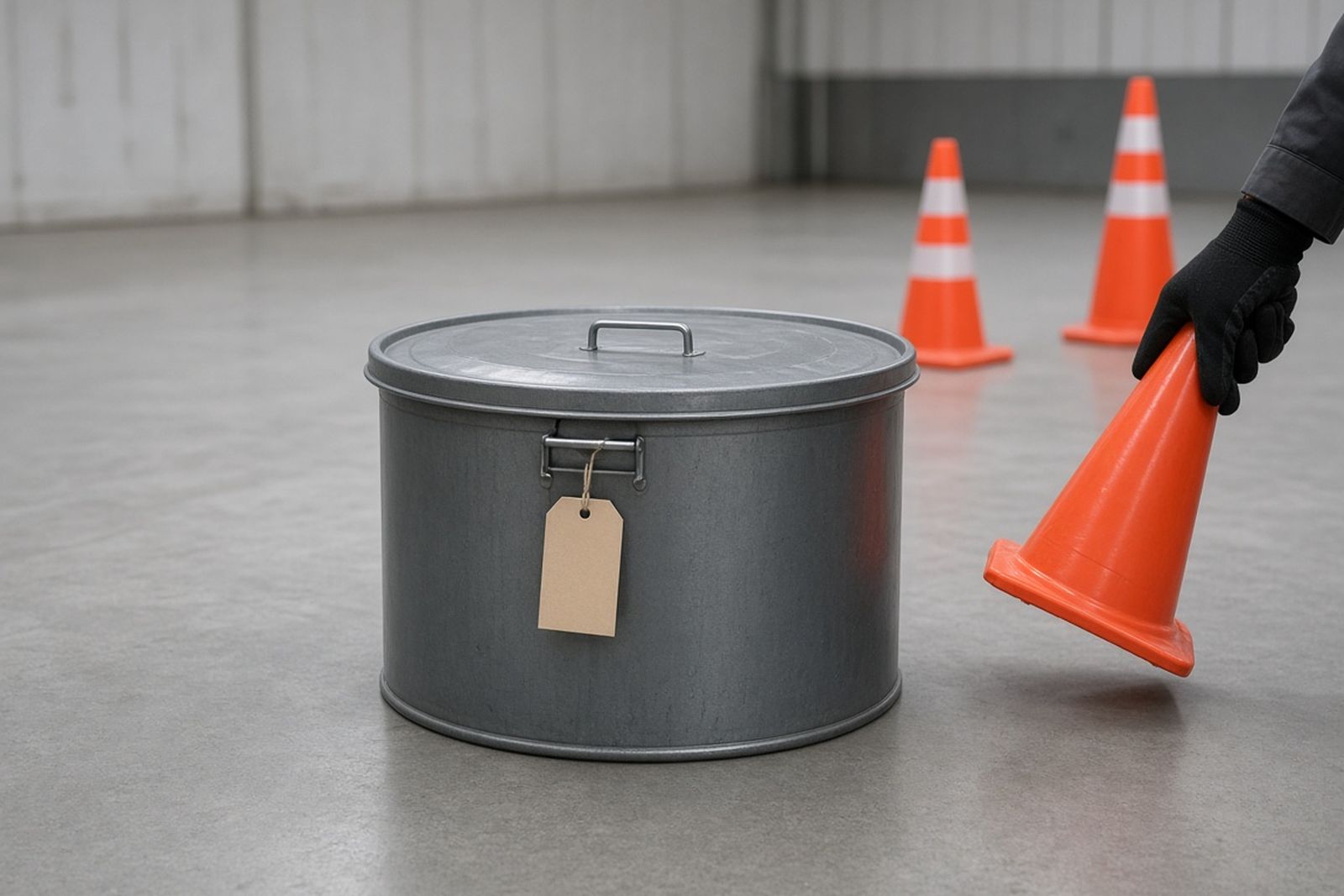
    Tape off the walkway and send shoppers another way

    If riders or staff report stinging eyes, an unknown liquid or a spreading film, close that stretch of walkway. Send shoppers another way and call 911. Do not use shop fans, which can push air toward the elevator banks. Your closed area should include the freight room and any mechanical room that shares its return air. Keep the station stairs open as exits unless Arlington County fire says otherwise.

  2. 2

    Collect vendor packing lists and leave drums sealed

    Have your building management bring the vendor product sheets and packing lists to responders. Leave faded drums sealed. Field checks by trained crews fill in what the papers do not show. Your housekeeping staff should never invent a mix to neutralize glue sitting next to diesel. Under a hotel podium, a wrong guess can give off fumes right beside the valet line. Naming the product comes first.

  3. 3

    Protect the inlets to Four Mile Run

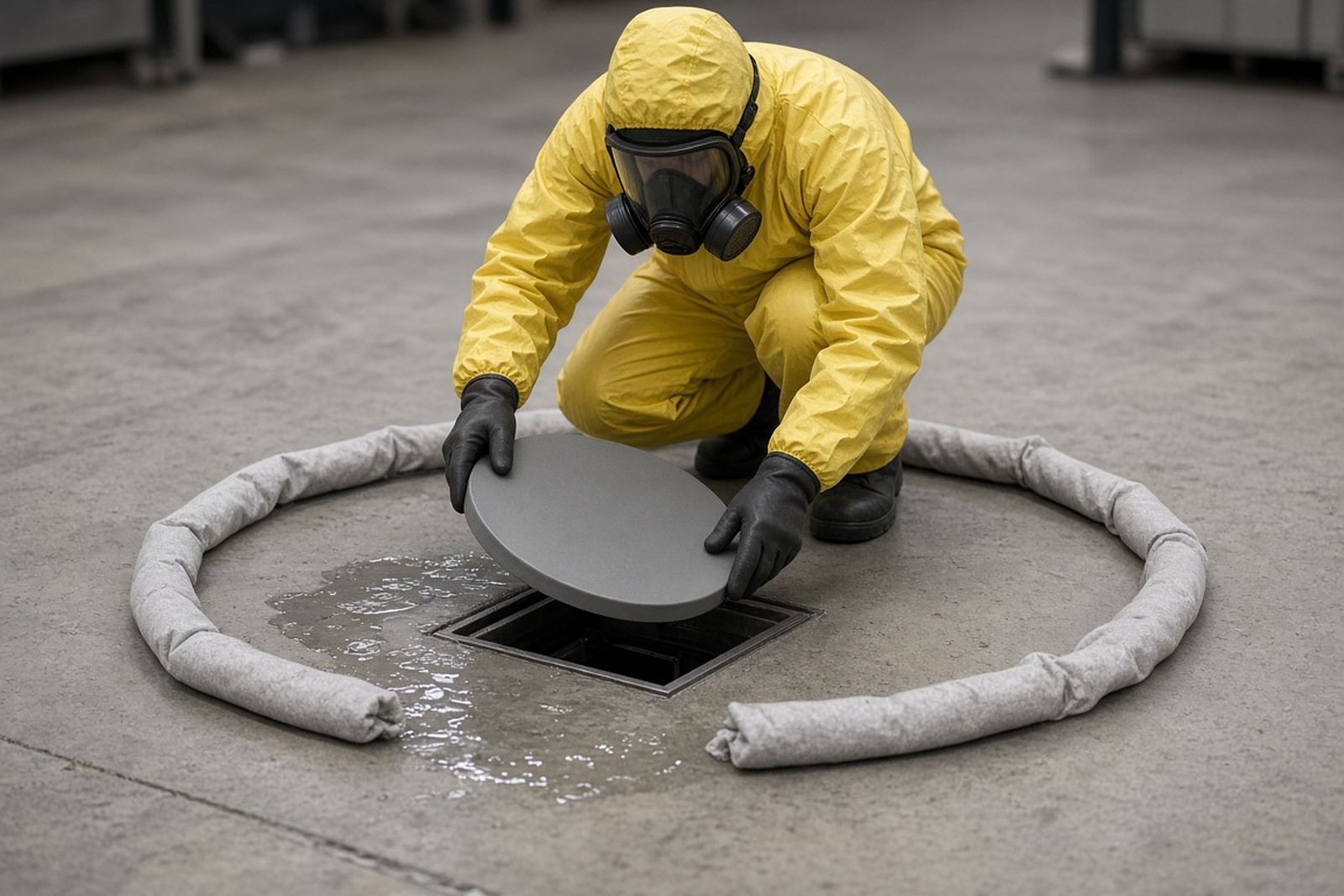
    Once the product is known, a good crew sets barriers and matching pads before the film reaches inlets to the stream. Arlington County fire runs the emergency. Virginia DEQ handles environmental notice when storm water or soil is involved. A big enough release toward the Potomac may add a call to the National Response Center. Ask which notices have gone out for your site. A crowd of shoppers does not shrink those duties.

  4. 4

    Keep underground shops closed until hallway air numbers exist

    Every bag of garage pads should go to a lab and then off site with its signed paper. Ask for copies. Before your underground shops or hotel lobby reopen, ask for written air targets and the readings that met them. A dry patch of epoxy floor after a night of solvent fumes is not permission to let the public back in. Tell your tenants when you expect results, so they can plan.

What cleanup is like in Arlington

Arlington is built upward and downward. Parking is stacked under hotels, shops line underground walkways in Crystal City, and freight rooms sit inside podium buildings. Spills here often start with a day tank top-off before conference season, a leaking lithium battery cabinet in a parking deck, or glue drums left after an overnight suite makeover. An audio-visual vendor may leave an unlabeled cooler. A Metro rider may report a chemical smell before your facilities team has a packing list. Tape off the walkway, keep shoppers on the public side and call 911. Your porters are not field chemists.

Storm lines to Four Mile Run pass under unbroken pavement and move a rinsed film fast. County storm water rules and Virginia's Department of Environmental Quality (DEQ) come into play once product leaves your pad. A large oil or chemical release could also bring a federal report. Turn fans off only when responders and your engineers say it is safe. A leaf blower pointed at unknown air spreads the exposure through the shafts. Get the Safety Data Sheet (SDS) from a site office. Do not crack open a drum beside the valet lanes.

If you manage the property, write down which walkways close, which station stairs stay open as exits, and who meets the engines away from the Orange Line entrances. Note your podium height limits so recovery trucks do not block the hotel drop-off lanes. After the professionals finish, keep the waste test results, the shipping records for used pads, and the hallway air targets. Underground shops reopen after those targets are met. Store opening hours do not change the steps, hard as that is for your tenants.

What to expect for your type of home

  • Underground mall walkways: Fumes can travel blocks from the freight room where they began. Tell responders how the walkways connect, and warn tenants along the whole stretch.
  • Podium decks by Orange and Silver Line stairs: The stairwells must stay usable for riders even while your deck is taped off. Ask where the tape goes before you post signs.
  • Hotels with day tanks near the valet line: A rushed morning top-off beside idling cars is a fire risk. Ask your fuel vendor to schedule fills away from the busiest hours.
  • Event and conference spaces: An unlabeled cooler left overnight by an audio-visual vendor should never be dragged into a freight elevator. Leave it and ask the vendor what it holds.
  • Paved sites draining to Four Mile Run: Curb cuts under unbroken paving move a spill faster than a suburban dry well would. Show the crew the closest curb cut right away.
  • Hotels and offices with housekeeping staff: Keep emergency chemical work out of ordinary mop tickets. Housekeepers should report a spill and leave it for trained responders.

Papers and records to keep

  • Walkway maps showing which underground stretches were taped off
  • Vendor packing lists and Safety Data Sheets gathered without opening any drum
  • Times riders were told, and where engines met you away from Metro entrances
  • Arlington County fire and Virginia DEQ reference numbers, and any NRC number
  • Notes on how crews protected the Four Mile Run drains
  • The waste shipping record for the garage pads
  • Hallway air readings that allowed your underground shops to restart
  • Landlord risk notices tied to your hotel or office claim file

Local offices and official help

Common questions in Arlington

Shoppers smell solvent in a Crystal City underground walkway. Who acts first?

Your facilities and security teams do. They close the affected walkway and keep riders on open exit paths. If a shopper feels ill, vapor lingers or the liquid is a mystery, they call 911. Do not hose the film into a floor trench to save lunch traffic. Gather vendor badges and packing lists from a safe spot, and give the Safety Data Sheets to arriving officers. Point firefighters to the right Metro-side entrance.
How is a spill in an Arlington tower different from one at street level?

Fumes moving through shafts and underground walkways are the bigger problem here. A smell that starts in a freight room can reach shops and hotel lobbies well away from it. Storm lines to Four Mile Run shape the water risk, and Virginia DEQ is the state contact. Security delays may be lighter than at a federal building across the river. Tell responders early how your garage, walkways and elevators connect.

An audio-visual cooler is leaking glue near our Pentagon City freight room. Should we open it to see what it is?

No. Leave the cooler sealed, tape off the freight room and wait for trained crews to sort it out. Get the packing lists from the vendor's office instead. Opening it the wrong way can raise the exposure and create more waste. The right pads get chosen once the vendor list or Safety Data Sheet says what is inside. Call 911 if anyone feels unwell or fumes are spreading.

Which records show our underground shops reopened safely?

Keep the hallway air readings, the name of the person who approved reopening, the shipping records for used pads, and the agency reference numbers. Reopening underground shops because the floor looks clean, after a night of solvent fumes, will not satisfy a landlord's review. If more cleanup work follows later, give it a folder of its own so the emergency records stay clear.

Does a path to Four Mile Run turn a film on our private deck into something we must report?

Yes, it can if the film gets off your deck and into a curb inlet or the soil. Rinsing before the evening rush often makes a spill bigger. Barriers and matching pads, used once the product is known, stop it from traveling. Take photos from a safe distance to show which way it went. Virginia DEQ notice may apply, and for certain releases so may the National Response Center. Telling your insurer runs on a separate clock.

How should I handle a lithium battery fire or leak in our apartment bike room?

Keep residents out of the bike room. Call 911 at the first sign of smoke, hissing, swelling or leaking. Close the door if you can do it safely. Do not let staff move or cool the battery. Afterward, ask responders or the fire marshal's office about safe removal. Consider house rules that keep chargers away from exits and limit charging when no one is in the room.

What should I do if I smell chemicals in a Metro station garage?

Leave the area and get to fresh air. Tell station staff or garage security what you noticed and where. Call 911 if the smell is heavy or you feel sick. Do not stay to find the source, and do not walk back through the area to warn others. Follow staff instructions about other entrances or routes out of the Arlington station.

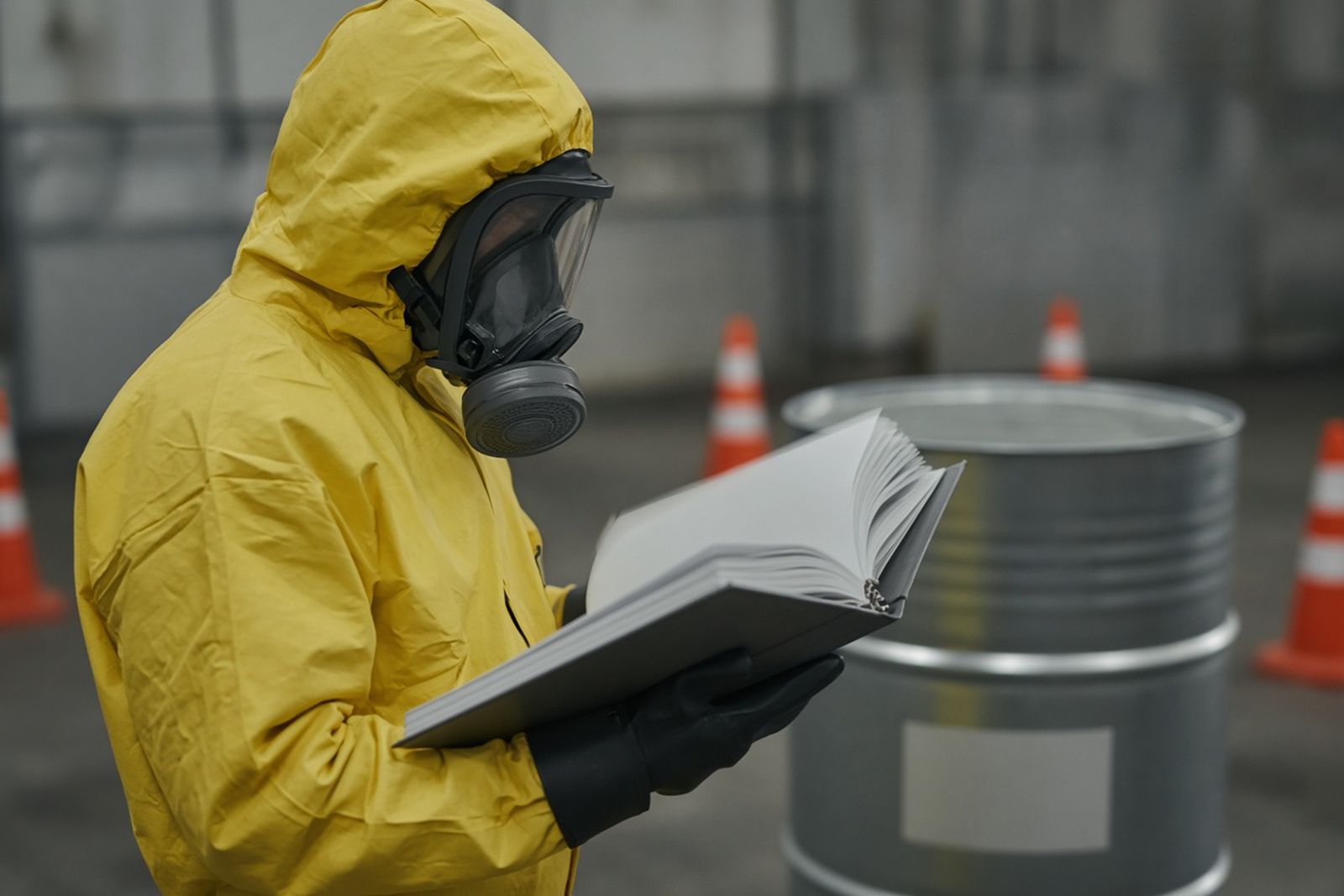
Technician in a yellow suit and respirator reading a safety data sheet binder beside a drum
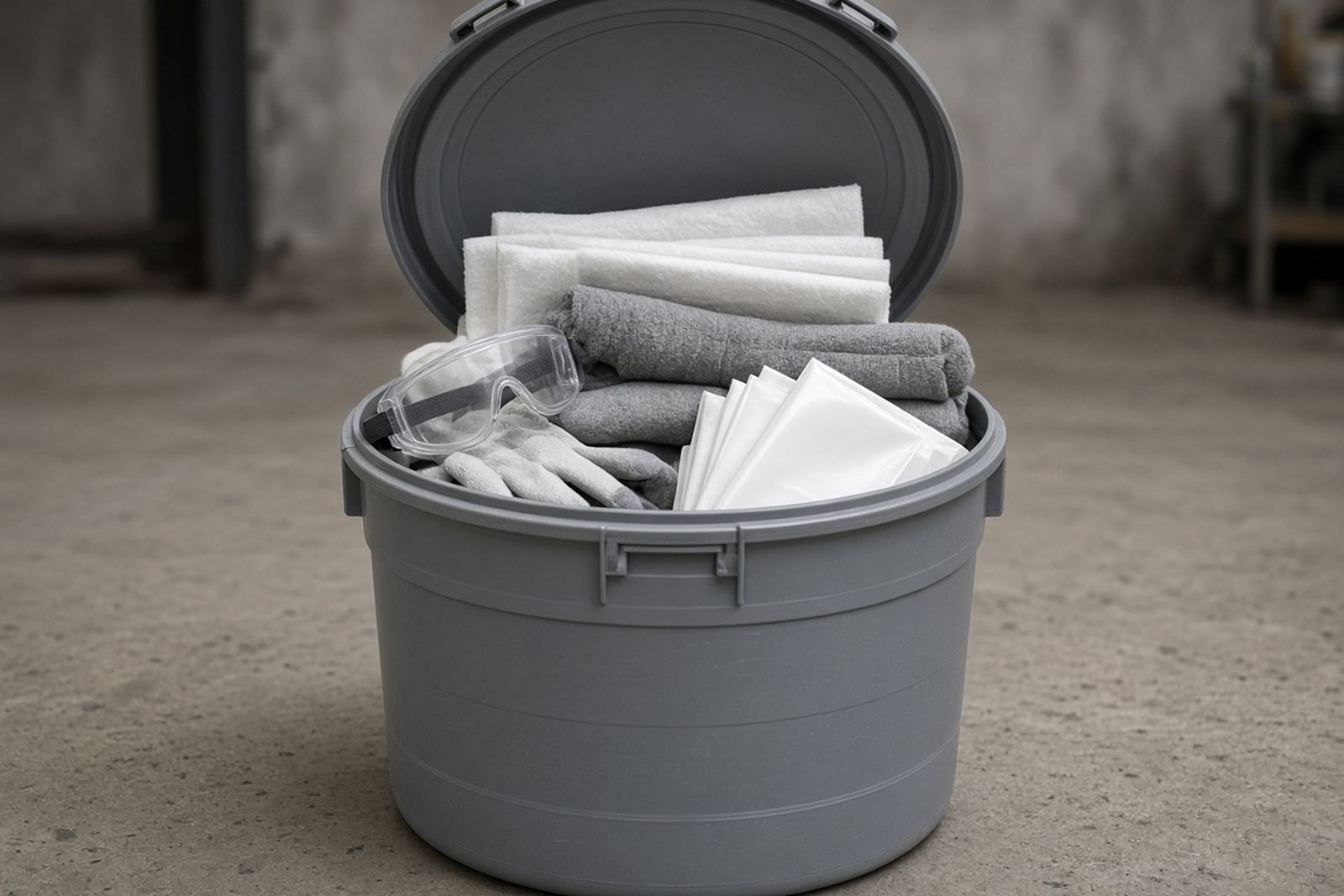
Open spill kit drum holding absorbent pads, goggles, gloves and disposal bags

Facts worth knowing

  • In a September 2012 survey of 204 households near a chemical odor incident, 36.5% said they sought medical care for symptoms they linked to the odor.

    Why it matters: If your site releases a strong odor, expect neighbors to seek medical care; tell them quickly what was released and what to do.

    Source: Behbod et al., 2014

  • Sites must report qualifying accidental chemical releases to the Chemical Safety Board within 8 hours; PG&E paid a $45,273 penalty in 2025 for reporting late.

    Why it matters: Know before an accident who at your site will make this report, because the deadline is short.

    Source: EPA/CSB (via Spencer Fane), 2025

  • After a 2014 spill in West Virginia, people who got information quickly were more likely to follow the recommended safety steps.

    Why it matters: If your site has a spill, tell affected people fast and clearly; delays may mean fewer follow your safety instructions.

    Source: Savoia et al., 2015

Tools that help right now

What would you do?

Poll results

Vote to see how other people answered. You can change your answer at any time.

Safety

How prepared is your site for a chemical or fuel spill right now?

Be the first to vote
Your experience

In your most recent spill, what was the first action taken?

Be the first to vote

Need help in Arlington?

Send a short message about the property to the follow-up inbox. A coordinator can reply by email with next steps.

Your request is sent to the follow-up inbox. A coordinator can reply by email.

If anyone is hurt or in danger, call 911 first.