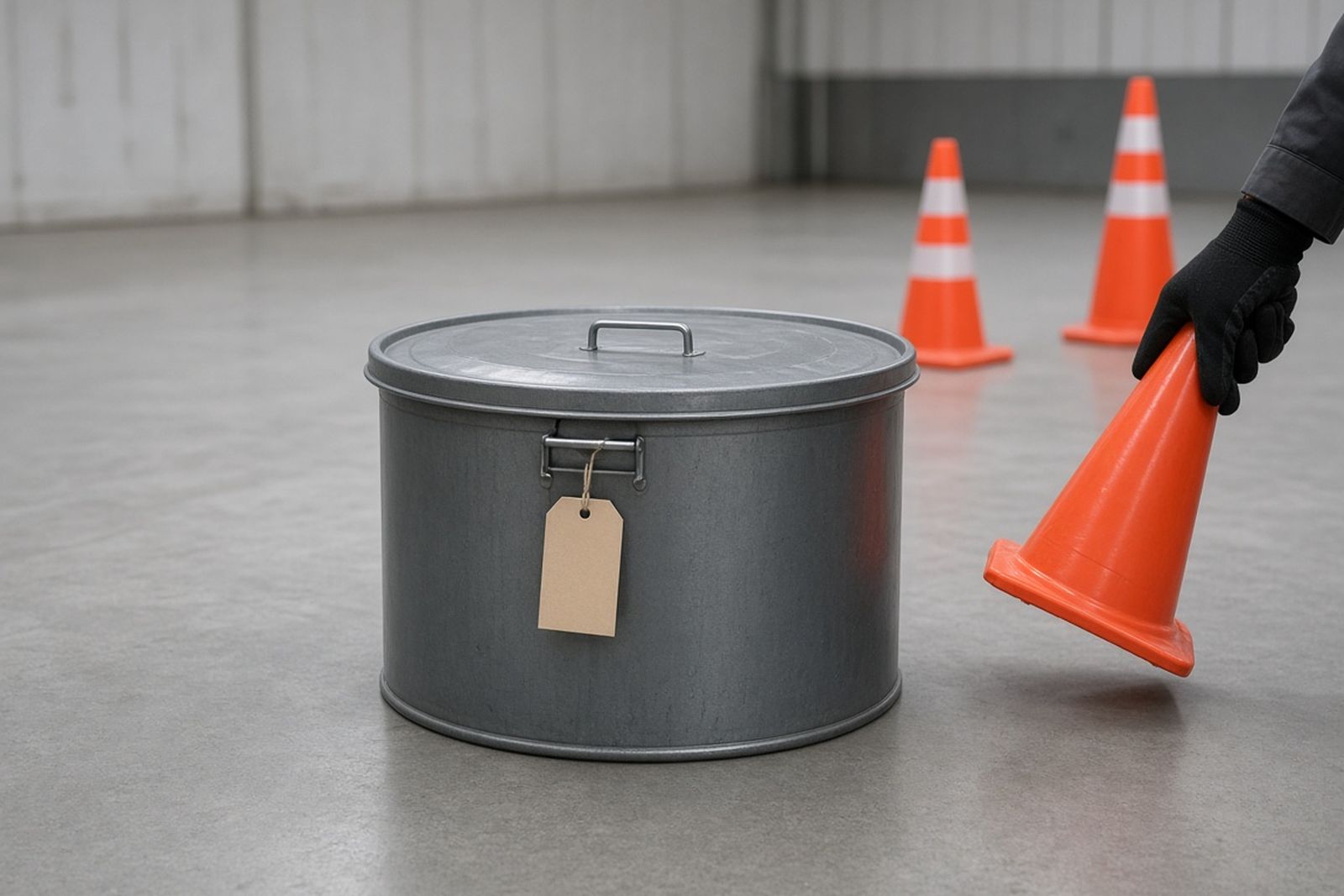
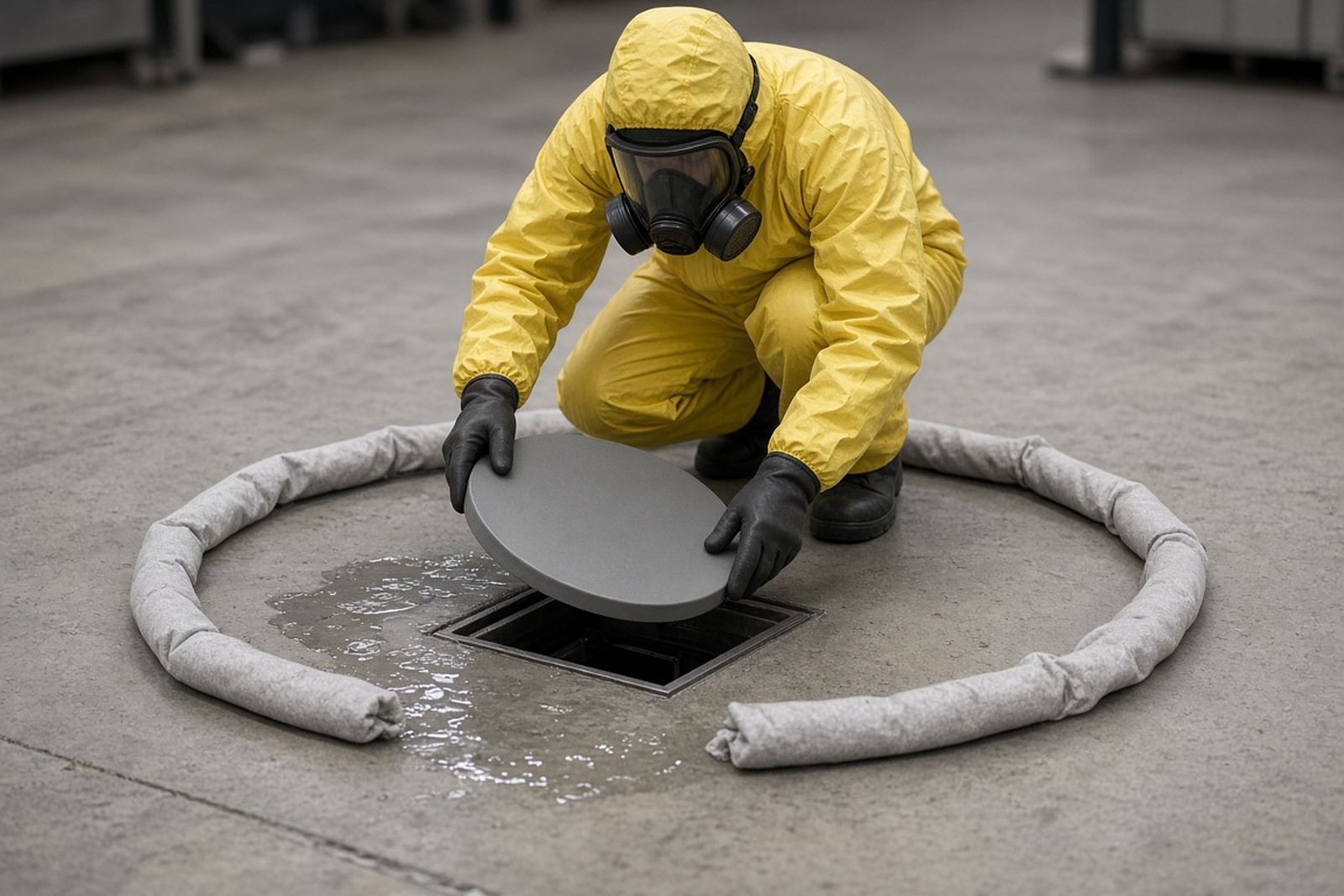
Great Falls, VA

Hazmat Spill Response in Great Falls, VA

What to do, who to contact, and what to ask in Great Falls.

Spill on your Great Falls property? Get people and horses clear, call 911, protect your well and the gorge, and know what records to keep.

Get an email reply about hazmat spill response

Send a short message to the follow-up inbox. A coordinator can reply by email. This form does not send emergency help; call 911 first if anyone is in danger.

Tell us what you need help with. Share a short description; please leave out medical details, access codes, and other sensitive information.

A request does not confirm a booking. For immediate danger, contact local emergency services.

Or email info@spillplanningguide.com

The short answer for Great Falls, VA

If a spray tank, mower hydraulic line or fuel can spills on your Great Falls property, get people and horses clear and call 911. Do not rinse it downhill toward the gorge or your well. Here is what to give responders, when Virginia DEQ may be told, and what to keep before porches reopen.

What to do, step by step

  1. 1

    Clear the porches and barns and close the overlook paths

    If anyone feels sick, a liquid has no label, or a film is moving downhill, clear the porches and barns. Keep park visitors off your slopes and call 911. Tell the dispatcher which Georgetown Pike turnout to use, so fire trucks are not trapped on a cliff drive. Leave mower engines off. Move your horses away from the trailers if you can do it without crossing the spill.

  2. 2

    Bring product sheets and invoices from a dry room

    Hand responders the Safety Data Sheets and purchase invoices from your tack room or garage office. Do not tip a burst jug on the slope to read the bottom. Crews can run field checks to fill any gaps. Ask your staff never to make up a mix to neutralize weed killer or hydraulic oil. If you only know where the product was bought, tell responders that. It still helps them.

  3. 3

    Ask how the gorge and your well will be protected

    After the product is identified, a good crew places barriers and matching pads before it reaches the cliff drains or the ground around your well. Near the gorge or a well, state environmental staff from Virginia DEQ may be called. Product headed into the gorge may also mean a call to the National Response Center. Ask the Fairfax County fire officer which calls were made, and keep the reference numbers.

  4. 4

    Reopen the porch or barn only on matching readings

    Used pads from a mower or stump killer spill are tested, since federal waste law may apply. Ask for the shipping records. Your sleeping porch and any barn apartment reopen only when readings meet targets written for that product. Dry flagstone after an overnight smell does not mean guests can come back for the weekend. Ask what happens to cushions that soaked up fumes, and get the answer in writing.

What cleanup is like in Great Falls

Great Falls properties sit on steep overlook land off Georgetown Pike, and that shapes the spills you see. A hydraulic hose may fail on a mower working a slope. A stump killer jug may tip near the horse trailers. Glue may spill during a porch renovation, or a generator can may be left open after a storm. Visitors on the gorge paths may smell weed killer before your caretaker gets back from errands. On park weekends, traffic on the Pike is heavy. Pick a pull-off where fire trucks can meet you, because narrow shoulders and overlook bends can trap engines.

Water sheets off the cliffs toward the Potomac Gorge, and many homes here drink from private wells. That changes the math on rinsing. A quick wash downhill can reach soil, groundwater or a waterway that Virginia's Department of Environmental Quality (DEQ) will review. Oil or chemicals bound for the river could also call for a federal report. Keep your Safety Data Sheet (SDS) binders in a dry tack room or garage office. Do not cross a steep slope full of fumes to scrape at a faded jug label.

Write a short plan while things are calm. It should say which porches and barns empty, which overlook footpaths close, and who waves the engines in at the Pike turnout. If a spill happens, photograph from a safe terrace which way the sheen runs downhill. After the cleanup, keep the waste shipping records for the used pads. Ask for air targets written for each porch, since your family or guests may sleep there. A weekend of visitors is not a reason to skip that.

What to expect for your type of home

  • Horse trailer turnouts: Stump killer and fuel cans tend to collect right where visitors walk. Store them elsewhere, and tell responders if a turnout is where the spill began.
  • Cliff-edge lots: After a rinse, runoff down a cliff moves product much faster than a flat lawn would. Tell the crew if anyone used a hose, and which way the water ran.
  • Homes on private wells: A hose aimed downhill can foul your groundwater. Tell the company where the well is, and ask how they will keep product away from it.
  • Properties off Georgetown Pike: Park weekend jams mean fire crews may need to meet you away from the house. Pick a turnout ahead of time and share it when you call 911.
  • Steep lawns worked by mowers: Hydraulic fluid on a slope is a slip and fire hazard. Keep everyone off the hill and leave the mower where it stopped until the crew has made the area safe.
  • Homes with porch renovations: Leftover glues are often unlabeled. Nobody should try to sort them by smell, so ask your contractor for the product names and sheets.

Papers and records to keep

  • Photos from the terrace of the sheen running downhill toward gorge drains or your well
  • Stump killer invoices, hydraulic fluid tickets or remodel SDS, handed over with containers sealed
  • Notes on the Pike turnout meeting point and which porches or barns were cleared
  • Reference numbers for your overlook parcel from county fire and state staff
  • Barrier spots and pad types on the slopes, with estimates of what was recovered
  • Lab sheets, a count of jugs and drums removed, the trucker's name and each signed shipping paper
  • Porch and barn apartment air readings, with the date each space reopened
  • Dates you notified your pollution insurer, kept in the estate claim folder

Local offices and official help

Common questions in Great Falls

Hydraulic oil is streaking down from my mower above the gorge on a busy park Saturday. What should I do?

Stop the mower and keep visitors off the slope. Call 911 if there are fumes, anyone feels sick, or the oil may have mixed with other products. Do not rinse downhill toward the cliff drains. From a safe terrace, note the equipment tags. Name a Pike turnout for the fire trucks, and have the Safety Data Sheet ready. Heavy park traffic is no reason to clean it up yourself.
How is a spill on a gorge lot different from one on flat farmland?

The slope does most of the damage. Runoff down the cliffs carries product quickly, and Pike traffic on park weekends can slow the fire trucks. Trailer turnouts and visitors walking near the overlook also change how you keep people back. In Virginia, DEQ is the state contact. National Response Center duties may still apply when product threatens the water. Tell responders about the slope and any wells right away.

A stump killer jug tipped over near my well. Should I hose the grass?

No. Hosing can push the product into the ground around the well and widen what Virginia DEQ expects of you. Close off the area, keep the label and wait for trained crews to act once the product is known. Photograph the spot from a safe place. If guests are due, change the plans. A hosting deadline never justifies rinsing a spill toward your own drinking water.

Which records should I keep once a hillside spill is cleaned up?

Save the shipping records and lab results for everything hauled off the slope. Add photos of how far the spill traveled toward the gorge, the Fairfax County fire and state case numbers, and the air readings for the porch or barn apartment. If soil near the well needs digging later, keep that on separate paperwork from the emergency waste. A future buyer of a Great Falls lot may ask about the well.

When can our sleeping porch reopen after a glue smell overnight?

Once the porch readings meet the written targets and any soaked cushions have been removed. A breeze off the gorge is not clearance. Ask for the name of the person who cleared the porch and the numbers they relied on. If a guest still has itchy eyes or skin, keep the porch off-limits and have it checked again. The guest calendar should not decide when it reopens.

I have a private well. What should I do after a weed killer spill?

Keep people and pets away from the spill and the wellhead. Call 911 if the spill is large, spreading or near the well. Stop using tap water for drinking or cooking until you know it is safe. Ask the Fairfax County health office about testing the well. Keep records of where the spill happened and any test results, especially if you plan to sell.

What should I do about a trailer fuel or hydraulic leak near my paddocks?

Move your horses away from the leak, and keep them from drinking from any fouled puddle or trough. Do not start the tow vehicle or equipment if fuel is pooling. Call 911 if the leak is large or heading toward a drain or creek. For small drips, set out a drip pan only if you can do it safely. Have a trained service handle the cleanup and disposal.

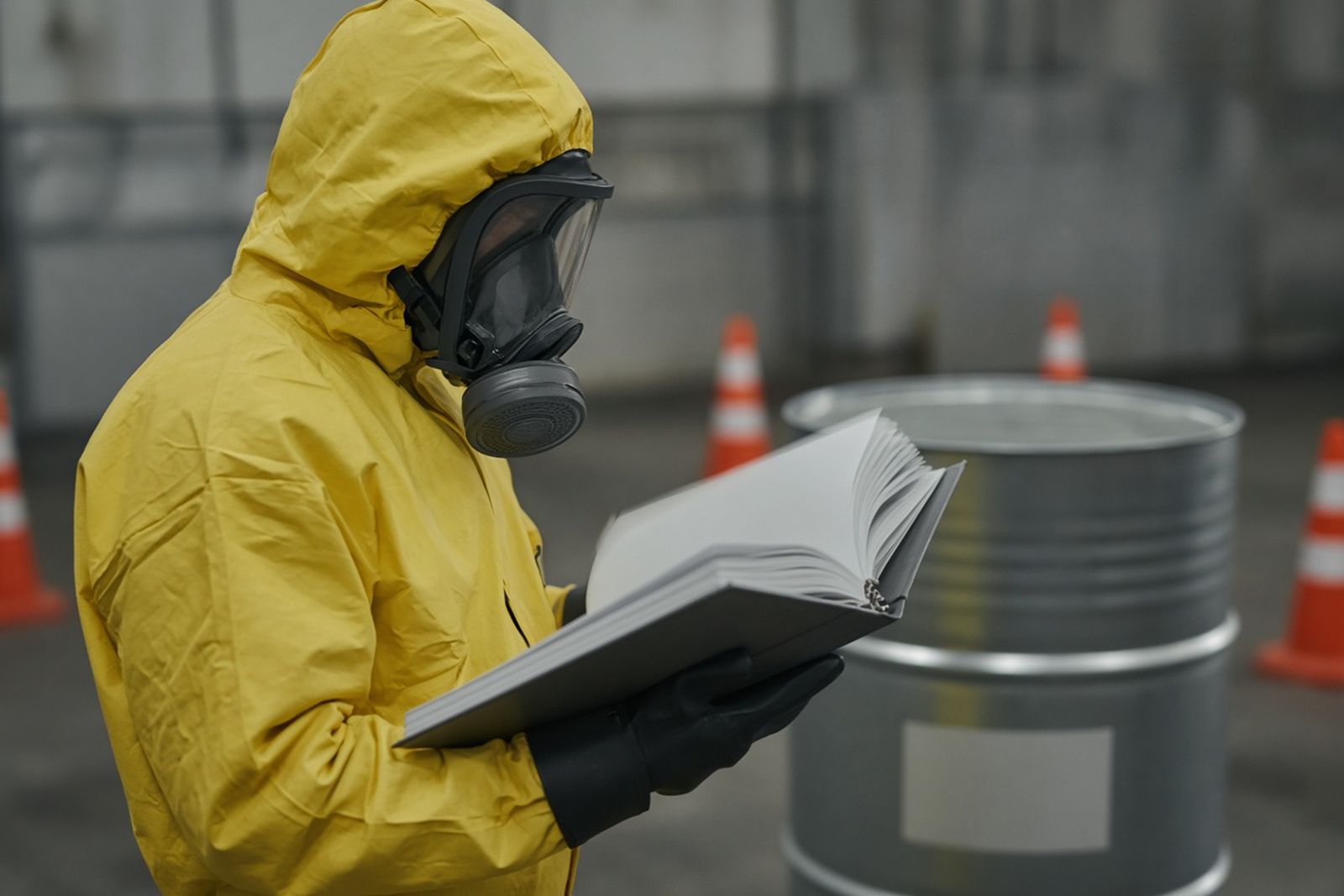
Technician in a yellow suit and respirator reading a safety data sheet binder beside a drum
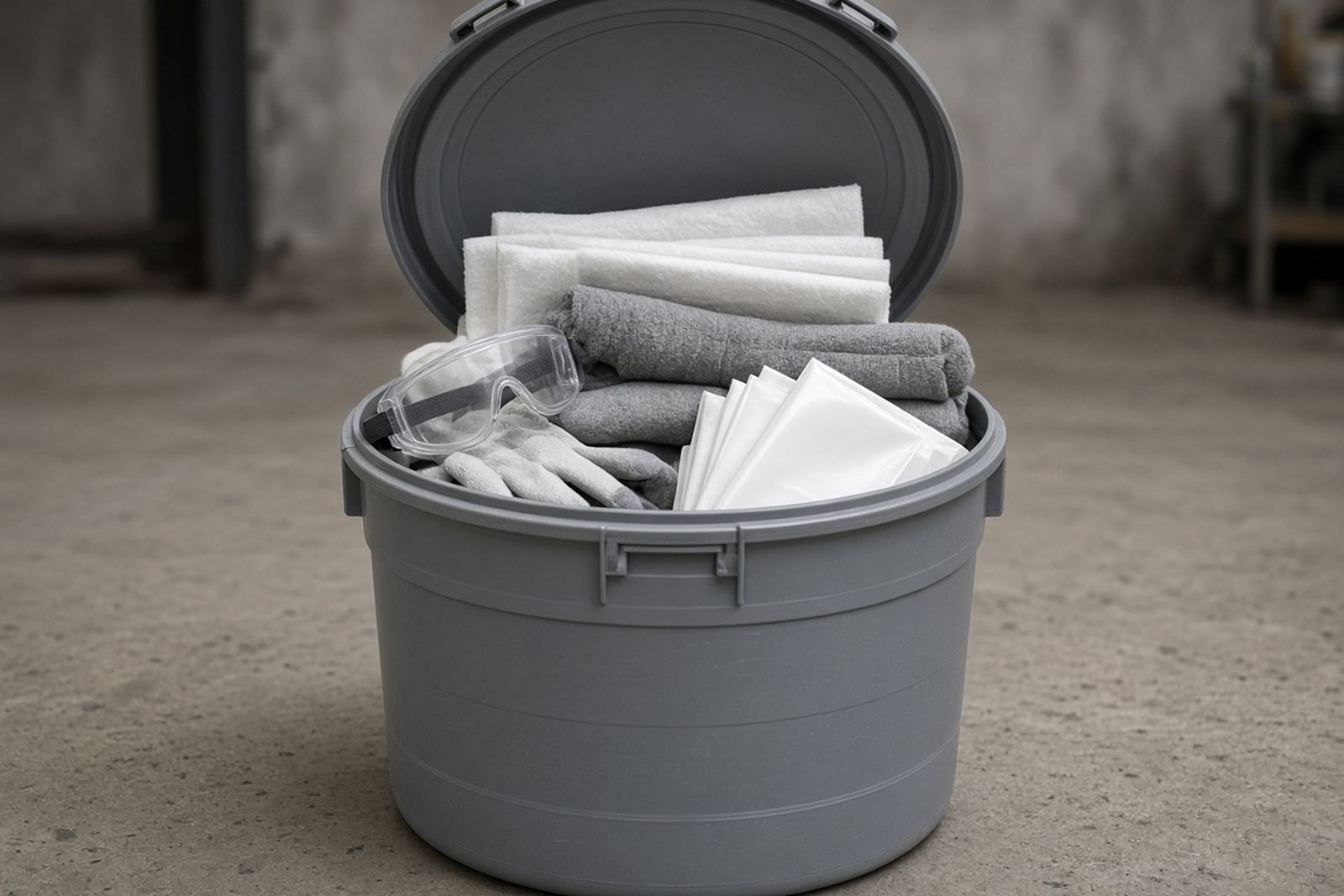
Open spill kit drum holding absorbent pads, goggles, gloves and disposal bags

Facts worth knowing

  • After a 2014 spill in West Virginia, people who got information quickly were more likely to follow the recommended safety steps.

    Why it matters: If your site has a spill, tell affected people fast and clearly; delays may mean fewer follow your safety instructions.

    Source: Savoia et al., 2015

  • Sites must report qualifying accidental chemical releases to the Chemical Safety Board within 8 hours; PG&E paid a $45,273 penalty in 2025 for reporting late.

    Why it matters: Know before an accident who at your site will make this report, because the deadline is short.

    Source: EPA/CSB (via Spencer Fane), 2025

  • In a September 2012 survey of 204 households near a chemical odor incident, 36.5% said they sought medical care for symptoms they linked to the odor.

    Why it matters: If your site releases a strong odor, expect neighbors to seek medical care; tell them quickly what was released and what to do.

    Source: Behbod et al., 2014

Tools that help right now

What would you do?

Poll results

Vote to see how other people answered. You can change your answer at any time.

Safety

How prepared is your site for a chemical or fuel spill right now?

Be the first to vote
Your experience

In your most recent spill, what was the first action taken?

Be the first to vote

Need help in Great Falls?

Send a short message about the property to the follow-up inbox. A coordinator can reply by email with next steps.

Your request is sent to the follow-up inbox. A coordinator can reply by email.

If anyone is hurt or in danger, call 911 first.