Homicide Cleanup: Education
The science behind homicide cleanup in plain words: how disinfectants, tests and equipment work, and where their limits are.
The education category explains the ideas behind homicide cleanup without assuming any technical background. Articles cover how blood and other body fluids soak into soft building materials. They explain why a stain that comes back weeks later means the contamination goes deeper. They also cover what investigators leave behind after working a scene, such as fingerprint powder and chemical sprays. You will also find plain meanings for words on estimates and insurance forms. Examples include regulated waste, sealing off the work area, air filters and plastic walls that keep dust inside the work area, and surface checks.
Get an email reply about homicide cleanup
Send a short message to the follow-up inbox. A coordinator can reply by email. This form does not send emergency help; call 911 first if anyone is in danger.
This background matters because several groups often handle a homicide scene at once, and each uses its own words. A detective, an adjuster, a property manager, and a cleanup supervisor may all describe the same room differently. Knowing a little of the science helps you follow along and notice when things do not match. Readers who understand why some materials cannot be saved often feel less pushed by upsells. They also feel surer about which suggestions are truly needed.
The Science Behind Homicide Cleanup
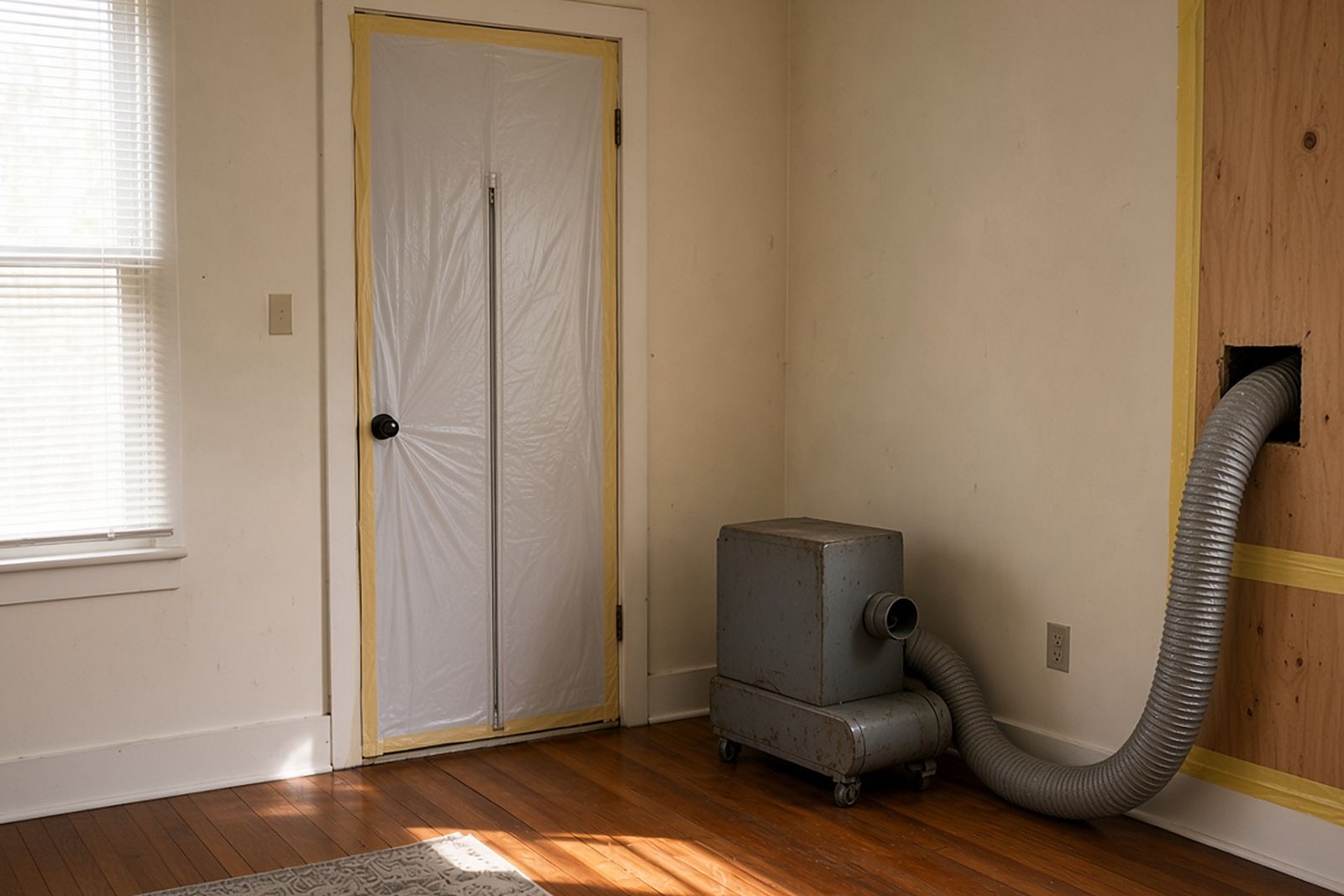
The science of cleanup after a homicide: why the damage reaches farther than it looks, what a police hold changes and how a crew shows your home is safe again.
Homicide cleanup uses infection control and chemistry in a home the police have often held for days. Fine droplets can travel well past the main area. Fluids soak into absorbent building materials. Time adds drying, odor and sometimes decay. A good crew finds the full extent and removes what cannot be made clean. It cleans before it disinfects, and it checks the work before you return.
How to Evaluate Equipment Proposed for Homicide Cleanup
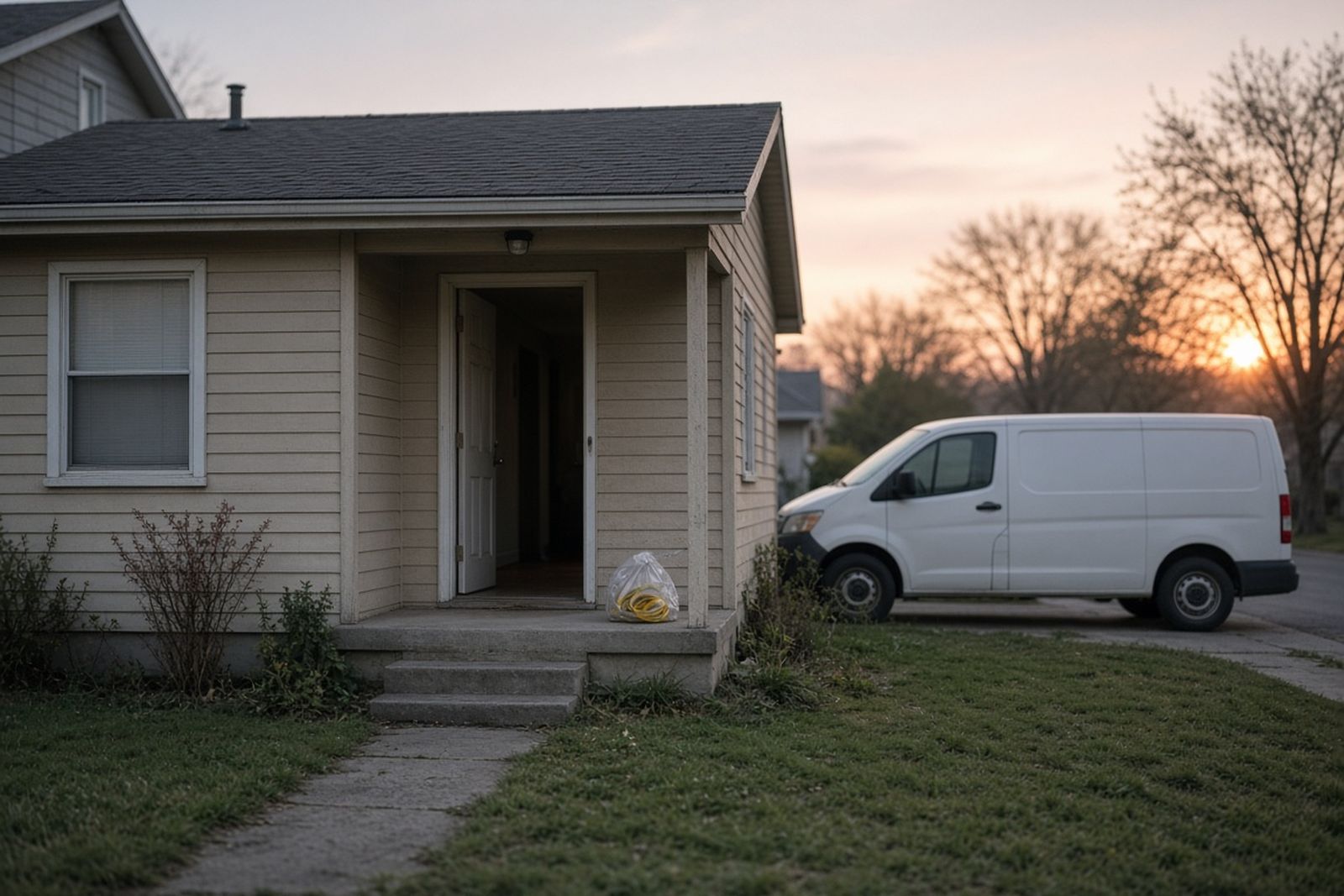
What to look for in the equipment list a cleanup company gives you after a homicide. Good gear matches what the crew found in your home.
Tie each item on the list to something the crew found in your home. Look for protective gear that fits the hazards and disinfectants that are named and registered with the EPA. Look for tools to remove flooring and drywall, plastic barriers and air filters sized to the job, sealers for wood that stays, and test tools that give you written records. Question gear that is generic, oversized or unexplained.

The Difference Between Cleaning and Disinfection in Homicide Cleanup
Cleaning and disinfecting are two different steps after a homicide. See why dried blood needs both and what that means for the belongings you want to keep.
Cleaning removes blood, tissue, tracked residue and police materials. Disinfecting comes next. A registered product stays wet on the surface for the full time on its label to kill the germs that are left. Police often hold a home for days, so blood may be dried and widespread. That is why careful cleaning must come first. Absorbent materials are usually removed, and each of your keepsakes is checked one by one.
When ATP Testing Helps—and When It Does Not—in Homicide Cleanup
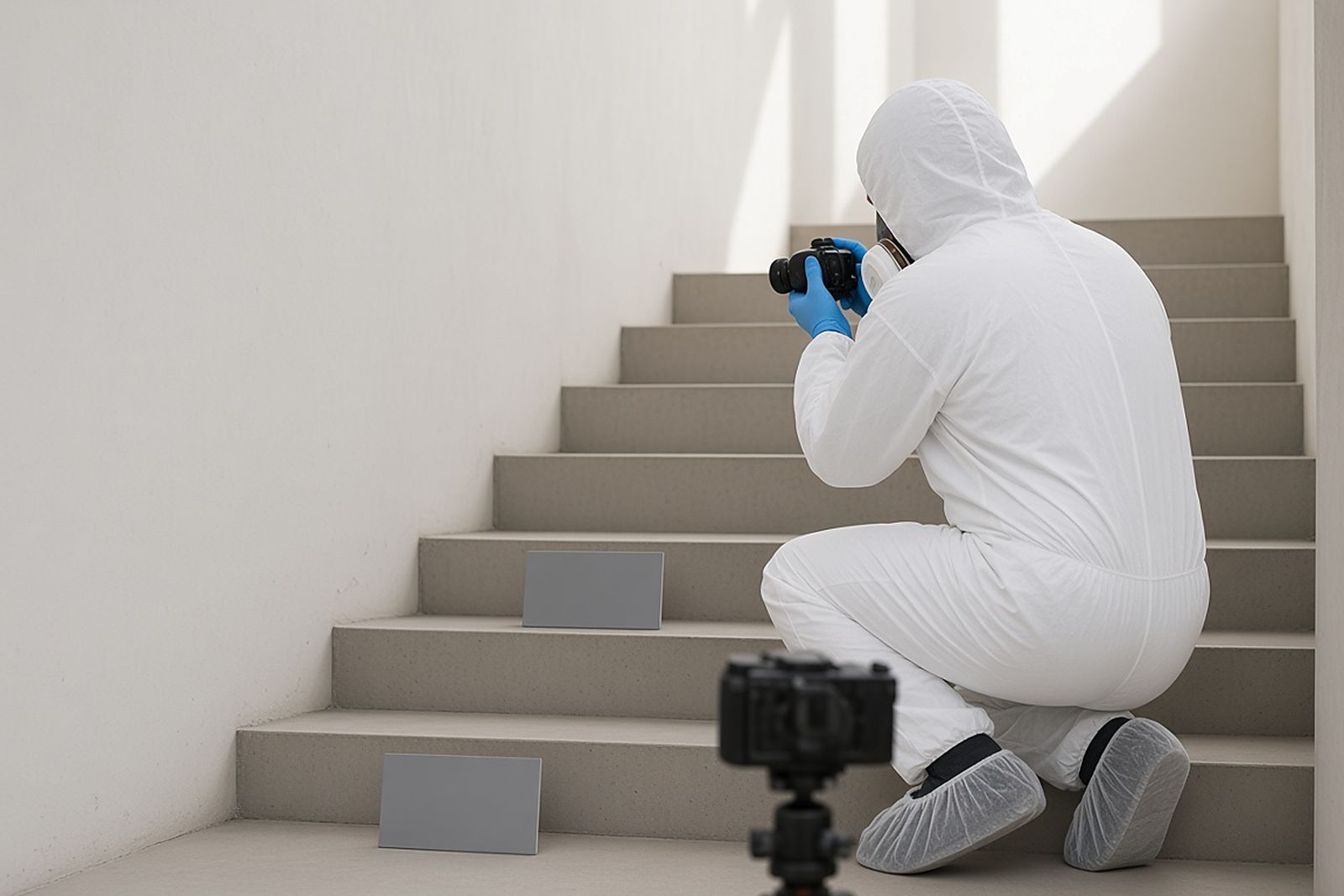
How a quick swab test is used after homicide cleanup, why it misses police residue and hidden spread, and what proof of a finished job you should expect.
After a homicide, a quick swab test can show whether hard surfaces that stayed in your home still carry organic residue. It cannot detect fingerprint powder or police chemicals. It cannot name germs or look inside floors or walls, and it has no universal pass line. Treat it as one piece of proof, along with photos, removal records, disinfectant logs and a final walk through the home.
How to Evaluate Technology Used in Homicide Cleanup
A plain way to judge the machines a cleanup company offers after a homicide. Learn which tools help in your home, from special vacuums to foggers, and which you can skip.
Judge each tool by four things. What does it do in your home? What can it not do? Does it change the work plan? Why is a simpler method not enough? Tools that find hidden blood, capture fingerprint powder and dust, or record the work clearly tend to earn their place. Fogging, ozone and UV light need a specific reason and safety steps.
When Enzymes or Microbial Products Fit Homicide Cleanup
Enzyme cleaners can help in a few spots after a homicide. Learn what they do in your home, why they cannot kill germs or lift fingerprint powder, and when a crew uses them.
Enzyme and microbe cleaners can help break down dried blood in hard surfaces that soak up liquid, such as concrete, brick, grout and floor seams. They help most when police held the home for days. They do not kill germs. They do not remove fingerprint powder. They cannot save soaked furniture or carpet. In your home they should be one small, targeted step inside a larger written plan.
Facts worth knowing
Some people bereaved by homicide in a UK support programme said delays in closing their loved one's social-media accounts kept painful reminders coming.
Why it matters: When you feel ready, you may want to ask each platform how to close or memorialize the account.
In interviews with 18 people in Germany who lost someone to suicide, some said others with a similar loss understood them without long explanations.
Why it matters: If explaining yourself is tiring, you may find a suicide-loss support group easier than talking with people who have not been through it.
In interviews with 15 grieving German adults, some valued company that came with no pressure to talk.
Why it matters: If you are supporting someone, you may help just by sitting with them; you do not have to find the right words.
Education: common questions
Why can't the investigation residue simply be wiped away like dust?
Fingerprint powders are very fine. When disturbed, they can float through the air or get pressed into textured surfaces. Some chemical treatments leave a film that reacts with ordinary cleaners. Removing them the right way usually starts with a special filtered vacuum. Then comes a cleaner that is safe for that surface. Dry wiping or sweeping can push the particles deeper or send them into the air ducts.
What does it mean when a company talks about fluid migration?
It means how far fluid soaked in beyond the stain you can see. Fluid can soak down through carpet into the pad and subfloor. It can also wick sideways into drywall and baseboards. A surface can look clean while the material under it is still soiled. Companies use moisture readings, close inspection, and sometimes small test cuts to trace how far the fluid went. Then they decide what must be removed.
Is homicide cleanup different from other kinds of trauma cleanup?
The main safety steps are the same as other trauma work. But homicide scenes often cover larger areas and leave investigation residue behind. They also involve closer contact with police, even after release. There may be more parties with an interest in the property, such as an estate and insurers. These things shape the plan, the paperwork, and how quickly choices can be made.
Do I need to understand the science to make good decisions?
No. The education articles are here for people who feel calmer when they understand why companies remove certain materials or clean before they disinfect. Many families make good choices by asking a few clear questions and comparing written plans. If technical reading feels like too much right now, skip this category. You can come back to it later, or ask someone you trust to read it for you.
How do the educational articles help when reviewing a company's scope?
They explain the reasons behind common items on a plan. Examples include removing carpet pad, sealing bare wood framing, or handling investigation residue separately. With that background, you can ask whether each item fits your home. You can also notice when something seems to be missing. The articles help you spot claims worth questioning, such as a promise that one product or machine will replace thorough cleaning.
Are these articles useful for people who work alongside families, such as advocates?
Yes. Victim advocates, clergy, funeral staff, and property managers often get questions about cleanup without having seen the work up close. The education articles give plain explanations they can share with families or sum up for them. They are general background, not professional training. Still, they can help someone supporting a family explain why certain steps matter and what to ask a company.
Which educational topic do families most often wish they had understood earlier?
Many are surprised that contamination can reach well past the area they can see. They are also surprised that soft, absorbent materials often cannot be saved. Knowing this early helps families accept a larger job and avoid letdowns about furniture or flooring. The articles on the science of homicide cleanup and on cleaning versus disinfecting explain both topics. They use calm, plain language without graphic detail.
Related community polls
Vote to see how other people answered. You can change your answer at any time.
What was hardest to arrange after the scene was released?
When did you first learn that a victim compensation program might help?
More on homicide cleanup
Homicide Cleanup services
Learn what homicide cleanup involves for families, estates, and landlords. Topics range from sealing off several rooms to lists of belongings and final records.
Costs explained
What drives the price, published cost ranges, and how to read a written quote line by line.
Insurance and payment
Which policies may respond, how to document a claim, and what to do if coverage is denied.
Planning tools
Planners, checklists, and organizers for the weeks after a homicide. They cover police holds, estate authority, landlord duties, and victim compensation.
Community polls
Shared experience from families, advocates, and landlords on what was hardest after a homicide and what help mattered.
Knowledge quiz
A calm review of police holds, authority, sealing off work areas, disinfecting, waste, and records. The study guide is written for grieving families and the people helping them.