Short answer
Get the injured worker care, and call 911 if needed. Stop or lock out the equipment involved. Then clear the area and block it off. Keep coworkers out, and leave tools, guards and materials where they are. Report qualifying injuries to OSHA within the required time and ask whether to leave the scene untouched. Take notes and photos from the edge. Support your crew, and wait for release before any cleanup starts.
People first
People come before everything else. Call 911 if the injury is serious. Make sure your trained first aid responders reach the injured worker fast. If a machine is involved, stop it with the nearest emergency stop. Keep everyone else from reaching into the danger area.
Once emergency responders are on the way or on site, name one person to meet them at the entrance and lead them to the scene. In a large plant or warehouse, that simple step can save minutes that count.
Turn your attention to the scene itself only after medical responders are caring for the injured person. Nothing about cleanup, production or paperwork should slow down care.
Make the area safe without disturbing it
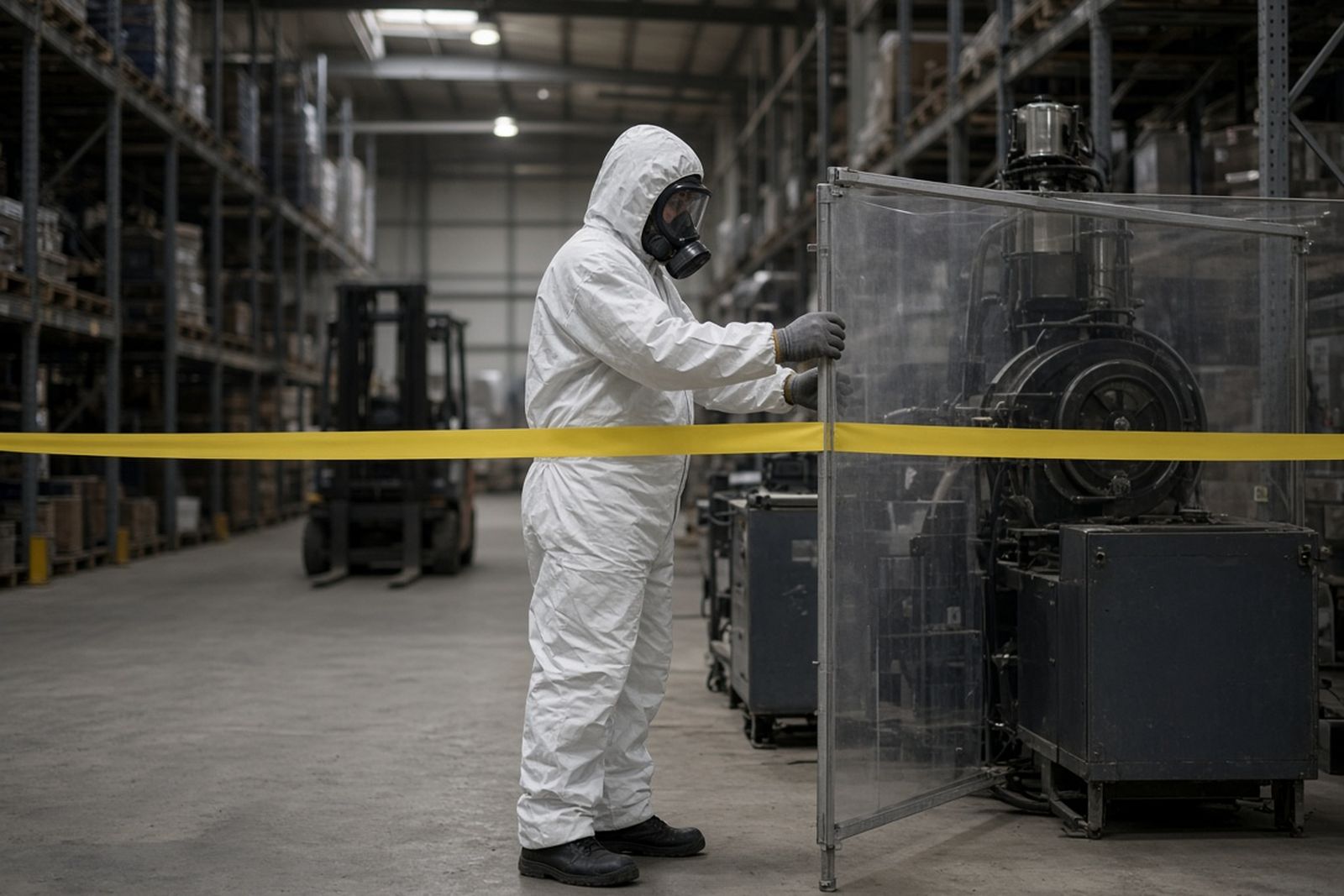
Your goal is to stop more harm while you change as little as you can. Those two aims can seem to pull against each other. In practice, it means you close the area off. You do not fix it.
There may be a chance of chemical exposure, such as a leaking line, a burst container or an odd smell. If so, clear the area and follow your emergency response plan. Harmful exposures are a serious kind of workplace harm in their own right. BLS reported that exposure to harmful substances or environments caused 820 U.S. worker deaths in 2023, falling to 687 in 2024. Do not send employees into an area with an unknown chemical danger to check on equipment or clean up.
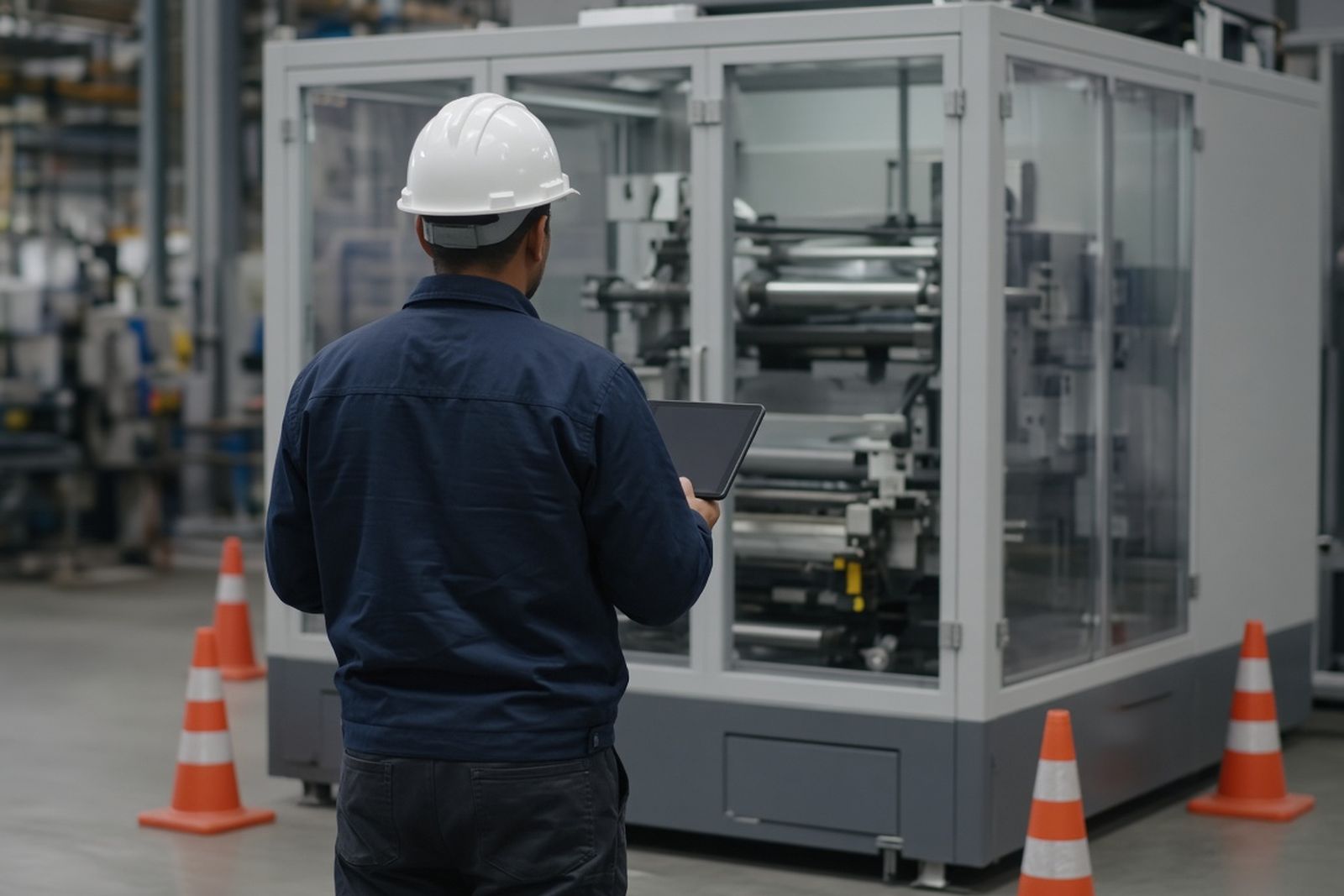
- Lock out and tag out the equipment involved, following your procedure, so it cannot cycle or restart.
- Block or rope off the area the accident touched, with some extra room around it.
- Keep coworkers, visitors and drivers out of the area.
- Leave tools, guards, parts and spilled materials just where they are.
- Stop forklift and foot traffic that would pass through the area.
- Post someone at the edge to keep a log of who goes in.
Do you need to call OSHA, and does that affect cleanup?
Some outcomes must be reported to OSHA within short time limits set by 29 CFR 1904.39. These include work-related deaths, in-patient hospital stays, amputations and loss of an eye. Your safety manager or HR lead should know the process. If you are not sure, report. Do not guess.
When you report, ask plainly whether you should leave the scene untouched for an inspector. Write down the answer, the date and time, and the name of the person you spoke with. Local police or a medical examiner may also put their own hold on the area, most often after a death.
No cleanup should begin until everyone with a say has released the scene. You can call a cleanup company and have it stand ready. But it should wait at the edge.
Why shouldn't coworkers clean up the scene?
After a serious injury, your coworkers often want to help. Cleaning up can feel like a way to put things back in order. It is still the wrong choice, for several reasons.
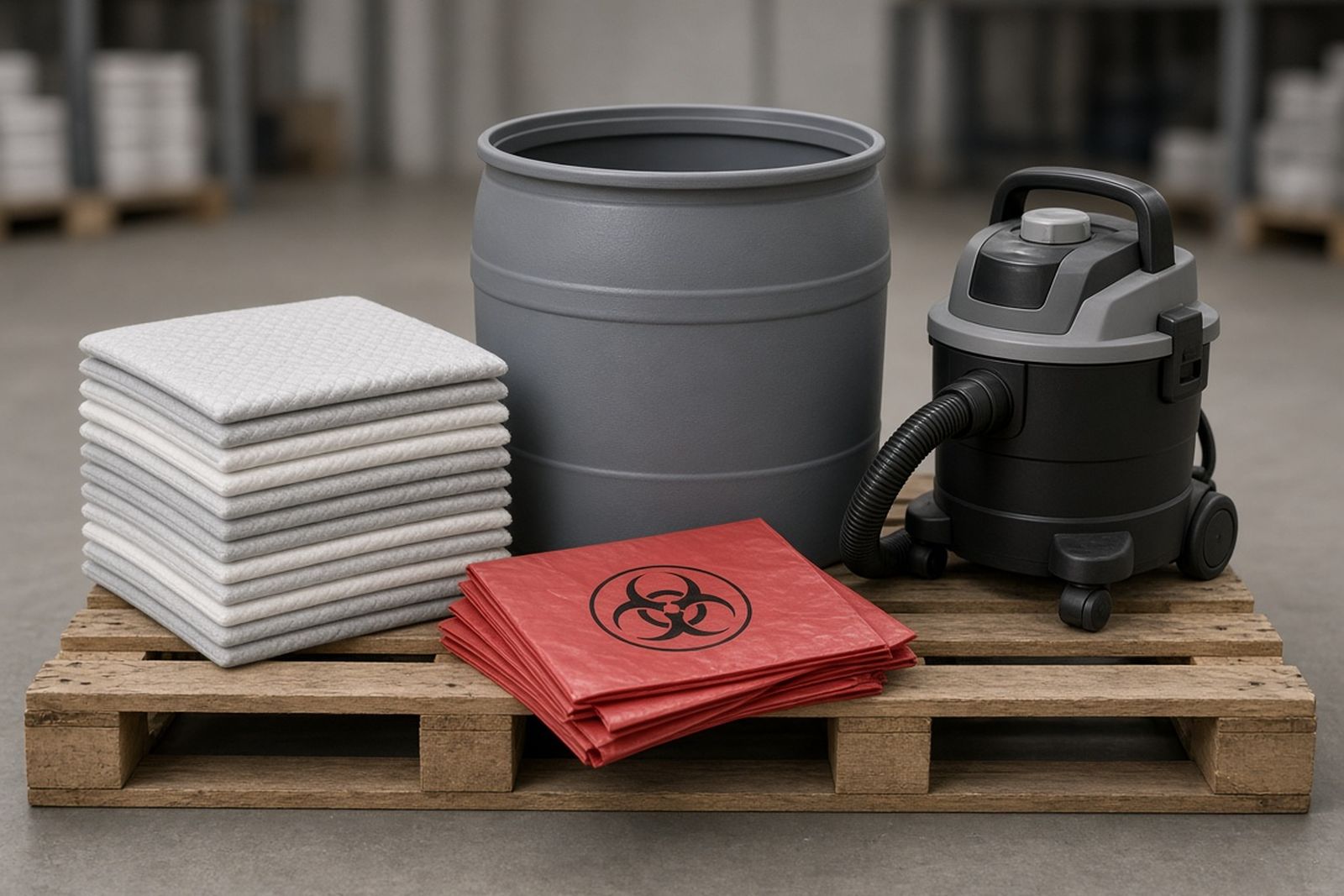
First, blood and body fluids carry exposure risks. Handling them takes training and protective gear that most production employees do not have. Second, cleaning disturbs evidence that investigators, your safety team and your insurer need to see. Third, asking people to scrub the place where a coworker was hurt can deepen the pain of what they just saw.
Thank people for wanting to help. Then give them something useful to do. They can keep the edge of the area clear. They can find safety data sheets. They can support coworkers who are shaken.
The same goes for small, well-meant acts. Someone may cover blood with sawdust, wipe down a control panel or move a damaged part to a workbench. Each one changes the scene in a way you may not be able to undo. Something may pose a danger right now, such as a slippery spot at the edge of a walkway that must stay open. Cover it or rope it off. Do not clean it. Then note what you did.
What to write down while you wait
Good notes taken in the first hours are far more reliable than memories pieced together days later. Give the job to someone calm and organized.
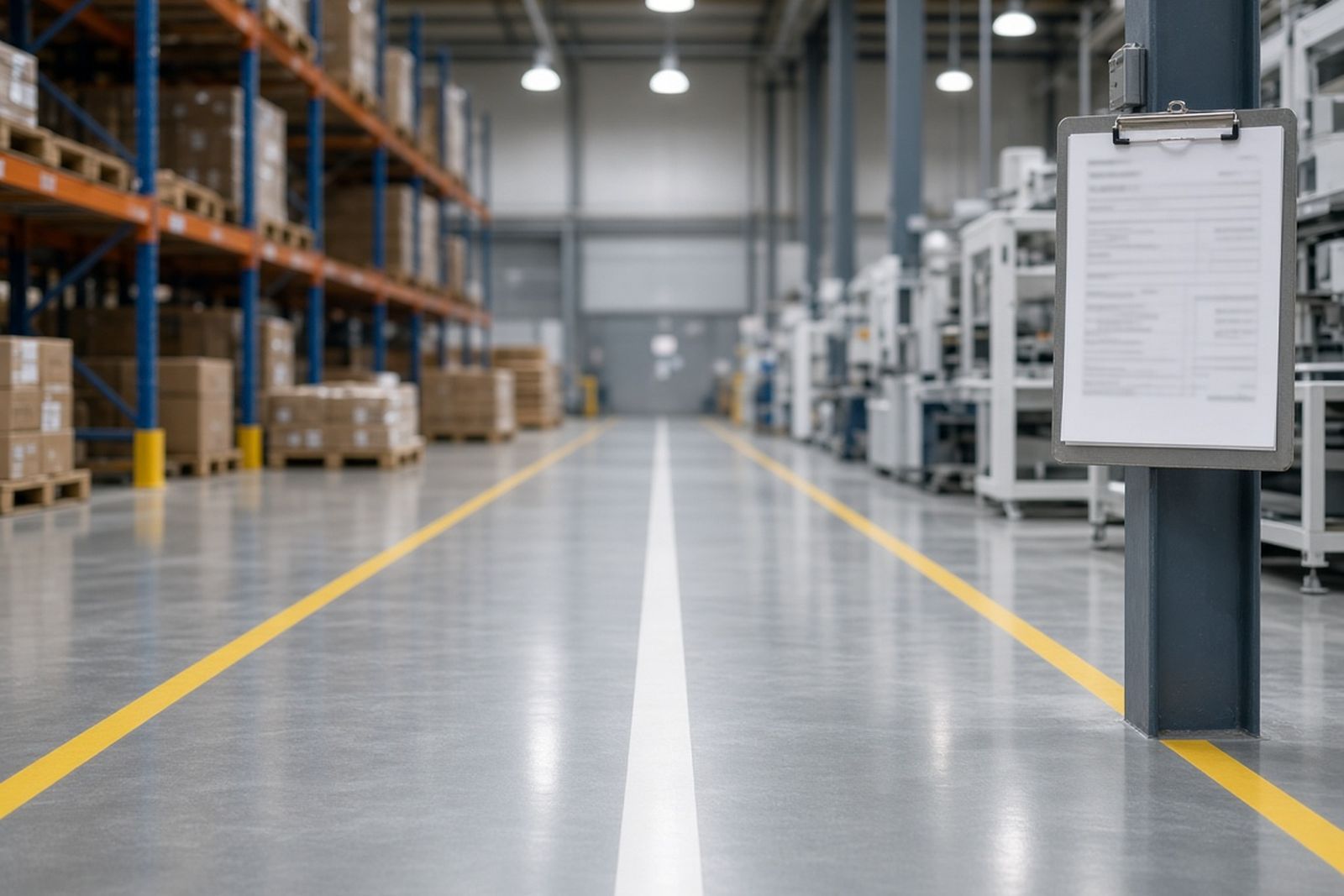
Record the time of the accident, who was there and what equipment was running. Record what the injured worker was doing and what was done afterward. Take photos of the scene from the edge, without stepping inside the barrier. Note conditions that investigators may ask about, such as lighting, noise and the floor surface.
Keep your notes to the facts. Do not guess about the cause in writing. That is the job of the investigation. Store the notes and photos somewhere safe and share them with your safety lead.
If your site has security cameras that cover the area, ask whoever runs them to save the footage right away. Many systems record over old video on their own, and investigators often ask for video early.
Supporting those who saw it, and telling the right people
Seeing a serious injury at work can be deeply upsetting, even for experienced employees. Some people will want to talk. Others will go quiet. Both reactions are normal.
Think about pausing work in the area around the scene, not only the spot itself. That gives your people a moment to collect themselves. Share information about your employee assistance program right away. Let your supervisors know it is fine to send someone home who is in no state to work safely.
The accident may have been a death. Or someone may speak of harming themselves in the days that follow. In either case, connect people with support at once. The 988 Suicide and Crisis Lifeline is available by call or text at 988 for anyone who needs someone to talk to.
Beyond emergency services and regulators, a serious accident sets off a chain of calls inside your company. Getting these right early prevents confusion and keeps rumors from filling the gap.
Your plant manager or site lead, your corporate safety team, human resources and your insurance contact usually need to know fast. If medical responders have not reached the injured worker's family, HR or a senior leader should make that call with care and privacy. Brief the supervisors on other shifts before their people arrive. Then they are not caught off guard by questions or by a blocked-off area.
For the rest of your workforce, a short, factual message is usually best. An employee was injured. They are getting care. The area is closed while the accident is reviewed. Support is available. Do not share medical details or guess about the cause.
If customers or deliveries will be affected, your operations staff can deal with that on their own track. In these hours, the people inside your building come first.
Walk-through: the first two hours at a warehouse (an example)
Here is an example of how these steps fit together. It is not an account of a real accident. A night-shift supervisor at a regional warehouse hears a shout from the pick area. A load has fallen from the upper racking and struck a worker, who has a serious leg injury.
The supervisor calls 911 and sends a lead to meet paramedics at the dock door. The trained first aid responder is asked to stay with the injured worker. Forklift traffic in that aisle is stopped. After the worker is taken to the hospital, the supervisor ropes off the aisle. The fallen load and pallet stay in place, and someone is assigned to log who goes in.
The supervisor calls the on-call safety manager. The safety manager reports the hospital stay to OSHA and asks about leaving the scene untouched. The supervisor takes photos from the end of the aisle and writes a short timeline. The rest of the crew moves to a break room and gets information about the employee assistance program. A cleanup company is called and told to stand by until release.
By the end of the shift, nothing has been cleaned. That is just as it should be.
Ready for release: what the cleanup company will need
When the release comes, you want the cleanup company to begin safely and without delay. A little preparation on your part goes a long way.
Ask your safety lead to confirm any added notices or waste rules before work begins.
- Written word that the scene has been released, or a phone confirmation that you have written down.
- Lockout already in place, and a maintenance contact ready to work with the crew.
- Safety data sheets for any chemicals or fluids in the area.
- Your photos from the edge of the scene and your timeline of the accident.
- A named contact from your team who will stay during the work.
- Your site safety orientation materials for the company's workers.
- A clear path for equipment in and waste out that avoids work areas with people in them.