Industrial Accident Cleanup planning tools
Work through cost, hiring, insurance, first steps and disposal at your own pace.
The tools on this site are built for a manager who has just heard about a serious injury on the floor and needs to make sound choices fast. Each one takes one piece of the situation and turns it into a short, organized exercise. The pieces are estimating what cleanup might cost and checking whether a contractor is qualified. They also include organizing an insurance claim, planning the first day, sorting waste, and deciding whether in-house staff should try the cleanup. You answer a few questions about your facility and the accident. The tool then gives you an organized view of your options and the questions you should ask. Nothing here needs an account. Nothing you enter is sent to a contractor or insurer.
Get an email reply about industrial accident cleanup
Send a short message to the follow-up inbox. A coordinator can reply by email. This form does not send emergency help; call 911 first if anyone is in danger.
Choose a tool
Each tool is free and private: nothing you type is saved or sent anywhere. Use the results to get ready for a visit from a cleanup company or a call with your insurer.

Cost Range Estimator
Set the affected area, surface types, severity and extras to see a rough cost range and what pushes it up or down.
Open tool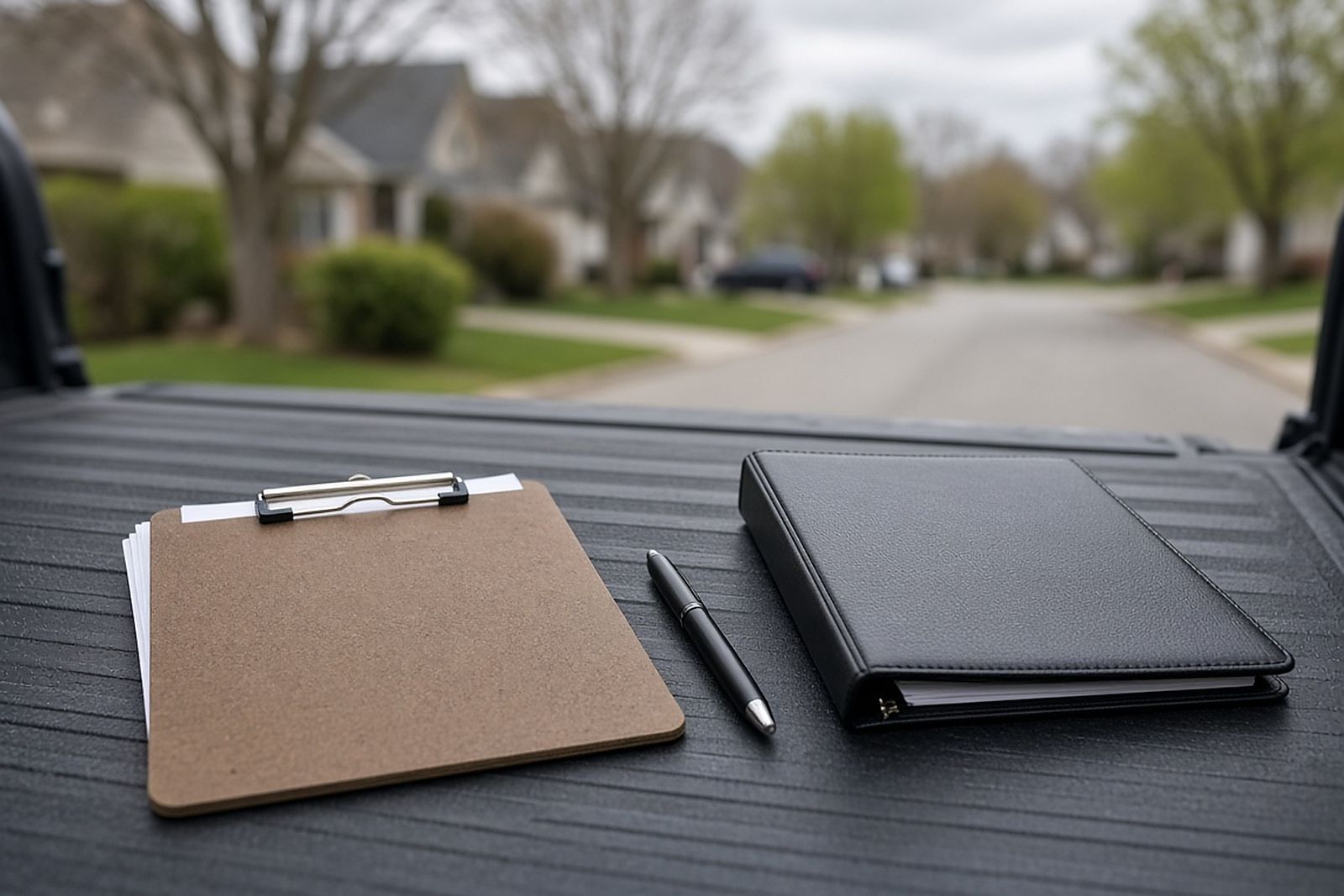
Company Vetting Checklist
Fifteen questions to ask any cleanup company, a score that shows how ready you are to hire, and a list of what is still unanswered.
Open tool
Insurance Claim Organizer
A guided checklist from finding the policy to tracking the insurer’s decision, with a printable summary of where the claim stands.
Open tool
First 24 Hours Planner
Tell the planner a few facts about the situation and get an ordered list of who to call, what not to touch, and what to photograph.
Open tool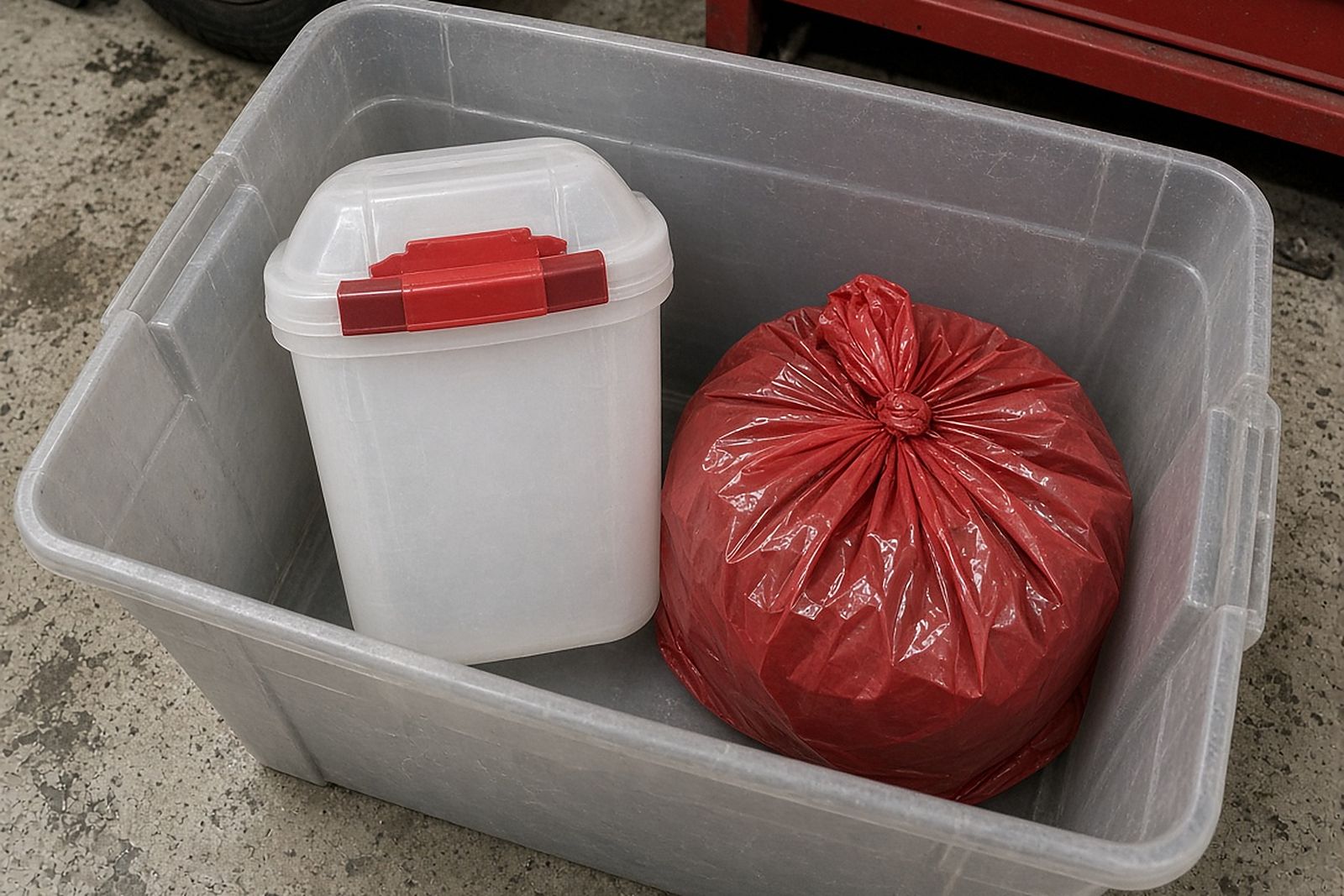
Waste & Disposal Classifier
Five questions about the material point to the likely waste category and which authority to confirm the rules with.
Open tool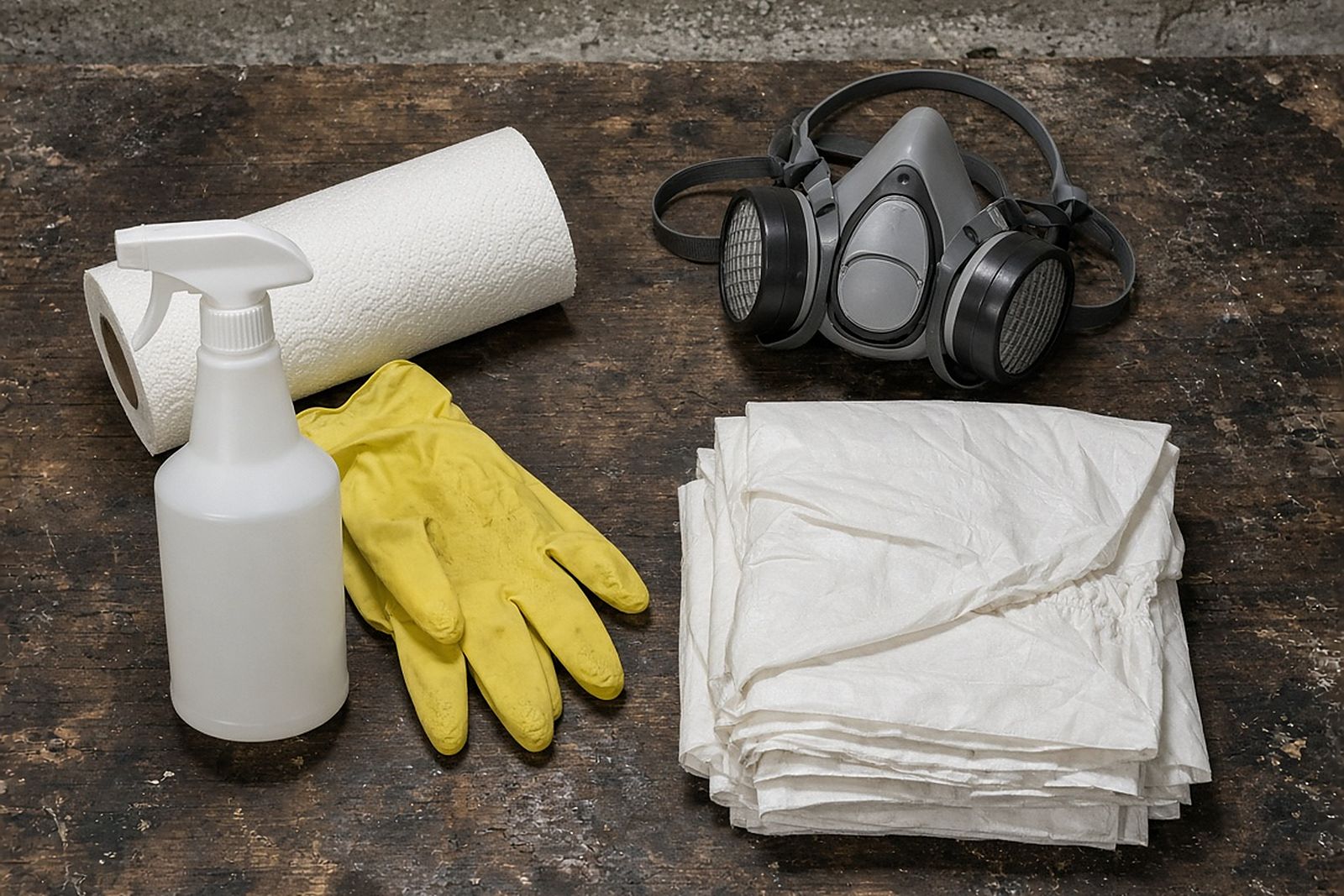
DIY or Call a Pro? Risk Check
Eight yes-or-no questions that produce a risk level and explain when professional help is the safer choice.
Open toolKnowledge quiz
A short quiz with an explanation for every answer, so you can check what you know before you make decisions.
Take the quizHow these tools fit industrial accident cleanup
These tools work best in the order things happen. Start with the First 24 Hours Planner while the scene is still on hold. It shows who to call and what to leave alone. Use the DIY or Call a Pro risk check when someone suggests maintenance can handle it. Use the vetting checklist while you are on the phone with contractors. Open the cost estimator before quotes arrive. It helps you judge whether a bid is in a reasonable range and whether the work plan is complete. The waste guide helps you ask the right questions about the waste shipping record. The claim organizer keeps the insurance side moving while operations focuses on the restart.
Every tool has limits. Cost ranges are for learning only. They cannot account for your equipment, your chemicals, or local labor costs. The vetting checklist tells you which questions to ask, not whether an answer is honest. So check licenses, proof of insurance, and training records directly. The waste guide suggests a likely category and the office to confirm it with, because rules vary by state and county. None of the tools replace your company EHS team, your lawyer, or the agencies that may oversee your accident. Use them to organize your thinking and your records. Then confirm the important choices with the people who are responsible for them.
Facts worth knowing
In a lab test published in 2020, hydrogen-peroxide wipes killed more C. difficile spores than the quaternary-ammonium wipes tested.
Why it matters: Not every disinfectant works well on C. diff, so ask what product will be used in your home or building.
In a lab test of six commercial wipe products, published in 2020, every product carried bacteria onto surfaces that had been clean.
Why it matters: A used wipe can spread germs, so ask whether your cleaner changes wipes often rather than using one across a room.
After a 2014 spill in West Virginia, people who got information quickly were more likely to follow the recommended safety steps.
Why it matters: If your site has a spill, tell affected people fast and clearly; delays may mean fewer follow your safety instructions.
What other people chose
Vote to see how other people answered. You can change your answer at any time.
After a serious injury on the floor, what was your hardest early decision?
How did your facility handle cleanup after a serious blood incident?
Questions about the industrial accident cleanup tools
Which tool should I open first after an incident?
Open the First 24 Hours Planner. It asks whether the scene has been released, whether workers are still nearby, and a few other facts. Then it lays out a list, in order, of calls, holds, and photos. Once the first steps are underway, the vetting checklist and cost estimator become useful as you start talking to contractors.
Do the tools save my answers?
Your answers stay in your browser during the session. They are not sent to the site or to any company. If you need a record, use the copy or print options in each tool to save the results to your incident file. Closing the tab or clearing browser data will erase what you entered. So save anything you want to keep.
Can I use the cost estimator to negotiate with a contractor?
Use it to understand what drives cost. Also use it to check whether a quote covers the full job, including waste, final checks, and paperwork. It is not a price guide, and quoting it to a contractor as a target will not help. A better approach is to ask each bidder to list the same line items. Then you can compare them fairly.
Are these tools appropriate for a construction site rather than a plant?
Yes. The questions cover both fixed facilities and job sites. That includes the general contractor and subcontractor setups that make scene control harder on construction projects. When a tool asks about equipment or lockout, answer for the machines or energy sources at your site. Keep in mind that a temporary site may have less setup for sealing off areas and holding waste.
What does the waste classifier do if my material is mixed?
It flags the mix. It explains why material soiled with blood that also touched process chemicals cannot be assumed to be only medical waste or only hazardous waste. It must be tested and sorted first. The tool then points you to the right agencies, your contractor, and your hauler for a proper decision. It does not guess for you.
Is the claim organizer relevant if workers' compensation is the main coverage?
Workers' compensation covers the injured employee's medical care and wages. It does not usually cover the facility's cleanup. The organizer helps you find which policy might cover cleanup costs. That is often commercial property coverage or a pollution add-on. It also helps you keep the two claims from getting tangled. It reminds you to write down what each insurer asked for and when.
Can I share tool results with my corporate safety team?
Yes, and you should. Each tool creates a summary you can copy into an email or print for the incident file. Sharing the readiness score from the vetting checklist, or the action list from the planner, gives your company a quick view of where things stand. It also lets them add rules you may not know about.
More on industrial accident cleanup

Industrial Accident Cleanup services
See how workplace injury cleanup, chemical spill response, equipment cleaning, and confined space work are planned and ordered for plants and job sites.
Costs explained
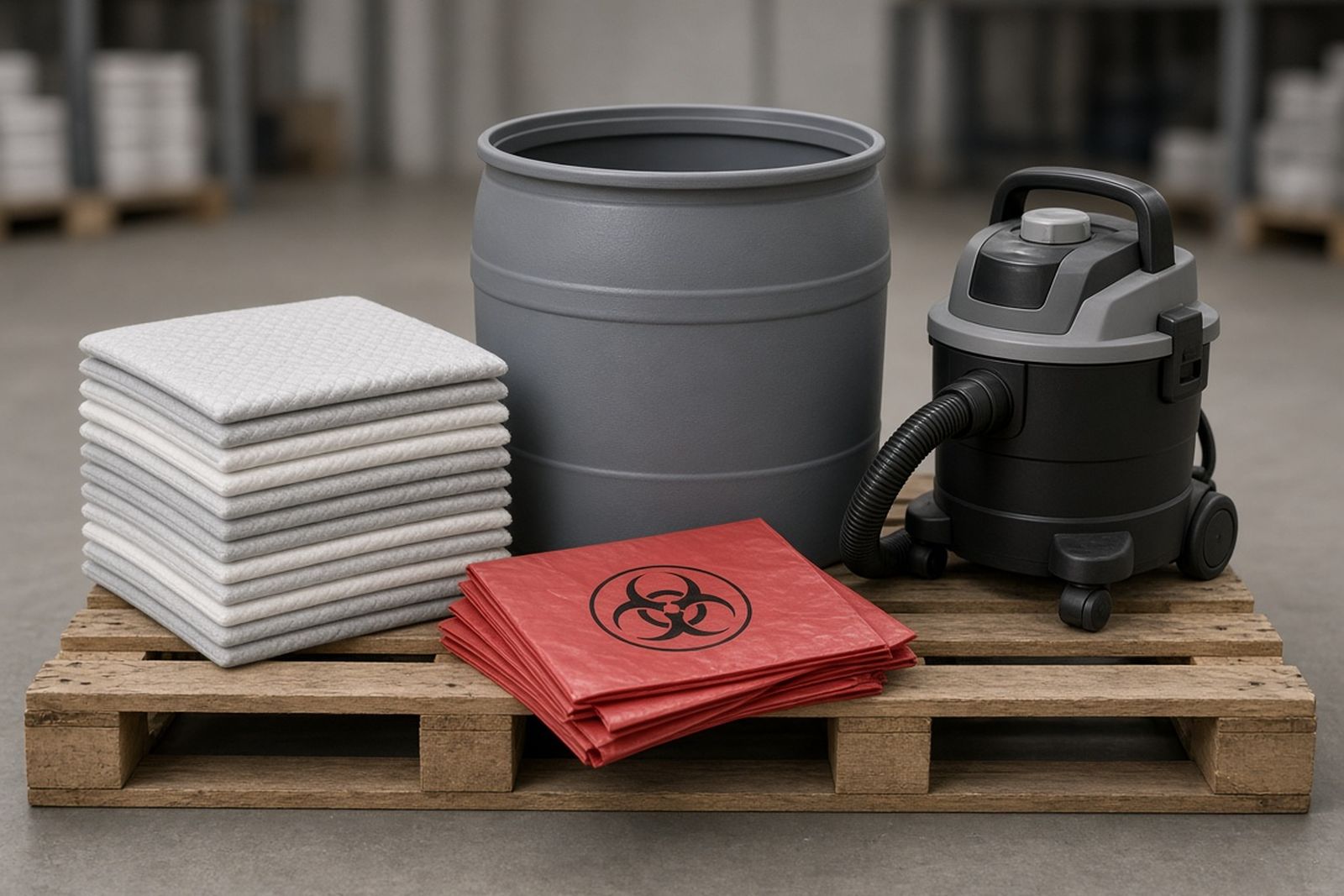
What drives the price, published cost ranges, and how to read a written quote line by line.
Insurance and payment
Which policies may respond, how to document a claim, and what to do if coverage is denied.
Community polls
Compare your instincts with other operations and safety leaders on scene holds, restart pressure, choosing a contractor, and supporting affected workers.
Knowledge quiz
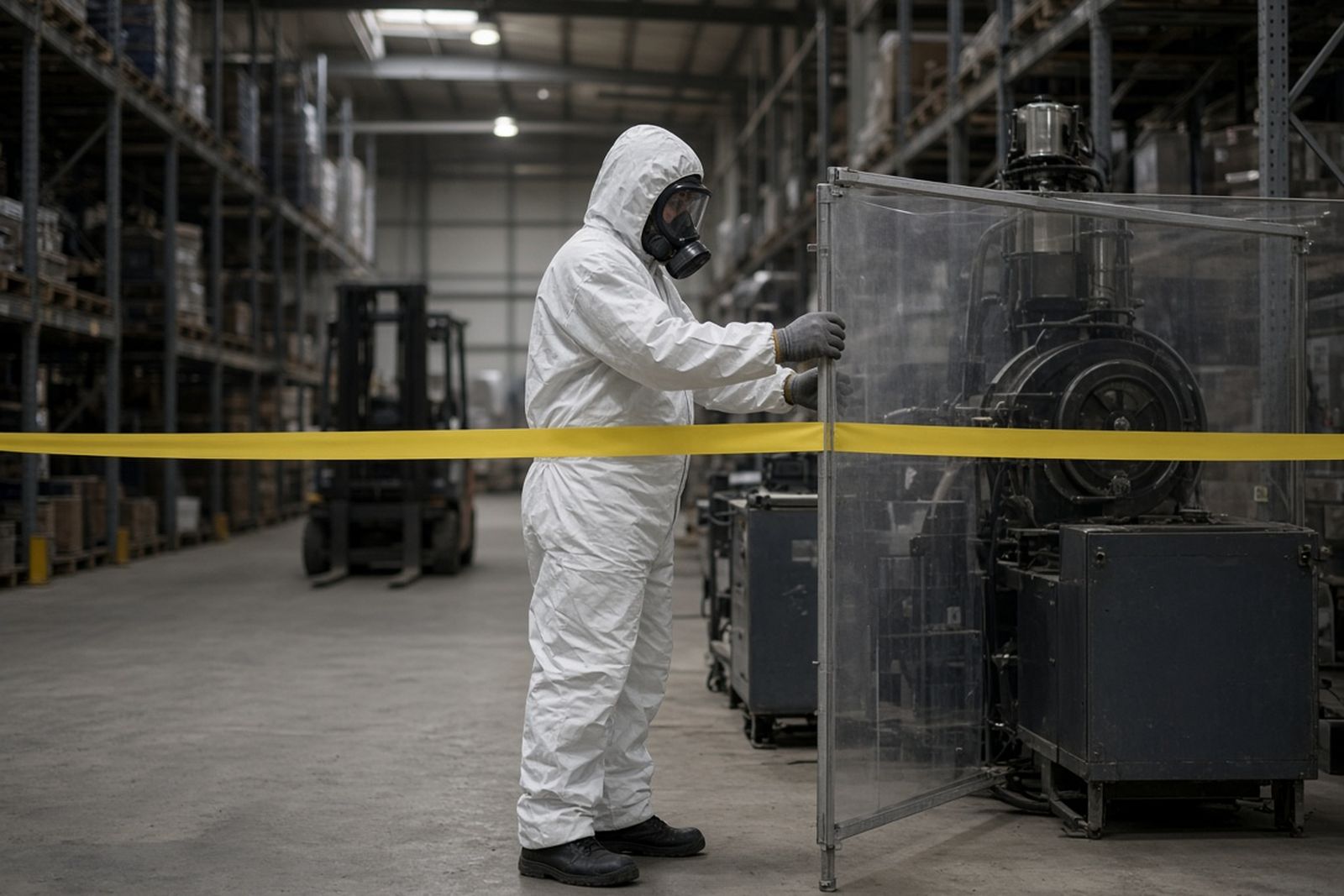
Test what you know about spotting hazards, scene control, sealing off areas, disinfecting, waste paths, and records before an accident puts it to use.
Articles and resources
Practical articles on OSHA report deadlines and working with investigators. Others cover sites shared by several employers, planning the restart, and hard lessons other plants learned.