Free industrial accident cleanup tool
Industrial Accident Cleanup Waste & Disposal Classifier
Five questions about the material point to the likely waste category and which authority to confirm the rules with.
Waste from an industrial accident is rarely just one thing. A single event can produce blood-soaked absorbents and rags with hydraulic fluid on them. It can also produce broken tools with sharp edges, soiled packaging or product, and ordinary debris from the barriers. Each of these may belong in a different container, with a different label, hauler, and paper trail. Mistakes have effects that last beyond the cleanup. Examples include regulated medical waste in a dumpster, hazardous absorbents in a red bag, or a waste shipping record that does not match what was actually shipped. This guide asks five questions about one material. It points you toward its likely category and the office that can confirm the answer. The categories are regulated medical waste, hazardous waste, sharp objects, or ordinary trash.
The tool is careful on purpose. If material is mixed, it says so. It explains why the material must be tested and sorted instead of guessed at. It also reminds you that the facility, not the contractor, is usually the official source of any hazardous waste. That role comes with duties that last beyond the vendor's job. Rules vary by state and county. Local wastewater and trash agencies may have their own rules too. So every result names the type of office to check with. Use the guide to prepare for talks with your contractor and hauler. It does not replace their decision or your environmental compliance program. Keep a copy of each result with the waste shipping records, so an auditor can follow your thinking from material to container.
How to use it
- 1Pick one material from the scene, such as absorbent pads, a damaged tool, or soiled product.
- 2Answer the five questions about what the material touched, whether it could puncture, and whether chemicals were involved.
- 3Read the likely category and the reasons. Watch for any warning about mixed waste.
- 4Note which office to check with. Repeat the steps for each different type of material.
Prefer to ask a person?
Your request is sent to the follow-up inbox. A coordinator can reply by email. Not for emergencies; call 911 first if anyone is in danger.
Work out the likely waste path
Industrial Accident Cleanup waste and disposal classifier
Points you to the likely waste category and who confirms the rule. State and local definitions control; verify before anything leaves the property.
Likely regulated medical waste (biohazard)
- Materials saturated with blood or other potentially infectious material, or that would release liquid if compressed, are treated as regulated medical waste in most states.
- Packaging usually means red bags inside rigid containers, labeled with the biohazard symbol, and a licensed transporter with a manifest.
Who confirms the rule
- State health or environmental agency (regulated medical waste program)
- The remediation provider, who should name the transporter and treatment facility in writing
This is an educational sorting aid, not a regulatory determination. Waste rules vary by state and county.
A worked example
Here is a made-up example. At a chemical plant, a worker was badly hurt while opening a line. At the same moment, a small amount of a corrosive process fluid spilled. After the scene is released, the manager has several kinds of waste set aside. There are absorbent pads used on the mix of blood and fluid. There is a piece of gasket and a hand tool with sharp broken edges. There is the worker's cut-away clothing and a pile of plastic sheeting from the barrier. She runs each one through the guide. The absorbent pads set off the mixed-waste warning, because they touched both blood and a listed process chemical. The tool tells her they must be tested and sorted with her hazardous waste contractor. It also says the facility is likely the official source of that waste. The broken tool is flagged for a sharps container that cannot be punctured, because of the blood and the sharp edges. The clothing points toward regulated medical waste. The barrier sheeting never touched soiled material. So it is marked as ordinary trash, with a reminder to confirm nothing was tracked onto it. For each result, she notes which office to check with, including the state environmental agency and the local wastewater district. She gives the list to her environmental coordinator before any container leaves the dock.

Facts worth knowing
In a 2019 survey of 47 US hospital cleaning departments, spore-killing products were common in contact-isolation rooms but uncommon in ordinary rooms.
Why it matters: Not every disinfectant kills spores; if your germ forms spores, ask whether the product used is rated for them.
In a September 2012 survey of 204 households near a chemical odor incident, 36.5% said they sought medical care for symptoms they linked to the odor.
Why it matters: If your site releases a strong odor, expect neighbors to seek medical care; tell them quickly what was released and what to do.
In a lab test of eight disinfectant wipes on healthcare plastics, published in 2024, every wipe contained ingredients able to make stressed plastic crack.
Why it matters: Before wipes are used on your plastic equipment, ask whether the equipment maker approves that product.
Waste & Disposal Classifier questions for industrial accident cleanup
What does mixed waste mean in this context?
Mixed waste is material that falls under more than one set of waste rules. Most often, it is blood or other potentially infectious material combined with a chemical that would be hazardous on its own. Neither the medical waste path nor the hazardous waste path is automatically right. The material needs to be tested and sorted, and the treatment site must agree to accept it. The guide flags this instead of choosing for you.
Who is the generator of record for hazardous waste from our incident?
In most cases, the facility where the waste was created is the official source under federal rules, not the cleanup contractor. That brings duties for identifying the waste, filling out the waste shipping record, and keeping records. Ask your environmental coordinator to confirm your status. Ask whether the accident waste changes your category for the month. Contractors can help pack the waste and arrange hauling. But they cannot take on your legal duties as the source.
Can blood-contaminated debris go in our regular dumpster if it is bagged?
Usually not. Material soaked with blood or other potentially infectious material belongs in the regulated medical waste stream. It needs the right containers, labels, and a licensed hauler. Local rules decide whether very small amounts might be handled differently. Check with your state health or environmental agency before treating anything soiled as ordinary trash. Keep the hauler receipts.
What about liquid that went into a floor drain?
Liquid that went into a drain is already out of your control. It may now be a wastewater rules issue. Note about how much went in and what it contained. Protect the drain from more flow. Contact your local wastewater agency or its pretreatment coordinator to ask whether you need to report it. The guide covers material you can still contain. For drain spills, get advice from the agency directly.
Should I keep the waste shipping records with the incident file or with environmental records?
Both. Keep the original waste shipping records where your environmental program requires them. Put copies in the incident file with the photos, the contractor's plan, and the restart sign-off. Auditors reviewing the accident and regulators reviewing your waste program may ask for them separately. Having each file complete saves you from scrambling to match records months later.
Does the guide cover sharp debris such as broken metal or glass?
Yes. Sharp debris soiled with blood usually goes in containers that cannot be punctured, not in bags. It still needs to be sorted by what else it touched, such as oils or process chemicals. The guide flags sharp objects as a separate concern. It prompts you to confirm packing rules with your contractor and hauler. Keep sharp objects out of general debris to protect everyone who handles the waste later.
What if our facility has no existing hazardous waste hauler?
The guide will still help you see which types of waste might need special handling. Your cleanup contractor may be able to arrange hauling and disposal through its own partners. But confirm the hauler and the destination by name, and ask for copies of the paperwork. Your state environmental agency's help program can also explain your duties. Think about setting up a hauler afterward, so you are ready next time.
Related community polls
Vote to see how other people answered. You can change your answer at any time.
After a serious injury on the floor, what was your hardest early decision?
How did your facility handle cleanup after a serious blood incident?
Other industrial accident cleanup tools
Cost Range Estimator
Set the affected area, surface types, severity and extras to see a rough cost range and what pushes it up or down.
OpenCompany Vetting Checklist
Fifteen questions to ask any cleanup company, a score that shows how ready you are to hire, and a list of what is still unanswered.
OpenInsurance Claim Organizer
A guided checklist from finding the policy to tracking the insurer’s decision, with a printable summary of where the claim stands.
OpenFirst 24 Hours Planner
Tell the planner a few facts about the situation and get an ordered list of who to call, what not to touch, and what to photograph.
OpenDIY or Call a Pro? Risk Check
Eight yes-or-no questions that produce a risk level and explain when professional help is the safer choice.
OpenMore on industrial accident cleanup
Industrial Accident Cleanup services
See how workplace injury cleanup, chemical spill response, equipment cleaning, and confined space work are planned and ordered for plants and job sites.
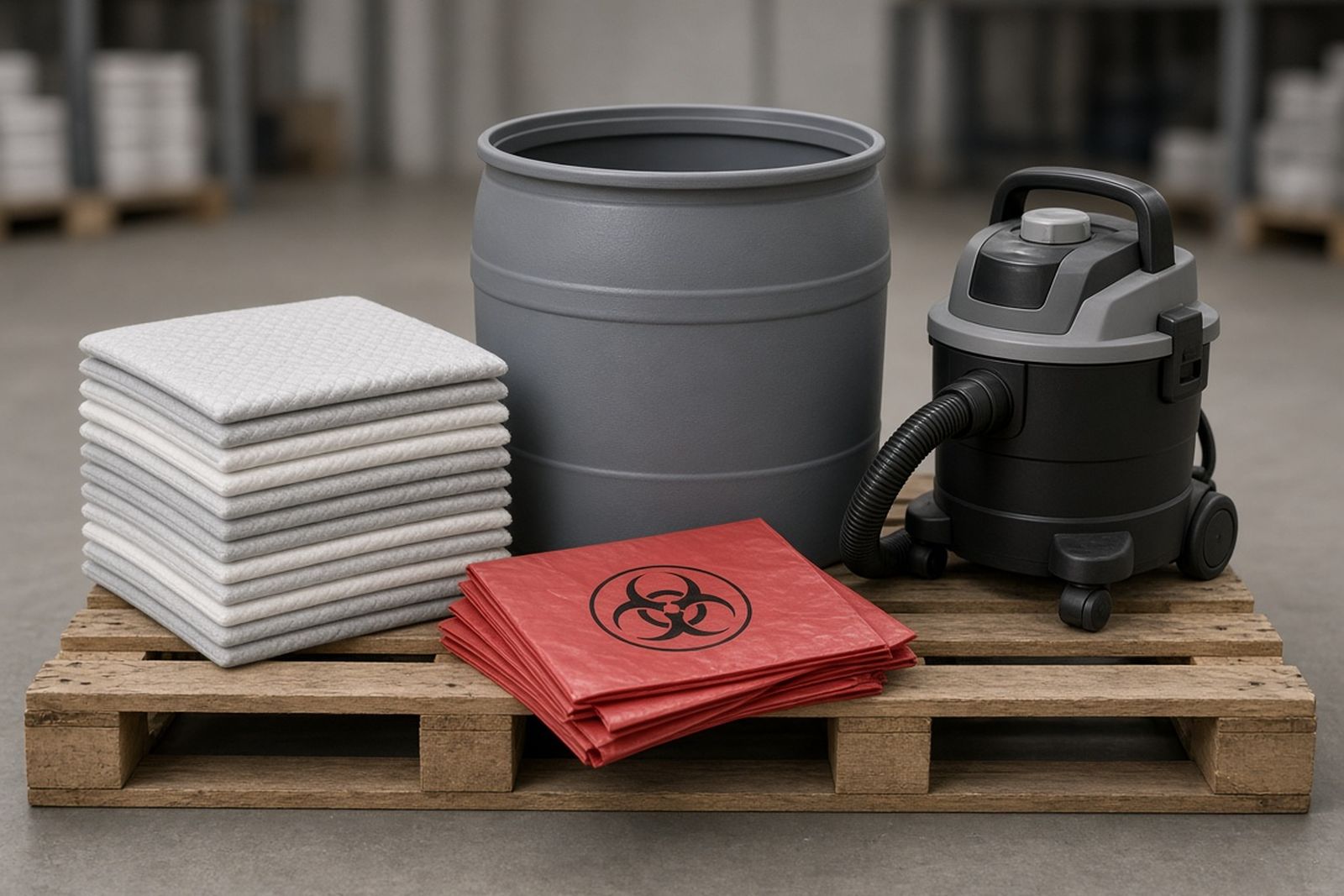
Costs explained
What drives the price, published cost ranges, and how to read a written quote line by line.
Insurance and payment
Which policies may respond, how to document a claim, and what to do if coverage is denied.
Community polls
Compare your instincts with other operations and safety leaders on scene holds, restart pressure, choosing a contractor, and supporting affected workers.
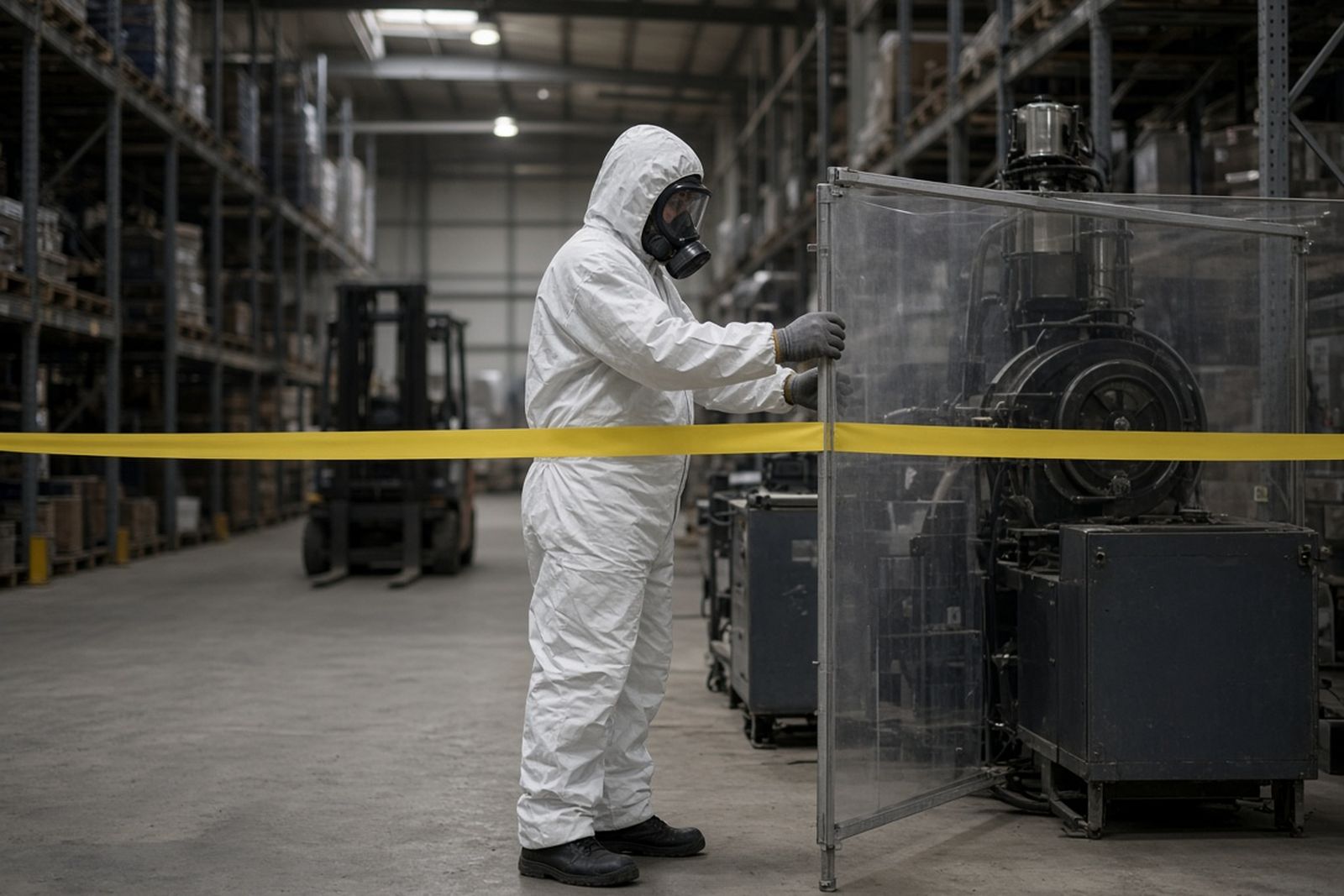
Knowledge quiz
Test what you know about spotting hazards, scene control, sealing off areas, disinfecting, waste paths, and records before an accident puts it to use.
Articles and resources
Practical articles on OSHA report deadlines and working with investigators. Others cover sites shared by several employers, planning the restart, and hard lessons other plants learned.