Does Insurance Cover Industrial Accident Cleanup?
Sorting out which policy may pay after a serious workplace incident
After a serious workplace injury or chemical release, several policies may apply at once. None of them was written with your exact incident in mind. This guide walks through which coverage may pay for cleaning the site and where exclusions usually show up. It explains how to document the claim and how to work with each adjuster. It also covers what to do if an insurer says no.
Get an email reply about industrial accident cleanup
Send a short message to the follow-up inbox. A coordinator can reply by email. This form does not send emergency help; call 911 first if anyone is in danger.
Which policies might respond to an industrial cleanup?
Business property insurance is usually the first place to look. The cost to clean the building, equipment, and stock is a property loss. Some policies include a limited add-on for pollutant cleanup or a biohazard add-on. Others cover it only through broader wording about direct physical loss. A separate pollution or environmental liability policy may pay when fuels, oils, solvents, or process chemicals spilled along with blood.
Workers' compensation pays for the injured employee's medical care and lost wages. It usually does not pay to clean the building. General liability may matter if a visitor, contractor, or neighbor was affected. Equipment breakdown coverage may matter when a machine must be repaired or replaced. So may inland marine coverage, which covers gear that moves. If you lease the building, your landlord's property policy and your lease terms may also shape who files what.
- Business property, including any biohazard or pollutant add-ons
- Pollution or environmental liability
- Workers' compensation for the injured employee
- General liability for third-party effects
- Equipment breakdown or inland marine for machinery
What exclusions most often limit coverage?
The pollutant exclusion is the most common roadblock. Many property policies define pollutants broadly. The definition may include chemicals, and by some readings, biological material. Then the policy caps or excludes cleanup of them. Whether blood and body fluids count depends on the policy wording and the law where you operate. Other common limits include exclusions for wear and tear, slow contamination, and poor workmanship.
Smaller caps, called sublimits, can matter as much as exclusions. A policy may cover pollutant cleanup on paper but cap it far below your real cost. Notice rules in pollution policies can be strict. A late report may cause trouble even when the loss would otherwise be covered. Read the definitions, the add-ons, and the conditions. Ask your broker to explain each one in writing instead of relying on a summary.
Why does regulatory attention matter to your claim?
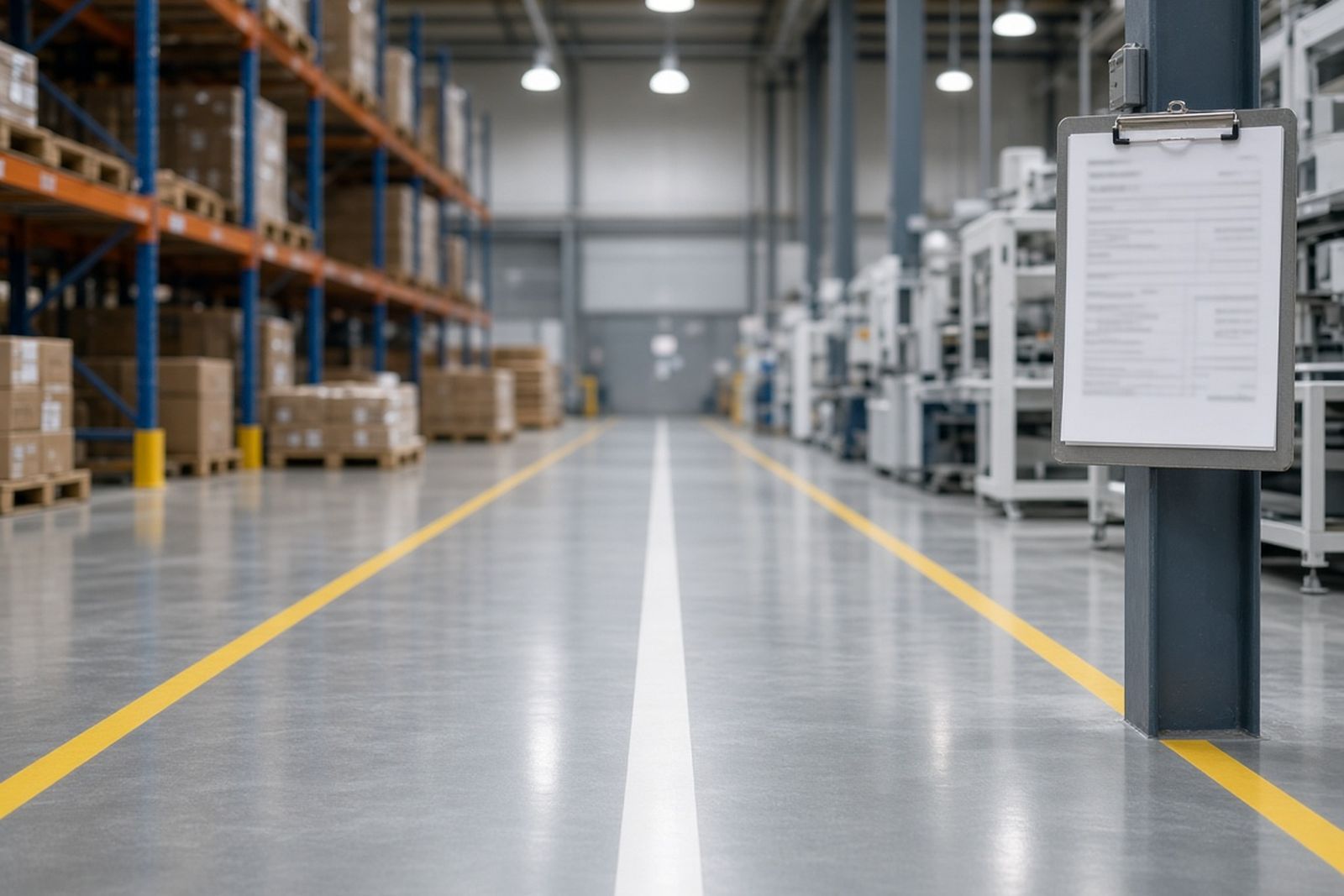
Workplace incidents often bring inspectors. What they find can shape how insurers see the loss. OSHA data reported by Safety+Health shows the agency cited Lockout/Tagout 2,443 times in fiscal 2024. That made it fifth among its most-cited standards. When an injury involves powered equipment, adjusters and inspectors both want to know what steps were in place to shut off power. Both will read your records.
Keep regulatory and insurance files linked but separate. Property insurance usually does not cover citations and penalties. Talks with inspectors should involve your safety leaders and, where it fits, your lawyer. What helps the claim is a clear timeline and a documented cleanup plan. It also helps to show your team acted quickly and followed its own procedures. Rules vary by state and county. Check with the local authority.
How should you document an industrial cleanup claim?
Start recording as soon as people are safe and investigators allow it. Take photos of the affected area from several distances. Include equipment, the floor, drains, and anything the spill reached. Write down when you found the incident, when you told each insurer, and who you spoke with. Save safety data sheets for any chemicals involved. They help both the contractor and the adjuster understand the waste.
Ask your cleanup firm for a written plan before work starts. Ask for a final report when it ends, with photos, product logs, test results, and the waste shipping records. Keep bills for rental equipment, overtime, and maker service separate from the cleanup bill. They may fall under different coverage, like business interruption. Make one organized file with a cover sheet that lists every policy and its status. It will save hours on each call with an adjuster.
- Photos before, during, and after cleanup
- Timeline of when it was found, when notice was given, and key decisions
- Safety data sheets for involved chemicals
- Written plan, final report, and waste shipping records
- Separate records for downtime and related costs
How do you work effectively with multiple adjusters?
You may deal with a property adjuster, a workers' compensation adjuster, and maybe a pollution claims handler all at once. Each has a different focus. Keep the talks separate so one insurer's questions do not blur into another's. Pick one person in your company to coordinate. Ideally that is a risk manager or someone who works closely with your broker. Log every call and email.
Invite the property adjuster to see the scene early, or to review the contractor's photos before surfaces are removed. Share the written plan and explain why each item is needed. Use the contractor's reasons where they help. If the adjuster suggests a smaller plan, ask what standard they are using. Ask whether it meets your EHS finish line for the job. Keep your tone factual and helpful. Put any agreement about the work or payment in writing.
What can you do after a claim is denied or underpaid?
Ask the insurer for the denial in writing, with the exact policy wording it relies on. Compare that wording with the full policy, including add-ons. Go over it with your broker. Denials sometimes rest on a misunderstanding of the facts. For example, an insurer may treat a sudden release as slow contamination. More records from the contractor or your maintenance files may fix that.
The dispute may be about the amount, not whether you are covered. Then many property policies include an appraisal process. Your contractor's itemized plan becomes key evidence. You may also ask for a second inspection or send an added estimate. For larger losses, a coverage lawyer or public adjuster can review the file. Understand their fees first. Keep watching the policy deadlines while any appeal is open.
What other sources of funding might help?
Another company's equipment, crew, or product may have played a part in the incident. Then your insurer or lawyer may try to get money back from that party. In some cases, you may seek repayment directly. Contracts with staffing agencies, subcontractors, and equipment vendors often have indemnity or additional insured terms worth reviewing. A landlord's policy may pay for parts of the building under some leases. Pull these papers early. Indemnity and additional insured rights often have their own notice rules.
When a large parent company is involved, a self-insured retention or captive program may handle part of the loss in-house. Business interruption coverage, if you have it, may pay for lost income during the shutdown. That depends on its waiting period and terms. None of these are certain. But list every possible source early and give notice where required. That keeps your options open while the main claim is reviewed.
Keep the claim organized
Industrial Accident Cleanup insurance claim organizer
A checklist to keep the claim orderly. It stores nothing on our servers; copy the summary to your own notes.
0 of 18 steps recorded (0%)
Print or paste the summary into your own records. Coverage is the carrier's decision under the policy; keep every answer in writing.
Open the full tool page for a worked example and more answers.
Facts worth knowing
OSHA issued 2,888 citations under its Hazard Communication rule in fiscal 2024, its second most-cited rule for the third year in a row.
Why it matters: Check that your chemical labels, safety data sheets and worker training are current, since inspectors cite this rule often.
A 2025 US cost guide prices Biosafety Level 3 cleanup labor at about $50 to $150 an hour, compared with $25 to $50 for Level 1.
Why it matters: Ask which hazard level your job is quoted at, since the hourly rate may depend on it.
In 2024, OSHA's top fines were $16,550 for each serious violation and $165,514 for each willful or repeated one.
Why it matters: If you have your own staff clean up blood or chemicals without required training and gear, you may face fines like these.
Insurance questions about industrial accident cleanup
Will workers' compensation pay for cleaning up the blood?
Usually not. Workers' compensation pays for the injured employee's medical care and lost wages, not the cost of cleaning your building. The cleanup is usually a property or pollution matter. It is handled under different policies with different adjusters. Report the injury to your workers' compensation insurer quickly. Separately, tell your property insurer and any pollution insurer about the contamination. Then both tracks move forward at the same time.
Is blood considered a pollutant under a property policy?
It depends on the exact wording and how courts where you operate have read it. Some policies define pollutants so broadly that insurers argue biological material falls under the exclusion. Others are read more narrowly. Do not guess from the declarations page. Ask your broker to review the definition, any biohazard add-on, and related court cases. Ask for the answer in writing.
How soon should we notify our insurers?
As soon as you can, once people are safe and the scene is under control. Many policies require quick notice. Pollution policies can be very strict about reporting windows. Late notice can complicate a claim that would otherwise be valid. Tell every insurer that might be involved, even if you are not sure coverage applies. Each time, record the date, the method, and the person you contacted.
Can the insurer choose our cleanup contractor?
Insurers sometimes suggest vendors. But most of the time, you may pick a qualified contractor yourself. What matters is that the plan is reasonable, documented, and explained. If the insurer suggests a firm, you can consider it. But confirm that firm understands industrial hazards, your lockout steps, and your finish line for the job. Talk through any disagreement with your broker before work starts.
Are OSHA penalties covered by insurance?
Property insurance usually does not cover government fines and penalties. Many liability policies exclude them too. Coverage for legal defense costs in regulatory matters varies a lot. It may exist only under certain management liability policies. Treat penalties as a separate issue from the cleanup claim. Discuss them with your safety leaders, broker, and lawyer.
Does business interruption coverage apply to a cleanup shutdown?
It may, if your property policy includes business income coverage and the shutdown comes from a covered loss. Several things affect the answer. These include waiting periods, how the policy defines the repair period, and any exclusion that defeats the main property claim. Keep detailed records of lost production, overtime, and extra costs. Then the claim can be judged if coverage applies.
What if a subcontractor caused the accident?
Review your contract with the subcontractor for indemnity and additional insured terms. Tell their insurer as well as your own. Your insurer may pay your claim and then try to get the money back from the subcontractor's policy. Keep the incident records, contracts, and certificates of insurance together. They will decide how responsibility is shared among the parties in the end.
What other people in your situation chose
Vote to see how other people answered. You can change your answer at any time.
After a serious injury on the floor, what was your hardest early decision?
How did your facility handle cleanup after a serious blood incident?
More on industrial accident cleanup

Industrial Accident Cleanup services
See how workplace injury cleanup, chemical spill response, equipment cleaning, and confined space work are planned and ordered for plants and job sites.
Costs explained
What drives the price, published cost ranges, and how to read a written quote line by line.
Planning tools
Planners and checklists built for facility managers. They cover cost ranges, contractor checks, insurance steps, first-day actions, waste sorting, and in-house risk.
Community polls
Compare your instincts with other operations and safety leaders on scene holds, restart pressure, choosing a contractor, and supporting affected workers.
Knowledge quiz
Test what you know about spotting hazards, scene control, sealing off areas, disinfecting, waste paths, and records before an accident puts it to use.
Articles and resources
Practical articles on OSHA report deadlines and working with investigators. Others cover sites shared by several employers, planning the restart, and hard lessons other plants learned.