Direct answer
What should a property decision-maker know in Boston, MA?
Triple-decker stairwells, Beacon Hill brick walk-ups, and Longwood-adjacent housing need New England–specific infection scopes that respect Nor’easter envelopes, keep List N honest, and refuse sterile-building claims near hospital campuses.
This Boston, MA page is an educational infectious disease disinfection planning guide. It does not claim a brick-and-mortar office, local crew roster, or promised response time in Boston.
Editorial guide · Biohazard Remediation NetworkUpdated 2026-07-22Location focus: Boston, MA
Local planning context
Triple-deckers and stacked brick walk-ups concentrate contact on painted spindles, vestibule buzzers, and basement laundry pull-chains—architecture that is neither a Midtown cab bank nor a Hamptons pool pavilion. After illness, chase those nodes before a parlor mantel. Nor’easter storm sash and radiator heat trap chemical odor; vacancy must cover labeled wet contact even when Green Line or Commuter Rail departures press for an early stair reopen. Boston Public Health Commission and Massachusetts DPH can support factual notices; they do not invent sterile clearance for a residential stair.
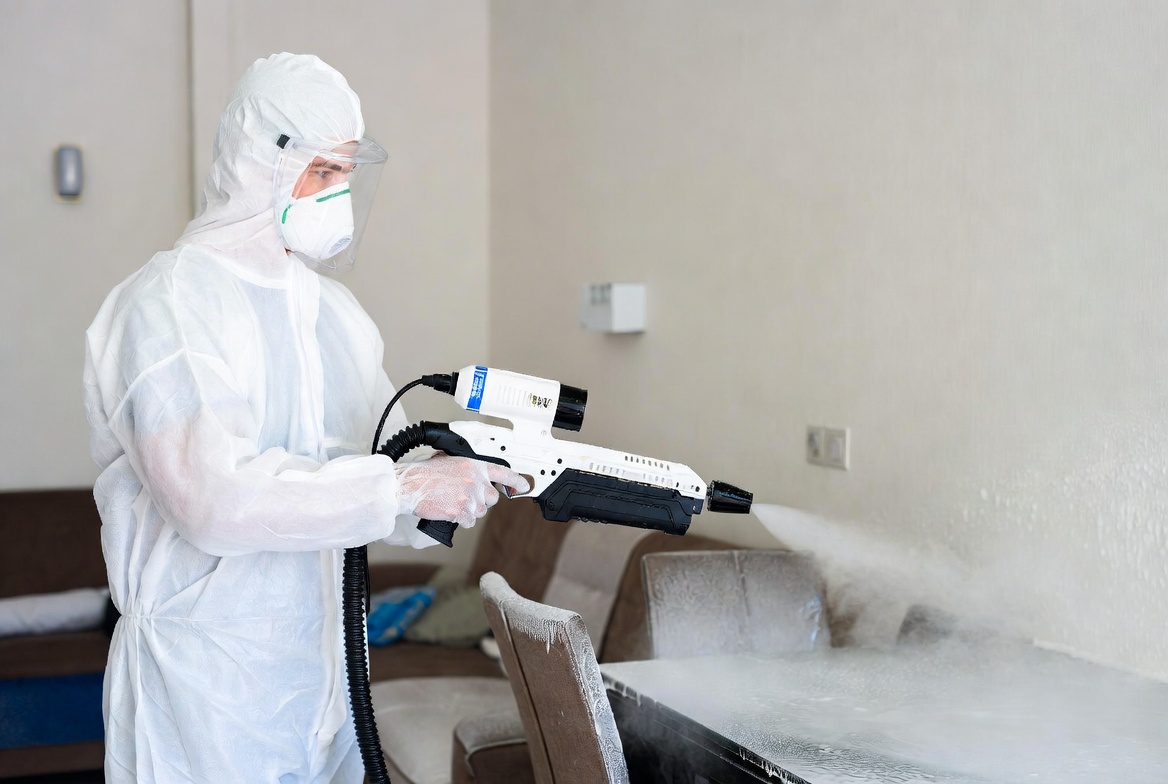
Lease churn among students and young professionals tempts scent-and-wipe turnovers between move-ins. Real outbreak work still needs detergent soil removal, organism-matched EPA-registered chemistry, and vacancy until wet dwell finishes. Futon covers, throws, and fabric dining chairs usually need laundry or temporary removal. Ordinary cold wipe-downs are not sterilization events.
Housing near Longwood and other medical corridors shares sidewalks—and sometimes lobbies—with clinical campuses. Residential stair and laundry work remains community risk reduction under CDC cleaning guidance. Device sterilization language belongs inside licensed clinical programs and is not a residential clearance standard. Notices must not imply a triple-decker was sterilized because a nearby hospital wiped exam rooms. Blood or OPIM during cleanup may still trigger OSHA bloodborne pathogens planning for workers.