Infectious Disease Disinfection planning tools
Work through cost, hiring, insurance, first steps and disposal at your own pace.
These tools are for the person who just learned about an illness cluster in their building. You have to make choices before the day is over. Each tool takes facts you already have. These include the type of facility, the germ suspected, the spaces involved, and whether people are present. It turns them into something you can act on. You get a cost range for learning purposes and what drives it. You get a script for checking vendors and an organized claim or budget file. You get a step-by-step plan for the coming day. You get a likely waste category for what the response creates. And you get an honest look at whether your own staff should try the work.
Get an email reply about infectious disease disinfection
Send a short message to the follow-up inbox. A coordinator can reply by email. This form does not send emergency help; call 911 first if anyone is in danger.
Choose a tool
Each tool is free and private: nothing you type is saved or sent anywhere. Use the results to get ready for a visit from a cleanup company or a call with your insurer.

Cost Range Estimator
Set the affected area, surface types, severity and extras to see a rough cost range and what pushes it up or down.
Open tool
Company Vetting Checklist
Fifteen questions to ask any cleanup company, a score that shows how ready you are to hire, and a list of what is still unanswered.
Open tool
Insurance Claim Organizer
A guided checklist from finding the policy to tracking the insurer’s decision, with a printable summary of where the claim stands.
Open tool
First 24 Hours Planner
Tell the planner a few facts about the situation and get an ordered list of who to call, what not to touch, and what to photograph.
Open tool
Waste & Disposal Classifier
Five questions about the material point to the likely waste category and which authority to confirm the rules with.
Open tool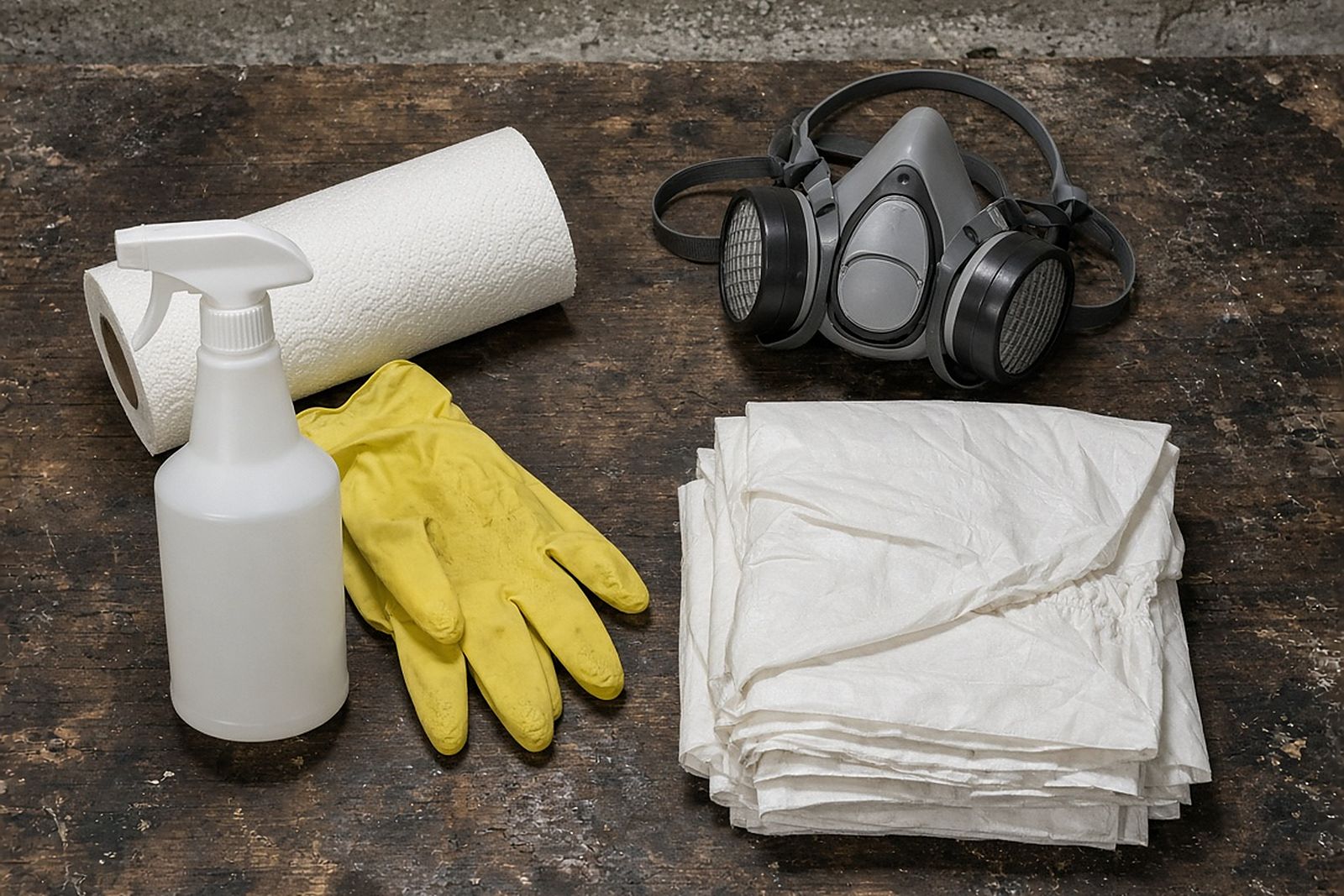
DIY or Call a Pro? Risk Check
Eight yes-or-no questions that produce a risk level and explain when professional help is the safer choice.
Open toolKnowledge quiz
A short quiz with an explanation for every answer, so you can check what you know before you make decisions.
Take the quizHow these tools fit infectious disease disinfection
Start with whatever is most urgent. Are people still in the building, and you have not decided what to close? Then the first-hours planner comes first. Has a vendor already sent a proposal? Use the vetting checklist to test it and the cost estimator to understand it. The insurance organizer helps when there is a chance of coverage. It also helps when you need a clean expense file for your leaders. The waste classifier answers the question that comes up once bagged materials pile up in a hallway. The DIY risk check is for a facility weighing whether its own staff can do this safely. Nothing you enter leaves your browser.
Know what the tools cannot do. They cannot see your building or read a product label for you. They do not know your state's licensing and waste rules, which vary by state and county. The cost estimator gives a range, not a quote. The waste classifier names a likely category and the office to confirm with. The DIY check looks at general risk factors. It cannot account for the health of certain staff or people in the building. Every result is a draft to bring to a vendor, your infection control contact, or the local health department. Each of them will add facts the tools could not know. Check vendor credentials yourself. This network does not certify anyone.
Facts worth knowing
In a small Arizona study, six of 11 cleaning workers interviewed described worries or problems from breathing in cleaning chemicals.
Why it matters: Ask what products will be used and how long you should stay out of the treated space while it airs out.
In a 2019 survey of 47 US hospital cleaning departments, floors were disinfected less consistently than high-touch surfaces.
Why it matters: If body fluids reached your floor, ask the company to confirm the floor will be disinfected, not just mopped.
In a lab test published in 2020, wipes not sold as spore-killing moved C. difficile spores onto areas that had been clean.
Why it matters: If you are dealing with C. diff, ask which spore-killing product the crew will use and how they avoid spreading spores.
What other people chose
Vote to see how other people answered. You can change your answer at any time.
When your facility had an illness cluster, how did you handle cleaning?
How did you decide whether to close all or part of the facility?
Questions about the infectious disease disinfection tools
Which tool should a school administrator open first?
The first-hours planner. It puts the key choices in order: closing spaces, telling the district and nurse, and keeping a record before cleaning starts. Then use the vetting checklist once you start calling vendors. The cost estimator helps when a proposal arrives. The waste classifier matters if someone vomited or had a stool accident.
Do the tools cover clinics and group homes with licensing requirements?
They include prompts for licensed settings. They remind you to check with the inspector or licensing agency. But they do not contain state-specific rules. Where a step depends on your state, the tool names the type of office to ask. Treat those prompts as required stops, not optional notes you can skip.
Is anything I enter shared with vendors?
No. What you enter stays in your browser. Nothing is sent unless you copy a result into your own email. The company vetting checklist makes a list you can paste into a message, but sending it is up to you. The network connects readers to companies by service area, not by anything entered into a tool.
Can I run the cost estimator for several buildings?
Yes. Run it once per building or wing and note what drives each range. Groups with several sites often find the same germ leads to very different ranges. It depends on the surface types and whether the work must happen after hours. Comparing the lists of cost drivers side by side is more useful than comparing the ranges.
How do the tools handle fogging proposals?
The vetting checklist asks about cleaning before spraying and whether the product label allows fogging as a way to apply it. It asks if people will be in the space during spraying and when they can come back in. The cost estimator treats fogging as a way to apply product, not a separate line. The DIY check flags fogging by untrained staff as a high risk and explains why.
What if a tool's output conflicts with my vendor's advice?
Ask the vendor to explain the difference by pointing to the product label or a guidance document. The tools are general. A vendor who has walked your building may have a good reason. A vendor who cannot point to a label or a source for the disagreement has given you a useful clue about how they work.
Are the tools useful after the outbreak is over?
Several are. The vetting checklist becomes a template for standing vendor contracts. The waste classifier helps shape everyday restroom and incident steps. The insurance organizer's file layout works for any future event. Facilities that keep their records from one response find the next one faster. They also find it easier to explain to staff and families.
More on infectious disease disinfection
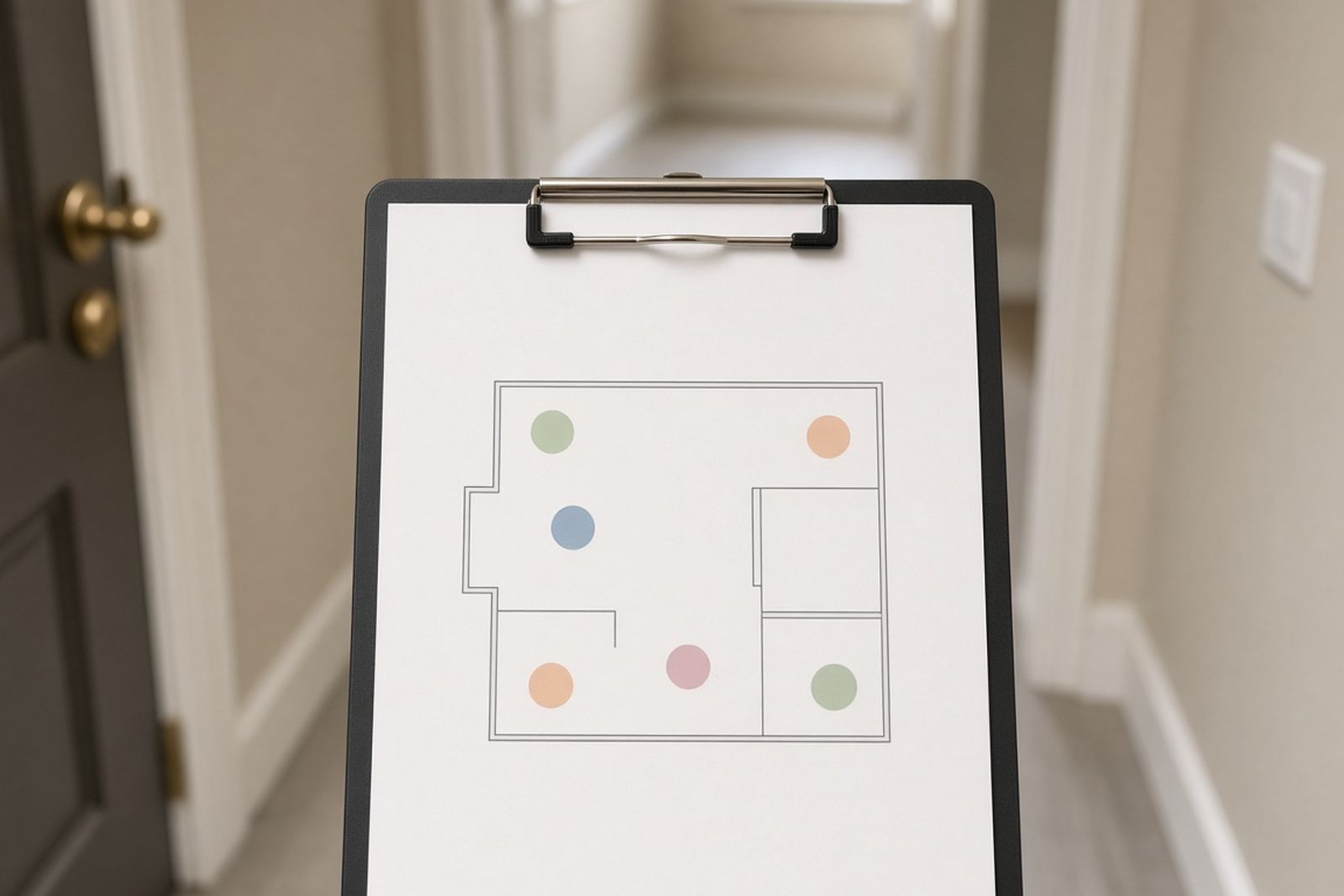
Infectious Disease Disinfection services
Learn how expert outbreak disinfection works in schools, offices, clinics, gyms, and care homes. See each step, from mapping high-touch spots to checking contact times and records.
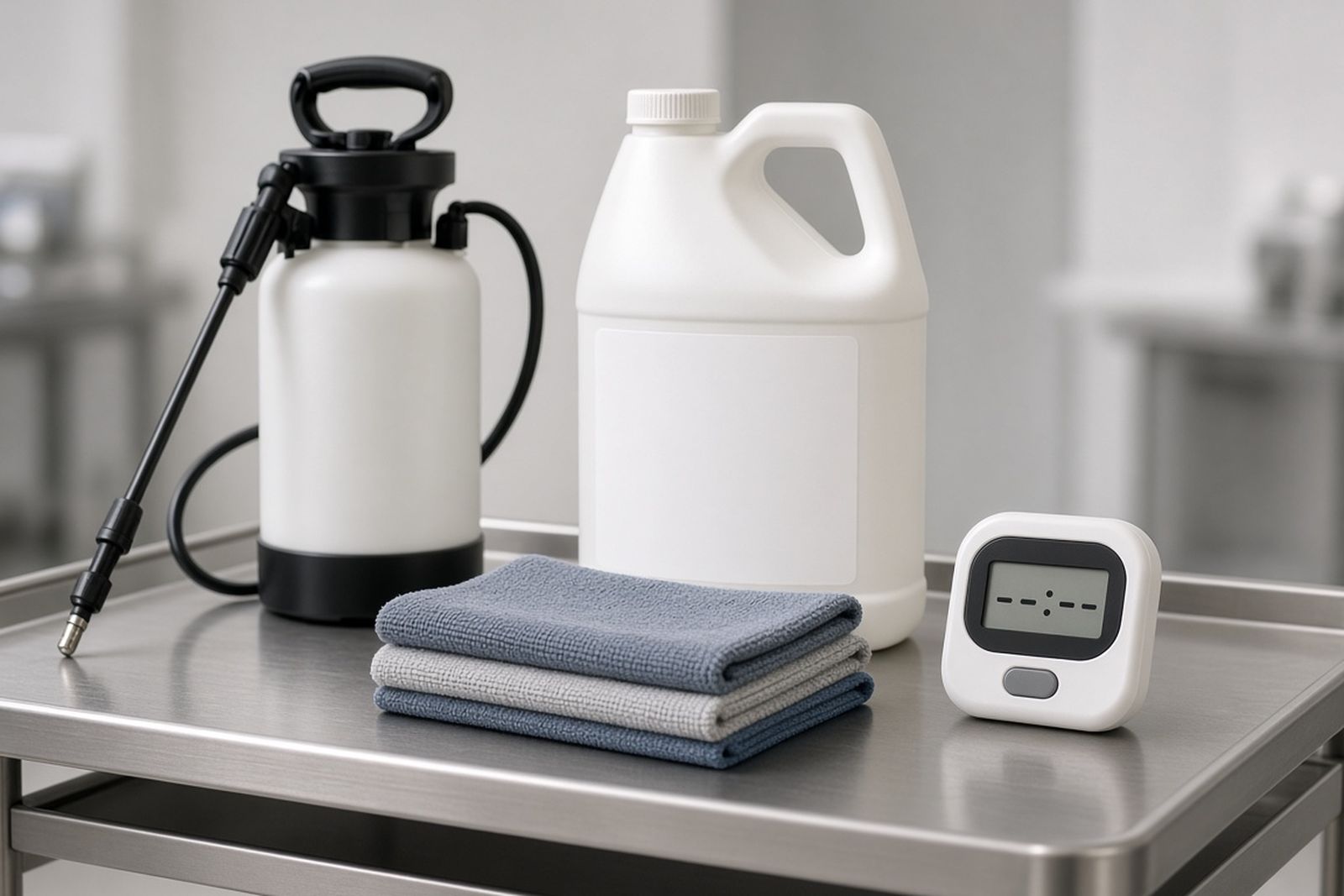
Costs explained
What drives the price, published cost ranges, and how to read a written quote line by line.
Insurance and payment
Which policies may respond, how to document a claim, and what to do if coverage is denied.
Community polls
See how other facility managers handled closing, vendors, and telling people during outbreaks. Then take the questions that come up to your own team.
Knowledge quiz
Test what you know about product labels, contact times, keeping germs contained, and records. Do it before you approve a disinfection plan or brief your leaders.
Articles and resources
Articles on norovirus in schools, MRSA in gyms, EPA List N, contact times, and notes to parents. They are written for the people in charge of a building.
City guides
Find disinfection companies who serve your area for facility outbreaks. Learn what to confirm about products, training, and records before you hire.