Direct answer
What should a property decision-maker know in Brooklyn, NY?
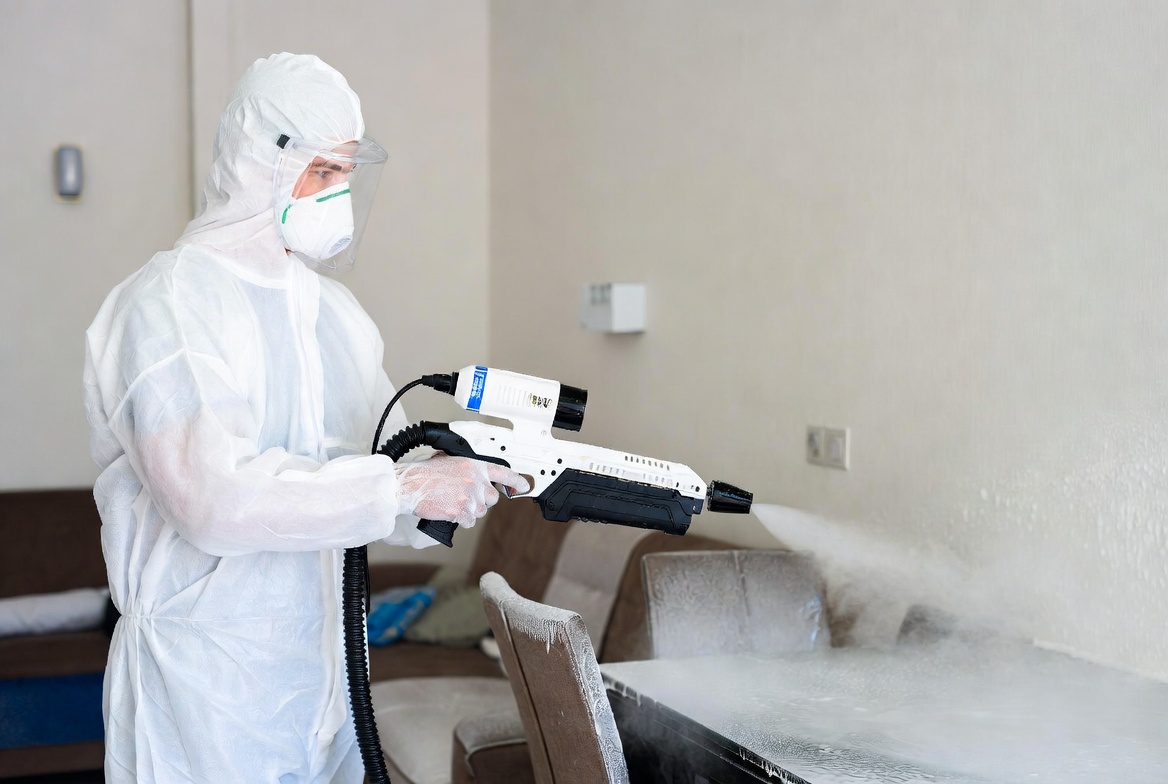
Stoop-facing brownstones, courtyard washers, and landlord walk-ups need borough-specific infection scopes that chase stair spindles and compact baths first, keep List N inside SARS-CoV-2 limits, and refuse sterile-parlor certificates after a turnover spray.
This Brooklyn, NY page is an educational infectious disease disinfection planning guide. It does not claim a brick-and-mortar office, local crew roster, or promised response time in Brooklyn.
Editorial guide · Biohazard Remediation NetworkUpdated 2026-07-22Location focus: Brooklyn, NY
Local planning context
Brownstone blocks funnel daily contact through stoop ironwork, vestibule buzzers, painted stair spindles, and coin-op basement washers tucked under sidewalk hatches. Those objects matter more after illness than a parlor mantel nobody touched. Cold-snap windows stay shut, so chemical odor hangs in narrow halls and tempts early wipe-dry before school backpacks hit the rail again. Soft toys, throw blankets, and fabric dining chairs usually need laundry or temporary bagging rather than hard-surface kill claims. NYC Health can support factual neighbor notes; it does not convert a walk-up into a sterile clinical suite.
Short-stay guest churn in some corridors collapses outbreak work into scent-and-linen turnovers. Real risk reduction still means detergent soil removal, organism-matched EPA-registered chemistry, and vacancy until wet contact time finishes—even when a host calendar wants same-day keys. Courtyard garden gates and trash alley doors create side paths that skip the stoop entirely; include them when guests or tenants used those routes. Ordinary respiratory wipe-downs do not justify sterilization language.
Daycare storefronts and sidewalk clinics sometimes share vestibules with apartments. Residential stair and laundry work stays under CDC community cleaning guidance. Instrument reprocessing belongs to clinical tenants and is not a residential clearance standard. Sharps or other potentially infectious materials shift the job toward OSHA bloodborne pathogens planning for workers instead of a desk wipe narrative.