Southampton, NY

Infectious Disease Disinfection Planning in Southampton, NY

What to do, who to contact, and what to ask in Southampton.

Guests got sick at your Southampton rental? See how to use midweek gaps, what to clean first, and what to ask before the next check-in.

Get an email reply about infectious disease disinfection

Send a short message to the follow-up inbox. A coordinator can reply by email. This form does not send emergency help; call 911 first if anyone is in danger.

Tell us what you need help with. Share a short description; please leave out medical details, access codes, and other sensitive information.

A request does not confirm a booking. For immediate danger, contact local emergency services.

Or email info@facilitydisinfectionguide.com

The short answer for Southampton, NY

If guests got sick at your Southampton house, list the baths, linens and outdoor spots they used before the next group arrives. Use the empty midweek days to clean properly and to let each product stay wet as long as its label says. Here is how to plan the work between stays and what to ask a cleaning company.

What to do, step by step

  1. 1

    Use the empty midweek days for real wet time

    An empty house is not a clean house. The midweek gap only helps you if rooms stay closed and surfaces stay wet for the time on the label. Write down what the renters or the agency told you about the illness. You do not need to diagnose anyone. Next, ask what product the company plans for a rental like yours. It should be EPA-registered, and the label should list that type of germ. List N is only about the COVID-19 virus. A stomach bug that swept through a weekend party may call for a different product.

  2. 2

    Ask for a full cleanup before any spray

    Bath grime, kitchen film and any spots of vomit or other body fluid have to come off first. A good crew will wash those away with detergent and only then put the disinfectant on. Ask how long each surface will stay wet. Wiping things dry early to make a Saturday arrival undoes the work. Be wary if someone offers to fog the hallways and call it done. Fog in humid ocean air does not clean drapes, bedding or cushions, and those still need washing.

  3. 3

    Let the rental calendar set the reopening time

    Your next renters should wait until every surface in the house has finished its timer. Give your house manager and vendors one written reopening time. Ask the company for the safety data sheet, which tells you how to air the rooms out. Humid air can make a surface feel damp for longer, but it does not shorten the wet time the label needs. When you write to the owner or agency, name the buildings that are closed and when they open. Leave guests' names out.

  4. 4

    Save a record for the owner and the insurer

    Keep a short file for each stay that had an illness. It should say which buildings were treated and which were left out, such as a closed pavilion. That way nobody reads one invoice as work on the whole estate. If the company swabs the catering island, know what the swab shows. It picks up leftover grime and cannot tell you that germs are gone. Add product names, wet times and laundry notes. An insurer or owner may ask for them months later.

What cleanup is like in Southampton

In peak season, rental calendars fill Southampton houses from Friday check-in to Sunday checkout. Then you have a few midweek days to reset for the next group. After a sick weekend, write down the baths and linens your guests used. Outdoor showers, pool-house baths and the catering island see the most hands. Tell the company whether the pool pavilion is part of the job, and whether outdoor cushions get washed or set aside. The Suffolk County Department of Health can help you word a factual note to the owner. It does not hand out a sterile clearance for a beach house.

A Saturday key handoff puts you under pressure to turn the house fast. The risk is that the work shrinks to fresh linens and a nice scent. Ask the company to plan the days so each product can stay wet for the full time on its label. Ocean-facing drapes, outdoor cushions and guest bedding are soft items. Most hard-surface products are not labeled for them, so they need washing or time set aside instead. If that means a later check-in, it is better to tell your agency early than to rush.

Staff cottages, landscape crews and caterers often use side doors and never cross your foyer. If those spaces were in use during the sick weekend, add the gate keypad, outdoor fridge handles and pool-house switches to your list. Tell the company if a cut or fall left blood anywhere. Its workers may then need to follow OSHA's rules for blood cleanup, and you should expect them to bring more gear. CDC writes separate advice for hospitals. That advice was not made to clear a rental house for Saturday check-in.

What to expect for your type of home

  • Oceanfront main houses: Outdoor showers, catering islands and the gate keypad are touched more than formal rooms. Ask the company to start with those spots, and tell it which rooms your guests really used.
  • Estates with several buildings: List the house, the pool pavilion and the staff cottage on separate lines. Ask for an invoice that names each one, so a pavilion job is never read as the whole estate.
  • Rental houses with outdoor furniture: Choose before the work starts whether outdoor cushions and guest bedding get washed or set aside. Ask what the company does with cushions that cannot go in a washer.
  • Weekly rentals: Rooms need to stay empty through the wet time on the label, even with Saturday keys waiting. Block enough of the calendar and warn your agency if check-in may run late.
  • Pool pavilions and catering kitchens: A catering island where food is plated may need a rinse after disinfecting. Pool-house switches do not. Ask which product goes where and what each label says.
  • Homes with staff and vendor entrances: Write down which side doors the caterers and landscapers used during the sick weekend. Share that list, so those handles and keypads are cleaned along with the guest rooms.

Papers and records to keep

  • What the renters or the rental agency told you about the sick weekend
  • A list showing whether the main house, pavilion and staff cottage were each included
  • For the house, pavilion and cottage: product EPA numbers and the germs on each label
  • A note showing detergent cleaning was done before any disinfectant went on
  • Wet-time start and stop hours, matched to your rental calendar
  • What you did with outdoor cushions and guest bedding: washed, set aside or replaced
  • The return instructions you gave your house manager and vendors
  • A note on how waste was bagged and removed if vomit was cleaned up

Local offices and official help

Common questions in Southampton

Only the pool pavilion was used by the sick guests. Do I have to fog the main house?

No, not as a rule. Follow where the sick guests really went, such as the outdoor shower, the catering island, the pool-house bath and the laundry room. Have those cleaned and treated. Do not skip a shared outdoor fridge, though. Ask the company to list what was done and what was not. And make sure the product label fits the illness, since not every List N bottle will.
Can Saturday check-in go ahead if the house is sprayed Friday night?

Only if the house sat empty for the full wet time and the return time on each product's label. The surfaces also need to be cleaned before they are disinfected. Spraying while the linens are still being changed does not count. Block enough time on the calendar to do it right, even if check-in runs later. Keep the product names and times in your owner file. Do not tell arriving guests the house was sterilized.

How do I use List N after a weekend with COVID-19 in the house?

List N is where you confirm a product's COVID-19 listing. It tells you nothing about the stomach bugs a crowded summer house can also pass around. Have the crew wash with detergent first, and leave the beach house empty through the wet time. Open the windows before the next group arrives. Medical choices stay with doctors and the Suffolk County Department of Health. Write down the areas treated and the cushions you set aside.

Does the ocean humidity mean surfaces need less wet time?

No. Damp ocean air can make a surface feel wet for longer, but the label's wet time stays the same. Keep each surface wet for the whole time, even if it feels tacky afterward. Do not let anyone wipe it dry early to meet a rental arrival. Outdoor cushions may need extra drying or a few days set aside. Write down the times you used. Salt air does not turn List N into a list for every germ.

What should I keep on file between rental stays?

Keep a simple record for each stay that involved illness. List the products used, the rooms and outdoor areas treated, the wet times, the laundry handled and the hour the house reopened. A few photos of the setup help too. If the company took swabs, remember they only show leftover film. Do not file any paper that promises the house is germ-free. Leave guests' names and health details out of the record.

My Southampton guests reported a stomach illness. What about the pool?

Pool water is a separate job from surface cleaning, and it is handled with water chemistry. Tell your pool service about the illness report. It can check chlorine levels and follow any extra steps it uses for such cases. On your side, have the pool gate latch, ladder rails, outdoor shower handle and pool-house bath fixtures cleaned and disinfected. If several guests got sick, the county health department can tell you whether the pool may be involved.

What do I do with beach towels and outdoor linens after a sick weekend in Southampton?

Bag all the towels, robes and cushion covers without shaking them out. Wash them on the warmest setting the fabric allows, and dry them fully in a dryer. Wipe the washer and dryer doors and buttons after you load them. Some things cannot be washed, like certain outdoor cushions. Set those aside for several days or have them professionally cleaned. Put fresh linens out for the next guests only after the house itself has been cleaned.

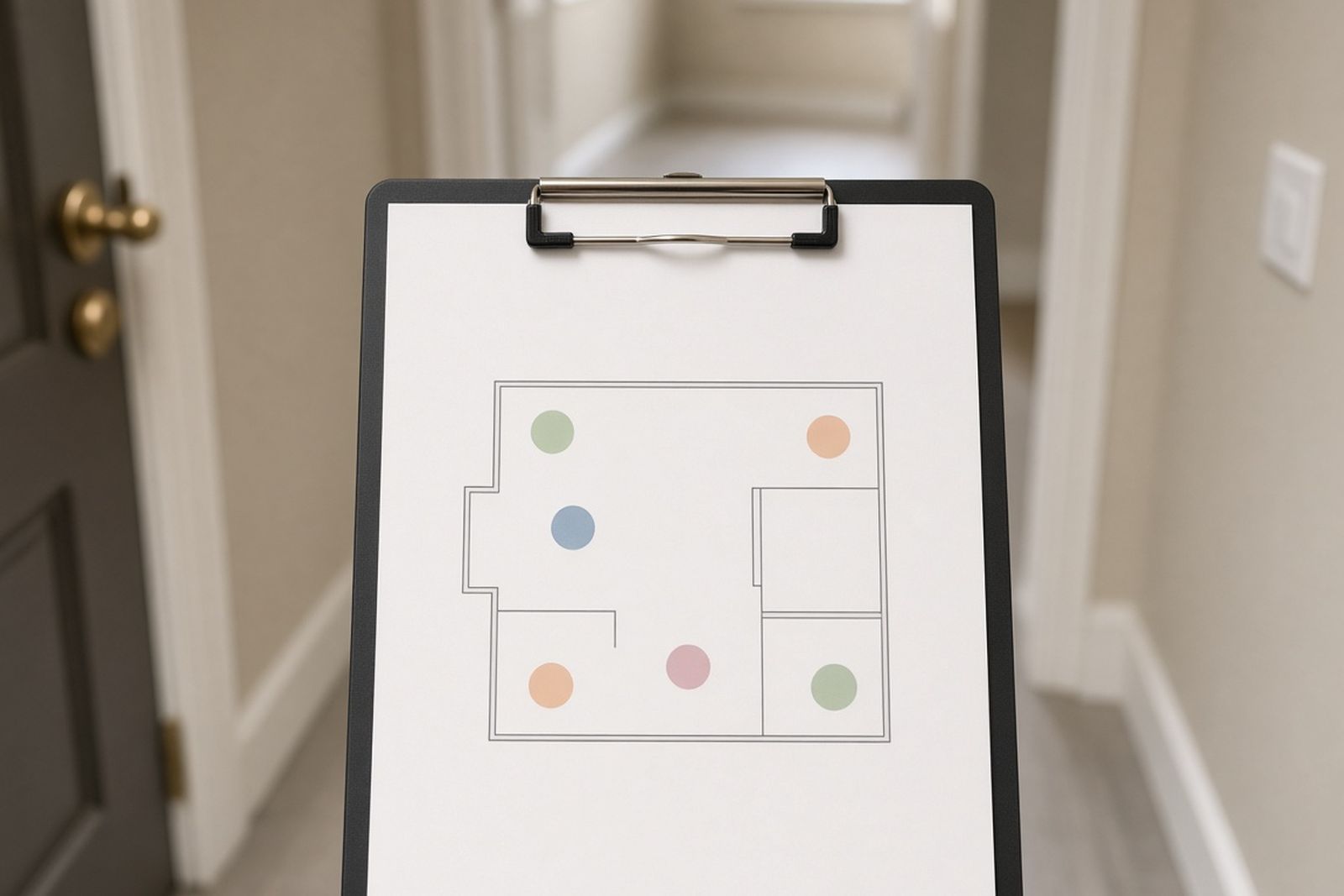
Clipboard showing a room plan with color-coded dots marking high-touch surfaces
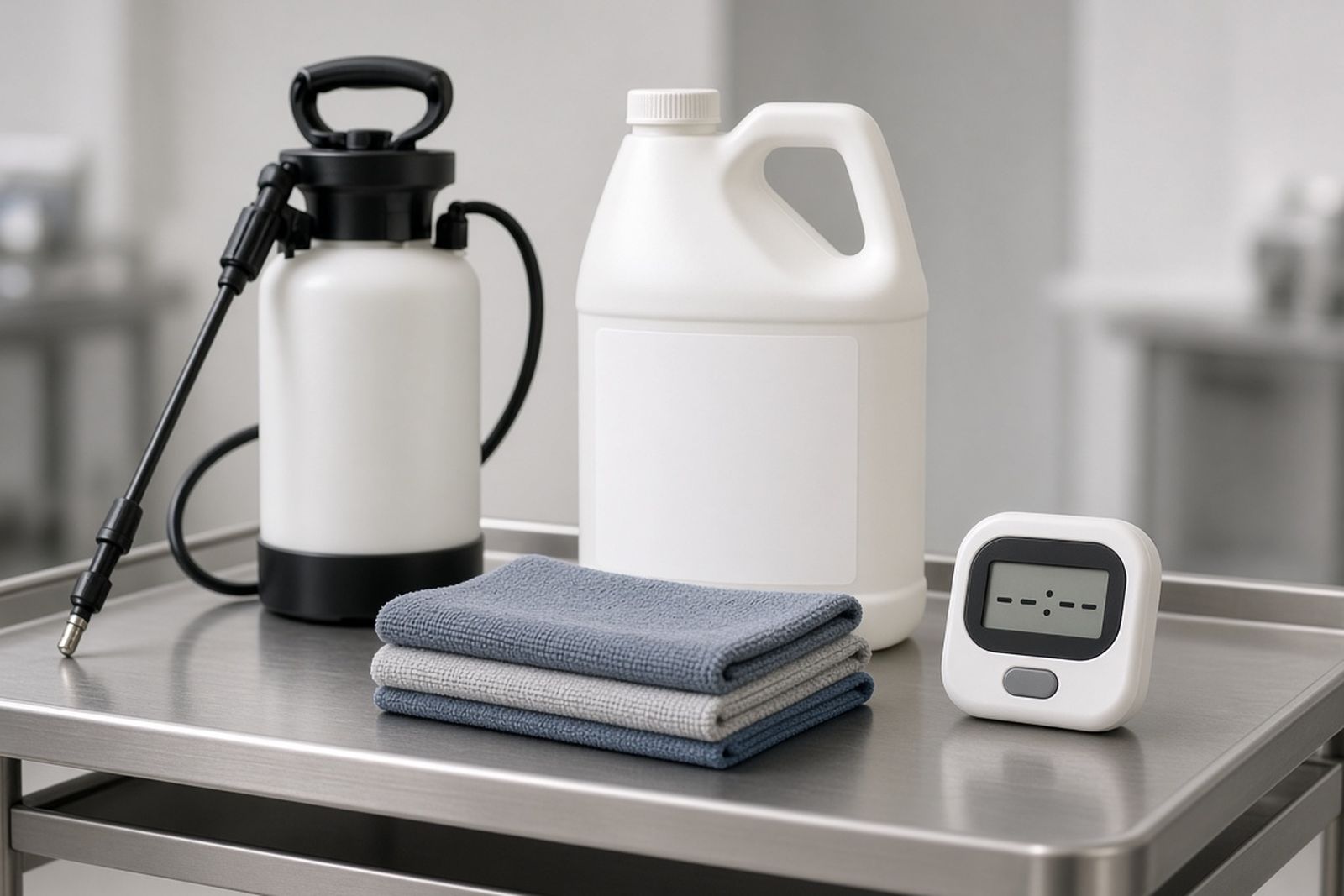
Pump sprayer, disinfectant jug, folded cloths and a contact-time timer on a steel cart

Facts worth knowing

  • In a small Arizona survey of cleaning staff published in 2023, changing how disinfectant was applied, such as fogging or spraying, was linked with being woken by coughing.

    Why it matters: If you or your staff fog or spray disinfectant, ask about breathing protection and airing out the room.

    Source: Wilson et al., 2023

  • In a 2019 survey of 47 US hospital cleaning departments, floors were disinfected less consistently than high-touch surfaces.

    Why it matters: If body fluids reached your floor, ask the company to confirm the floor will be disinfected, not just mopped.

    Source: Han et al., 2021

  • In a March 2020 U.S. survey, 42% of people did not leave disinfectant sprays and wipes wet long enough to work, and 26% wiped right after spraying.

    Why it matters: Read the label for how long the surface must stay wet, and do not wipe your disinfectant off early.

    Source: American Cleaning Institute, 2020

Tools that help right now

What would you do?

Poll results

Vote to see how other people answered. You can change your answer at any time.

Your experience

When your facility had an illness cluster, how did you handle cleaning?

Be the first to vote
Process

How did you decide whether to close all or part of the facility?

Be the first to vote

Need help in Southampton?

Send a short message about the property to the follow-up inbox. A coordinator can reply by email with next steps.

Your request is sent to the follow-up inbox. A coordinator can reply by email.

If anyone is hurt or in danger, call 911 first.