Short answer
If you suspect a property was used as a meth lab, leave the building. Do not touch containers, equipment or stains. Call 911 or local law enforcement if there are chemicals, strong odors or signs of active production. Keep everyone out, and do not start cleaning or painting. Notify your insurer and local health department, and gather records so a qualified sampler and cleanup contractor can plan the work.
Signs that should make you stop and step outside
Many people find a former lab by accident. A landlord opens a unit after a tenant leaves. A new owner pulls up carpet. A maintenance worker notices something odd in a garage or shed.
Warning signs can include chemical odors that are sharp, sweet or like cat urine. You may see containers of solvents, acids or fuels in unusual places, or glassware, tubing or burners. Look for stained or etched sinks and tubs and yellow or brown staining on walls and ceilings. Blacked-out or covered windows and vents or fans rigged in odd ways are signs too.
If you see chemicals, equipment or containers, or if the air makes your eyes burn or your head ache, leave the building right away. Do not stay to take more photos or look around.
Take everyone with you, including children and pets. Close the door behind you if you can do so without touching anything.
Who should you call first?
If there are signs of an active lab, stored chemicals, fire, smoke or anyone feeling ill, call 911. Tell the dispatcher what you saw and smelled, and that you suspect a drug lab. Emergency responders have procedures and equipment for these situations.
The dangers are real. The Office for Victims of Crime at the US Department of Justice reported in 2003 that approximately 15 percent of meth labs are discovered as a result of a fire or explosion. Chemicals used to make meth can be flammable, corrosive or toxic. Disturbing them can create new hazards.
If the signs point to a past lab with no active chemicals present, call your local law enforcement non-emergency line. Also call your local health or environmental department. Many places have procedures for reporting suspected former labs. Some require that the property be placed under restriction until it is cleaned.
Not sure which agency handles former labs where you live? Call the non-emergency police line or your county health department. Either one can point you to the right office.
What to avoid while you wait
It is natural to want to do something. But most of the helpful actions are about what not to do.
- Do not touch, move, open or pour out any container, even if it looks empty.
- Do not turn on fans, the heating or cooling system, or electrical switches if you smell strong chemicals.
- Do not start cleaning, painting, pulling carpet or removing drywall.
- Do not let tenants, family members, buyers or contractors walk through.
- Do not take items from the property to another home or vehicle.
- Do not pour anything down drains or put anything in household trash.
Why shouldn't you clean up a former lab yourself?
Meth residue is invisible and spreads easily. Walking through rooms, moving furniture and wiping surfaces can carry it into areas that were clean. Painting can hide stains without lowering the residue, and it can make later sampling harder.
Injuries are a real concern too. Leftover chemicals can burn your skin, catch fire or react with ordinary cleaning products. A makeshift cleanup of an unknown chemical scene is not worth that risk.
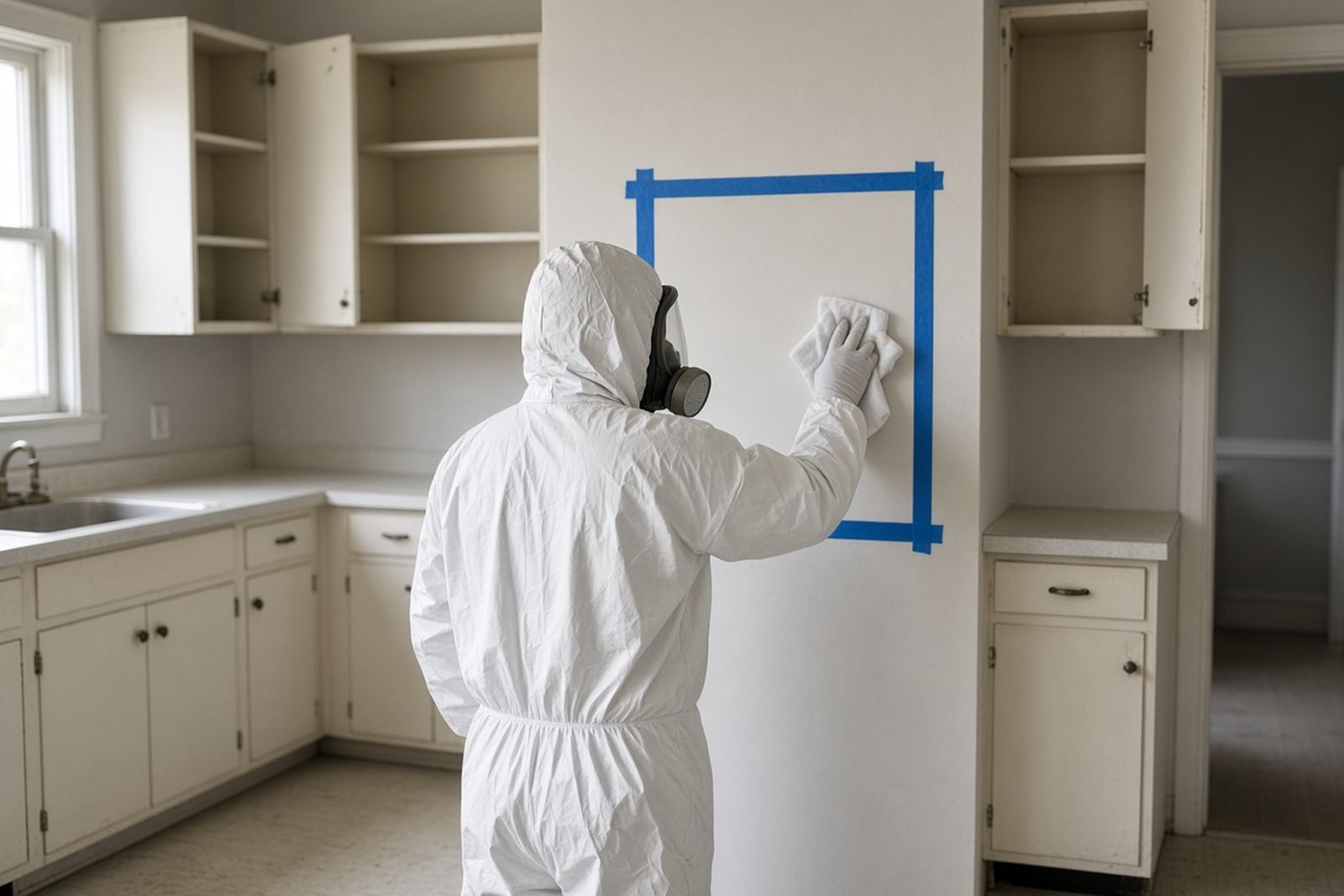
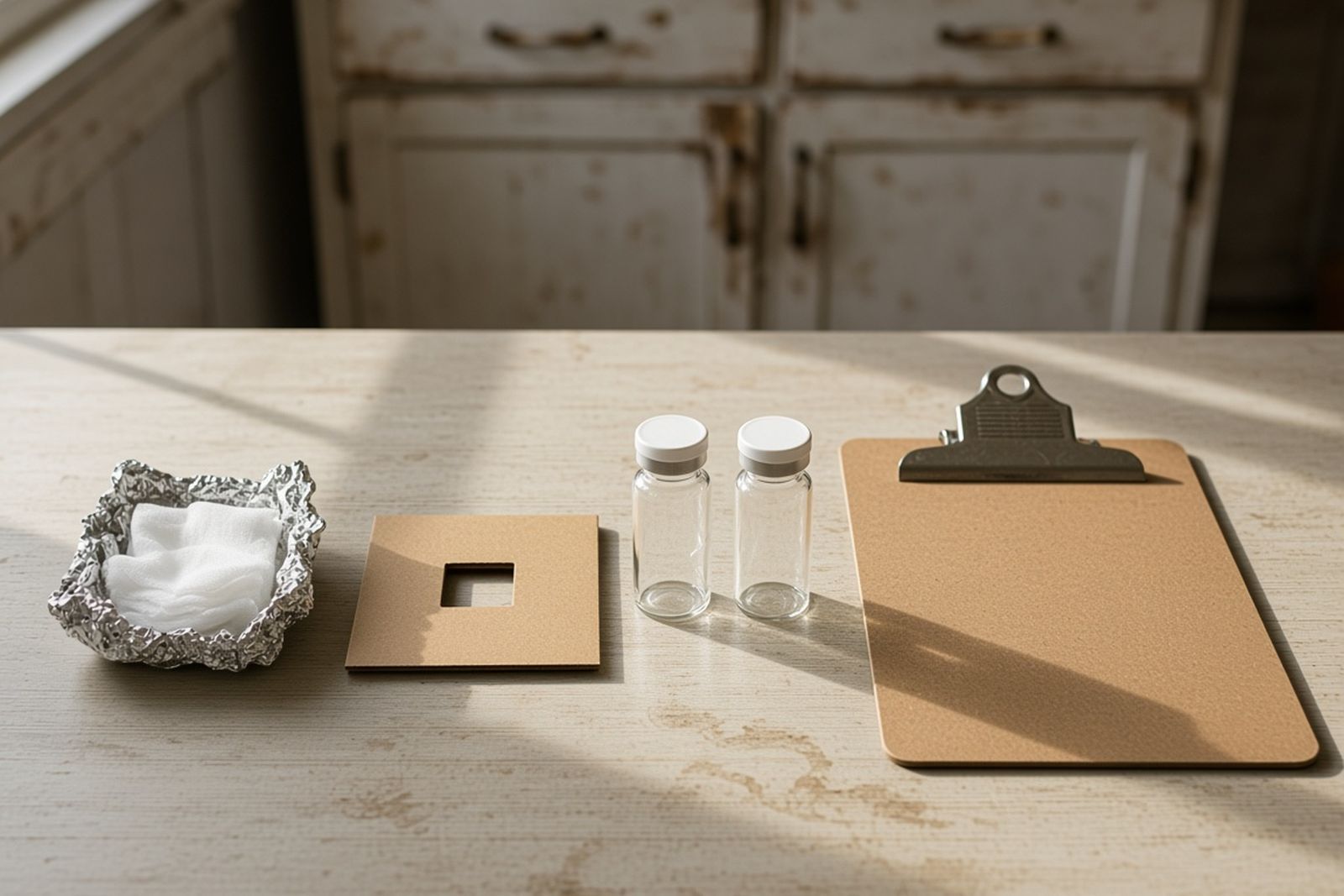
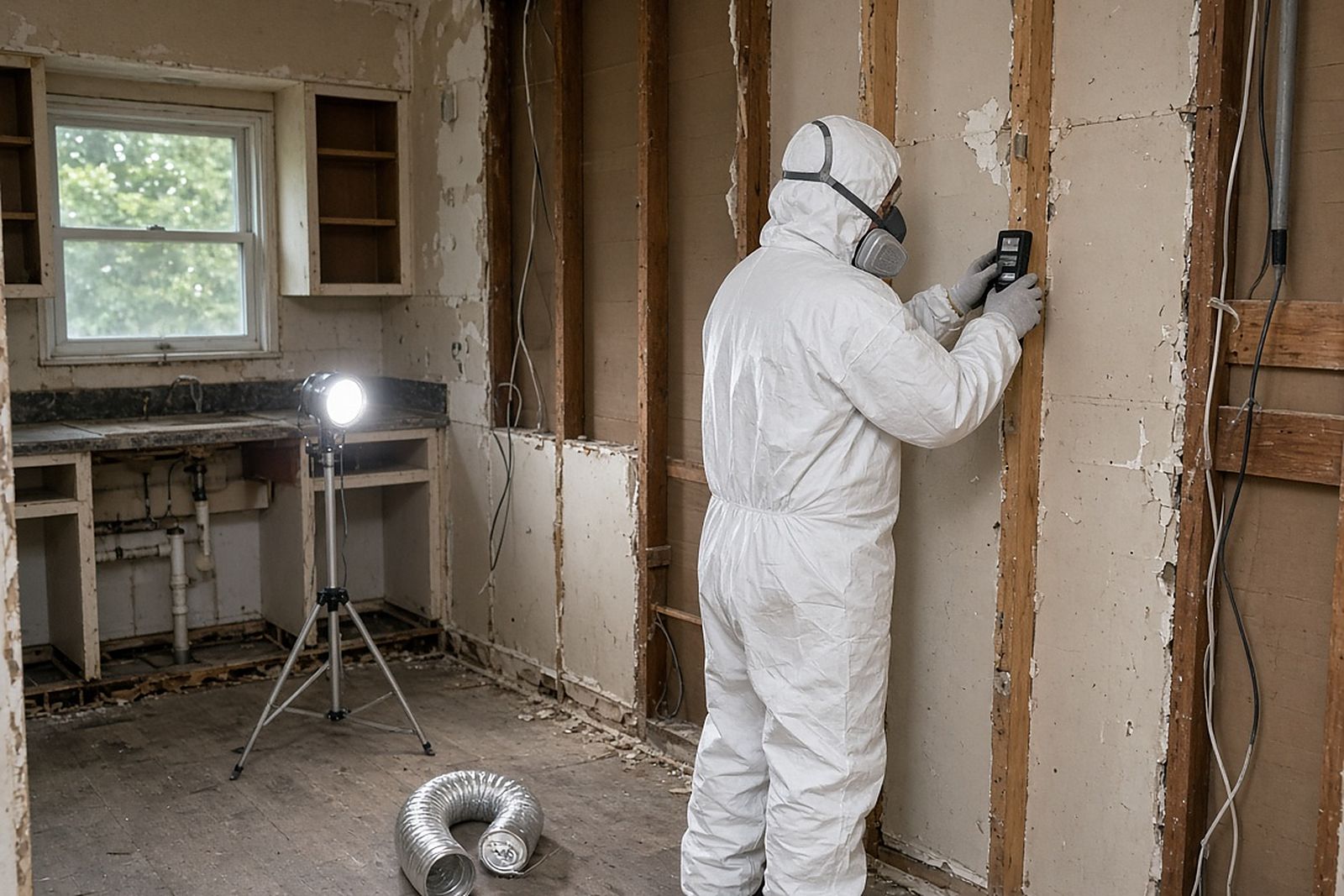
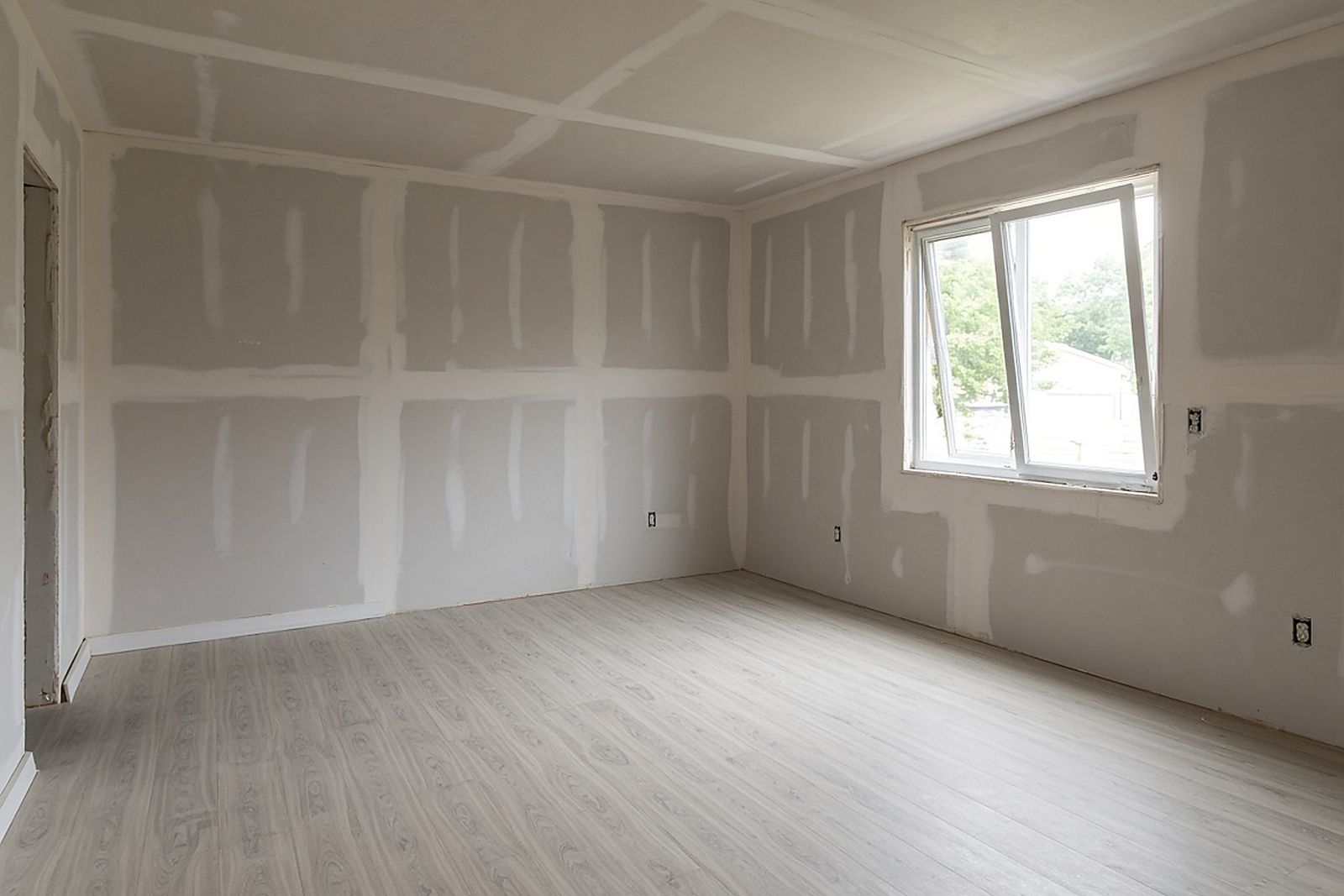
Professional cleanup follows a set order built around sampling, sealing off the work area, washing or removal, and clearance testing, the final check. Starting before that order begins can make the professional work harder and more costly.
If you already did some cleaning before you knew what you were dealing with, stop now. Tell the sampler and contractor exactly what you did. It helps them read the results and plan the work.
Securing the property and starting a record
Once any emergency response is complete and the authorities allow you to act, focus on keeping people out. Lock doors and windows. Change the locks if former occupants still have keys. Post a simple notice if your area requires or allows one.
If the property is a rental, notify the remaining tenants in writing if they share any systems or spaces with the affected unit. Ask your local health department about next steps for them. Hold off on showing the unit or signing a new lease.
If you just bought the home and learned its history after closing, do not move in or keep living there until you have sampling results. Stay elsewhere if you can. Talk with your doctor about any symptoms your household has had.
Records will matter to the sampler, the contractor, your insurer and possibly an attorney. Start a folder. Put in police or incident report numbers and any notice or order from a health department. If the property was rented, add the lease, tenant contact information and move-out dates. If you recently bought it, add the purchase documents and seller disclosures. Add your own dated notes about what you saw and when.
Take a few photos from doorways or from outside the property if it is safe to do so. Do not go back inside to get better shots. The authorities or the sampler can record conditions inside properly.
Call your insurance agent to report the situation and ask for a complete copy of your policy with all endorsements, the add-ons that change it. Ask what the insurer needs before any work begins.
Keep a simple call log as well. Note the date, the person you spoke with, the agency or company and what they told you. In the confusion of the first few days, that log will keep instructions from different agencies straight.
An example: a move-out inspection that stopped short
The following blends common situations for illustration. It is not a real call. A property manager arrives at a rental house to get it ready for new tenants. In the garage, she finds plastic tubs of liquid, a camp stove, coffee filters with reddish stains and a strong chemical smell.
She steps outside at once, closes the garage door and calls 911. Firefighters and police respond and confirm that lab materials are present. They arrange for a hazardous materials team to remove them. The house is placed under a health department restriction.
The manager changes the locks, notifies the owner and the insurer and cancels the incoming tenants' move-in date. She collects the lease, the prior tenants' contact details and the police report number. Once the restriction paperwork explains the next steps, she hires an independent sampler.
The details are made up, but the order is the one that keeps people safe and protects the owner.
Notice what she did not do. She did not carry the tubs outside, open windows to air out the garage or ask a handyman to haul things away. Each of those well-meant steps could have injured someone or spread contamination through the house.
What should you ask when you call a cleanup contractor?
When you are ready to call contractors, ask whether they are certified or licensed in your state, if that is required. Ask whether sampling will be done by an independent party. Ask which clearance standard they will aim for and how they handle a failed clearance round.
Ask how soon they can begin the first sampling and whether bulk chemical removal has been completed. Cleanup contractors typically work after law enforcement or a hazardous materials team has removed chemicals and equipment. They do not take the place of those responders.
Be wary of anyone who offers to come out tonight and make the problem disappear. Urgency matters for safety and security. But the cleanup itself depends on sampling results and, in many places, an approved work plan. A contractor who skips those steps to start sooner may leave you with a property that cannot be cleared, rented or sold.
Ask each contractor what they need from you before they can schedule the first visit. Typical requests include confirmation that bulk chemicals are gone and a copy of any health department order. They may also ask for access arrangements and the name of the person allowed to sign the work plan. Having those ready shortens your wait.
Taking care of yourself
Finding a former lab can be frightening and confusing, especially if you or your family lived there. Focus on the next right step, not the whole process. Keep people out, call the right agencies, gather your documents and rely on qualified professionals for the rest.
Watch for symptoms in your household. Headaches, trouble breathing, skin irritation or unusual tiredness are the common ones. If anyone has them, see a doctor and mention the possible exposure.
Clothing, shoes and bags you carried out of the property may hold residue. Keep them sealed in a plastic bag, away from your other belongings. Wait until the contractor can advise you on whether to launder them or throw them out.