Loading...
Back to Meth Lab Cleanup
Meth Lab Cleanup: Complete Service Guide
Programs typically include preliminary wipe sampling, a written work plan, containment, HEPA vacuuming, detergent washing or demolition of failed materials, HVAC cleaning, and post-remediation sampling by an accredited lab. Many states use a surface standard near 0.1 µg/100 cm²—confirm your jurisdiction. Occupants should not return before clearance.
RISK: EXTREME4 SPECIALIZED SERVICES
Need Meth Lab Cleanup help now?
EXTREME RISK — Confirm provider availability for the specific case
What is Meth Lab Cleanup?
Meth lab cleanup is chemical decontamination of properties used for methamphetamine manufacture or heavy use, potentially including wipe sampling, washing or removal of contaminated materials, HVAC attention, and laboratory testing against an applicable state threshold. Provider and sampling credentials depend on the jurisdiction.
Programs typically include preliminary wipe sampling, a written work plan, containment, HEPA vacuuming, detergent washing or demolition of failed materials, HVAC cleaning, and post-remediation sampling by an accredited lab. Many states use a surface standard near 0.1 µg/100 cm²—confirm your jurisdiction. Occupants should not return before clearance.
Meth production and heavy smoking use can leave residues in drywall, carpet, and HVAC. Many states require accredited wipe sampling and numeric clearance before re-occupancy—paint-and-carpet cosmetics are not clearance.
Health Risk Alert
Methamphetamine and precursor residues are especially hazardous to children and can persist in porous materials and HVAC. Re-occupancy should wait on laboratory clearance—not smell preference.
Credentials to request
- Experience with state meth clearance sampling pathways
- Accredited laboratory partners for wipe testing
- HAZWOPER / chemical PPE program appropriate to residues
- Written scope separating sampling, wash-down, and clearance
- HVAC filter/duct handling notes in the work plan
- Pollution liability insurance (request certificates)
Need Help Now?
1-877-BIO-CLEANFull meth lab cleanup remediation sequence
- 1
Work only after law enforcement/hazmat release of the property; confirm no active chemical stockpiles remain.
Why: Active labs and orphan containers are law-enforcement and hazmat problems first.
- 2
Review state meth decontamination rules that apply to the property's location.
Why: Clearance thresholds and who may sample vary by state — local rules control re-occupancy.
- 3
Sample per protocol to map contamination before demolition decisions.
Why: Blind demolition without sampling can remove too little or destroy evidence of where cooking occurred.
- 4
Contain work areas; protect clean zones from dust migration during washing and demo.
Why: Meth residues hitchhike on dust into previously cleaner rooms.
- 5
Wash, HEPA, and remove materials that fail salvage criteria under the sampling map.
Why: Porous materials often cannot be cleaned to clearance levels.
- 6
Address HVAC, ducts, and filters as high-priority reservoirs.
Why: Air systems commonly fail clearance when ignored.
- 7
Evaluate plumbing traps and fixtures for chemical disposal damage; coordinate specialized work if needed.
Why: Drain disposal can leave corrosive and toxic residues beyond surface wipe-downs.
- 8
Manage remediation waste per regulated procedures — not as ordinary construction debris when rules require otherwise.
Why: Misclassified waste creates generator liability.
- 9
Re-sample for clearance; compare results to applicable state thresholds.
Why: Clearance sampling — not the contractor's opinion — typically gates legal re-occupancy.
- 10
Issue documentation for re-occupancy, sale disclosure, and landlord files.
Why: Buyers and agencies often require lab reports plus contractor scopes together.
Service lines within meth lab cleanup
Pre-Remediation Assessment
Sampling-oriented assessment that maps meth and precursor residues before wash-down, including porous materials and HVAC pathways.
- 1Review available lab indicators and keep unauthorized people out of the unit
- 2Plan wipe or bulk sampling locations per applicable state guidance
- 3Document materials likely to require removal versus cleaning
- 4Evaluate HVAC, cavities, and contents that may hold residue
- 5Establish a written scope that separates sampling, remediation, and clearance testing
- 6Brief stakeholders that re-occupancy waits on laboratory clearance—not odor preference
Pro Insight: Field failure to avoid: Cosmetic remodeling before clearance sampling
Chemical Decontamination
Detergent wash-down, HEPA cleaning, and porous-material removal aimed at meeting numeric clearance thresholds.
- 1Contain the work area and use PPE appropriate to chemical residues
- 2HEPA-vacuum and detergent-wash hard surfaces per the remediation plan
- 3Remove porous materials that cannot be cleaned to a verifiable standard
- 4Address sinks, drains, and high-touch surfaces used during cooking or smoking
- 5Package chemical wastes according to profiling and transporter requirements
- 6Prepare surfaces for post-remediation sampling rather than painting over residues
Pro Insight: Field failure to avoid: Treating meth residue like ordinary smoke or odor
HVAC & Ventilation Cleaning
Filter replacement and cleaning of air pathways that distributed meth vapors or powders through the structure.
- 1Identify which systems ran during lab or smoking use
- 2Replace filters and clean accessible returns and registers
- 3Evaluate duct cleaning needs based on contamination indicators
- 4Prevent cross-contamination into adjacent units sharing air handlers
- 5Document HVAC actions as part of the clearance package
- 6Do not use fragrance fogging as a substitute for residue removal
Pro Insight: Hazard focus for this niche: Solvent and acid residues absorbed into porous materials
Post-Remediation Clearance
Accredited laboratory wipe sampling and documentation against applicable state numeric standards before re-occupancy.
- 1Collect clearance wipes from locations required by the governing standard
- 2Use an accredited laboratory pathway; retain chain-of-custody paperwork
- 3Compare results to applicable thresholds; re-clean and re-test failures
- 4Issue a clearance package with lab reports, photos, and scope notes
- 5Advise that cosmetic finishes should wait until clearance is achieved
- 6Record vacancy and re-entry timing for the property file
Pro Insight: Verification that matters here: Pre- and post-remediation wipe sampling by qualified samplers
What equipment is typically used for meth lab cleanup?
1
Wipe-sampling kits
Accredited laboratory wipe collection for meth/precursor residues against applicable state numeric clearance standards.
2
HEPA vacuums
Dry particulate control before detergent wash-downs so residues are not redistributed into clean areas.
3
Detergent wash systems
Chemical wash protocols suited to meth remediation plans—not paint-over cosmetics before clearance sampling.
4
Respiratory PPE
Respirators and chemical-protective clothing matched to residue and cleaning chemistry—not dust masks.
5
HVAC filter / duct tools
Filter change and accessible return cleaning for systems that circulated vapors during cooking or smoking use.
6
Chain-of-custody paperwork
Sampling labels and lab forms that keep clearance results defensible for re-occupancy decisions.
Process & Equipment Visuals
technicianResidue Sampling
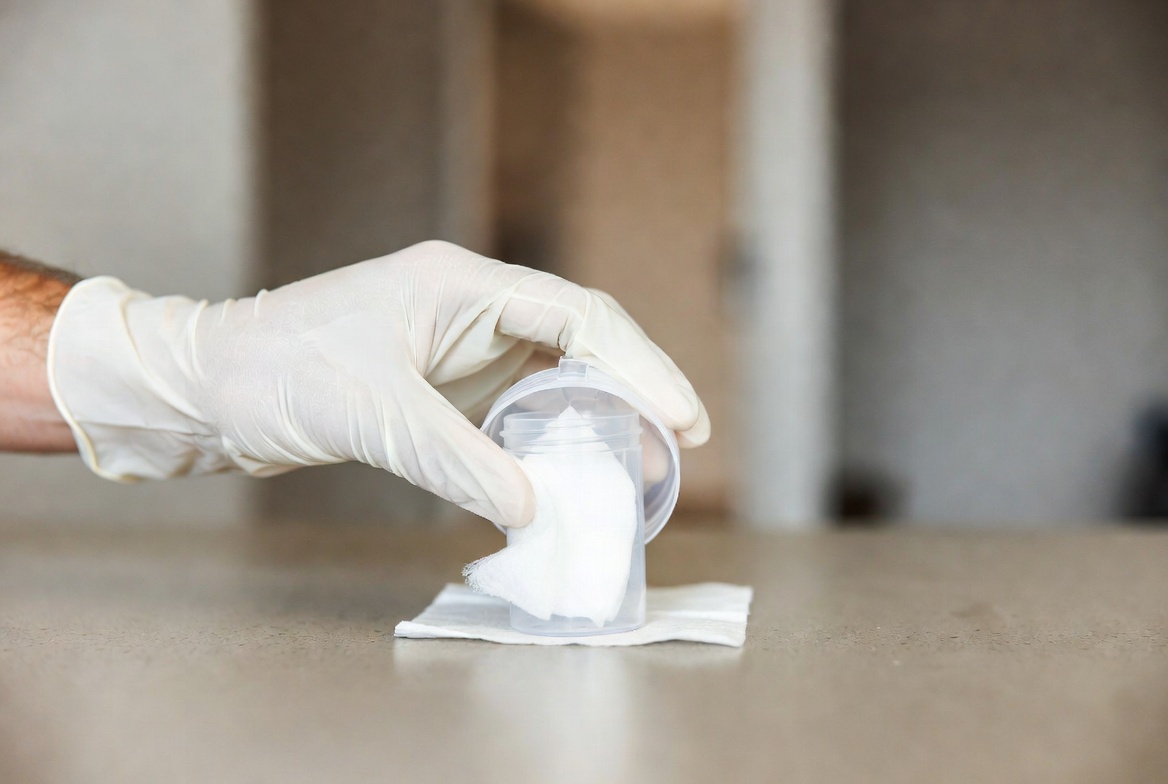
Residue Sampling
Professional methamphetamine residue sampling
educationLab Analysis

Lab Analysis
Lab report confirming meth residue below state clearance standard
propertyProperty Decon
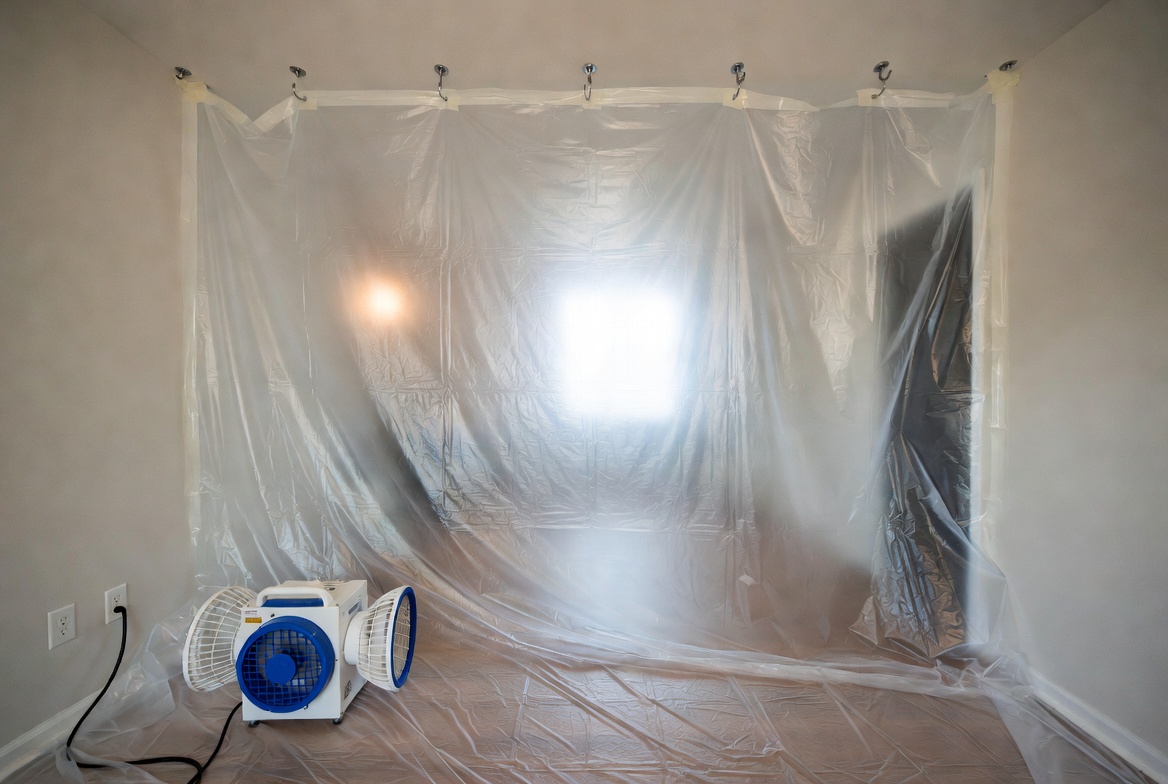
Property Decon
Comprehensive meth lab property decontamination in progress
trustClearance Certificate
Clearance Certificate
State methamphetamine remediation clearance certificate
technicianWipe Sampling Grid

Wipe Sampling Grid
Grid wipe sampling for meth residue clearance testing
technicianDetergent Wash-Down

Detergent Wash-Down
Detergent wash-down during certified meth lab decontamination
equipmentRegister Cleaning
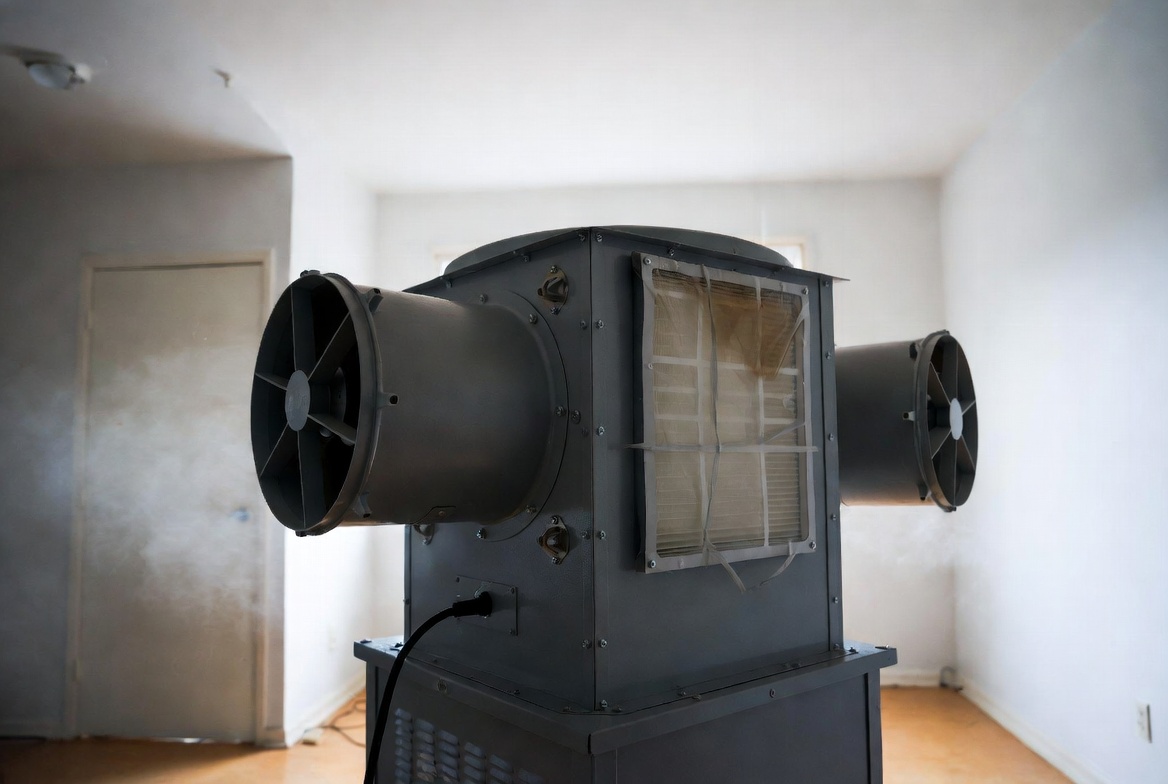
Register Cleaning
HVAC register cleaning during meth lab remediation
educationVacancy Notice

Vacancy Notice
Vacancy notice posted during active meth decontamination
trustCertifications

Certifications
Professional biohazard remediation certifications
technicianResponse Team

Response Team
Certified biohazard remediation team in professional PPE
propertyDiscreet Vehicle

Discreet Vehicle
Unmarked discreet response vehicle for confidential services
equipmentATP Testing Device

ATP Testing Device
ATP luminometer showing verified clean reading
Process Overview
A 30-second overview: sampling, wash-down or removal, HVAC attention, lab clearance against numeric thresholds. Not a paint-over.
Transcript: A slow pan through a restored room with fresh paint, clean floors, and natural light. On-screen text: Property restored. Safe to re-enter.
What not to do during meth lab cleanup
- ✕Painting or encapsulating over residue without sampling can trap toxins and fail inspections.
- ✕Standard remodeling crews without meth protocols spread contaminated dust.
- ✕Bleach can react dangerously with unknown lab chemicals.
- ✕Renting the property before clearance creates liability and disclosure issues.
- ✕DIY pass tests with improper sampling methods are unreliable.
- ✕Assuming crime-scene blood cleanup methods apply to meth chemical residues.
What affects meth lab cleanup cost?
Pre- and post-sampling
Accredited wipe tests before and after remediation are often required for legal re-occupancy.
Porous material removal
Drywall, carpet, and contents that fail cleaning criteria dominate project size.
HVAC involvement
Systems that circulated vapors may need filter and duct attention beyond room washing.
Clearance failures
Failed lab results mean re-clean and re-test cycles—not a one-pass guarantee.
Vacancy duration
Units typically stay empty until numeric clearance is achieved.
Waste profiling
Chemical wastes may follow different disposal rules than ordinary construction debris.
Test Your Knowledge
Biohazard Knowledge Quiz
Q 1/5What determines a disinfectant contact time?
Community Polls
If you discovered a meth lab cleanup situation, what would you do first?
No visitor votes yet
What is the biggest fear people have about meth lab cleanup?
No visitor votes yet
Frequently asked questions about meth lab cleanup
Q:What is meth lab cleanup, and how does it differ from ordinary cleaning or blood cleanup?
Meth lab cleanup is certified chemical decontamination of properties used for methamphetamine manufacture or heavy use, including sampling, washing or removal of contaminated materials, HVAC attention, and laboratory clearance testing against state thresholds. Residues may include solvents, acids, metals, and meth particulate that penetrate drywall, carpet, and ductwork. It is not cosmetic painting over residue, not bloodborne-pathogen trauma cleaning, and not a same-day junk-out. Many states require licensed or certified remediation and lab clearance before legal re-occupancy or sale. Property buyers should treat wipe sampling as the contamination check, not visual impressions or air fresheners. For definition and scope conversations, put these boundaries in the written estimate so stakeholders are not surprised later: focus on accredited laboratory wipe sampling, require state numeric clearance thresholds, and treat rebuild as a separate phase when materials leave the structure. In meth lab cleanup projects specifically, ask the crew to explain how they will handle item 1 of this checklist in writing before mobilizing.
Q:Why must owners and buyers avoid DIY cleaning of a former meth property?
Improper cleaning can increase exposure, especially for children who contact floors and dust. Dry sweeping and ordinary vacuums remobilize particulate. Painting or encapsulating without meeting state protocols can trap contamination and fail clearance sampling later, wasting money and delaying lawful occupancy. DIY also creates liability when sellers disclose inaccurately or landlords re-rent without clearance. Professional programs follow written work plans, HEPA methods, detergent washing protocols, removal criteria, and accredited lab wipe sampling. If manufacturing indicators exist, escalate beyond cosmetic cleaning immediately. For DIY decisions, the practical rule is isolation first—protect people from accredited laboratory wipe sampling, wait on state numeric clearance thresholds, and do not improvise tools that worsen solvent and precursor residue reservoirs. In meth lab cleanup projects specifically, ask the crew to explain how they will handle item 2 of this checklist in writing before mobilizing. Keep a property file that includes photos, product names, and waste or clearance records unique to this meth-lab-cleanup response so future buyers, tenants, or auditors can reconstruct what was done.
Q:How is meth-contaminated waste handled and documented?
Materials that cannot be cleaned to clearance levels are removed and disposed according to state and transporter rules—often as chemically contaminated debris with manifests. Liquid wastes and spent cleaning solutions follow hazardous-waste pathways when required. Keep the lab report and disposal records with the permanent property file. Mixing chemically contaminated demolition debris into ordinary construction dumpsters can violate local rules. Ask how wastes are profiled and which facility receives them. Documentation supports sales disclosures, lender requirements, and health-department orders that may apply to the address. For waste handling, demand a pathway that matches accredited laboratory wipe sampling, keeps records suitable for solvent and precursor residue reservoirs, and never substitutes municipal trash for materials tied to no re-occupancy before lab clearance. In meth lab cleanup projects specifically, ask the crew to explain how they will handle item 3 of this checklist in writing before mobilizing. Keep a property file that includes photos, product names, and waste or clearance records unique to this meth-lab-cleanup response so future buyers, tenants, or auditors can reconstruct what was done.
Q:Does insurance cover meth lab decontamination?
Often coverage is limited or denied when contamination results from illegal activity by an occupant; landlord policies and crime riders vary widely. Some situations involve seller disclosure obligations or local health orders rather than a simple homeowner claim. Budget for assessment sampling even when remediation coverage is uncertain. If a covered peril overlaps—fire from a lab, for example—parts of the loss may be claimable while chemical decontamination remains contested. Get broker guidance early. Contractors should not promise that meth claims routinely pay; honesty about coverage gaps protects clients from false expectations. For insurance and payment, document solvent and precursor residue reservoirs with photos and scopes, ask the carrier about state numeric clearance thresholds, and reject vendors who invent approval rates instead of explaining accredited laboratory wipe sampling. In meth lab cleanup projects specifically, ask the crew to explain how they will handle item 4 of this checklist in writing before mobilizing.
Q:What process and clearance testing should property stakeholders expect?
Programs typically include visual inspection, wipe sampling, contamination mapping, a written remediation plan, containment, HEPA vacuuming, chemical detergent washing or removal, HVAC cleaning, and post-remediation clearance sampling analyzed by an accredited laboratory. Clearance is numeric against a state threshold—not a visual walkthrough. Many U.S. states use a surface wipe standard near 0.1 µg of methamphetamine per 100 cm²; confirm your state’s current number. ATP meters alone are not a substitute for meth wipe analytics. Do not occupy or sell as cleared until the lab report supports that claim. For process quality, sequence work around state numeric clearance thresholds, control accredited laboratory wipe sampling, and finish with documentation that reflects no re-occupancy before lab clearance rather than a verbal “all set.” In meth lab cleanup projects specifically, ask the crew to explain how they will handle item 5 of this checklist in writing before mobilizing. Keep a property file that includes photos, product names, and waste or clearance records unique to this meth-lab-cleanup response so future buyers, tenants, or auditors can reconstruct what was done.
Q:How do owners know a meth property is truly cleared for re-occupancy?
Only post-remediation wipe samples below the applicable state standard, with a report from an accredited lab, constitute meaningful clearance in regulated jurisdictions. Ask for sample locations mapped to a floor plan, chain-of-custody forms, and the numeric results. Verbal assurances without lab data are insufficient for lenders, buyers, and health departments. If clearance fails, additional washing or removal is required before resampling. Occupying early can invalidate clearance and re-expose residents. Retain the final report with sale and rental records so future parties can verify the property’s status. For verification, define acceptance using no re-occupancy before lab clearance, retain proof related to solvent and precursor residue reservoirs, and do not reopen based on appearance alone when accredited laboratory wipe sampling remains plausible. In meth lab cleanup projects specifically, ask the crew to explain how they will handle item 6 of this checklist in writing before mobilizing. Keep a property file that includes photos, product names, and waste or clearance records unique to this meth-lab-cleanup response so future buyers, tenants, or auditors can reconstruct what was done.
Q:How long does meth lab remediation usually take from sampling to clearance?
Assessment sampling and lab turnaround may take days before remediation even starts. On-site decontamination can range from days to longer depending on square footage, porous material load, HVAC complexity, and how many clearance rounds are needed. Failed clearance extends the timeline. Contents decisions, demolition permitting, and waste scheduling also affect duration. Anyone promising overnight meth clearance without sampling is not following a defensible protocol. Ask for a milestone schedule: prelim results, work plan, remediation days, clearance sampling, lab return, and reopen. For timeline planning, build milestones around state numeric clearance thresholds, contingency for solvent and precursor residue reservoirs, and honest drivers such as accredited laboratory wipe sampling instead of brochure averages. In meth lab cleanup projects specifically, ask the crew to explain how they will handle item 7 of this checklist in writing before mobilizing. Keep a property file that includes photos, product names, and waste or clearance records unique to this meth-lab-cleanup response so future buyers, tenants, or auditors can reconstruct what was done.
Q:How are chemical odors from former labs addressed during remediation?
Solvent and process odors may indicate residual chemicals in materials and ducts. Source removal and washing protocols address the reservoirs; air fresheners do not create clearance. HVAC cleaning and filter replacement are often essential because vapors travel during cooking or smoking use. Some odors diminish only after porous materials leave the building. Oxidizer equipment is not a substitute for meeting wipe-sample standards. Treat odor as a companion symptom of chemical contamination, and prioritize laboratory clearance over smell preference alone. For odor and air quality, tie treatments to no re-occupancy before lab clearance, replace media when accredited laboratory wipe sampling recirculates, and remember fragrance cannot replace state numeric clearance thresholds. In meth lab cleanup projects specifically, ask the crew to explain how they will handle item 8 of this checklist in writing before mobilizing. Keep a property file that includes photos, product names, and waste or clearance records unique to this meth-lab-cleanup response so future buyers, tenants, or auditors can reconstruct what was done.
Q:How should landlords, HOAs, and multi-unit owners handle suspected meth contamination?
Do not re-rent on a paint-and-carpet cycle after a suspected lab or heavy-use unit. Shared HVAC can move particulate; assess whether adjacent spaces need sampling. Boards should follow health-department orders and document unit versus common-element responsibilities. Maintenance staff should not dry-clean residues. Use certified remediation and lab clearance before unit turnover. Communicate with neighbors about testing access without turning the building into rumor theater. Premature cosmetic turnover shifts risk onto the next household, often including children. For multi-unit and HOA coordination, assign authority for solvent and precursor residue reservoirs, protect shared pathways from accredited laboratory wipe sampling, and communicate schedules without graphic detail while addressing state numeric clearance thresholds. In meth lab cleanup projects specifically, ask the crew to explain how they will handle item 9 of this checklist in writing before mobilizing. Keep a property file that includes photos, product names, and waste or clearance records unique to this meth-lab-cleanup response so future buyers, tenants, or auditors can reconstruct what was done.
Q:Why are children and pregnant occupants a special concern in meth-contaminated housing?
Children’s floor contact, hand-to-mouth behavior, and developing systems increase exposure risk from settled particulate. Pregnant occupants likewise warrant conservative protection. These populations should not live in a unit during remediation or before clearance sampling passes the state standard. Replace porous materials aggressively when clearance is uncertain in child-occupied rooms. Medical questions belong with clinicians; property decisions should still bias toward verified clearance. Special-population risk is a primary reason DIY and cosmetic-only approaches are unacceptable for meth properties. For children, elders, and other vulnerable occupants, relocate during accredited laboratory wipe sampling, delay return until state numeric clearance thresholds, and bias toward replacement when no re-occupancy before lab clearance cannot be verified on items they touch. In meth lab cleanup projects specifically, ask the crew to explain how they will handle item 10 of this checklist in writing before mobilizing. Keep a property file that includes photos, product names, and waste or clearance records unique to this meth-lab-cleanup response so future buyers, tenants, or auditors can reconstruct what was done.
Citations & Resources
Get a Free Meth Lab Cleanup Consultation
Tell us about your situation for coordinator follow-up. Provider availability and timing must be confirmed for the specific address and case. Contact: 1-877-BIO-CLEAN.