Meth Lab Cleanup community polls
See how other people handled the same decisions, then add your own answer.
Meth lab contamination is a topic where most people form opinions long before they face it themselves. Neighbors argue about whether a flagged house should ever be lived in again. Buyers argue about whether a documented clearance is enough to make an offer. Landlords compare notes on screening and inspections. Community opinion shapes real results here. It affects what buyers will pay and which properties sit empty. It also affects how much pressure local officials feel to publish or tighten residue limits. The polls on this page collect what visitors think and what they have really done. Seeing where your view sits next to others can help. You may notice when you are reacting to stigma instead of evidence. You may also notice when caution truly makes sense.
Get an email reply about meth lab cleanup
Send a short message to the follow-up inbox. A coordinator can reply by email. This form does not send emergency help; call 911 first if anyone is in danger.
Vote on the questions that matter here
Vote to see how other people answered. You can change your answer at any time.
If a house you wanted had a documented lab cleanup that passed clearance, what would you most likely do?
Which factor would you weigh most when choosing a meth cleanup contractor?
As a landlord, what would you do first if a former tenant had made meth in the unit?
Should sellers have to disclose a lab history even after the property passes clearance?
Which part of a meth lab cleanup do you think is most often underestimated in cost?
Which safety step do you think owners most often skip after a lab is found?
Why opinions matter in meth lab cleanup
The choices people face after a lab is found are rarely simple. An owner may need to decide whether to test first or tear out interior finishes right away. A buyer may weigh a lower price against the doubt that comes with a cleanup history. A landlord may need to pick between a contractor who promises speed and one who insists on a slower plan driven by testing. Tenants may wonder whether to stay in the unit next door while work goes on. Each of these choices trades off money, time, health, and legal risk. Our poll questions are built around those same choices. So the results show how others have thought them through, not just what they believe in general.
Use poll results to start conversations, not as advice. If most visitors prefer one approach, that tells you what is popular. It does not tell you what is right for your building or your state. People choose to answer on their own. They may be describing very different properties. They may be reacting to a headline, not a real situation. When a poll result surprises you, use it as a prompt. Ask a qualified tester, a cleanup contractor, or your local health department why people might be split. When a result matches your gut, be just as careful. Agreement from strangers online is not proof. The sourced statistics elsewhere on this site and the tools in our toolkit are a better base for a real decision.
How to read poll results
An opinion poll measures the mood of the people who chose to answer. It can tell you that many visitors distrust a quick paint-and-carpet refresh. It can tell you that a large share would walk away from a property on a public contamination list. It cannot tell you how much residue is in your walls. It cannot tell you if a contractor's method meets your state's rules. When you read a poll on this site, look at how the question is worded. Think about who is likely to have answered it. Remember that the voters are whoever happened to visit, not a fair sample of owners. Treat the result as a snapshot of mood.
A sourced statistic comes from a named group that measured something using a stated method. One example is a state environmental program reporting how many properties it handled. Another is a health agency describing how people are exposed. Those figures come with citations, dates, and definitions. You can trace them back to the original document. They still have limits, since methods differ and data gets old. But they describe the world, not the crowd. When a poll and a statistic seem to disagree, the statistic usually deserves more weight. The poll may explain why people act differently than the data suggests they should.
How voting works
Your vote is anonymous. It is never linked to your name, your email or anything you send through the form.
Facts worth knowing
In 2024, OSHA's top fines were $16,550 for each serious violation and $165,514 for each willful or repeated one.
Why it matters: If you have your own staff clean up blood or chemicals without required training and gear, you may face fines like these.
Minnesota sellers who know meth was made on a property must tell buyers in writing before a sale, and buyers may sue for cleanup costs within six years.
Why it matters: If you bought a Minnesota home with a hidden meth history, you may be able to recover cleanup costs, so ask a lawyer soon.
Source: Minnesota Legislature, Office of the Revisor of Statutes, 2024
As of April 2025, 18 states plus D.C. had no laws on cleaning up properties contaminated by illegal drugs.
Why it matters: Check with your local health department, because local orders or seller disclosure duties may still apply to you without a state law.
Source: Legislative Analysis and Public Policy Association, 2025
Questions about meth lab cleanup polls
Why ask people about meth lab cleanup at all if the rules are technical?
Technical rules decide what clearance means. But people decide whether to buy, rent, sell, or renovate. Their attitudes drive property values. They also drive the pressure on agencies to keep their lists of contaminated homes up to date. Polls show the gap between what the science supports and what the public assumes. That helps readers notice when their own reaction comes from stigma. The results are background for learning, not instructions.
Are the poll results specific to my state?
No. Visitors answer from anywhere. Their answers reflect the rules and experiences where they live, which vary widely. A result about disclosure, for example, mixes people in states with strict listing laws and people in states with none. Always check the real rule with your local health or environmental office. Do not assume the poll reflects the rules where you are.
Can I use a poll to decide whether to sample before demolishing?
You can use it to see how others handled the same choice. But the decision should rest on your building, your state's rules, and advice from a qualified inspector. Testing before tear-out maps where the residue is. It can prevent both removing too little and tearing out things you did not need to. A poll showing many people skipped testing does not make that a sound choice for you.
Who answers these polls?
Anyone who visits the page can answer once. That includes owners in the middle of a cleanup and buyers looking into a listing. It also includes tenants, real estate agents, and cleanup workers. Because we do not check roles, results blend many points of view. Read them as a broad sense of community mood, not the view of any one group.
Do the polls influence which companies the network lists?
No. Company listings are based on separate checks. Readers are expected to confirm credentials directly with any company they contact. Poll results only describe what visitors think. They have no effect on who appears in the directory or how a company is shown. If a company claims a poll ranking as an endorsement, be suspicious of that claim.
What should I do if a poll result contradicts what my contractor told me?
Ask the contractor to explain their thinking. Ask them to point you to the state rules or the lab method that backs it up. A contractor who can show written guidance is more believable than a crowd. If the answer is vague or leans on comforting words instead of documents, get a second opinion. Ask an independent tester or your local health department.
How often are polls updated?
We review poll questions from time to time. We add new ones as the topic changes, such as when states revise their cleanup programs. The results shown add up all votes since a question went live. Older questions may reflect attitudes from before the rules in some places changed. So think about the date when you weigh a result.
More on meth lab cleanup
Meth Lab Cleanup services
See how the inspection, chemical cleanup, duct work, and clearance testing fit together on a former lab or heavy-use home before you hire.
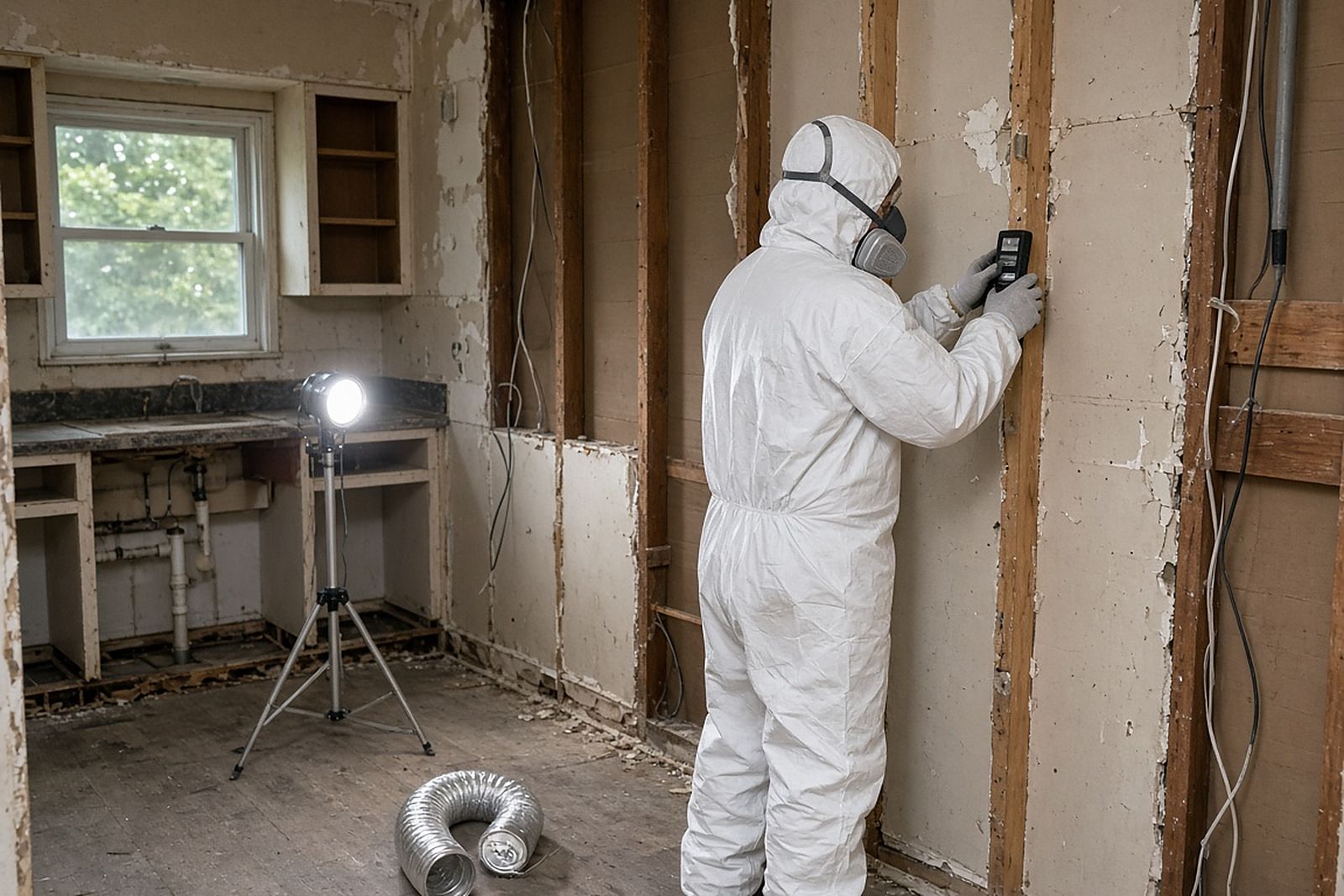
Costs explained
What drives the price, published cost ranges, and how to read a written quote line by line.
Insurance and payment
Which policies may respond, how to document a claim, and what to do if coverage is denied.
Planning tools
Use hands-on planners for lab properties. They sort out costs, questions for companies, insurance steps, first-day actions, waste types, and the risk of doing it yourself.
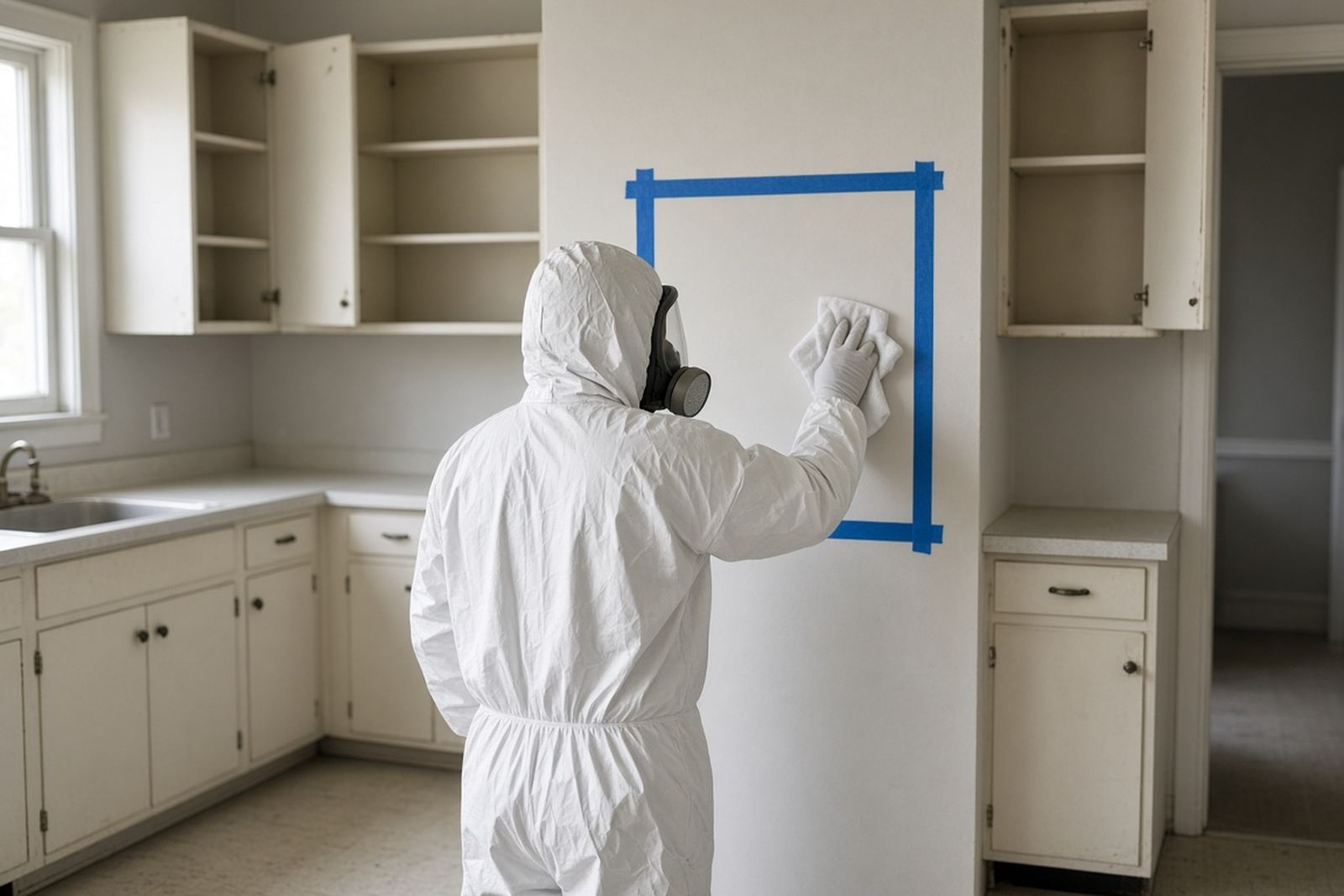
Knowledge quiz
Test what you know before you talk with a company. Topics include how residue spreads, state programs, sealing off work areas, cleanup steps, waste, and clearance records.
Articles and resources
Read plain explanations of state rule changes, testing questions, disclosure disputes, and lessons from real cleanups across the country.
Field guides
Dig into step-by-step guides on inspections, soft materials, and ducts. They also cover landlord duties and building a strong file for future buyers.
City guides
Find cleanup and testing companies who serve your area. Remember to check every credential directly with the state agency.