Field guide
Meth Lab Cleanup: Fleet and Vehicle Guide
What to do when a fleet vehicle may hold meth residue. Get help, keep custody, test the cab and cargo, protect workers, clean, repair, and return it.
Who this is for: Fleet owners, transport and safety managers and rental companies, plus cleanup experts, insurers, vehicle keepers, repair shops and public agencies.
Updated 2026-08-02. Rules differ by state and city, so check the details with your local authority.
Ask about your situation
Your request is sent to the follow-up inbox. A coordinator can reply by email. Not for emergencies; call 911 first if anyone is in danger.
In short
The short answer
One of your vehicles may have been used to make, convert, store or dump meth, or may hold its residue. If live or unknown hazards may remain, emergency services or the police must take control. Do not start it, air it out, tow it, test it or unload it unless they tell you to. After the main hazards are removed and the exact parts of the vehicle are released, follow current state and local rules. Keep the keys and a record of who has the vehicle. Cleanup approval, safety-system repair and a mechanical check are separate approvals. So are title and insurance decisions and putting the vehicle back into service.
Treat a possible mobile meth lab as an emergency
A vehicle that may hold a mobile meth lab is an emergency, because some things inside it can be dangerous. Watch for reaction gear, tubing, gas cylinders, powders, tablets or stained containers. Also watch for homemade vents, chemical smells, fire damage or dumped material. These can cause explosions, fire, poisoning, burns, breathing harm and harm to the environment. Keep your drivers, tow workers, cleaners, mechanics and the public away, and call the right authority. Do not open doors or start the engine. Do not run the heat or air, cut the power, flush tanks, move cargo or wipe surfaces for testing. Do not move the vehicle unless the response authority tells you to.
Your job is to control traffic and the ignition keys while keeping a way in for responders. From a safe place, share the vehicle ID number (VIN) and fuel type. Tell them about any high-voltage battery, refrigeration, sleeper, cargo, wheelchair equipment and known chemicals. Save your dispatch, GPS, tracking, video and access records. Save fuel, toll, maintenance, cargo, waste, rental and driver records too. Then assign an owner for each role. These include the authority contact, fleet incident lead, employee safety and vehicle custody. They also include the environmental expert, towing, cleanup, repair, the insurer, the property and return to service. In your work messages, do not accuse anyone or make health claims you cannot support.
Keep first removal, official release, and later cleanup separate
When the authority leaves, that does not mean your normal detailing or transport can start. The EPA treats the emergency removal of chemicals, containers, lab gear and immediate dangers as different from the later cleanup of leftover residue. Write down the agencies, the VIN and which compartments were released. List the cargo, devices and outdoor areas involved. Note the kinds of items removed, any spill or fire details and limits still in place. If unknown containers, powder, reaction risks or unstable chemicals remain or show up later, stop private work. Hand your vehicle and the problem back to the responsible authority.
Next, find the current state and local rules, because they govern what happens to your vehicle. They may cover notice, access and who is qualified. They may cover testing, cleanup levels, waste, the report and review. They may also cover title, transfer, disclosure and using the vehicle again. The EPA's 2021 guidance is voluntary. Decide who may plan the tests, take samples, run the lab work and read results. Decide who does the cleanup, approves changes, accepts results and clears the vehicle for service. Keep the chemical cleanup separate from your other decisions. Those include criminal evidence, your driver's job, who owns the cargo, insurance, title, salvage, mechanical repair and fleet operations.
Plan tests around how residue could spread in this vehicle
Testing should be planned around how residue could have spread in your vehicle. A good assessor maps where meth may have been made, converted, used, stored, spilled or dumped. They check the seats, foam, headliner, carpet and floor pan. They check the pillars, doors, seat belts, controls, vents, filters and HVAC ducts. They check the sleeper berth, refrigeration unit, tanks and cargo lining. They check the electronics, wiring, outside compartments, wheels, tools, trailers and nearby soil or water. You can help by explaining how people and things moved. That includes responders, drivers, tow workers, mechanics, cleaners, cargo and property. A smell, a public list entry, a field kit or one wipe cannot describe every part.
The written testing plan should set clear quality goals, so you know what each result means. It should name the chemicals to test for and the areas each result will decide. It should name the surfaces, spots and sample sizes. Where allowed, it should say whether samples are taken one by one or combined. It should also cover quality checks, chain of custody, the lab, reporting limits, the cleanup level and the pass-or-fail rule. Leave planned test surfaces, filters, system settings and cargo as they are until the plan allows changes. Your plan should list parts that cannot be reached and note how combining unlike materials affects results. You may need help from the maker or experts in vehicle engineering, upholstery, wiring, refrigeration or hazardous cargo. They can help reach parts safely without harming evidence or safety systems.
Protect workers and control the vehicle's power and movement
Your people need protection that fits the chemical work, and each employer is responsible for its own workers. Each employer should review the hazards. These can include fire, burns, poisons, dust, breathing risks, electrical and mechanical risks, pressure, sharps and unknowns. They should also check which OSHA rules apply. Whether OSHA's hazardous waste rule (HAZWOPER) applies depends on the work and the legal facts. It is not a general license for any property. Breathing protection, chemical hazard training, protective gear, decontamination, exposure response, emergency plans and training all need plans built for the task. Your drivers, detailers, tow workers and mechanics should stay out of chemical work unless they are assigned and protected for it.
You also need to identify every source of power or movement in your vehicle. Check the keys, remote start, and low- and high-voltage batteries. Check fuel, refrigeration, hydraulic lifts, ramps and power doors. Check the suspension, pressure systems and cargo hazards. The fleet or repair employer should shut down these systems using the maker's steps. They should not hand vehicle safety to your cleanup contractor. Pick secure storage with fire protection, privacy, waste handling and controlled access, and decide how air flow will be handled there. Log every tow, key handoff, entry, weather change, power change, tool and person.
Make separate decisions for parts, cargo, wash water, and waste
Detailing, ozone, air freshener, steam or paint does not meet the chemical finish line set by local rules. Your cleanup plan should cover removal and vacuuming with a HEPA (fine-particle) filter where it fits. It should cover wash cycles, air systems and filters. It should cover tanks or plumbing if your vehicle has them, cargo spaces, and outside surfaces or soil. It should also cover testing after cleanup, sealing where allowed and the final report. You should see a separate decision for each type of part. That includes upholstery, foam, seat belts, trim, carpet and insulation. It also includes electronics, tools, sleeper materials, refrigeration, child seats, wheelchair equipment and personal property.
Before anything moves, the type of waste has to be identified. That includes chemical leftovers, containers, filters and HEPA vacuum debris. It also includes wash water, removed parts, cargo, soil, tools and ordinary property. Ask for a plan that spells out who is responsible as the waste owner, how waste is contained and how it is labeled. It should set the route on your site, the hauler, the destination and the records. It should plan for a rejected load and for spill control. Do not flush unknown residue through a vehicle wash, storm drain, sewer or cargo tank. Keep evidence and customer property apart, and do not ship goods just because their packaging looks fine.
Hold off on repair and sale decisions until the cleanup is approved
Your repair and sale decisions should wait until the cleanup is approved, so set checkpoints where work stops for review. Put one before running the HVAC, removing filters, detailing, upholstery work, taking parts apart, coating or repairs that change required test surfaces. Keep the sample spots, sizes, methods, quality checks, chain of custody and lab data. Keep failures, invalid results, fixes, retests and comparisons with the cleanup level. Insurance payments, vehicle value, downtime, your need for a replacement or no smell do not change the rule in charge. The final report you receive should explain parts left out or not reachable, and every open question.
Once you have the required cleanup approval in hand, qualified repair staff use the maker's information to fix what is needed. That can include seat belts, airbags, seats, wiring, high-voltage parts and controls. It can also include HVAC, glass, body structure, wheelchair equipment, refrigeration and cargo systems. Protect approved surfaces from shop dust, fluids, tools, used parts, weather and traffic from other vehicles. The owner and insurer may weigh a total loss, title or salvage using the technical facts. Your cleanup company should not claim any say over coverage or what legally happens to the vehicle.
Return the vehicle to service without overstating the test results
Your permanent file should tie everything together. It should hold the emergency release, current rules, custody records, and towing and storage records. It should include the map of how residue could spread, all testing and quality checks, and lab reports. It should show the plans and changes, and the decisions on parts, cargo, systems and waste. It should list fixes, after-cleanup results, the final report and required approval. It should also record repairs, limits and restrictions. Keep your driver, medical, evidence, job, customer, security and legal records under the right access controls. A passing sample answers only the question it was planned for. It says nothing about parts that were not tested.
Before your vehicle goes back into service, confirm the required cleanup approval. Also check the keys, registration and title. Check tires, brakes, steering, seat belts, airbags and seats. Check doors, windows, lights, controls, warning lights and HVAC. Check wheelchair equipment, refrigeration or cargo gear, cleanliness, maintenance release and inspections. The approved fleet operator records the approval, date, driver briefing and any limits. Do not promise the vehicle is chemical-free, and do not use a detailing invoice as clearance. If new evidence shows up, stop work in that limited area and write down a new review.

What to do in each case
For vehicles, keep emergency, cleanup, mechanical, property, and fleet decisions separate.
| Decision | Evidence | Who decides |
|---|---|---|
| Active hazards | Responder instructions, removal record, and secured vehicle | Emergency services or police |
| Assessment | Map of how residue could spread, testing plan, quality checks, chain of custody, and lab data | Qualified roles under current rules |
| Workers and vehicle power | Hazard review, power shutdown, storage, and access log | Each employer and whoever holds the vehicle |
| Parts and waste | Material decisions, waste type, cargo, and where things go | Cleanup and property owners |
| Cleanup approval and repair | Fixes, final report, approval, and repair record | Required reviewer and qualified repair shop |
| Return to service | Mechanical checks, title status, limits, and sign-off | Approved fleet operator |
Checklist
- 1Keep people away if a vehicle may hold a live meth lab.
- 2Do not start, air out, tow, unload, or test without direction.
- 3Save the VIN, keys, and dispatch, GPS, cargo, waste, and maintenance records.
- 4Record what was removed, exactly what was released, which compartments, and any limits.
- 5Track custody through towing, storage, entry, weather, and power changes.
- 6Map the cab, sleeper, cargo, HVAC, soft parts, wiring, soil, and water.
- 7Use a written testing plan with quality checks and chain of custody.
- 8Keep routine fleet staff out of chemical testing and cleanup.
- 9Work with the responsible employer to shut down power safely.
- 10Identify the type of each part, cargo, waste, and wash water before it moves.
- 11Protect test surfaces during detailing and repair.
- 12Match up failed, invalid, fixed, and passing results.
- 13Check safety and mechanical systems.
- 14Get cleanup and fleet approval in writing before the vehicle returns.
Common questions
Can a suspected vehicle be towed immediately?
Only as the emergency authority directs. Towing can shift unstable chemicals, spill material or change evidence. It can expose the driver or put a dangerous vehicle in the wrong yard. First identify the VIN, the state of each compartment and the cargo, and where the keys are. Note fire and high-voltage risks, how spills will be contained, the route, the destination, the tow method and safety steps at the yard. After official release, record every move in your custody log, and use a site that can handle safe testing and waste.
Does one positive wipe mean the vehicle is a total loss?
No. Read the result in light of its method, quality checks and surface size. Also consider its location, the cleanup level, the map of how residue could spread and the question it was meant to answer. More testing may be needed for different materials, HVAC, foam, cargo or parts that are hard to reach. Whether cleanup is possible, and what repairs cost, then help the owner and insurer decide. One sample does not settle every part of your vehicle. But a high vehicle value cannot make a hidden or untested source of residue acceptable.
Does HAZWOPER always apply?
No one can give a single answer for all cases. It depends on the work, the site's status, the hazards, the employer's role and the legal criteria. Employers should write down their review and any other rules that apply. A training card is not property clearance. It does not permit handling unknown live chemicals or driving the vehicle. Live unknown hazards should stay with the right emergency or hazardous materials authority until release.
Can the HVAC simply be run after cleaning?
No. Do not run it just to check for smell or to dry out the cab. First, review how the system was used before, plus the vents, filters, ducts and air intakes. Consider the soft parts, the testing plan, the maker's steps and worker exposure. Also consider any required cleanup finish line. Running the fan can move residue and change evidence. After approval, qualified repair or fleet staff check that the HVAC works and its parts are in place. That is a mechanical step, separate from the chemical cleanup.
What belongs in the vehicle final report?
Your final report should include the emergency release, the rules in charge, the VIN and custody. It should add towing and storage, the map of how residue could spread, and every sample and quality check result. It should include chain of custody, lab reports, and plans and changes. It should cover parts, systems, cargo, waste, fixes, after-cleanup data and limits, and end with the required approval. Link the repair and return-to-service records to it. Keep driver, medical, job, evidence, customer and legal information separate, with its own access controls.
Can cargo from a suspected vehicle be delivered?
No, not while the vehicle is still under suspicion or awaiting assessment. The cargo may be evidence, or residue may have reached it, and moving it could spread contamination to a customer's site. Keep the load sealed in place or in a controlled staging area, record the manifest and packaging, and let the assessment decide what happens to each item. Contact the shipper or customer about the delay without speculating on the cause.
Should other vehicles parked in the same yard be checked?
Check them if the assessment finds a credible pathway, not just because they were nearby. Look at shared parking spots, shared drivers or keys, transferred equipment, dumping near other units, and any trailers that were connected. A qualified assessor can decide whether sampling another vehicle answers a real question. Keep a list of the vehicles you considered and why each one was included or left out, so the decision can be reviewed later.
Sources
These official sources back up the safety and process points above. Use them when you talk with your local office or a cleanup company.
Use this guide with the planning tools
Open the insurance claim organizer to keep the paperwork orderly from the first call to the carrier decision. When you are ready to compare providers, the vetting checklist turns the questions in this guide into a list you can send.
Related articles
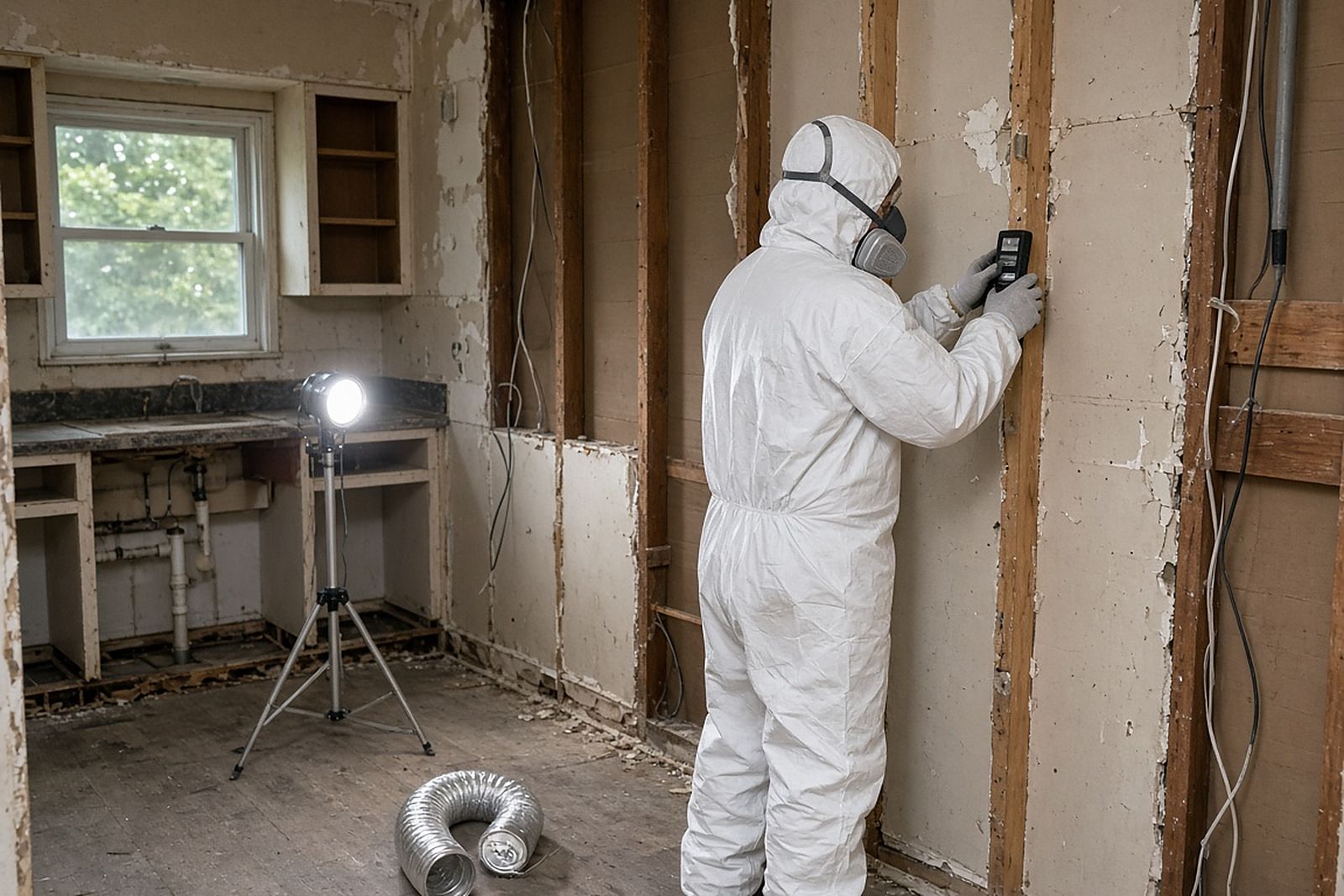 How to Evaluate Equipment Proposed for Meth Lab CleanupWhen a contractor lists equipment for meth lab cleanup, check that it supports the three things that matter. One is measuring residue with proper wipe sampling and chain of custody. One is removing it with fine-filter (HEPA) vacuums, detergent washing and a sealed work area. One is protecting workers with respirators and chemical-resistant suits. Sealing coats and odor tools should come after cleaning, never in place of it, and every item should fit your state's program.
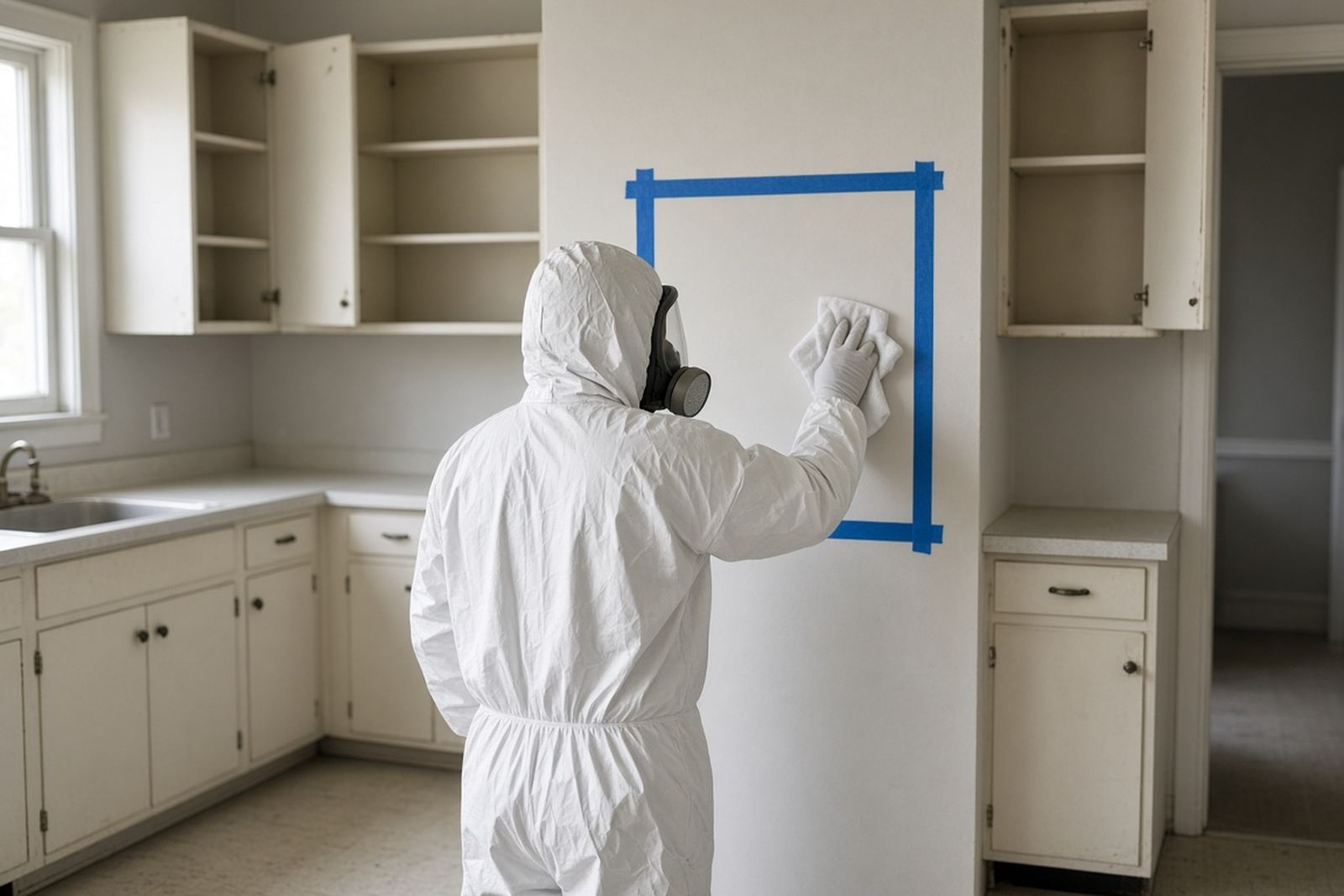 10 Meth Lab Cleanup Safety Risks to Assess Before Work BeginsBefore meth lab cleanup starts, check ten risks. They are leftover chemicals and equipment, fire and explosion damage, invisible drug residue and corrosive or reactive stains. They include contaminated plumbing and septic systems, spread through the heating and cooling system, and sharps and drug-use items. The last three are exposure to vulnerable people, structural and utility hazards, and legal limits on the property. Each one decides who enters first, what protection they need and what order the work follows.OSHA Regulations and Meth Lab CleanupOSHA protects the workers who clean up a former meth lab, not the property. Crews are commonly trained under the hazardous waste operations standard, known as HAZWOPER. They work under OSHA rules for respirators, personal protective equipment and hazard communication. State meth cleanup programs often set their own contractor and clearance requirements on top of OSHA, so check both layers.
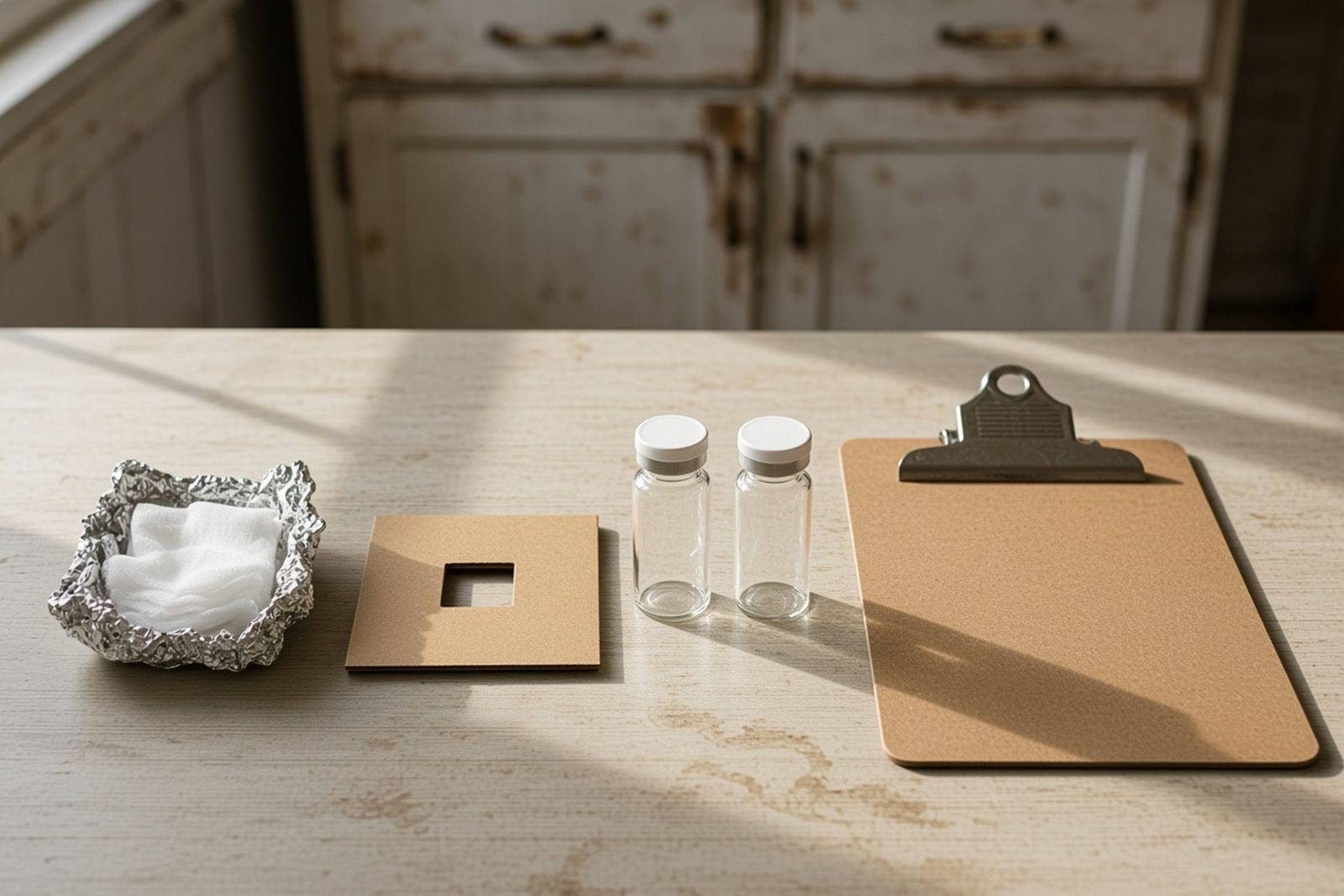 Red Flags When Hiring Meth Lab Cleanup ServicesWatch for a meth lab cleanup contractor who offers to skip the first or the clearance sampling, or who wants to paint or seal walls without cleaning them. Be wary of one who insists on grading its own work where independence is required, or cannot name your state's standard. Other warning signs are a promised pass before testing, no plan for ducts and plumbing, and no written answer on what happens if clearance fails.When ATP Testing Helps—and When It Does Not—in Meth Lab CleanupThe quick swab test many cleaners use cannot tell you whether a former meth lab is clean. It measures leftover organic residue, not methamphetamine or lab chemicals, and it does not detect germs. Clearance for meth depends on surface wipe samples analyzed by an accredited lab and compared with your state or local limit. The swab test may still help with separate biological problems at the same property, such as bodily fluids or animal waste.How to Evaluate Technology Used in Meth Lab CleanupJudge any meth cleanup tool by asking whether it helps measure residue, remove it or contain it. Then ask whether the result can be checked with lab wipe samples against the limit that applies to you. Accredited lab analysis, fine-dust (HEPA) filters, air machines that keep dust inside the work area and proper duct cleaning tools all have clear roles. Be skeptical of sprays, foggers or machines that claim to neutralize residue without physical cleaning or clearance testing.