Free needle & sharps disposal tool
Needle & Sharps Disposal Insurance Claim Organizer
A guided checklist from finding the policy to tracking the insurer’s decision, with a printable summary of where the claim stands.
Most sharps cleanups are paid out of pocket or from an upkeep budget, and that is worth saying first. Still, there are times when talking to your insurer makes sense. It could be an empty rental unit left badly soiled after a problem tenant. It could be a break-in that left syringes and damage behind. It could be a car where sharps were found along with biohazard mess. Or it could be a business facing a liability question after someone was stuck on site. This organizer walks you through the steps any of those talks will need. Find the policy and read what it says about biohazard, vandalism, and liability on the property. Describe the cause of loss in plain words. Give notice on time. Record the scene. Get a written work plan from the company. Then track what the insurer decides.
The tool keeps a progress checklist and makes a printable summary. That gives you one record of what happened and when. It cannot tell you whether your policy covers this. Only the insurer or your broker can. Many routine needle pickups are not covered because they count as normal upkeep. What the organizer does is prevent the two mistakes that sink otherwise fair claims. One is waiting too long to give notice. The other is cleaning up before anything was photographed. It also keeps the company's scope apart from any pest, repair, or remodel bills. That way an adjuster can see exactly what was biohazard work. Even if you never file a claim, the same file works as a liability record for the property.
How to use it
- 1Find the declarations page and any add-ons that mention biohazard, vandalism, or liability on the property. Note the policy number.
- 2Describe the cause of loss in one sentence. For example, a tenant moved out and left syringes and mess, or a break-in left sharps and damage.
- 3Give notice to the insurer or broker. Write down the claim number, and upload photos taken before any cleanup began.
- 4Add the company's written work plan and bill. Then log each talk with the insurer and the final decision.
Prefer to ask a person?
Your request is sent to the follow-up inbox. A coordinator can reply by email. Not for emergencies; call 911 first if anyone is in danger.
Organize an insurance claim
Needle & Sharps Disposal insurance claim organizer
A checklist to keep the claim orderly. It stores nothing on our servers; copy the summary to your own notes.
0 of 18 steps recorded (0%)
Print or paste the summary into your own records. Coverage is the carrier's decision under the policy; keep every answer in writing.
A worked example
Think of a made-up small landlord who gets a unit back after an eviction. She finds syringes in the bedroom carpet, on the bathroom floor, and inside a couch. There are also stains that may be blood. Before touching anything, she photographs each room from the doorway. She also takes closer shots of the items where they lie. Then she closes the unit. In the organizer, she records the cause of loss as tenant vandalism and abandonment, found on the day she got the unit back. She pulls her landlord policy and notes an add-on that mentions willful damage by tenants. She calls her broker that afternoon, gets a claim number, and enters it. A company inspects and sends a written work plan. It covers a full search of soft furniture and removal of the couch and carpet sections that cannot be confirmed clear. It also covers disinfecting hard surfaces and moving sealed sharps containers. She uploads the work plan and keeps it apart from the separate quote for new paint and flooring. The insurer asks for the photos and scope. She uses the printable summary to send everything in one message. Whatever the decision, her file is complete.
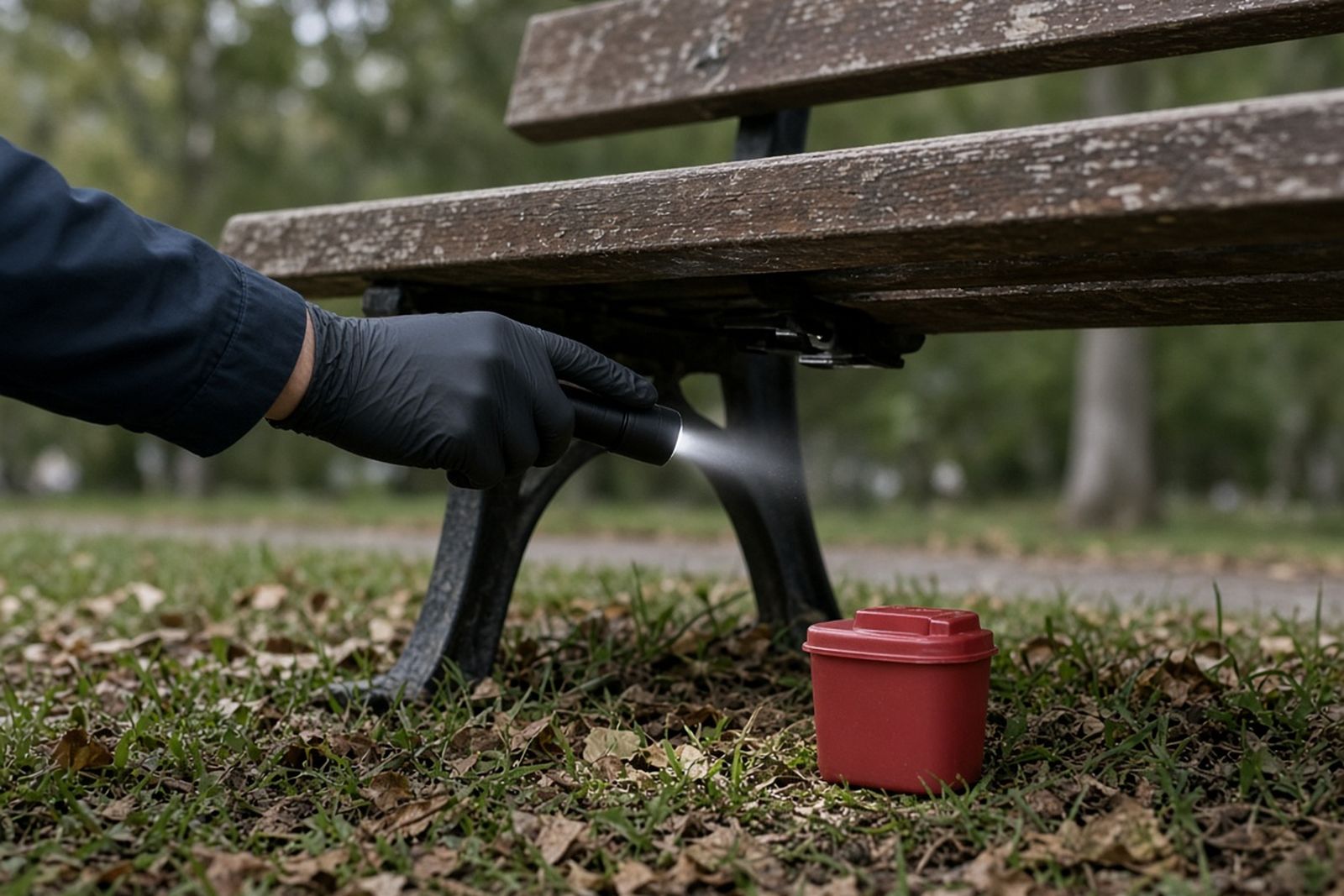
Facts worth knowing
One national vendor's 2026 prices for home sharps mail-back kits are $45 for 1 quart, $75 for 2 gallons and $135 for 5 gallons, shipping and disposal included.
Why it matters: Before you buy, check whether your state, county or drug maker offers a free mail-back kit.
One industry pricing guide says regulated medical waste disposal typically costs $0.30 to $0.80 per pound in 2026, with small generators paying toward the high end.
Why it matters: Ask your hauler about minimum fees and surcharges, which often add up to more than the per-pound rate.
OSHA requires workplace sharps containers to be closable, puncture resistant, leakproof on the sides and bottom, labeled or color-coded, and replaced before they overfill.
Why it matters: If your staff may handle needles, you must provide containers that meet these rules.
Insurance Claim Organizer questions for needle & sharps disposal
Is a needle found in a common area something I should report to my insurer?
One needle found in a hallway or lot is usually handled as upkeep. Reporting it as a claim rarely helps. What matters is writing it down in your property file in case a liability question comes up later. If someone was hurt on the property, that changes things. You should tell your insurer or broker right away and follow the organizer's notice step.
What photos does an adjuster typically want for a sharps-related claim?
Take wide shots of each affected room or area from the doorway. Take medium shots that show where sharps and any stains are. Then take closer shots of the items themselves, safely from above, without moving them. Include the date and, if you can, an object for scale. Photograph containers or drug items just as you found them. Take these before any cleanup, because after removal there is nothing left to show.
Should I wait for the carrier's decision before hiring a company?
Usually not, especially where children, tenants, or workers could come across the sharps. Give notice, record everything well, and move ahead with removal to prevent injury. Tell the insurer you are acting to limit the hazard. Keep the company's scope and bill. Putting off a safety cleanup while you wait to hear about coverage can create a bigger liability problem than the cost you hoped to get back.
Why does the organizer ask me to separate the biohazard scope from other repair invoices?
Adjusters judge biohazard cleanup, building repair, and cosmetic updates under different parts of the policy. One bill that mixes the sharps search, carpet removal, painting, and new flooring makes it hard to see what the hazard caused. Separate papers let the insurer apply the right part of the policy to each item. That lowers the chance that a real cleanup cost gets turned down along with a cosmetic upgrade.
Can the organizer help a business after an employee or customer needlestick?
It can sort the timeline, the details of what happened, the photos, and the company's "all clear" papers. Those are useful for any talk about liability on the property or workers' comp. The person who was stuck should get checked by a doctor right away, no matter where the insurance steps stand. Whether a policy covers it is a question for the insurer, and maybe a lawyer. Rules on reporting work injuries vary by state.
Does the organizer help me decide whether a claim is worth filing at all?
It helps you gather the facts that make that choice clearer. Was anything damaged? Was anyone hurt? What did the cleanup cost? It does not predict how your insurer will respond. Use the summary it makes when you call your agent with general questions. Then let their answer, along with your policy wording, guide whether a formal claim makes sense.
Can I update the organizer if more needles are found after I start a claim?
Yes. Add each new find as its own entry with a date, location, photos, and any company record. Keeping later finds apart from the first event helps an adjuster see what belongs to the claim and what may be an ongoing problem. Send updates to your insurer in writing and keep copies. A clear timeline tends to prevent confusion later.
Related community polls
Vote to see how other people answered. You can change your answer at any time.
If you found a syringe in a shared area of your building, what would you most likely do first?
How do you currently manage medical sharps generated at home?
Other needle & sharps disposal tools
Cost Range Estimator
Set the affected area, surface types, severity and extras to see a rough cost range and what pushes it up or down.
OpenCompany Vetting Checklist
Fifteen questions to ask any cleanup company, a score that shows how ready you are to hire, and a list of what is still unanswered.
OpenFirst 24 Hours Planner
Tell the planner a few facts about the situation and get an ordered list of who to call, what not to touch, and what to photograph.
OpenWaste & Disposal Classifier
Five questions about the material point to the likely waste category and which authority to confirm the rules with.
OpenDIY or Call a Pro? Risk Check
Eight yes-or-no questions that produce a risk level and explain when professional help is the safer choice.
OpenMore on needle & sharps disposal
Needle & Sharps Disposal services
See how field pickup, container swaps, camp sweeps, and regulated transport fit together when used needles turn up on a property.
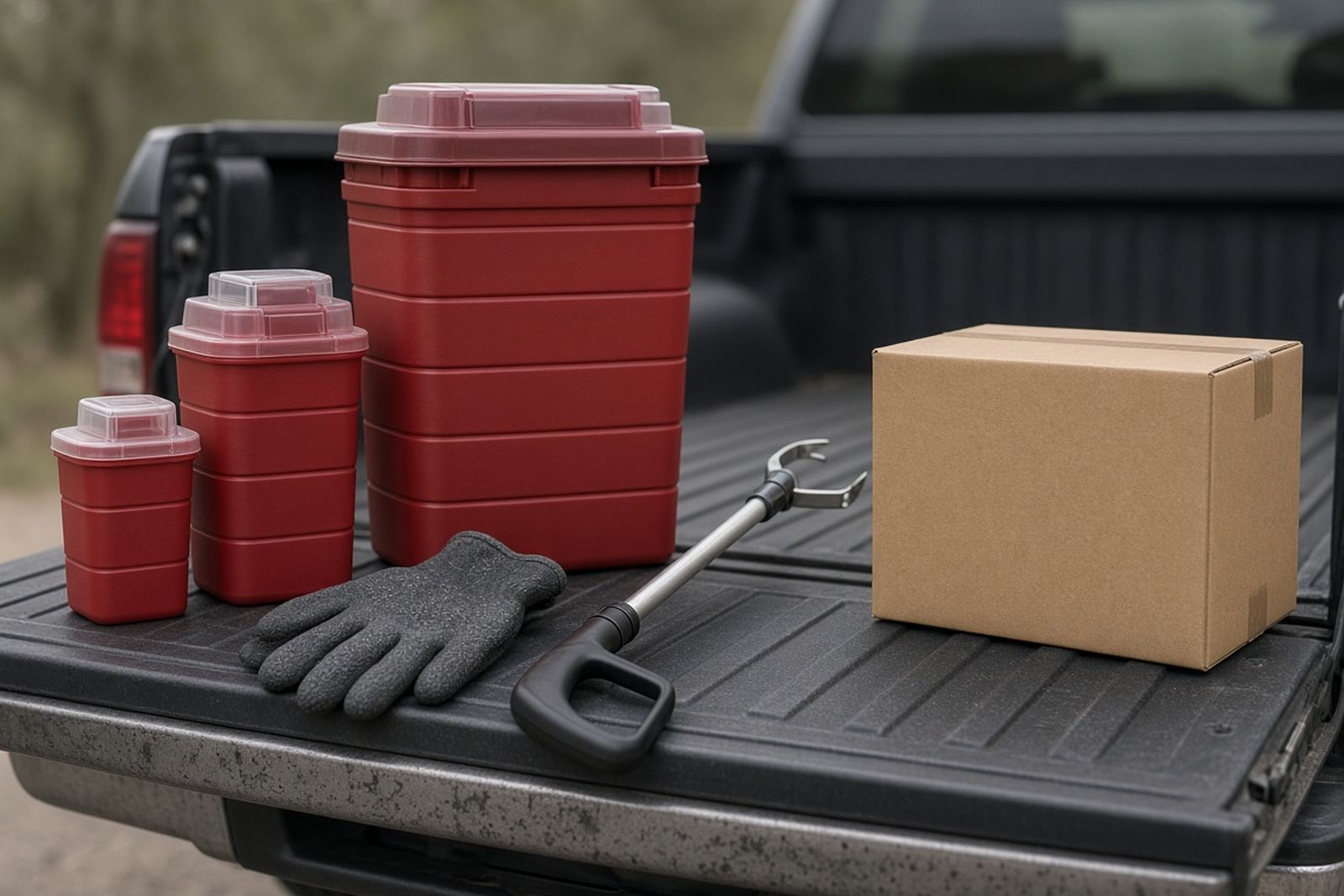
Costs explained
What drives the price, published cost ranges, and how to read a written quote line by line.
Insurance and payment
Which policies may respond, how to document a claim, and what to do if coverage is denied.
Community polls
Compare your gut sense with other renters, landlords, and parents on how to report, pay for, and check sharps cleanup in shared spaces.

Knowledge quiz
Test whether you can spot hidden sharps, know who is responsible, and pick a disposal route your local office would accept.
Articles and resources
Read longer pieces on rental turnovers, camp cleanups, home sharps programs, parking lot hazards, and what to expect after a needle stick.