Free needle & sharps disposal tool
Needle & Sharps Disposal Company Vetting Checklist
Fifteen questions to ask any cleanup company, a score that shows how ready you are to hire, and a list of what is still unanswered.
Anyone with tongs and a plastic jug can call themselves a needle cleanup service. That is why checking a company matters more here than in many other cleanup jobs. The right company comes with containers needles cannot poke through and tools that keep hands away from the sharp. They have a careful search plan. And their waste ends up at a permitted treatment plant, with paperwork. The wrong company shows up with gloves, a bucket, and a promise that the area is fine. This checklist gives you fifteen questions to ask before you hire. They cover training, insurance, search method, and how containers are used. They also cover proof of transport and treatment, what happens if more needles turn up later, and how the "all clear" will be recorded for your property file.
As you confirm each answer, the tool tracks a readiness score. It also builds a list of questions still open. You can copy that list into an email or read it aloud on a call. The score is a handy guide, not a stamp of approval. A company who answers every question well may still be wrong for a large camp. One who stumbles on a detail may just need to look it up. What you are listening for is ease. Companies who do this work often can describe their container, their search pattern, and where the waste goes without pausing. Vague answers about handling, or any hint that staff pick up needles by hand, should end the call.
How to use it
- 1Read the fifteen questions before you call so you know what a complete answer sounds like.
- 2Ask each question. Check it off only when the company gave a clear, specific answer you could write down.
- 3Review the readiness score. Note any answers that felt vague or went against the advice on this site.
- 4Copy the list of open questions and send it to the company in writing before you agree to the work plan.
Prefer to ask a person?
Your request is sent to the follow-up inbox. A coordinator can reply by email. Not for emergencies; call 911 first if anyone is in danger.
Check a company before you sign
Needle & Sharps Disposal provider vetting checklist
Start with the questions specific to this kind of job. Tick each one once the provider has answered it in writing or shown you the document. Your progress stays on this device only.
Readiness: 0 of 21 confirmed (0%)
21 questions still need a written answer. Copy the list and send it to the provider before you sign anything.
A worked example
Picture a made-up owner of a corner store. His back alley has become a dumping spot for syringes. He calls two companies he found through the site and goes through the checklist with each. The first company explains their plan. A two-person team will split the alley into sections. They will use tongs and a container worn on the body, and rake the weeds along the fence. They will come back for a second pass after the store's landscaper trims the growth. They describe the container type, name where the waste goes, and offer a written note listing the sections searched. He checks off most items. He is left with two open questions: proof of insurance, and whether they will photograph the area before and after. The second company says their guy will come by, pick everything up, and toss it in a sealed bucket that goes to the dump. When asked about a search pattern, they say the alley is small enough to eyeball. That company's score is low, and the open-questions list is long. He emails the first company the two remaining questions. He gets the insurance paper and a yes on photos. Then he books the job with a clear work plan.
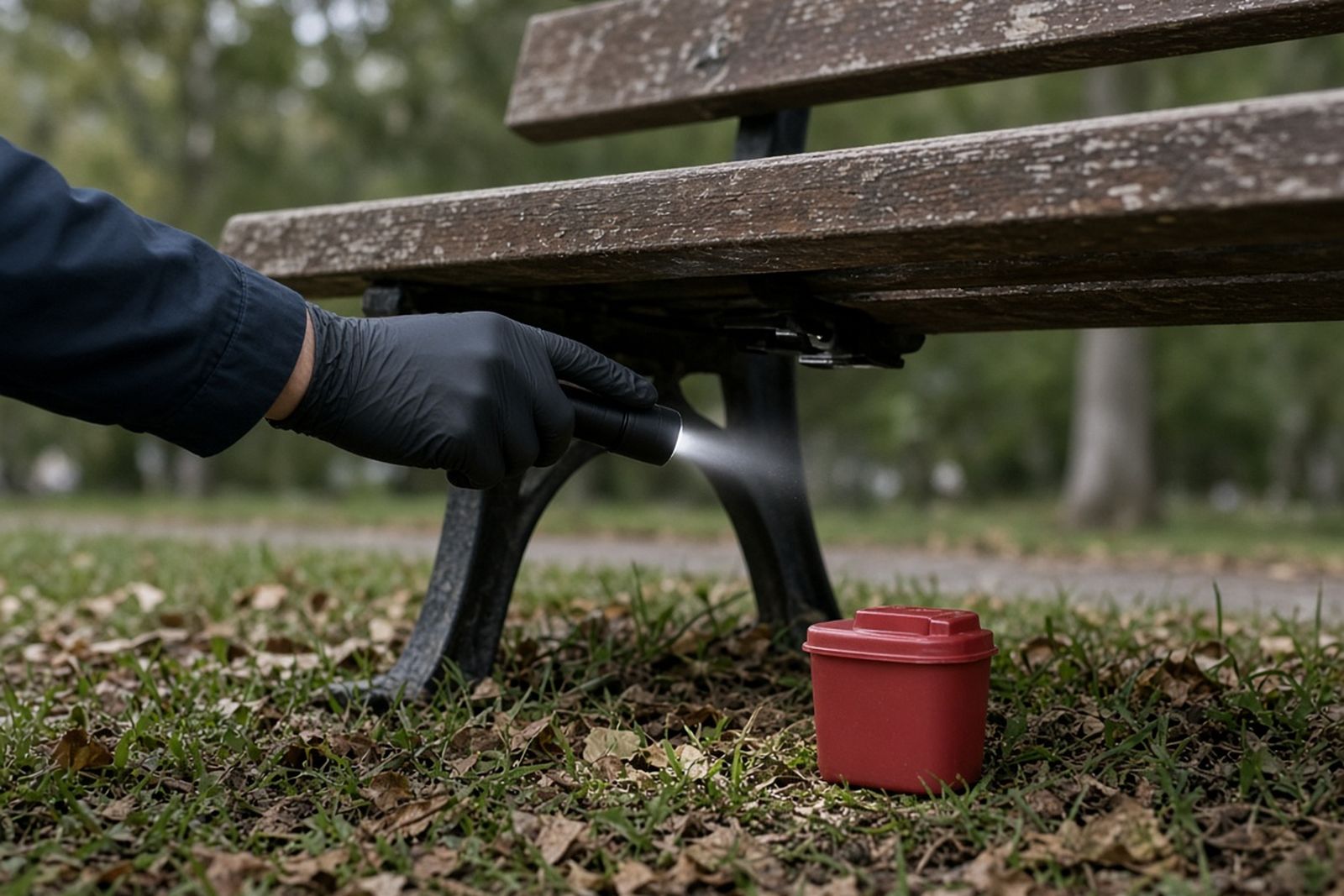
Facts worth knowing
Illinois EPA says no household hazardous waste site or event in Illinois accepts sharps; residents must use drop-off sites or mail-back programs.
Why it matters: If you live in Illinois, do not bring needles to a hazardous waste event; find a sharps drop-off or mail-back program.
In a 2006–2007 study of home-care workers, throwing away sharps and touching waste were among the causes of reported injuries.
Why it matters: Never reach into trash that may hold needles or pick them up by hand; you can use tongs and a hard container.
In a survey answered by 18 commercial airports, 11 said they offered some way to dispose of used needles.
Why it matters: Do not count on an airport having a sharps bin; carry your own small travel container when you fly with needles.
Company Vetting Checklist questions for needle & sharps disposal
What is the single most important question on the checklist?
Ask exactly how the company's staff move a needle from the ground into the container. The answer should involve tongs, forceps, or a similar tool. It should also involve a stiff container that stays with the responder at all times. If the answer mentions gloves alone, putting caps back on, or collecting into a bag or box first, stop there. Everything else on the list matters less than that one habit.
Should I ask a company whether their staff are trained under the Bloodborne Pathogens standard?
Yes. Employers whose workers can reasonably expect contact with blood are covered by 29 CFR 1910.1030. That rule requires training, a written plan to control exposure, and the right gear. A company should be able to say when staff were last trained and describe the plan in general terms. You do not need to check the paperwork. But a blank look tells you a lot.
How do I know if the disposal route the company describes is legitimate?
Ask where the sealed container goes and whether you will get proof of transport or treatment. Real routes end at a permitted medical waste treatment plant, sometimes through a licensed hauler. Ask for the name of the plant or hauler. Then check it against your state's environment or health agency lists. Rules vary by state and county, so check with the local office if anything seems off.
What should I ask about return visits and hidden needles?
Ask whether the quote includes a second pass after junk, plants, or furniture are removed. Also ask what happens if a tenant or worker finds another needle a week later. Good companies describe a plan to recheck and a simple way for staff to report. If the answer is that one pass is always enough, that company does not understand how sharps hide.
Does a high readiness score mean the site has verified the company?
No. The score only reflects the answers you checked off as confirmed. The site is for learning and helps you reach companies. It does not license, inspect, or certify them. You are still responsible for checking insurance papers, business registration, and references. Treat the score as a record of your own homework, not as an endorsement.
Can I use the checklist to compare a company I already use against a new one?
Yes. Fill out the checklist for your current company based on what you have seen in their visits and records. Then run it again for the new company using their answers. Differences often show up in paperwork and how clearly they explain disposal, more than in price. If your current company scores lower, share the exact gaps with them first. Some will improve once they know what you expect.
What should I do with the checklist results after I hire someone?
Save the finished checklist in your property or business file. Keep the company's written answers and work plan with it. It becomes a record of what you were promised. Look at it again when you get visit records or renew the contract. Note any answers that later turned out to be wrong. That history helps the next person who manages the property see why this company was chosen.
Related community polls
Vote to see how other people answered. You can change your answer at any time.
If you found a syringe in a shared area of your building, what would you most likely do first?
How do you currently manage medical sharps generated at home?
Other needle & sharps disposal tools
Cost Range Estimator
Set the affected area, surface types, severity and extras to see a rough cost range and what pushes it up or down.
OpenInsurance Claim Organizer
A guided checklist from finding the policy to tracking the insurer’s decision, with a printable summary of where the claim stands.
OpenFirst 24 Hours Planner
Tell the planner a few facts about the situation and get an ordered list of who to call, what not to touch, and what to photograph.
OpenWaste & Disposal Classifier
Five questions about the material point to the likely waste category and which authority to confirm the rules with.
OpenDIY or Call a Pro? Risk Check
Eight yes-or-no questions that produce a risk level and explain when professional help is the safer choice.
OpenMore on needle & sharps disposal
Needle & Sharps Disposal services
See how field pickup, container swaps, camp sweeps, and regulated transport fit together when used needles turn up on a property.
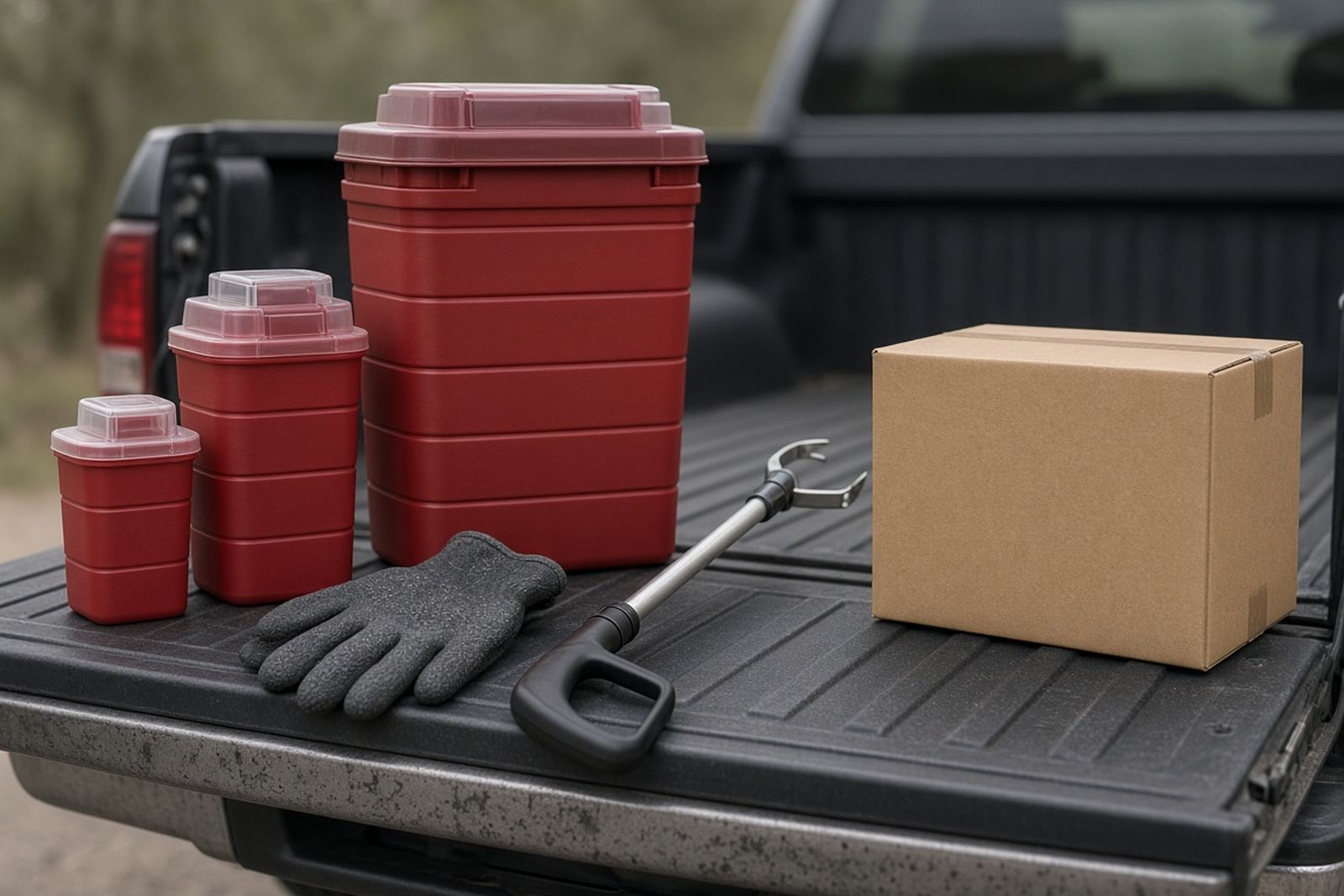
Costs explained
What drives the price, published cost ranges, and how to read a written quote line by line.
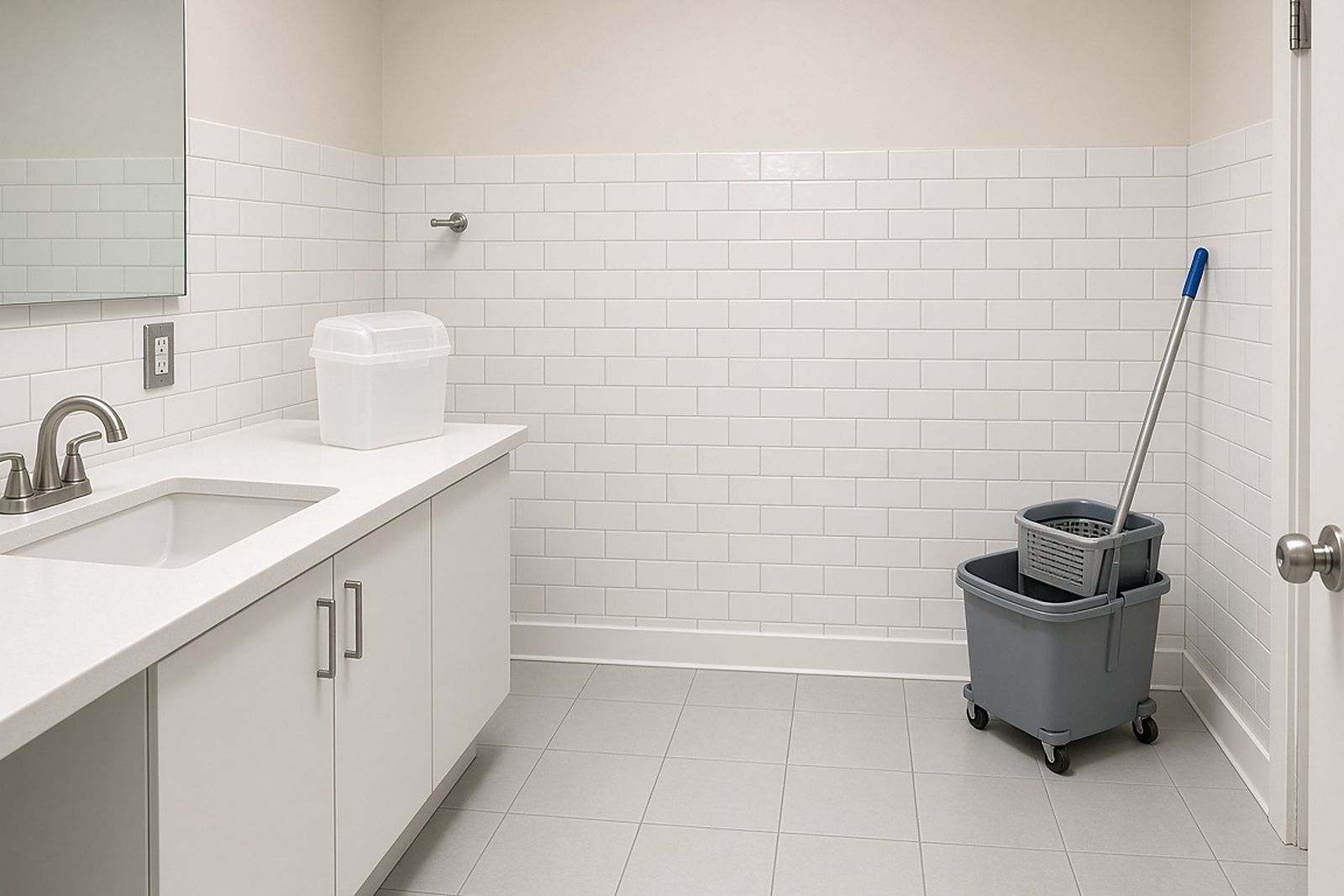
Insurance and payment
Which policies may respond, how to document a claim, and what to do if coverage is denied.
Community polls
Compare your gut sense with other renters, landlords, and parents on how to report, pay for, and check sharps cleanup in shared spaces.

Knowledge quiz
Test whether you can spot hidden sharps, know who is responsible, and pick a disposal route your local office would accept.
Articles and resources
Read longer pieces on rental turnovers, camp cleanups, home sharps programs, parking lot hazards, and what to expect after a needle stick.