Needle & Sharps Disposal planning tools
Work through cost, hiring, insurance, first steps and disposal at your own pace.
The tools on this page turn a scary find into a set of choices you can handle. A used syringe rarely comes with instructions. You may be a tenant who found one in the laundry room. You may be a landlord clearing an empty unit, or a shop owner whose alley has become a problem. Or you may handle medical sharps at home and not know where the full container should go. Each tool takes on one question. What might pickup cost and why? What should you ask a company before you hire them? Is a claim worth filing? What should you do in the first day? What kind of waste is this? And should you try this job at all? Working through them in order gives you a clear picture.
Get an email reply about needle & sharps disposal
Send a short message to the follow-up inbox. A coordinator can reply by email. This form does not send emergency help; call 911 first if anyone is in danger.
Choose a tool
Each tool is free and private: nothing you type is saved or sent anywhere. Use the results to get ready for a visit from a cleanup company or a call with your insurer.

Cost Range Estimator
Set the affected area, surface types, severity and extras to see a rough cost range and what pushes it up or down.
Open tool
Company Vetting Checklist
Fifteen questions to ask any cleanup company, a score that shows how ready you are to hire, and a list of what is still unanswered.
Open tool
Insurance Claim Organizer
A guided checklist from finding the policy to tracking the insurer’s decision, with a printable summary of where the claim stands.
Open tool
First 24 Hours Planner
Tell the planner a few facts about the situation and get an ordered list of who to call, what not to touch, and what to photograph.
Open tool
Waste & Disposal Classifier
Five questions about the material point to the likely waste category and which authority to confirm the rules with.
Open tool
DIY or Call a Pro? Risk Check
Eight yes-or-no questions that produce a risk level and explain when professional help is the safer choice.
Open toolKnowledge quiz
A short quiz with an explanation for every answer, so you can check what you know before you make decisions.
Take the quizHow these tools fit needle & sharps disposal
The tools are for learning, and their limits should be stated plainly. The cost estimator gives a range based on the factors you pick. It is not a quote. It cannot know what a local company will charge after seeing the site. The vetting checklist tells you what to ask, but it cannot check a license or insurance paper for you. The waste guide suggests a likely type and points you to the office that decides. It does not decide for you. The risk check flags cases where a professional is the safer choice, but it cannot see the needle in front of you. Treat every result as a place to start a talk, not a final answer.
Rules about sharps containers, home disposal, and regulated medical waste vary by state and county. The tools are written to be right everywhere, which means they are exact nowhere. When a result says to check with the local office, that step is the key part. The same goes for who is responsible. Leases, city codes, and business duties differ. Only your own papers and local officials can settle them. If someone has been stuck by a needle, none of these tools should delay getting checked by a doctor right away. Use the planner afterward to sort out what comes next. Use the vetting checklist when you are ready to bring in a company.
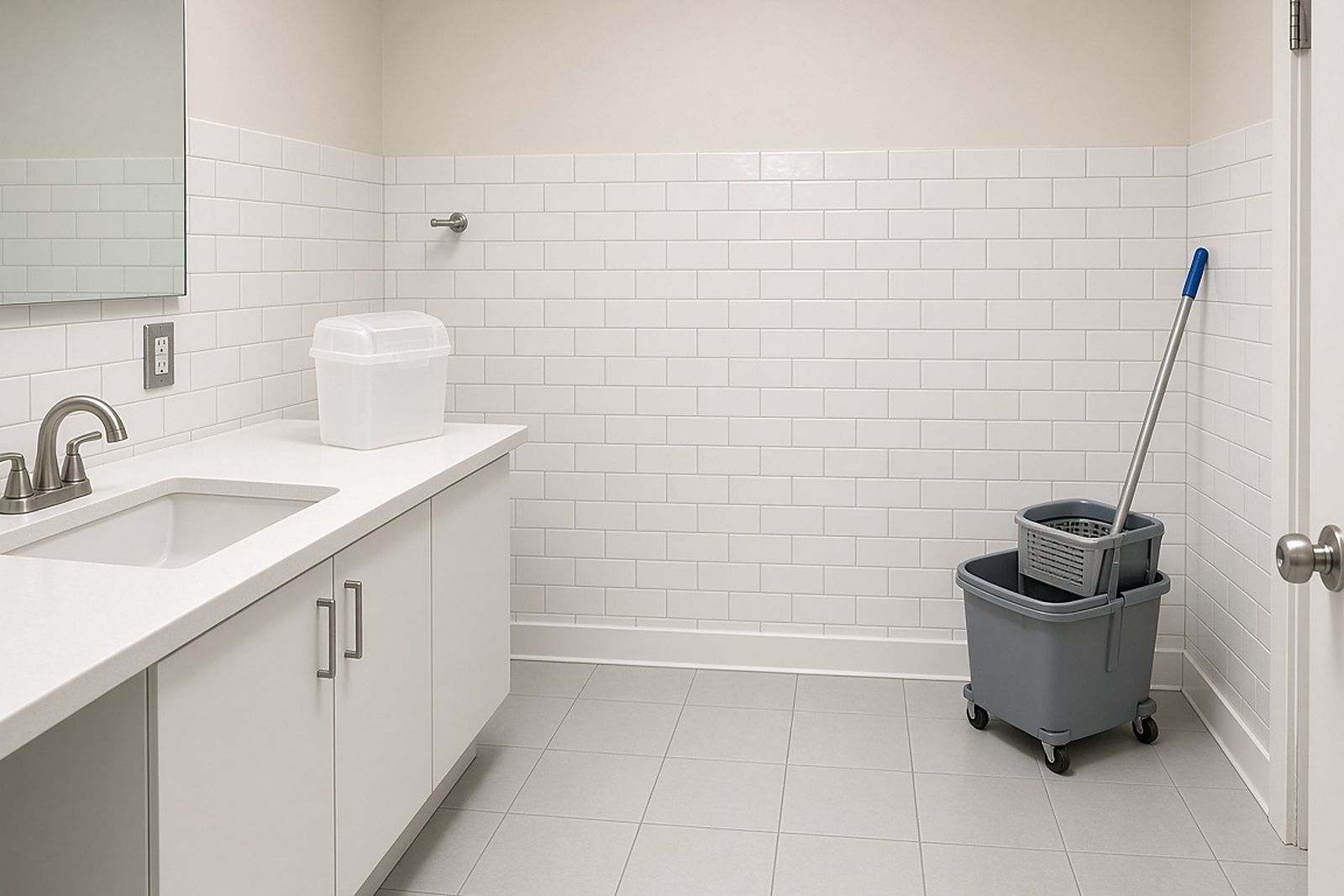
Facts worth knowing
In a Portuguese study of adults with diabetes, more than one in five who were given needle disposal advice got incorrect advice.
Why it matters: Check any disposal advice you get against your local health department or waste service rules, since rules differ by place.
At one US community clinic, 57.3% of 89 people surveyed said they had no training on handling sharps or were not sure.
Why it matters: Do not assume anyone taught you or your staff the right way; ask a pharmacist or your local health department.
The FDA says a sharps container should be heavy-duty plastic, leak-resistant and stable, with a tight puncture-proof lid; a laundry detergent bottle can work if you have none.
Why it matters: Check with your local drop-off or mail-back program first, since some may not accept homemade containers.
What other people chose
Vote to see how other people answered. You can change your answer at any time.
If you found a syringe in a shared area of your building, what would you most likely do first?
How do you currently manage medical sharps generated at home?
Questions about the needle & sharps disposal tools
Which tool should I open first after finding a syringe?
Start with the First 24 Hours Planner. It asks about the setting, whether children or pets are there, whether it is a rental, and whether anyone was hurt. Then it puts the first steps in order. Once the area is closed off and reported, the DIY Risk Check and the Company Vetting Checklist can help. They help you decide whether to call someone and who to trust.
Do the tools store my answers anywhere?
Answers stay in your browser session so you can move between steps and print a summary. Nothing is sent to a company, and the site does not build a profile from what you enter. If you clear your browser data or switch devices, the entries disappear. Save or print the summary if you want to keep it for a landlord file or an insurance conversation.
Can the cost estimator tell me what a single-needle pickup will cost in my city?
No. It shows a range for learning, based on the situation you describe. It explains which factors push the range up or down, such as the size of the search area, sharps hidden in plants, or the need for a second visit. Local prices depend on travel, minimum call-out fees, and how the container gets disposed of. Use the range to judge whether a written quote seems fair, not to predict it.
Will the waste classifier tell me whether I can put my home sharps container in the trash?
It will tell you that sealed home sharps are treated differently from sharps picked up by a business. It will also name the office that sets the rule where you live. It cannot confirm the rule itself, because home disposal rules vary by state and county. Take the result to your local waste office or health department list and check before you act.
Is the insurance organizer useful for a landlord dealing with a repeat needle problem?
It helps you gather what an insurer or broker would ask for. That means the policy, the date each problem was found, photos, written tenant notices, and the company's work plan. Whether any coverage applies is up to the insurer, and many routine cleanups are treated as normal costs. The organizer's real value is a neat file you can also use as a record in case of a liability claim.
Are the tools appropriate for a business that generates sharps, such as a tattoo studio or clinic?
Partly. The vetting checklist and waste guide can help you pick a company that swaps out full containers. They also help you learn about medical waste rules. The cost estimator and planner are built for found needles and property cleanups, not for ongoing waste pickup. A business that makes sharps on a regular basis should also check its duties under the Bloodborne Pathogens standard and state medical waste rules.
What should I do if a tool result conflicts with what a company told me?
Ask the company to explain the difference. The tools describe common practice. A company sees the real site and knows the local rules. A good company can point to the rule or program behind their answer. If the answer is vague, involves picking up needles by hand, or suggests putting loose needles in regular trash, treat that as a warning sign. Think about finding another company.
More on needle & sharps disposal
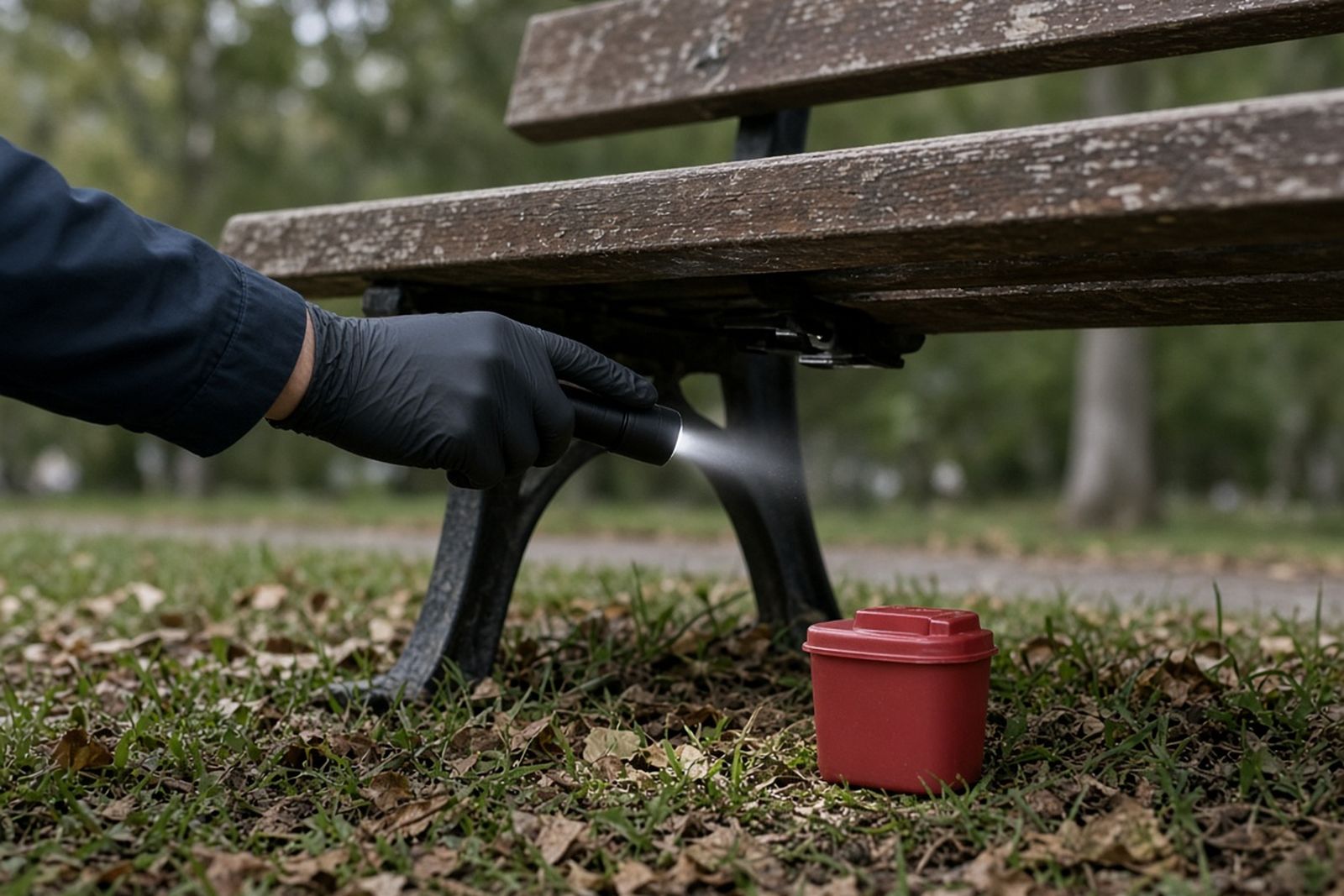
Needle & Sharps Disposal services
See how field pickup, container swaps, camp sweeps, and regulated transport fit together when used needles turn up on a property.
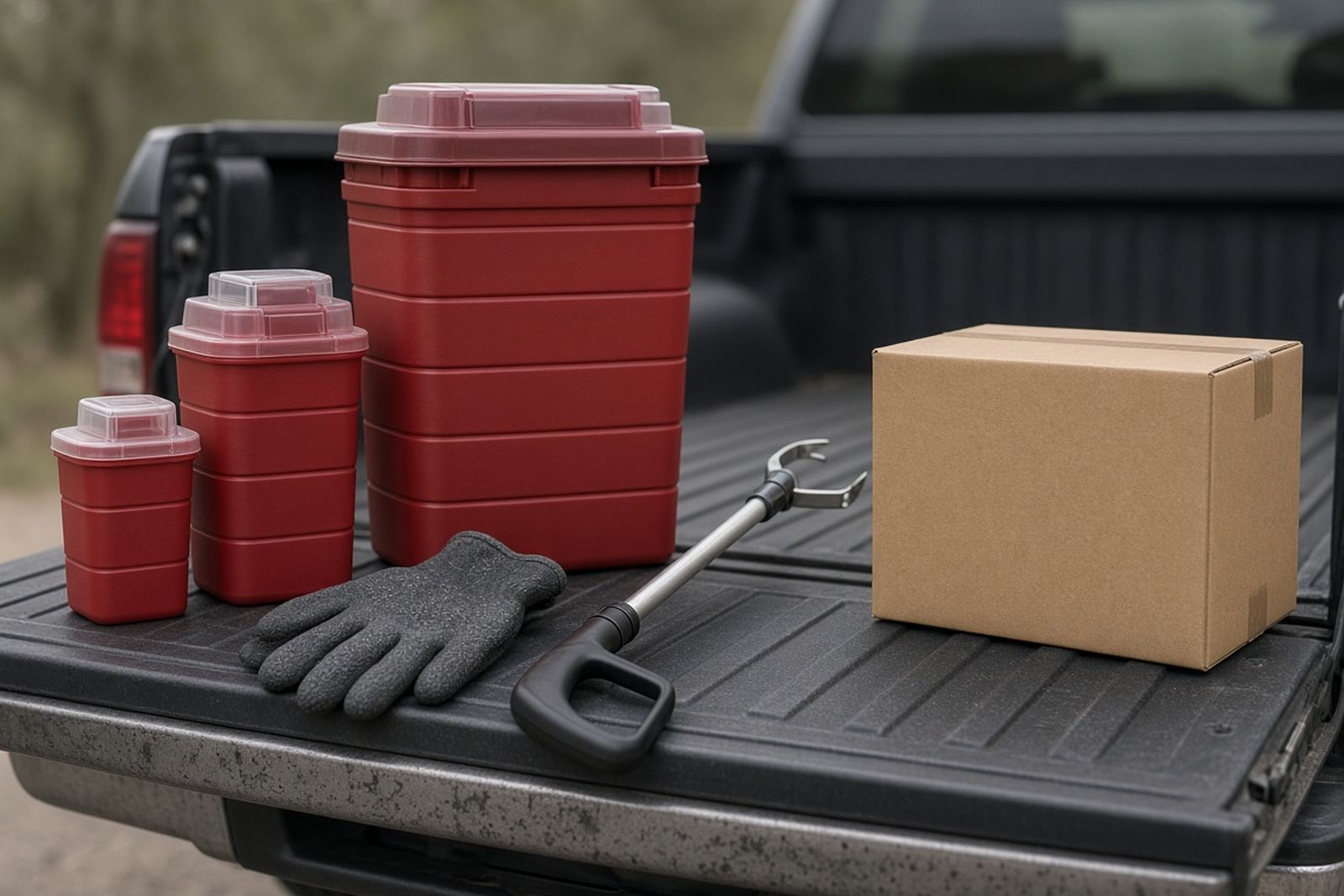
Costs explained
What drives the price, published cost ranges, and how to read a written quote line by line.
Insurance and payment
Which policies may respond, how to document a claim, and what to do if coverage is denied.
Community polls
Compare your gut sense with other renters, landlords, and parents on how to report, pay for, and check sharps cleanup in shared spaces.

Knowledge quiz
Test whether you can spot hidden sharps, know who is responsible, and pick a disposal route your local office would accept.
Articles and resources
Read longer pieces on rental turnovers, camp cleanups, home sharps programs, parking lot hazards, and what to expect after a needle stick.