Odor Removal: Health & Wellness
Looking after yourself and your family while you deal with odor removal, with trusted places to find support.
The health and wellness category looks at how odors that will not go away affect daily life and well-being. Posts discuss the stress of living with a smell you cannot escape. They cover the shame some people feel about pet or smoke odors, and how odors tied to a loved one's death can bring up grief. Other articles cover practical ways to limit disruption during odor work. They explain how to talk with a doctor if a smell seems to cause headaches or breathing problems. And they cover where to find emotional support when the odor is tied to a painful event.
Get an email reply about odor removal
Send a short message to the follow-up inbox. A coordinator can reply by email. This form does not send emergency help; call 911 first if anyone is in danger.
Smell is closely tied to memory and emotion. So an odor that lingers can keep a hard experience fresh. The smell may follow the death of someone close to you, including a death by suicide. If so, grief support and counseling can help. The Suicide and Crisis Lifeline is open by call or text at 988 if you or someone you know is struggling. These posts aim to help you care for yourself while the home is being restored. Taking breaks, sleeping somewhere else for a few nights, or asking a friend to handle calls with the company are all fair ways to protect your energy during this time.
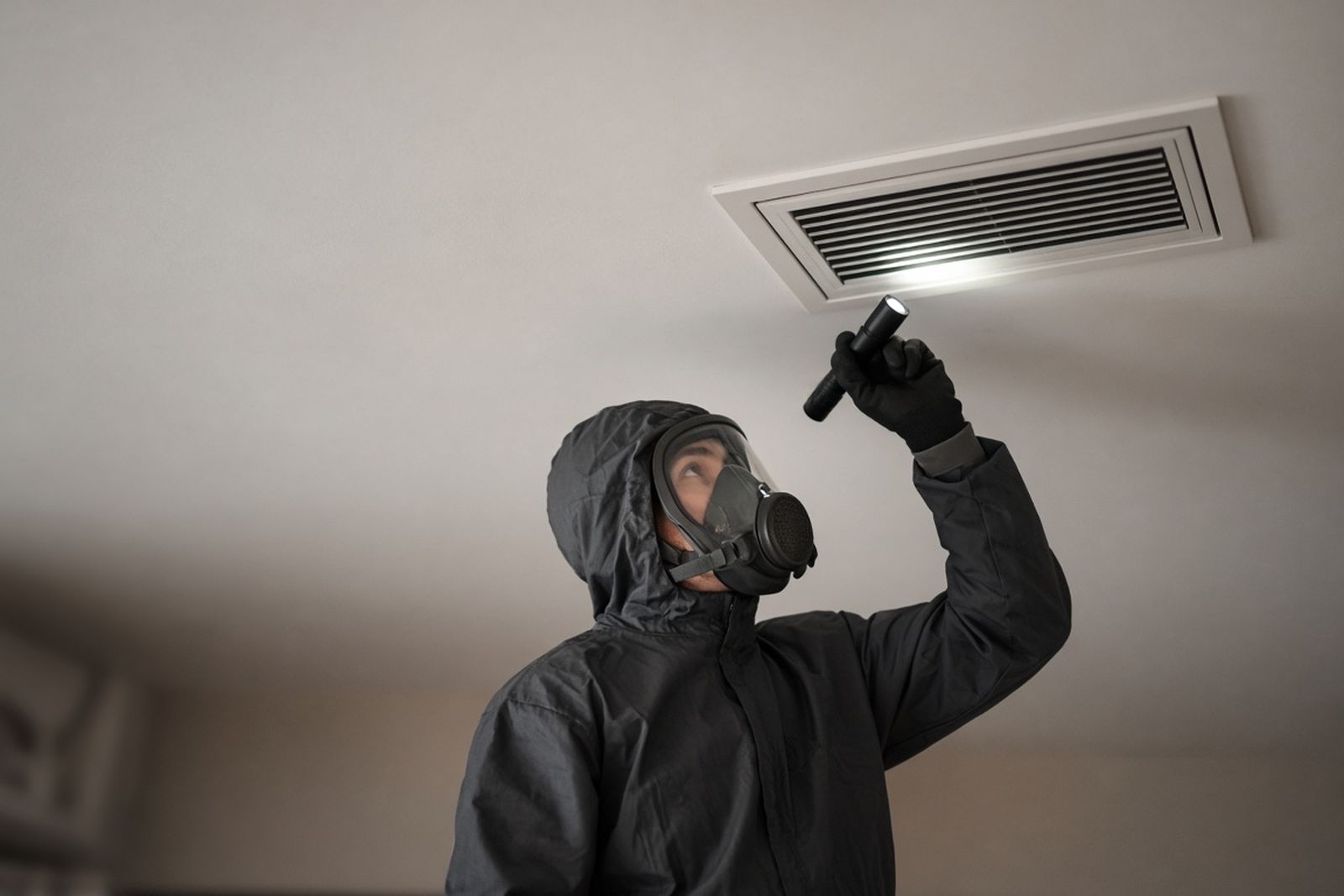
Managing Stress and Disruption During Odor Removal
A smell that will not leave can wear on your sleep, your pride in your home, and your relationships. Here is how to ease the stress of odor removal.
Living with a stubborn smell, and then with the work to remove it, can cause real stress. You may feel embarrassed about guests, worry about your health or your home's value, sleep badly, or clash with a landlord, neighbor, or family member. It helps to understand the plan, line up a place to stay during treatment, set a clear timeline, and keep records. Ask for support when the odor is tied to a loss.

Mental Health Resources During Odor Removal
A smell tied to a death, a hoarded home, or a lost pet can weigh on you long after cleanup. Here are places to find support and ways to cope during odor removal.
An odor problem can hurt your sleep, mood, and stress level. It is harder when the smell is tied to a death, a loved one's illness, a hoarded home, or a long fight with a landlord. You can protect yourself by stepping away during the work and leaning on people you trust. You can also get help from your doctor, a counselor, a work assistance program, or the 988 Suicide and Crisis Lifeline.
Facts worth knowing
In a study of 48 homes, nicotine in house dust fell about 60% right after cleaning.
Why it matters: You may see a quick improvement after cleaning, but ask how long it lasts, because the same study saw dust levels rebound.
In one casino tracked for 15 months, built-up tobacco smoke residue lasted for months after smoking stopped.
Why it matters: Waiting and airing out a heavily smoked-in space may not be enough; you may need cleaning or removal of affected materials.
OSHA says people can smell hydrogen sulfide, a sewer gas, at 0.01 to 1.5 ppm but lose the ability to smell it at 100 to 150 ppm.
Why it matters: If a strong sewer smell suddenly fades in a closed space, do not assume you are safe; leave and get fresh air.
Health & Wellness: common questions
Can a persistent odor affect my health?
Many odors are unpleasant but not harmful. But some come with irritants, mold, or sewer gases that can cause headaches, nausea, or breathing problems. Living with a smell that never goes away can also add stress and disturb your sleep. If you notice symptoms, talk with a doctor. Mention the odor and where it may be coming from.
How can I cope when an odor reminds me of a loved one's death?
That reaction is common, and it is okay to step away while professionals handle the work. A friend or family member can meet the company for you. Grief counselors, support groups, and hospice bereavement programs can help. If you are struggling, you can call or text the Suicide and Crisis Lifeline at 988.
How can I reduce disruption at home during odor removal?
Ask the company for a schedule that shows which rooms will be off limits and when. This matters most if ozone requires the home to be empty. Plan where pets and family members will stay. Pack what you need ahead of time. Ask the company to call you when it is safe to come back home.
Can a persistent odor affect children differently from adults?
For their size, children breathe faster than adults. They also spend more time near floors, where residue and dust collect. So they may be more affected by irritants and cleaning products. A strong smell may also upset them even if they cannot explain why. Keep children away from treated areas until those areas are cleared. Talk with a pediatrician if you notice symptoms.
Should I see a doctor if I have symptoms that seem tied to a smell at home?
Yes, especially if symptoms get better when you leave home and come back when you return. Those symptoms include headaches, coughing, nausea, or trouble breathing. Tell the doctor about the smell, where it seems to come from, and any products used to treat it. If symptoms are severe or sudden, leave the building and get care right away.
How can I make my home feel comfortable again after odor work?
Air out the rooms on a pleasant day, wash textiles that stayed in the house, and return belongings gradually. Some people rearrange furniture or add new items to make a space feel fresh. Keep routines simple while you settle back in. If the odor was tied to a painful event, it is normal for the space to feel different for a while.
Is it normal to feel anxious about smells after an odor problem is fixed?
Yes. After living with a smell that would not go away, many people notice every odor and worry the problem is back. That usually eases as time passes and the smell does not return. Agreeing on a set follow-up check with the company can help you stop checking all the time. If the worry keeps getting in the way of daily life, a counselor can help.
Related community polls
Vote to see how other people answered. You can change your answer at any time.
When a persistent smell first appeared in your home, what did you try first?
How long did you live with a recurring odor before seeking outside help?
More on odor removal
Odor Removal services
See how professionals trace death, pet, smoke, sewage, and musty odors to their source and remove it before any air treatment begins.

Costs explained
What drives the price, published cost ranges, and how to read a written quote line by line.
Insurance and payment
Which policies may respond, how to document a claim, and what to do if coverage is denied.
Planning tools
Estimate the job, check a company, organize a claim, plan your first day, sort removed material, and decide if this odor job is safe to do yourself.
Community polls
See how other homeowners, renters, and landlords handled stubborn smells, what they tried first, and how they knew when an odor was really gone.
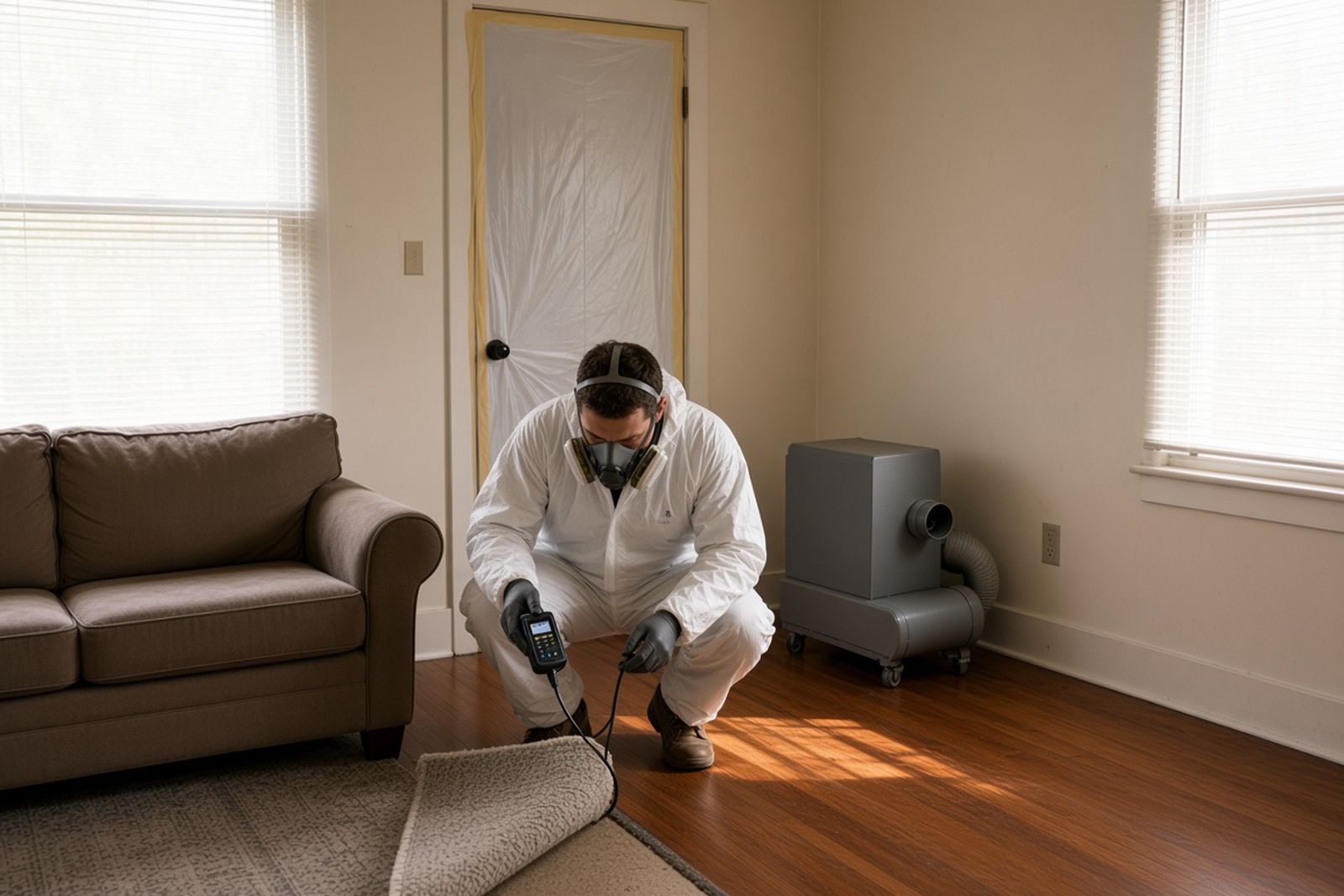
Knowledge quiz
Test what you know about where odors hide, safe use of air machines, how ducts spread smells, and why covering a smell is not the same as removing it.