Free odor removal tool
Odor Removal Company Vetting Checklist
Fifteen questions to ask any cleanup company, a score that shows how ready you are to hire, and a list of what is still unanswered.
The odor business draws everyone from careful restoration firms to people with a rented ozone machine and a website. Both will tell you the smell can be fixed. The difference shows up in the questions they can answer. This checklist gives you fifteen questions. They show whether a company starts by looking for the source or by bringing out machines. They show how the company handles safety in a home where people live, what they do with removed material, and how they will prove the result. You check off each item as the company confirms it. The tool then gives a readiness score and a list of open questions you can copy and send in one message. Nothing on the list needs technical know-how from you. It only needs the company to explain their work.
Pay close attention to the items about finding the source, air treatment safety, and when to call in other experts. A company you can trust will describe how they find the material holding the smell before they quote. They will say plainly when the building must be empty and how they will confirm it is safe to go back in. They will tell you when a smell points to biohazard, mold, or chemical residue that needs a different expert. And they will put those answers in writing without being pushed. Ask about their warranty and what happens if the smell returns after a humid stretch. The network does not certify companies and cannot check any company's claims for you. This list is how you check them yourself. A company who resents the questions has already answered one of them.
How to use it
- 1Read through the fifteen questions before your first call so you know what each answer should look like.
- 2During the call or walk-through, check off each question the company answered clearly, and in writing where it makes sense.
- 3Review the readiness score. Treat a low score as a sign to keep asking, not a final verdict on the company.
- 4Copy the open questions and send them to the company. Or bring them to a second company to compare.
Prefer to ask a person?
Your request is sent to the follow-up inbox. A coordinator can reply by email. Not for emergencies; call 911 first if anyone is in danger.
Check a company before you sign
Odor Removal provider vetting checklist
Start with the questions specific to this kind of job. Tick each one once the provider has answered it in writing or shown you the document. Your progress stays on this device only.
Readiness: 0 of 21 confirmed (0%)
21 questions still need a written answer. Copy the list and send it to the provider before you sign anything.
A worked example
Picture a homeowner who just bought a house. Once the last owner's furniture was gone, she found an animal smell in the family room that would not go away. Two companies come out. The first walks the room, runs a hand along the carpet, and says the room needs ozone and a carpet shampoo. The homeowner goes through the checklist and can check only a few items. The company is insured and has a written price. But it never said how it would find the source or offered a plan for the subfloor. It gave no steps for going back in safely after the ozone. And it could not say where the removed carpet would go. The score is low and the list of open questions is long. The second company uses a UV lamp and a moisture meter. They find the stains run under the baseboard into the hall next door. They explain that the pad and part of the subfloor will likely need to come out before any air treatment. They say the house must be empty during treatment and explain how they will confirm the air is clear. They also name where the waste will go. The homeowner checks off most items. The last open questions, about the warranty and whether the air handler will be checked, go out by email. She gets written answers the next day.
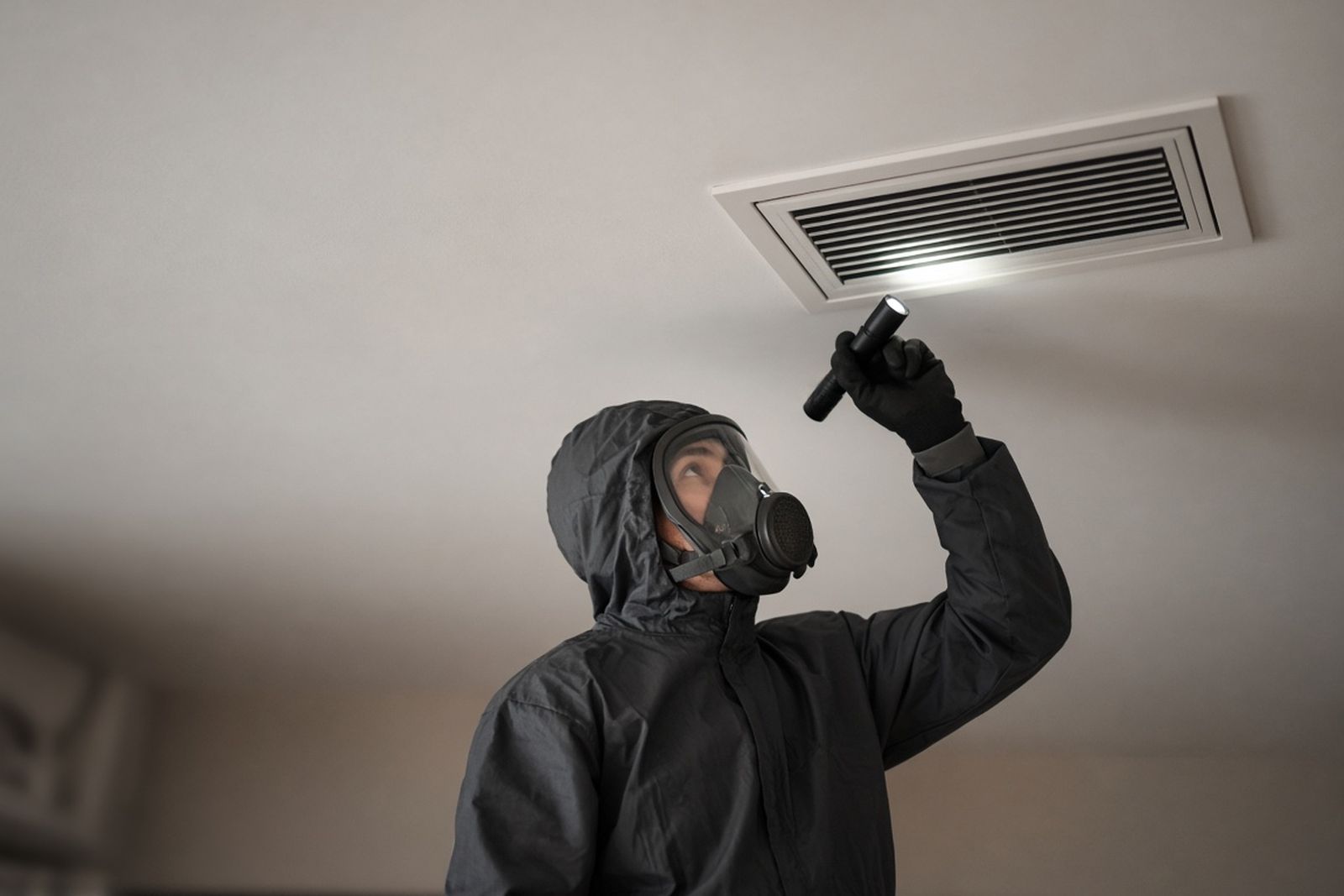
Facts worth knowing
The EPA says you can usually clean mold patches under about 10 square feet yourself, and should keep indoor humidity below 60 percent.
Why it matters: If your musty smell comes from a larger mold area, consider professional help rather than cleaning it yourself.
The CDC says sanitizing lowers germs to levels considered safe, disinfecting kills remaining germs, and cleaning always comes first.
Why it matters: When you compare quotes, check which of these steps each company actually includes.
The CDC says cleaning alone removes most harmful germs from surfaces, and disinfecting kills the germs left after cleaning.
Why it matters: Disinfectant sprayed over a dirty surface may not be enough, so ask whether your surfaces will be cleaned first.
Company Vetting Checklist questions for odor removal
What if the company answers every question perfectly?
Then ask for it in writing. A spoken walk-through that hits every point is a good sign. But the work plan, the steps for going back in, the disposal route, and how the result will be checked belong in the written plan. The checklist score shows what has been confirmed. For anything that affects safety or cost, confirmed means a document you can keep. Spoken promises fade. A written work plan is what you compare against the finished job.
Is a low score a reason to walk away?
Not by itself. A low score often means the conversation was short or the company has not yet inspected the space. Send the open questions and see what comes back. A company that answers thoroughly and promptly has just raised its score. One that repeats a sales pitch, changes the subject, or pressures you to book before answering has told you what you needed to know.
Why does the checklist ask about escalation to other specialists?
Because some smells are not odor jobs. A death odor means biohazard cleanup. A musty odor after a leak may mean mold work. Some chemical smells call for residue testing. A company who spots those cases and sends you to the right expert is protecting you. One who treats every smell as a chance to sell air treatment may run machines over a hazard. Then they may tell you the space is clear when it is not.
Should I ask about certifications?
Yes, and then check them. Training in odor control, water damage, and biohazard work is offered through known industry groups. A company should be able to name the credential and the person who holds it. Check with the group that issued it instead of trusting a logo. The network makes no claims about the credentials of any company listed and cannot confirm them for you.
Can I use this checklist for a rental turnover vendor?
Yes. Property managers use it to pick vendors the same way every time. This helps most with smoke residue and pet odor turnovers, where the cheapest bid often just repaints. The questions about residue cleaning, new filters, and checking the result help you tell a real odor job from a cosmetic touch-up. The written list of open questions also gives you a record for the file if a past tenant disputes a charge.
How should I use the checklist if the odor followed a death in the home?
Use it after the biohazard cleanup question is settled. First confirm who will remove materials that body fluids reached. Find out whether the odor company does that work or works with a cleanup company. Then go through the checklist for the odor phase. Pay close attention to finding the source, the steps for going back in, and the final records. If answering questions feels like too much right now, a trusted friend or relative can go through it with the company for you.
What if two companies score about the same on the checklist?
Look at the answers behind the score, not just the number. Compare how clearly each one described finding the source, what it plans to remove versus treat, and how it will check the result. Then think about practical things, such as who will really do the work, scheduling, and how comfortable you felt asking questions. Sending both companies the same open questions in writing often shows a difference.
Related community polls
Vote to see how other people answered. You can change your answer at any time.
When a persistent smell first appeared in your home, what did you try first?
How long did you live with a recurring odor before seeking outside help?
Other odor removal tools
Cost Range Estimator
Set the affected area, surface types, severity and extras to see a rough cost range and what pushes it up or down.
OpenInsurance Claim Organizer
A guided checklist from finding the policy to tracking the insurer’s decision, with a printable summary of where the claim stands.
OpenFirst 24 Hours Planner
Tell the planner a few facts about the situation and get an ordered list of who to call, what not to touch, and what to photograph.
OpenWaste & Disposal Classifier
Five questions about the material point to the likely waste category and which authority to confirm the rules with.
OpenDIY or Call a Pro? Risk Check
Eight yes-or-no questions that produce a risk level and explain when professional help is the safer choice.
OpenMore on odor removal
Odor Removal services
See how professionals trace death, pet, smoke, sewage, and musty odors to their source and remove it before any air treatment begins.
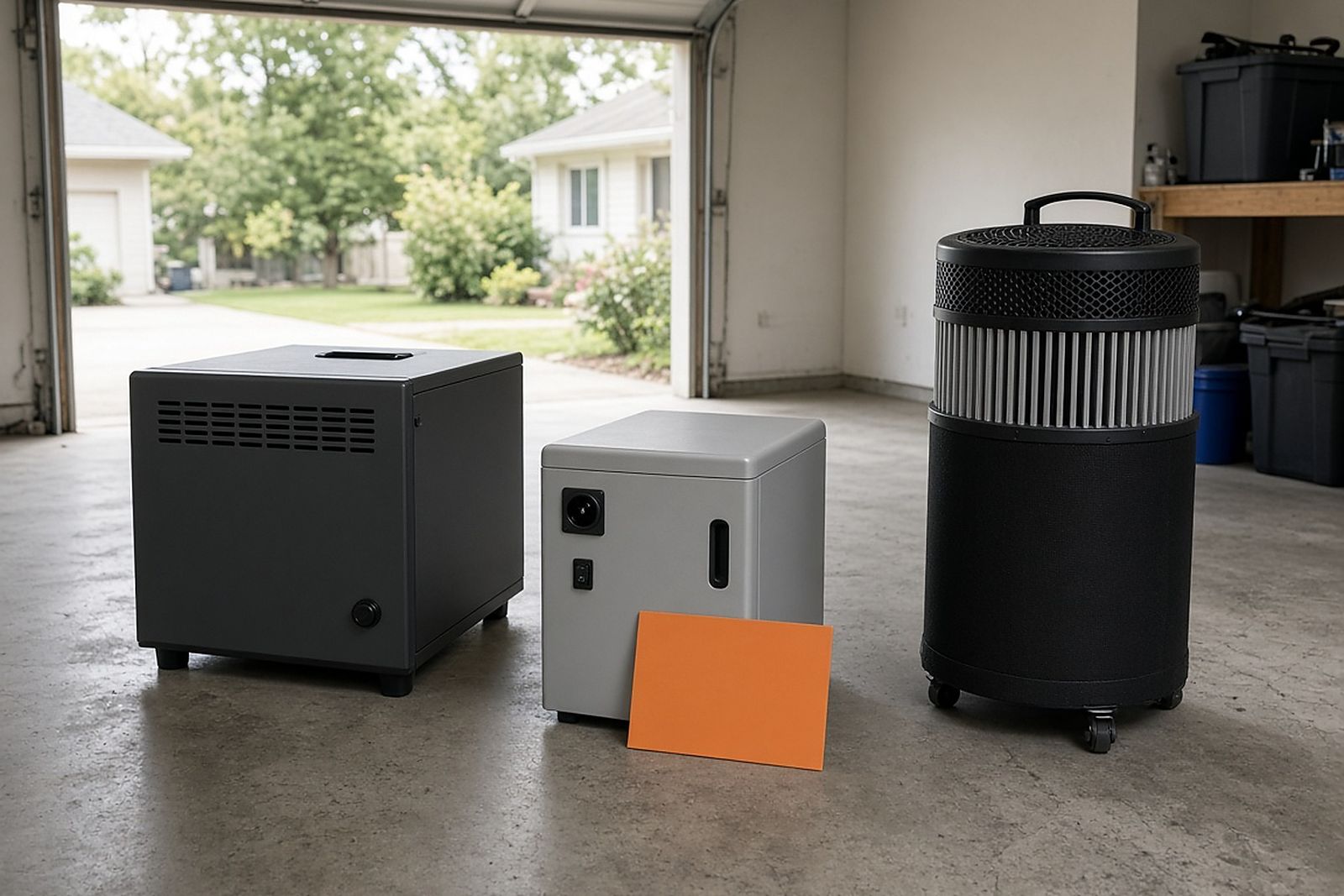
Costs explained
What drives the price, published cost ranges, and how to read a written quote line by line.
Insurance and payment
Which policies may respond, how to document a claim, and what to do if coverage is denied.
Community polls
See how other homeowners, renters, and landlords handled stubborn smells, what they tried first, and how they knew when an odor was really gone.
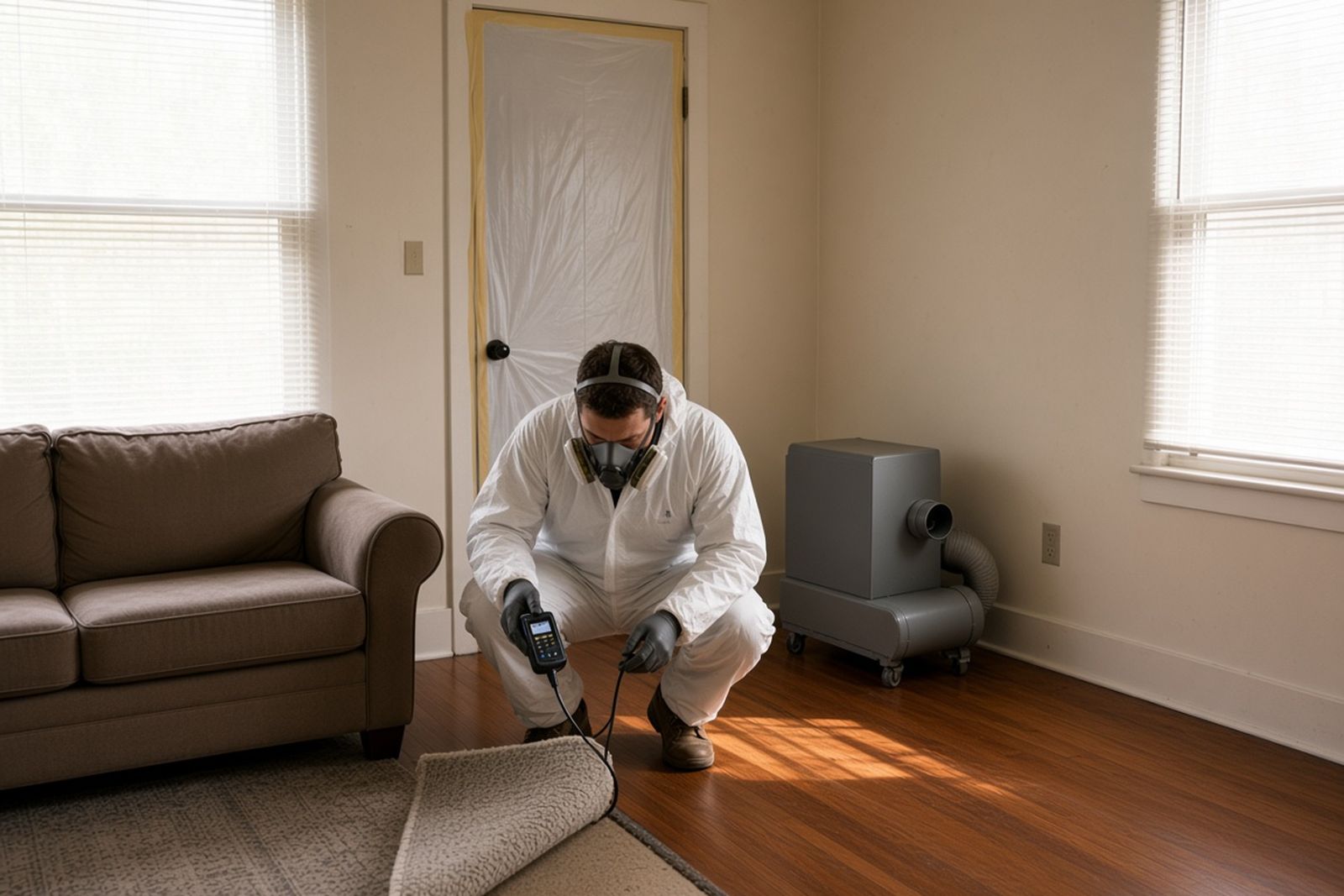
Knowledge quiz
Test what you know about where odors hide, safe use of air machines, how ducts spread smells, and why covering a smell is not the same as removing it.
Articles and resources
Read useful articles on humidity and returning odors, rental turnovers after smoking, skunk and sewage cleanup, and when a smell is a health warning.