Odor Removal planning tools
Work through cost, hiring, insurance, first steps and disposal at your own pace.
A smell that will not go away brings a special kind of doubt. You can see water damage and fire damage. But an odor is invisible. It comes and goes with the weather, and each person in the home notices it at a different level. The tools on this page give that doubt some structure. They help you estimate what removing an odor source might involve and prepare questions for a company. They help you organize a claim if the smell followed a covered event, and plan your first day. They help you figure out where removed material can go. And they help you decide honestly whether this is a job for you or for someone with the right gear and training.
Get an email reply about odor removal
Send a short message to the follow-up inbox. A coordinator can reply by email. This form does not send emergency help; call 911 first if anyone is in danger.
Choose a tool
Each tool is free and private: nothing you type is saved or sent anywhere. Use the results to get ready for a visit from a cleanup company or a call with your insurer.

Cost Range Estimator
Set the affected area, surface types, severity and extras to see a rough cost range and what pushes it up or down.
Open tool
Company Vetting Checklist
Fifteen questions to ask any cleanup company, a score that shows how ready you are to hire, and a list of what is still unanswered.
Open tool
Insurance Claim Organizer
A guided checklist from finding the policy to tracking the insurer’s decision, with a printable summary of where the claim stands.
Open tool
First 24 Hours Planner
Tell the planner a few facts about the situation and get an ordered list of who to call, what not to touch, and what to photograph.
Open tool
Waste & Disposal Classifier
Five questions about the material point to the likely waste category and which authority to confirm the rules with.
Open tool
DIY or Call a Pro? Risk Check
Eight yes-or-no questions that produce a risk level and explain when professional help is the safer choice.
Open toolKnowledge quiz
A short quiz with an explanation for every answer, so you can check what you know before you make decisions.
Take the quizHow these tools fit odor removal
Each tool is a guided worksheet, not a diagnosis. The cost estimator asks about area, surface types, and how bad it is. Those factors, more than any brand of machine, decide whether the work is a cleaning job or a removal job. The vetting checklist turns the questions professionals wish clients would ask into a list you can copy and send. The first-day planner adjusts to your case. A lived-in rental with a smoking tenant needs different first steps than an empty house with a death odor. The waste guide helps you avoid putting soiled material in the wrong bin. The DIY check asks the blunt questions about health and hidden sources that a product label will not.
The limits are real. None of these tools can smell your house, measure moisture in your walls, or read your insurance policy. The results are ranges and prompts for learning, not quotes or coverage decisions. Local rules on waste, mold, and landlord duties vary by state and county, so check with the local office. The network does not do cleanup work and does not certify companies. It helps you reach companies and gives you the words to check them yourself. Use the tools to go into that talk prepared. Then let the company who inspects the space make the calls that depend on what is behind the drywall.

Facts worth knowing
The EPA says you can usually clean mold patches under about 10 square feet yourself, and should keep indoor humidity below 60 percent.
Why it matters: If your musty smell comes from a larger mold area, consider professional help rather than cleaning it yourself.
Fixr's 2025 estimate prices ozone treatment for smoke damage at $300 to $600 per floor and thermal fogging at $200 to $550 per floor.
Why it matters: Ask whether your quote is per floor and whether furniture and belongings are included.
A 2011 San Diego area study found smoke residue stayed in former smokers' homes even after two months empty plus cleaning for new residents.
Why it matters: If you are buying or renting a former smoker's home, normal turnover cleaning may not remove the residue.
What other people chose
Vote to see how other people answered. You can change your answer at any time.
When a persistent smell first appeared in your home, what did you try first?
How long did you live with a recurring odor before seeking outside help?
Questions about the odor removal tools
Which tool should I start with?
If the smell is new and you are not sure of the cause, begin with the first 24 hours planner. It helps you decide whether the odor is a health concern and what to protect first. If you already know the source and want a sense of how big the job is, go next to the cost estimator and the DIY risk check. Save the vetting checklist for when you are ready to contact companies.
Do the tools store my answers?
Answers stay in your browser session so you can print or copy the result. Nothing is transmitted to the network or to any company unless you choose to copy the output into a message yourself. If you close the page, the entries may clear. Print or save a summary before you leave if you want to keep it for a claim file or a conversation with a landlord.
Can the cost estimator tell me what my job will cost?
No. It shows a range for learning, based on the factors you pick. It explains which of those factors push the range up. A real price depends on what an inspection finds behind the surfaces you can see. It also depends on local labor and disposal rates, and on whether biohazard or mold work is needed. Use the result to judge whether a written quote seems fair and to ask why it differs.
Are these tools useful for a smell in a car or RV?
Partly. The ideas of removing the source and treating the air safely still apply. But cars have different materials, different insurance, and different waste questions. The network's vehicle site has tools made for car interiors, seat foam, and cabin air systems. If a car odor followed an injury, illness, or death, use that site's resources instead of these.
What if my results say to call a professional but I cannot afford one?
Use the results to decide what comes first. The DIY check and the planner will show which steps carry health risk and which are just labor. You may be able to do safe prep work while you save up for removing the source. That could mean taking out soft items that can be washed and airing out the space. Some losses after a covered event may be claimable. The claim organizer walks through that question without promising an outcome.
Why does the waste classifier ask whether blood or body fluids were involved?
Because that fact changes the waste type. Material soaked with urine, smoke residue, or sewage usually follows a different path than material soiled with blood or fluids from a death. That second kind may be regulated medical waste. Answering correctly keeps you from breaking disposal rules. It also tells you which office to check with, since rules vary by state and county.
Can a company use these tools with me?
Yes, and some readers bring the printed results to a walk-through. The vetting checklist works well as a shared agenda. The company can confirm each item and you can note what is still open. A company that welcomes the questions is showing you something about how it communicates. One that brushes them off is showing you something too.
More on odor removal
Odor Removal services
See how professionals trace death, pet, smoke, sewage, and musty odors to their source and remove it before any air treatment begins.
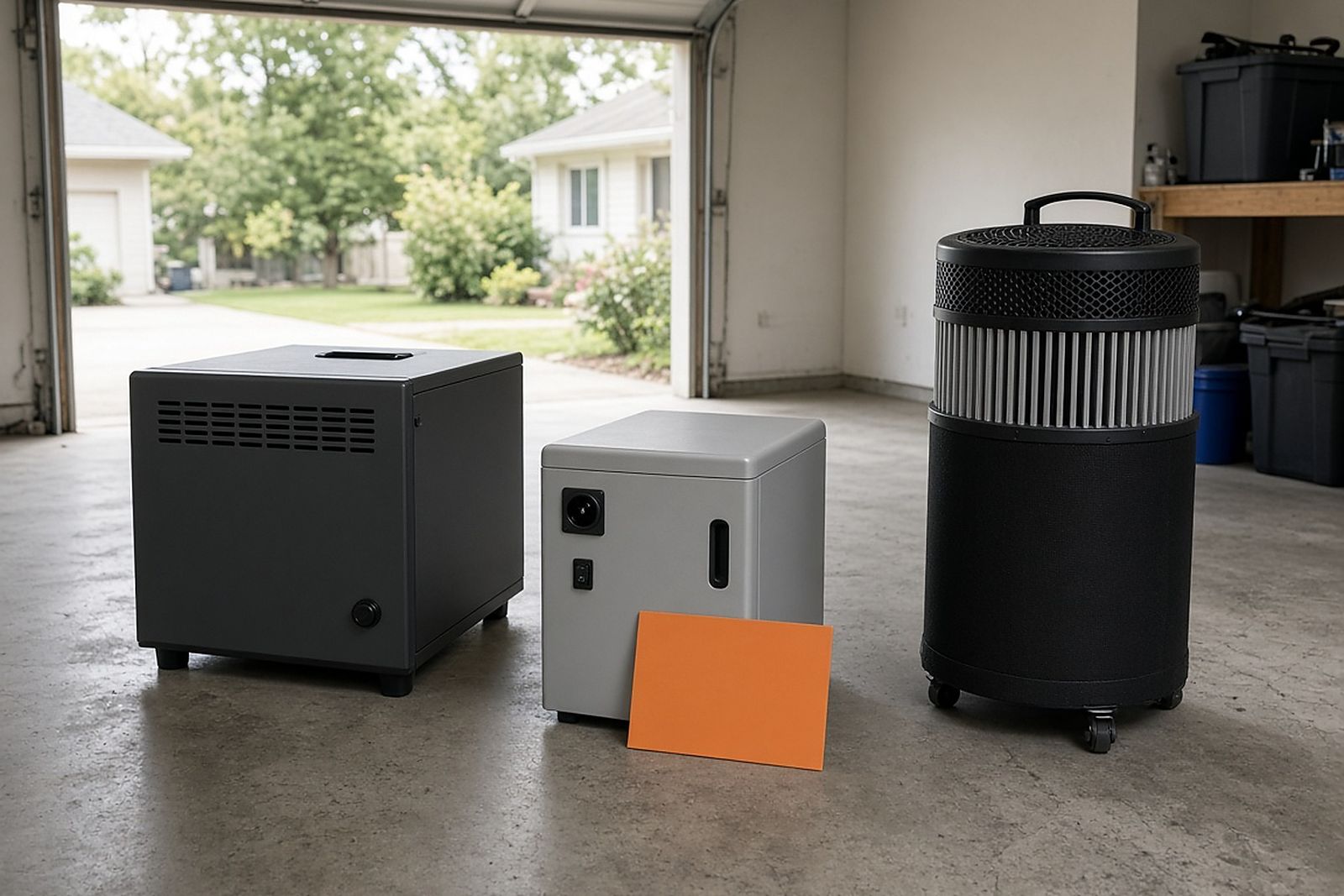
Costs explained
What drives the price, published cost ranges, and how to read a written quote line by line.
Insurance and payment
Which policies may respond, how to document a claim, and what to do if coverage is denied.
Community polls
See how other homeowners, renters, and landlords handled stubborn smells, what they tried first, and how they knew when an odor was really gone.
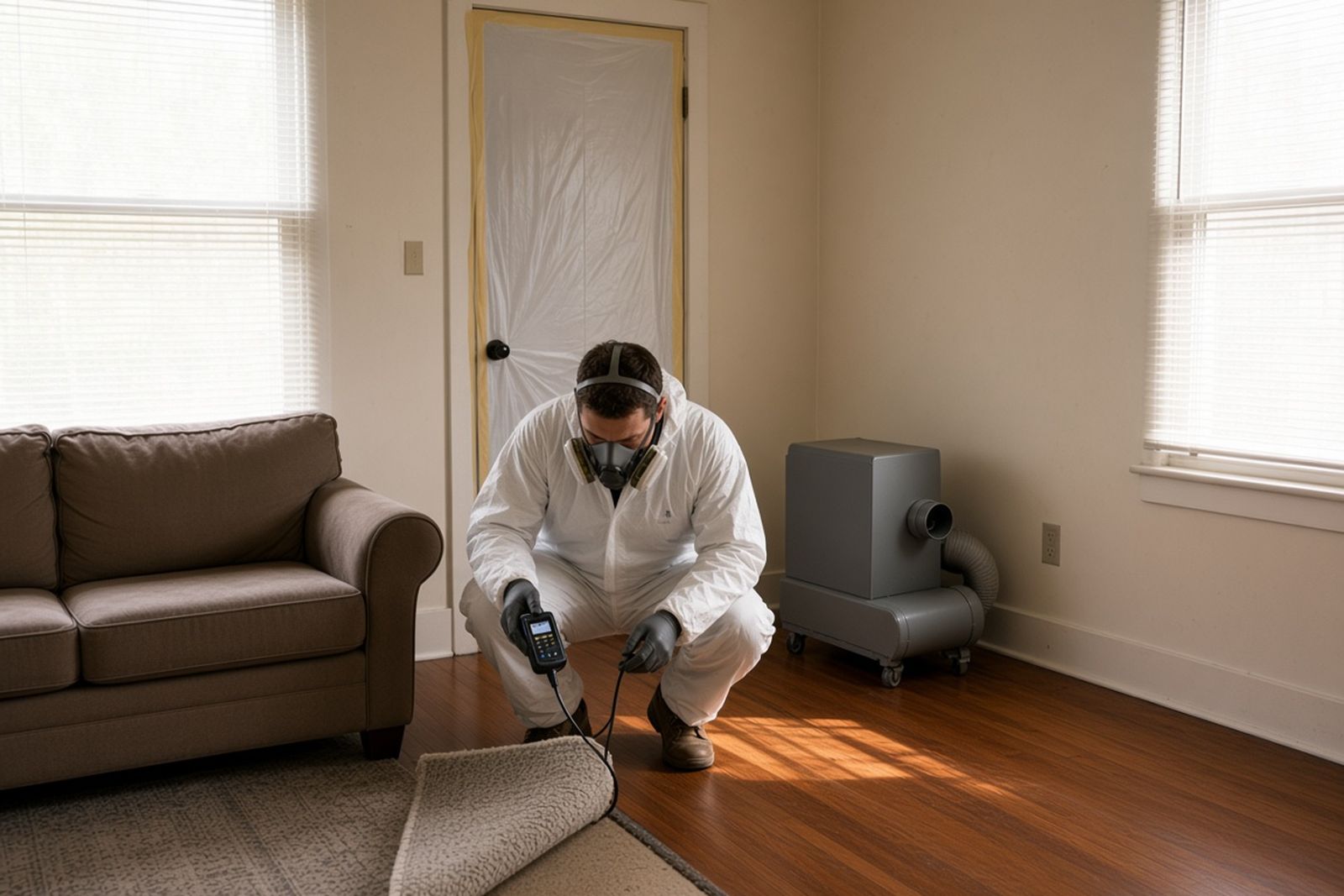
Knowledge quiz
Test what you know about where odors hide, safe use of air machines, how ducts spread smells, and why covering a smell is not the same as removing it.
Articles and resources
Read useful articles on humidity and returning odors, rental turnovers after smoking, skunk and sewage cleanup, and when a smell is a health warning.