Free odor removal tool
Odor Removal First 24 Hours Planner
Tell the planner a few facts about the situation and get an ordered list of who to call, what not to touch, and what to photograph.
The first day with a bad smell is when people make choices they later regret. They spray fragrance over a sewage backup. They run a borrowed ozone machine with the family still home. Or they tear up carpet before anyone took photos. This planner asks a few questions about your case and gives you a list of steps in order for the next day. It asks whether the authorities have released the scene and whether people or pets are still in the space. It asks whether the odor is making anyone sick, whether needles or drug items might be there, and whether it is a rental. Each of those facts changes what comes first and who needs to be called.
The result is careful on purpose. If the odor might be a health warning, the planner puts airing out and leaving the space ahead of any cleanup. If a death or injury is involved, it points you to the biohazard resources in this network before any odor step. Deodorizing a scene that has not been cleaned up is unsafe. For the more routine cases this site focuses on, it tells you what to photograph. It tells you which items to move out and which to leave alone. It shows how to keep the forced-air system from spreading the problem. It also tells you what to say when you call a landlord, an association, or a company. Nothing here replaces emergency services or a professional inspection.
How to use it
- 1Answer each question truthfully, even ones that seem unrelated. They decide which steps show up.
- 2Read the list from the top. Finish the safety items before anything to do with cleanup or records.
- 3Take the photos the planner lists before you move or remove anything. Keep them together in one folder.
- 4Use the call list to tell the right people in order. Print or save the plan so others in the home can follow it.
Prefer to ask a person?
Your request is sent to the follow-up inbox. A coordinator can reply by email. Not for emergencies; call 911 first if anyone is in danger.
Plan the first 24 hours
Odor Removal: first 24 hours planner
Answer a few questions and the planner orders the next steps. It does not dispatch help and cannot replace emergency services.
Your ordered plan (6 steps)
- 1
Keep people and pets out of the affected area
Close the door and keep the area sealed until a qualified provider assesses it.
- 2
Photograph from the doorway before anything moves
Take wide shots first, then closer shots of stains, damage and belongings. Do not step into the area to do it. These photos support insurance and estate records.
- 3
Report the loss to your insurer and get a claim number
Ask the adjuster whether they need to inspect before materials are removed, and whether they have a list of approved remediation providers. Coverage depends on the policy and the cause of loss.
- 4
Call a qualified remediation provider for an assessment
Describe what happened, the rooms involved, and any odor, fluids or sharps. Ask which OSHA standards apply to odor removal and for proof of training and insurance before work starts.
- 5
Start a written log
Record who you spoke to, when, and what they said. Keep receipts for lodging, boarding, locks and any emergency purchases.
- 6
Look after the people involved
If a death or violent event is involved, victim assistance programs, hospice bereavement teams and the 988 Suicide & Crisis Lifeline can help. You do not need to manage this alone.
A worked example
Picture a tenant who comes home from a week away. She finds a strong, sour smell in the apartment and a wet patch on the bathroom floor that points to a sewage backup. In the planner, she answers that no authorities are involved. She and a cat are there. The smell is giving her a headache. She does not suspect any needles, and the unit is a rental. Her plan starts with getting herself and the cat out of the apartment and into fresh air. Then she should open windows if she can do it without walking through the wet area. It tells her not to run the bathroom fan into the shared duct. She should not touch the wet material without gloves. And she should not use any cleaning chemicals until the source is found. The photo list includes the wet floor, the bottom of the walls, the toilet and drain area, and anything of hers that got wet. The call list puts the landlord or management first, since they control plumbing and cleanup for the building. It ends with three points. Sewage exposure is a health matter. The unit may need professional cleaning before she returns. And local rules on whether a unit is fit to live in vary by state and county, so she should check with the local housing office.
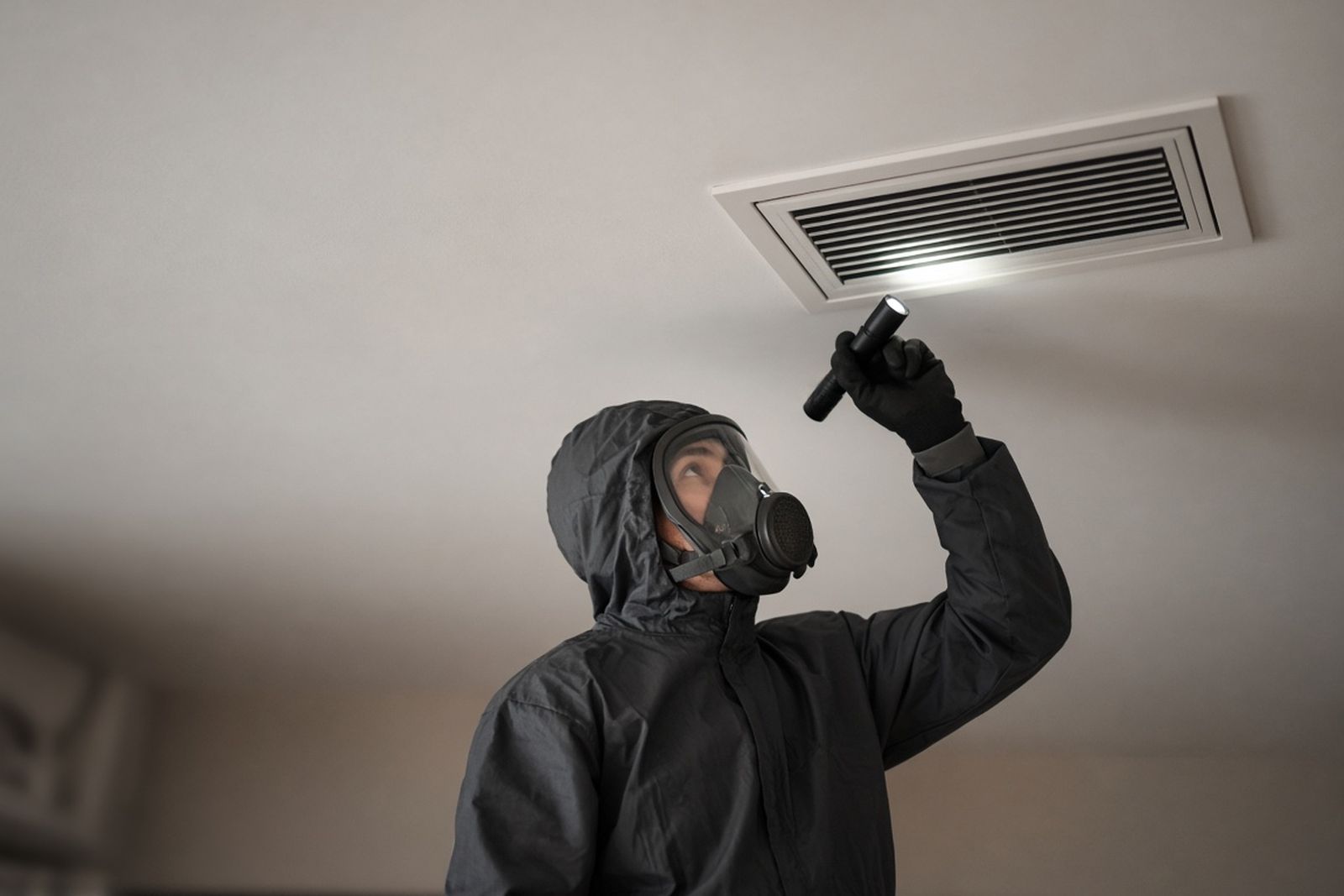
Facts worth knowing
In a study of 48 homes, nicotine in house dust was back to pre-cleaning levels three months after cleaning.
Why it matters: One cleaning may not last; ask the company what would stop residue from building back up in your dust.
In one casino tracked for 15 months, built-up tobacco smoke residue lasted for months after smoking stopped.
Why it matters: Waiting and airing out a heavily smoked-in space may not be enough; you may need cleaning or removal of affected materials.
A 2011 San Diego area study found smoke residue stayed in former smokers' homes even after two months empty plus cleaning for new residents.
Why it matters: If you are buying or renting a former smoker's home, normal turnover cleaning may not remove the residue.
First 24 Hours Planner questions for odor removal
If the smell led to a discovery police are looking into, why must I wait before airing out the space?
When police, a coroner, or a fire investigator are involved, nothing should be moved, opened up, or cleaned until they release the property. A strong odor is often how a death or fire gets noticed. Opening windows, running fans, or spraying deodorizer can disturb what investigators need to see. Once the scene is released, the planner points you to biohazard cleanup resources first. Odor treatment only works after the source is removed.
Should I turn off the heating and cooling system?
In most odor cases, yes, if you can do it safely and the weather allows. A running forced-air system pulls smelly air through the filter and blower and sends it to every room. That turns a one-room problem into a whole-house one. The planner flags this early. Leave it off until a company has checked whether the air handler and ducts are part of the source.
What if I cannot leave the home?
Then cut down your exposure as much as you can. Close off the affected room. Air it out to the outside, not into the rest of the house. Keep children, pets, and anyone with breathing problems in the room farthest from the source. If someone gets dizzy, sick to their stomach, or has trouble breathing, leave no matter what and get medical advice. The planner lists these signs.
Is it safe to use a store-bought deodorizer on day one?
It rarely helps and sometimes harms. Fragrance products add chemicals to the air without removing the source. They can also make it harder for a company to tell what kind of odor it is. Ozone products should never run with people or pets inside. The planner asks you to hold off on any product until the source is known. It also asks you to note what the smell is like before it gets covered up.
What should I tell a company when I call?
Describe the odor in plain words. Say when it started, where it is strongest, what you think caused it, and what you have already done. Mention whether people live in the space, whether pets are there, and whether the property is rented. The planner makes a short call script from your answers. That way you cover those points in order without having to remember them under stress.
What if the smell seems to get better on its own during the first day?
Keep following the plan anyway. Odors often fade when a room is aired out or when it gets cooler. Then they come back once the space is closed up or the weather turns warm or humid. A smell that fades fast can also mean your nose has gotten used to it. Keep your photos and notes. Still set up an inspection if the source is unknown or the odor followed a leak, backup, fire, or death.
Can I start throwing things away on the first day?
Hold off on most items. Photograph everything first. Check with your insurer or landlord if either may be involved, since they may want to see damaged items. Spoiled food, or items that are an immediate health risk, can go after you photograph and list them. Leave anything that may involve body fluids, sewage, or animal remains for trained professionals to handle and dispose of properly.
Related community polls
Vote to see how other people answered. You can change your answer at any time.
When a persistent smell first appeared in your home, what did you try first?
How long did you live with a recurring odor before seeking outside help?
Other odor removal tools
Cost Range Estimator
Set the affected area, surface types, severity and extras to see a rough cost range and what pushes it up or down.
OpenCompany Vetting Checklist
Fifteen questions to ask any cleanup company, a score that shows how ready you are to hire, and a list of what is still unanswered.
OpenInsurance Claim Organizer
A guided checklist from finding the policy to tracking the insurer’s decision, with a printable summary of where the claim stands.
OpenWaste & Disposal Classifier
Five questions about the material point to the likely waste category and which authority to confirm the rules with.
OpenDIY or Call a Pro? Risk Check
Eight yes-or-no questions that produce a risk level and explain when professional help is the safer choice.
OpenMore on odor removal
Odor Removal services
See how professionals trace death, pet, smoke, sewage, and musty odors to their source and remove it before any air treatment begins.
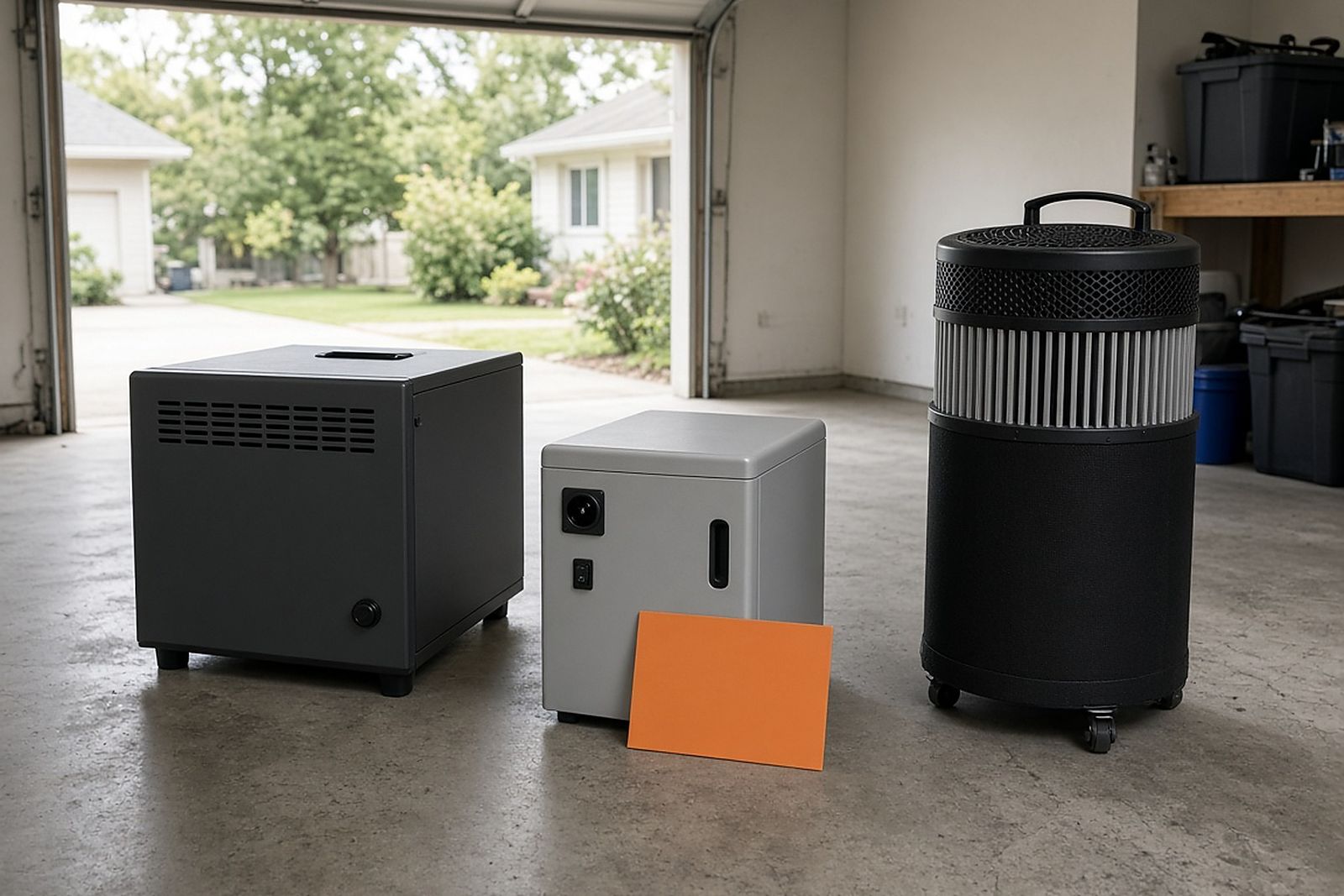
Costs explained
What drives the price, published cost ranges, and how to read a written quote line by line.
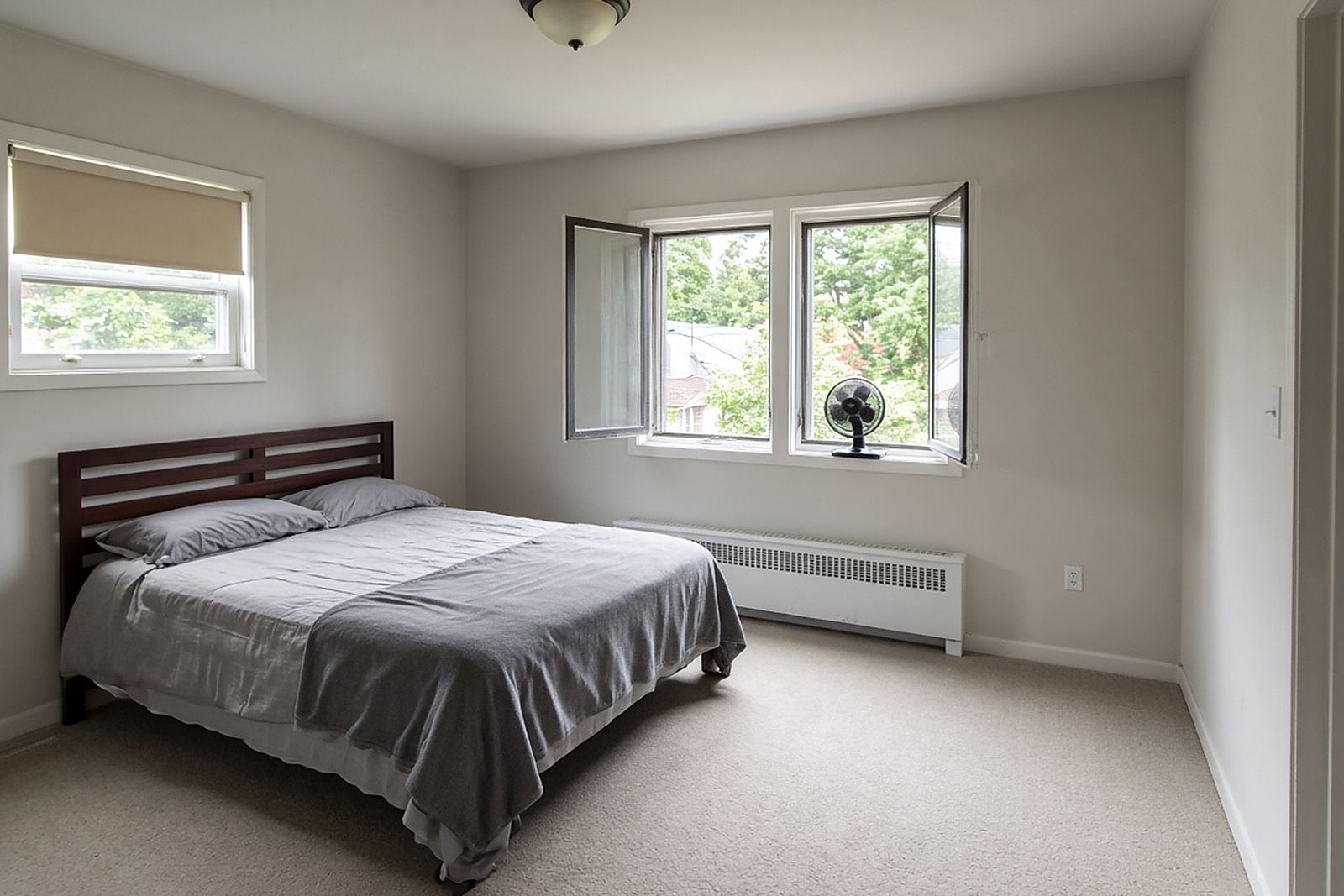
Insurance and payment
Which policies may respond, how to document a claim, and what to do if coverage is denied.
Community polls
See how other homeowners, renters, and landlords handled stubborn smells, what they tried first, and how they knew when an odor was really gone.
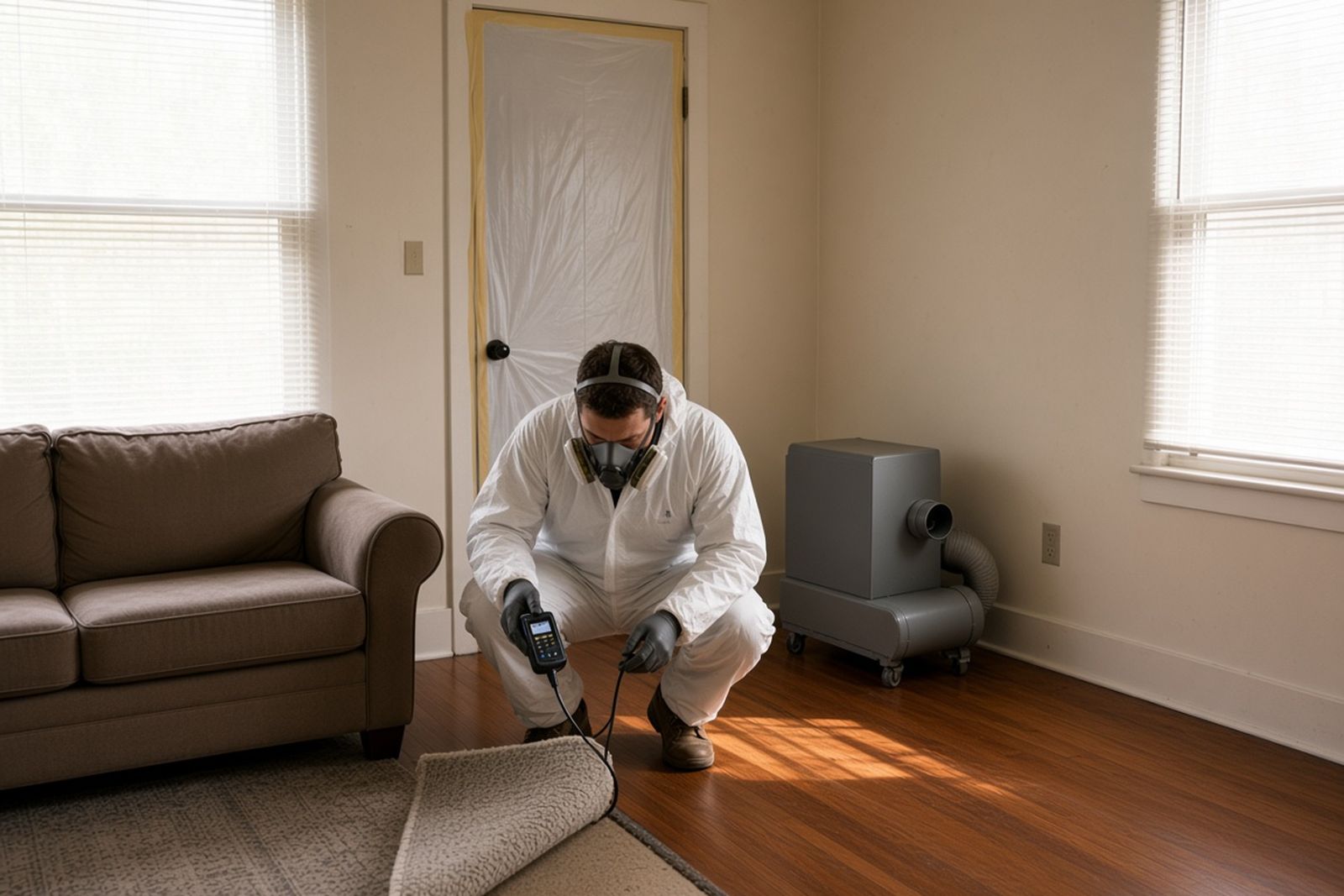
Knowledge quiz
Test what you know about where odors hide, safe use of air machines, how ducts spread smells, and why covering a smell is not the same as removing it.
Articles and resources
Read useful articles on humidity and returning odors, rental turnovers after smoking, skunk and sewage cleanup, and when a smell is a health warning.