Short answer
To compare odor bids, check whether each one removes the source or only treats the air. Look at which materials will be removed, cleaned, or sealed, which treatment is used, and whether your ducts and belongings are included. Ask how the result will be checked and what happens if the smell returns. A low bid that skips the source often leads to a second job, so it can cost you more.
Why do odor removal bids vary so much?
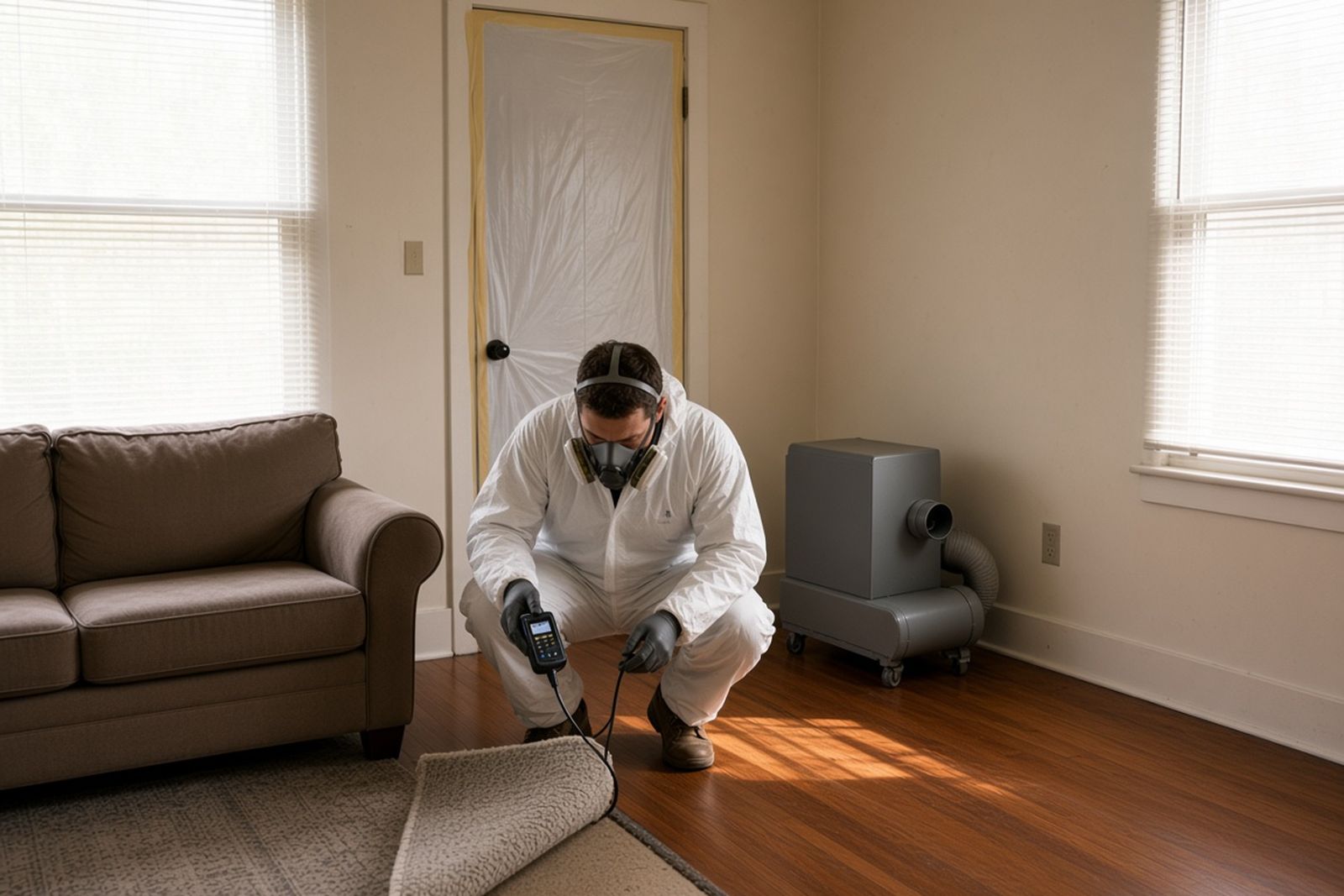
Odor jobs are very easy to underprice. One company can walk into your house, smell cat urine or old cigarette smoke, and quote one visit with a fogger and a deodorizer. Another can walk into the same house and pull back a corner of carpet. It checks the wood strip at the carpet's edge with a UV light. Then it quotes several days of work to remove the pad, treat the floor under it, and seal it.
Both are reacting to the same smell, but they offer you different results. The first bid aims to make the house smell better for now. The second aims to remove what makes the odor. That way it does not come back when the weather turns humid or the heat runs for the first time in fall.
Different sources, different methods
Bids also differ because odor sources differ. Pet urine, tobacco smoke, fire and soot, a death, sewage, mildew, and cooking grease each need their own methods. Many homes have more than one. Before you compare prices, make sure each company has named the same source and the same affected areas.
Get at least two or three bids when you have time, and ask every company to inspect in person. A phone quote based on how you describe the smell tells you more about the company's sales style than about your house.
What each bid really promises to remove
The most important question about any odor bid is whether it deals with the source. A smell comes from something. It may be urine crystals in carpet pad, a film of tar and nicotine on walls, soot in ducts, or organic matter in the wood under your floor. As long as that material stays in the building, it will keep giving off odor.
Masking products cover smells with fragrance. Some deodorizers bind or break down odor in the air or on surfaces they touch. Treatments like ozone and hydroxyl react with certain odors and can reduce them further. None of these replace taking out or sealing the dirty material when the source is deep inside it.
Read each bid for its verbs. Words like remove, extract, clean, and seal describe work on the source. Words like treat, deodorize, and freshen may describe only the air. If a bid is vague, ask the company to list which materials it will remove, which it will clean, and which it will seal.
Published price ranges and the quotes you get
Cost guides can help you judge whether a bid is in a normal range. Just remember they are estimates, not invoices.
For smoke odor, Fixr's 2025 fire damage guide prices ozone treatment for smoke damage at $300 to $600 per floor and thermal fogging at $200 to $550 per floor. Those figures cover the treatment step alone. They do not cover washing walls, sealing, duct cleaning, or cleaning your belongings.
If a bid falls far below these ranges, find out what it leaves out. If it falls far above them, ask what extra work explains the gap. Either may be fair. The point is for you to understand the work behind the number.
Line items that separate a thorough bid from a quick one
A thorough odor bid usually breaks the work into stages. A quick bid often lists one or two lines. Hold each bid up against the list below to see what you are and are not buying.
A missing item is not always a problem. If your home has smoke odor in only one room, you may not need duct cleaning. But if a company leaves out a step, it should be able to tell you why your home does not need it.
- Inspection with tools such as UV lights and moisture meters
- Removal of affected carpet, pad, drywall, insulation, or other materials
- Cleaning of the wood under the floor, framing, walls, ceilings, and hard surfaces
- Enzyme or oxidizing treatment matched to your odor source
- Sealing of cleaned surfaces with an odor-blocking primer
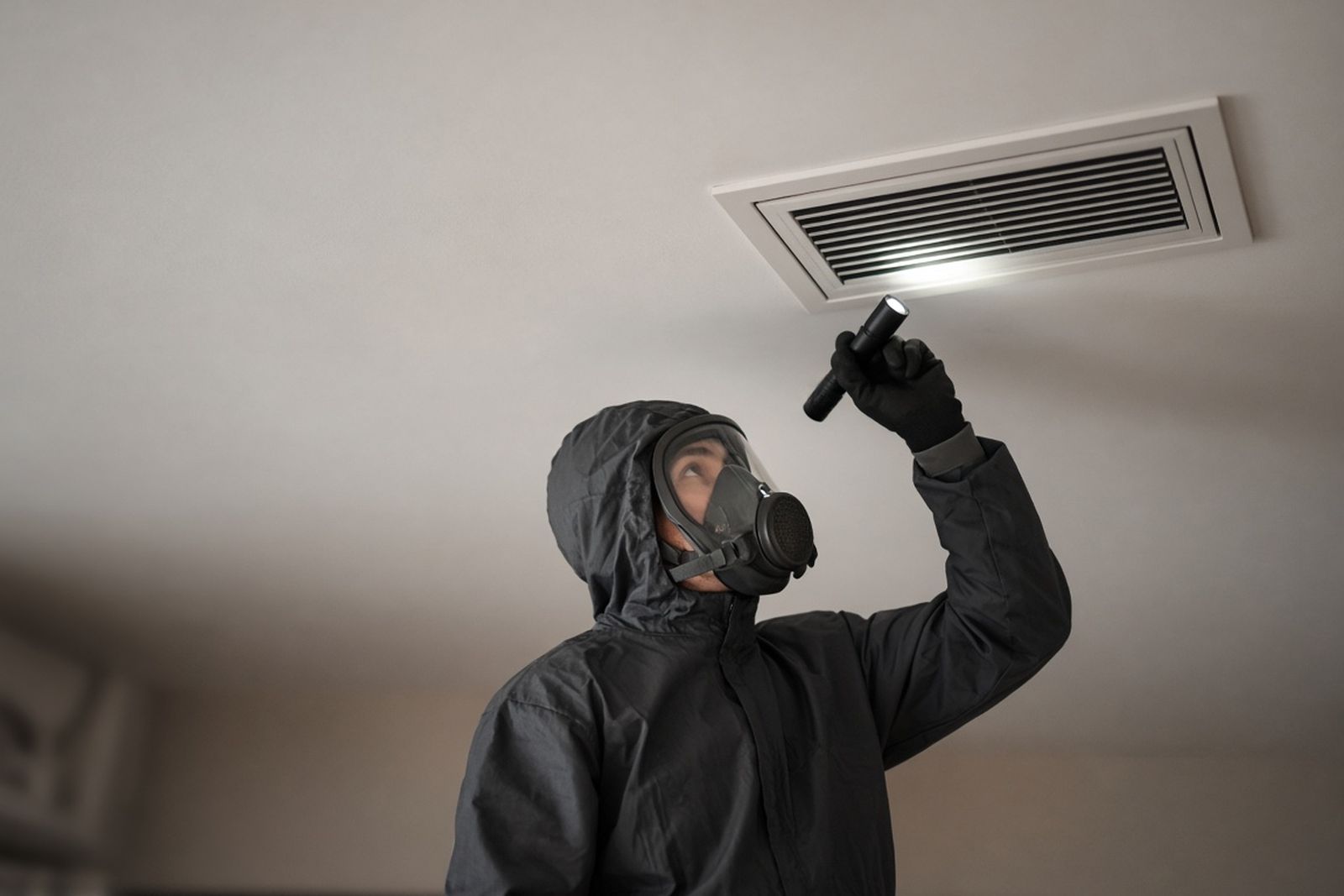
- Cleaning of the heating and cooling system and ducts, a new filter, or coil cleaning
- Cleaning of your furniture, drapes, and clothing
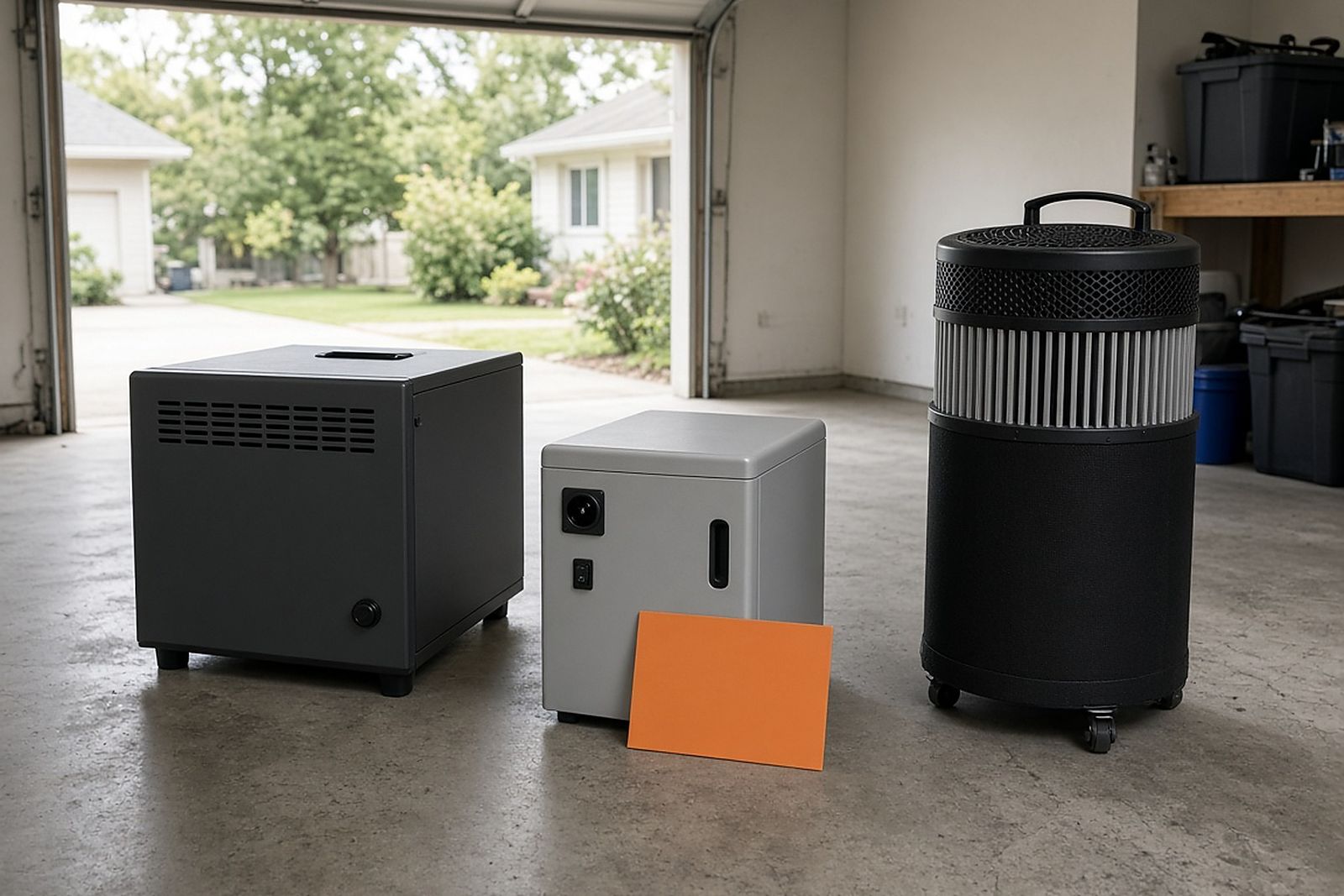
- Air treatment such as hydroxyl, ozone, or thermal fogging
- Instructions for when you can go back in, and a check of the result
- A follow-up visit or guarantee if the odor returns
Why can a one-treatment ozone quote fall short?
Ozone shows up in many low bids. It is quick to set up, and you can notice a change right after treatment. It has a place in professional work, mostly as a last step in an empty building after the source is removed. As a fix on its own, it often lets you down.
Professional shock treatments run ozone at high levels in spaces with no one inside. That raises safety concerns of its own. It still leaves sources deep in materials in place.
Long exposure to ozone can also damage rubber, some fabrics, artwork, and plants. Watch for a bid that runs ozone again and again over dirty materials instead of removing or sealing them. It may cost you more in the long run, in both money and belongings.
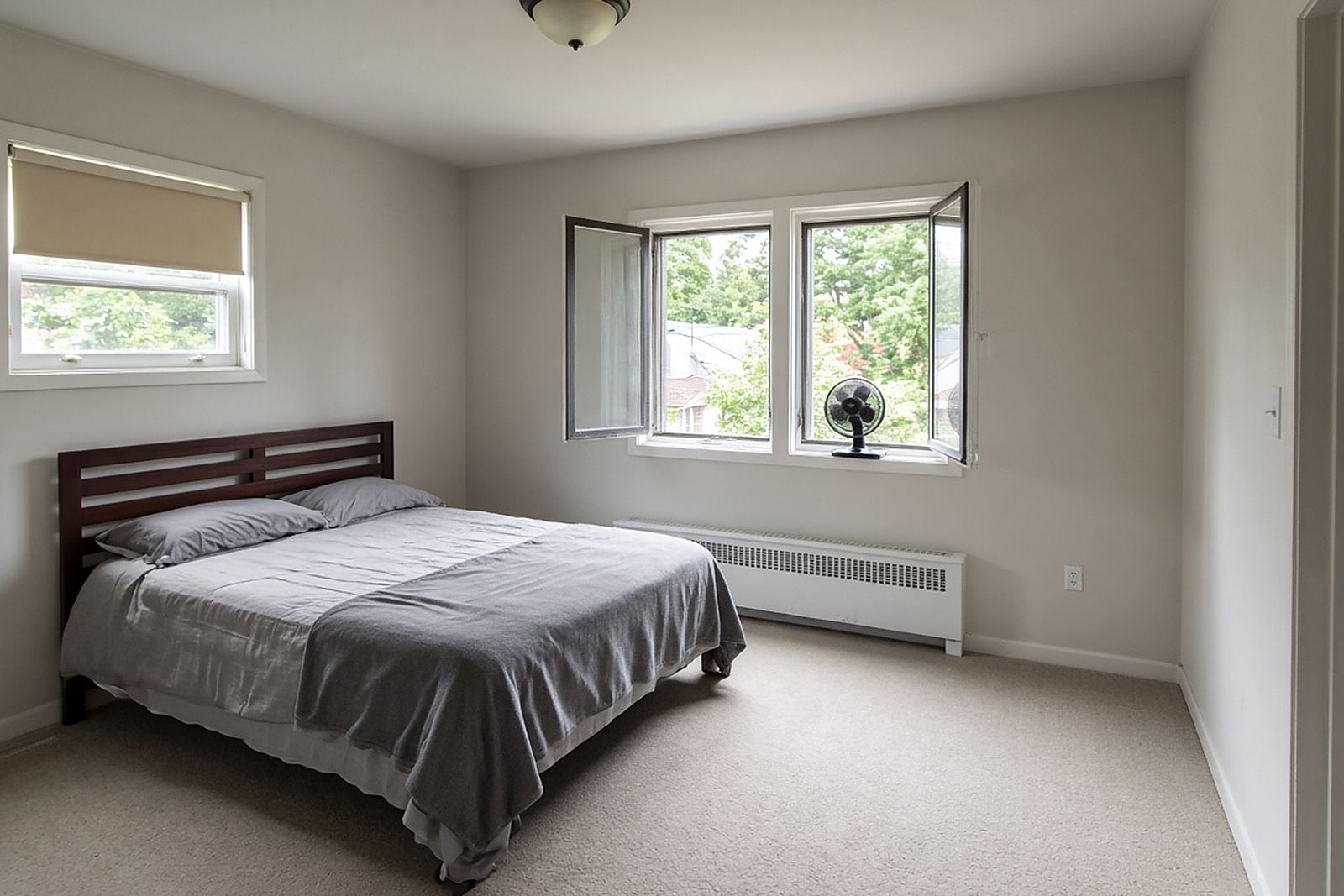
If a company does suggest ozone, ask when in the job it will run and how long your house must stay empty. Ask which belongings you should take out first. Ask how the company will confirm the air is safe before you return. A careful answer to each question is a good sign.
Comparing guarantees and follow-up visits
Many odor companies offer some kind of guarantee, and the terms differ a great deal. One may promise a free return visit if the odor comes back within a set period. Another may limit its guarantee to the rooms it treated or leave out odors from new sources.
Read the conditions with care. Some guarantees require you to keep windows closed, avoid smoking, or hold humidity in a set range. Others apply only if you accepted every step the company recommended. A low bid with a strong-sounding guarantee may still leave you paying if the source was never removed.
Ask how the company will judge success. Some rely on a walk-through with you and a second person who had no part in the work. Others come back after a stretch of warm or humid weather, when leftover odors tend to show up again.
Can insurance or a former tenant's deposit cover the cost?
Coverage depends fully on your policy and the cause. Smoke odor after a covered fire may be part of a claim. Odor from pets or years of smoking is often treated as wear, neglect, or an exclusion. Call your agent or insurer before you assume either way.
If you are a landlord, you may try to recover odor costs from a tenant who is leaving. That depends on your lease and on state or local landlord-tenant rules. Either way, detailed bids help you. A bid that lists the source, the affected materials, and each step makes the charges easier to explain to an adjuster, a tenant, or a court.
Keep copies of every bid, invoice, photo, and inspection note in one folder. A question may come up months later, during a sale or a dispute. That record will help you far more than anyone's memory of what was done.
What three typical bids for pet urine look like
Pet urine in a house being readied for sale is a common case where bids split apart. The smell is usually worst on warm afternoons, and the bids tend to fall into three types.
The lowest is often carpet shampooing with a deodorizer added, in one visit. The next is an ozone treatment for the whole house, also in one visit. The most thorough starts with a UV inspection. That may show urine that soaked through the pad into the plywood under it. This bid removes carpet and pad in the affected rooms, treats the plywood with an enzyme product, and seals it. It leaves the floor ready for new carpet put in by someone else.
The thorough bid costs the most. Ask the other two companies what happens to the urine in the plywood. If the only answer is a second treatment when the smell returns, be careful. The cheaper options leave the source in place during showings and inspections.
Whichever bid you choose, budget for new flooring on top of it. Test the result after a warm week with someone who has never been inside your house.
Putting your odor bids side by side
Make a one-page table with the same rows for every bid, and fill in each company's answer. Gaps in your table tell you which questions to ask next.
Price matters, but only once you are comparing the same job.
- The odor source named and the areas affected
- Materials removed, cleaned, and sealed
- Treatment method and how long your space must stay empty
- Whether your ducts and belongings are included or left out
- How the result will be checked
- Guarantee terms and conditions
- Total price and what would lead to extra charges