Short answer
Enzyme and bacteria-based cleaners work on smells from living things, such as urine, feces, vomit, food spills, and some residue left after a death. They break the residue into simpler bits that smell less. They need to touch the residue, stay damp, and have time. They do little for smoke, fuel, solvents, or mineral deposits, and they do not disinfect. Use them as part of a plan to remove the source, not as a quick spray.
What enzyme and bacteria-based products are
Enzyme products contain proteins that speed up certain chemical reactions. Each kind of enzyme works on one kind of material. Proteases break down proteins. Amylases work on starches. Lipases handle fats and oils. Ureases act on urea, a main part of urine. A good product blends several, so it can handle mixed messes.
Microbial products are often called bio-enzymatic or bacterial cleaners. They contain live, helpful bacteria, usually in a resting form called spores. Once they land on organic residue with enough moisture, the bacteria wake up. They make their own enzymes and eat the residue as food. They keep working as long as there is something to digest and conditions stay right.
Both kinds are sometimes called bioremediation, because they use living processes to break down the source of a smell. In odor work, that word simply means digesting the residue. It does not mean covering the smell or removing the whole material.
Quality varies a lot. Some store-bought sprays have only a little active enzyme and a lot of fragrance. They can make your spot smell better for a day without breaking down much residue. Professional products are usually strong liquids mixed with water on site and put down in larger amounts. When you shop, read the label for the types of enzymes or bacteria, how to store it, and how long it must stay wet. That tells you more than the claims on the front.
Which odors they work on, and which they don't
These products are built for organic sources, meaning messes from living things. That group includes pet urine and feces, human bladder or bowel accidents, vomit, spoiled food, milk spills, and grease in drains. It also includes some residue left after a biohazard cleanup.
Urine is the classic case. Fresh urine is mostly water and urea. As it breaks down, it forms ammonia and uric acid salts. Those salts cling to your carpet fibers and wood. They give off odor again whenever the air turns humid. Enzymes and bacteria can digest much of that residue if they reach it.
Organic buildup in drains and grease traps also responds well. Many restaurant kitchens use bacterial products on a schedule to keep smelly sludge from building up in drains.
After a death or other biohazard event, these products sometimes play a supporting part. First, trained technicians remove the affected materials and clean and disinfect the area. Then an enzyme treatment on concrete, framing, or the wood under the floor can help break down traces of residue left in the pores before sealing. It is a finishing step, never the main cleanup.
Enzymes and bacteria need something they can break down or eat. Tobacco tar, fire soot, fuel and oil, and many industrial chemicals are not food for the bacteria in these products. The enzymes in most blends are not made to act on them either.
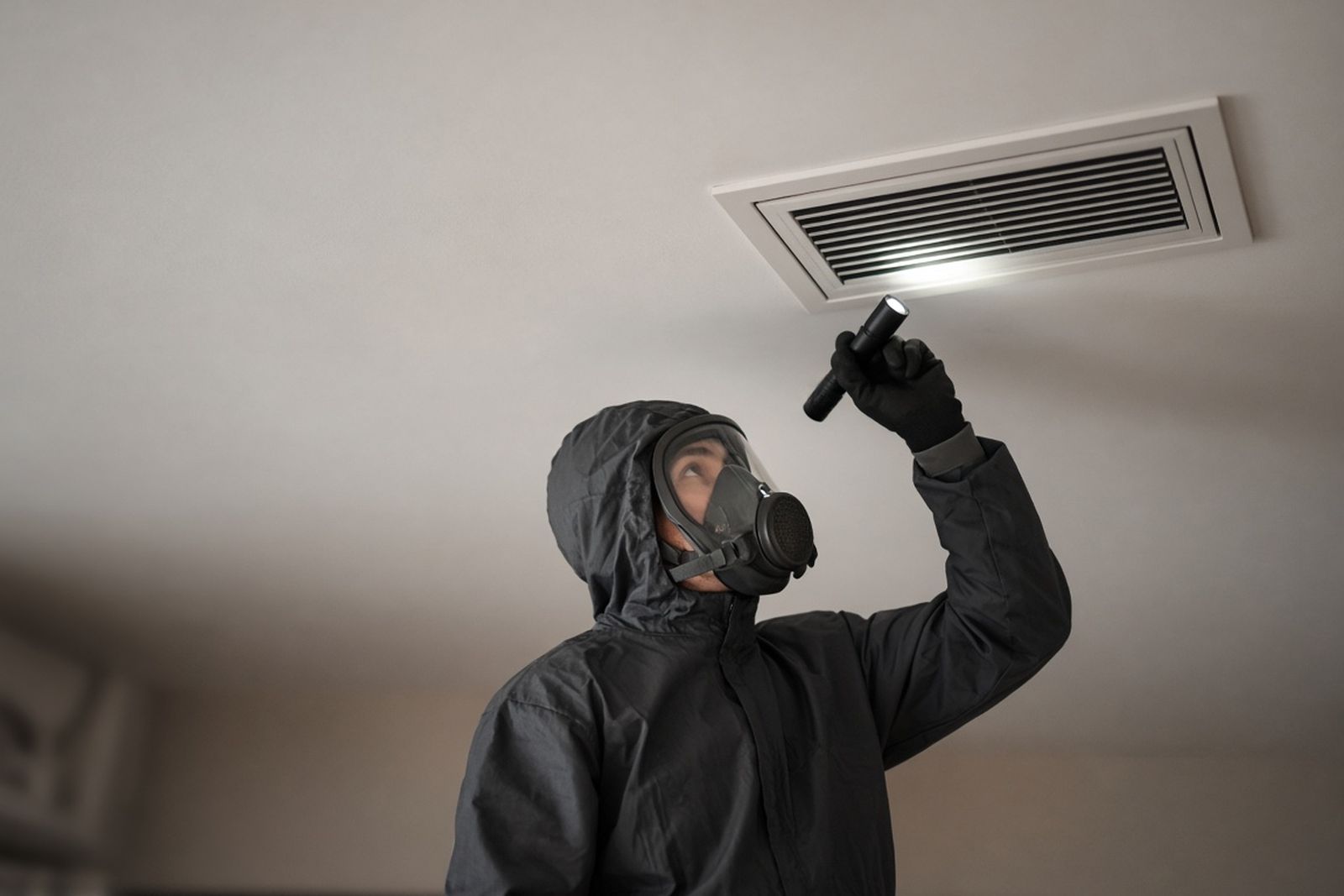
Smoke odor in your home calls for degreasers and detergents to lift the residue, then sealing and air filters. Fuel and solvent odors call for removing the affected material and airing the space out. Sometimes special absorbent products are used too.
Using an enzyme product on the wrong source wastes your money and time. It can also leave extra moisture and organic matter that feed a new musty odor. A good company finds the source before it chooses any product.
- Good fit: pet urine, feces, vomit, food and milk spills, drain buildup
- Possible fit after cleanup: residue from body fluids on absorbent surfaces
- Poor fit: tobacco smoke, fire smoke, fuel, solvents, paint, mineral scale
Contact, moisture, and time
Contact comes first. The product has to reach the residue. For urine in your carpet, that usually means soaking through the fibers, the backing, and the pad, as deep as the urine went. That often takes far more product than you would spray on the surface.
Moisture comes second. Enzymes and bacteria work in water. If your treated area dries too fast, the process stops. You may see technicians cover treated areas with plastic for a while to slow drying.
Time comes third. An oxidizer reacts within minutes. These products may need hours to a day or more. If you rush that step, residue stays behind.
Temperature and other chemicals matter too. A very cold room slows things down. Leftover bleach, strong disinfectants, or some cleaners can kill the helpful bacteria or shut down the enzymes. So the order of products needs planning.
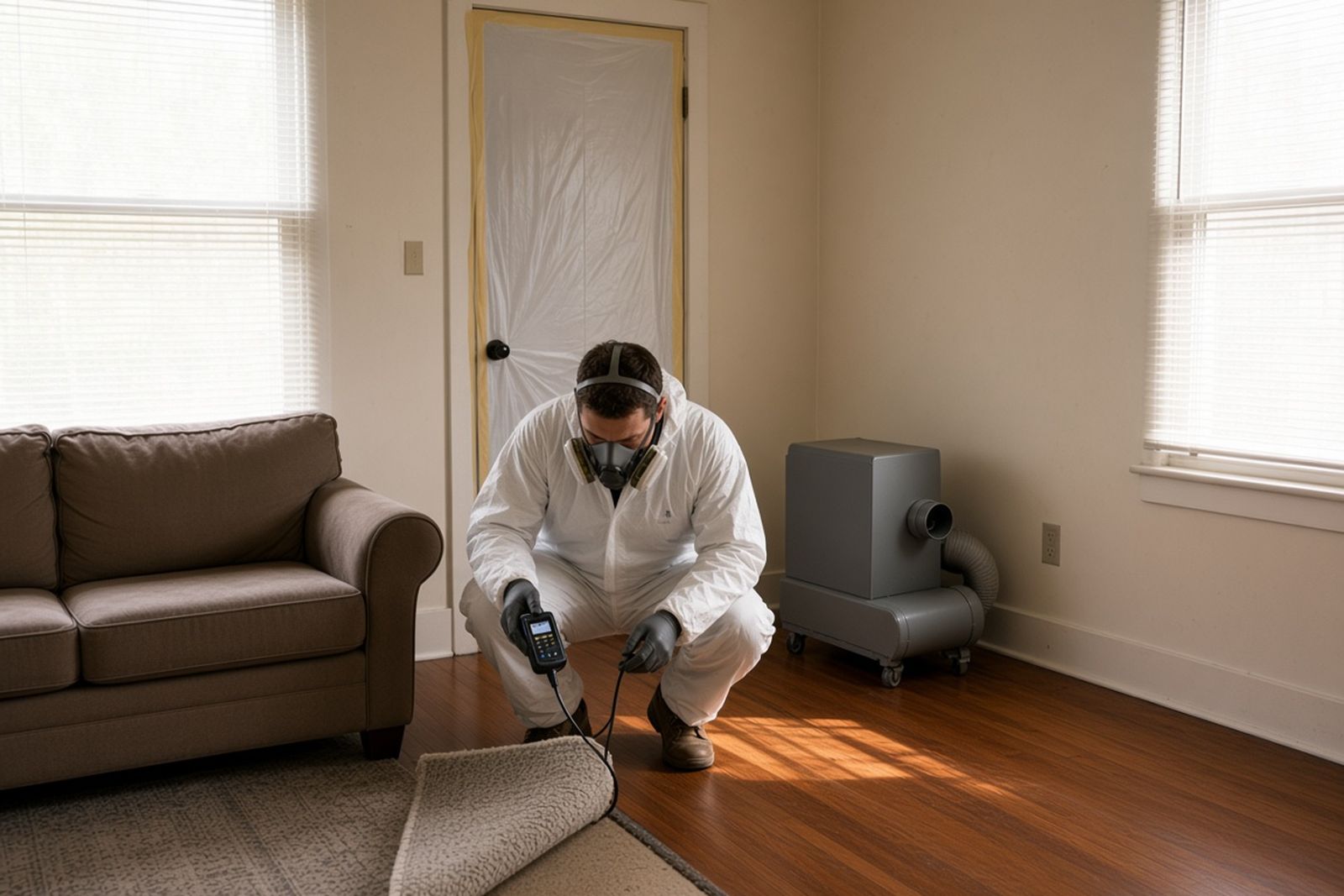
Checking progress is part of the job. Technicians often use a UV light and a moisture meter. They look at whether stains are fading and whether the area has dried as expected. If a spot still glows brightly or smells sharp to you once dry, it usually needs more work. That may be another treatment, extraction, or removing the material.
Are enzyme products disinfectants?
No. Enzymes and helpful bacteria break down organic matter, but they are not registered to kill germs on surfaces. If your mess involves blood, feces, or other materials that may carry disease, disinfecting with an EPA-registered product is a separate step.
That raises a question about order. Disinfectants can kill the bacteria in microbial products, and some can shut down enzymes. Professionals often clean and disinfect first where that is required. They let the disinfectant finish its work and rinse it as the label directs. Then they apply enzyme products for leftover odor. The exact order depends on the situation and the products chosen.
If a company tells you an enzyme treatment alone is enough after a biohazard event, ask how it is handling disinfection.
When removal beats enzymes
These products work best when there is little enough residue to reach and digest. When a material is soaked through, removing it is often faster, cheaper, and more reliable for you.
Carpet pad is the common example. Your carpet pad acts like a sponge, and pad soaked with urine rarely treats well. Your better plan is often to replace the pad while treating the wood under it and maybe the back of the carpet. The same thinking applies to your furniture foam, mattresses, and drywall that soaked up liquid.
Cost figures can help you frame the choice. In its 2025 cost guide, Fixr lists a national average pet odor removal cost of $650, with most homeowners paying $500 to $800 and enzyme cleaning running $30 to $40 per room. Enzyme treatment is cheap per room. But repeat treatments of a soaked area can add up and still fall short. Your own costs will depend on the work needed and where you live.
Using removal and enzymes together on one floor
Old dog urine in a rental living room is a typical case for a combined plan. A UV light often finds several spots. Lifting the carpet at a corner shows which ones soaked into the pad and stained the wood under it. It also shows which stayed mostly in the carpet fibers and backing.
The heavy spots get removal. The pad under them is replaced. The wood is soaked with an enzyme product, covered, left to work overnight, dried, and sealed. The lighter spots are flooded with enzyme product through the carpet and covered with plastic to slow drying. The liquid is pulled out the next day.
A moisture meter confirms everything is dry before the carpet is stretched back into place. The real test is the next warm afternoon, when you would smell any spot that was missed. Removal where residue is heavy and enzyme treatment where it is light often solve what surface sprays could not.
Can you use enzyme products yourself?
For small, fresh accidents on washable surfaces or carpet, store-bought enzyme products can work well. Blot up as much liquid as you can. Apply enough product to reach as deep as the spill did. Keep it damp for the time on the label, then let it dry on its own.
Do not mix enzyme products with bleach, ammonia-based cleaners, or strong disinfectants. These can weaken the product or create harmful fumes. Do not use steam or very hot water first on urine. Heat can set the proteins and make the stain harder to remove.
If a spot keeps coming back, or you find many old stains, the problem likely reaches the pad or the wood under it. That is when a professional inspection is worth the cost to you.
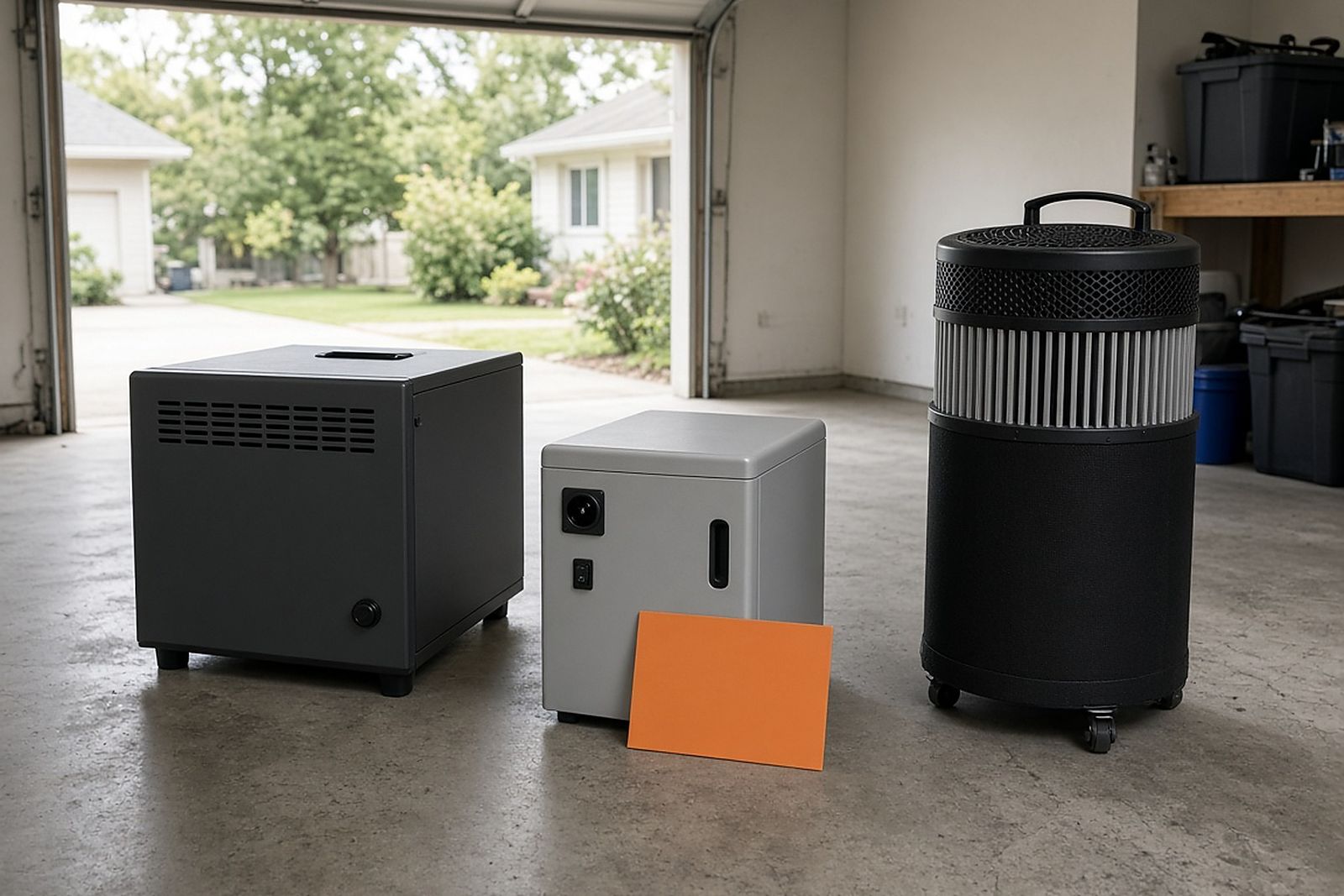
Store products as the label says. Enzymes can lose strength with heat, freezing, or long storage. Bacterial products have a limited shelf life. An old bottle that sat in a hot garage may do little. Many people then decide that enzymes do not work, when the product itself was the problem.
Questions to ask a company about these treatments
Ask whether your source is organic and a good fit for enzyme or bacterial treatment. Ask how the company will make sure the product reaches the full depth of the problem and how long it will stay in place. Ask how it will handle disinfection if the source involved body fluids.
Ask what the company will remove instead of treat, and why. A thoughtful company will explain where these products fit and where they do not. Getting rid of materials soiled with body fluids may be regulated. So ask how the company will package and dispose of them.