Short answer
The fog itself is a small part of what you pay. Most of the cost comes from the steps around it. How much cleaning does your space need first? Which product and method does the label allow? How long must the area stay empty? How big and cluttered is it, and will anyone test the results? A quick mist of an empty room is cheap. A tested, recorded plan for a busy building is not.
What you are really paying for
Fogging quotes often focus on the machine and the mist. The real cost of a job done well sits mostly elsewhere. A crew has to get your space ready. It has to clean surfaces so the disinfectant reaches germs and not dirt. It protects electronics and delicate materials. It applies the product the way the label allows and waits out the required wet time. Then it airs out the space and confirms it is safe for people to come back.
Each of those steps takes labor and time. A quote that lists only square footage and a per-foot fogging rate may leave out the parts that make the work effective. It helps to picture fogging as the last step in a chain, not the whole service.
When you compare quotes, your goal is to see which company is pricing the full chain and which is pricing only the spray.
Travel and timing also sit in the price. Many companies set a minimum charge for small jobs. Work after closing time, on weekends, or on short notice usually costs more, because workers have to be on call outside normal hours. If your space can only be treated overnight, say so when you ask for quotes. Then every bid reflects the same conditions.
Why cleaning first changes the price so much
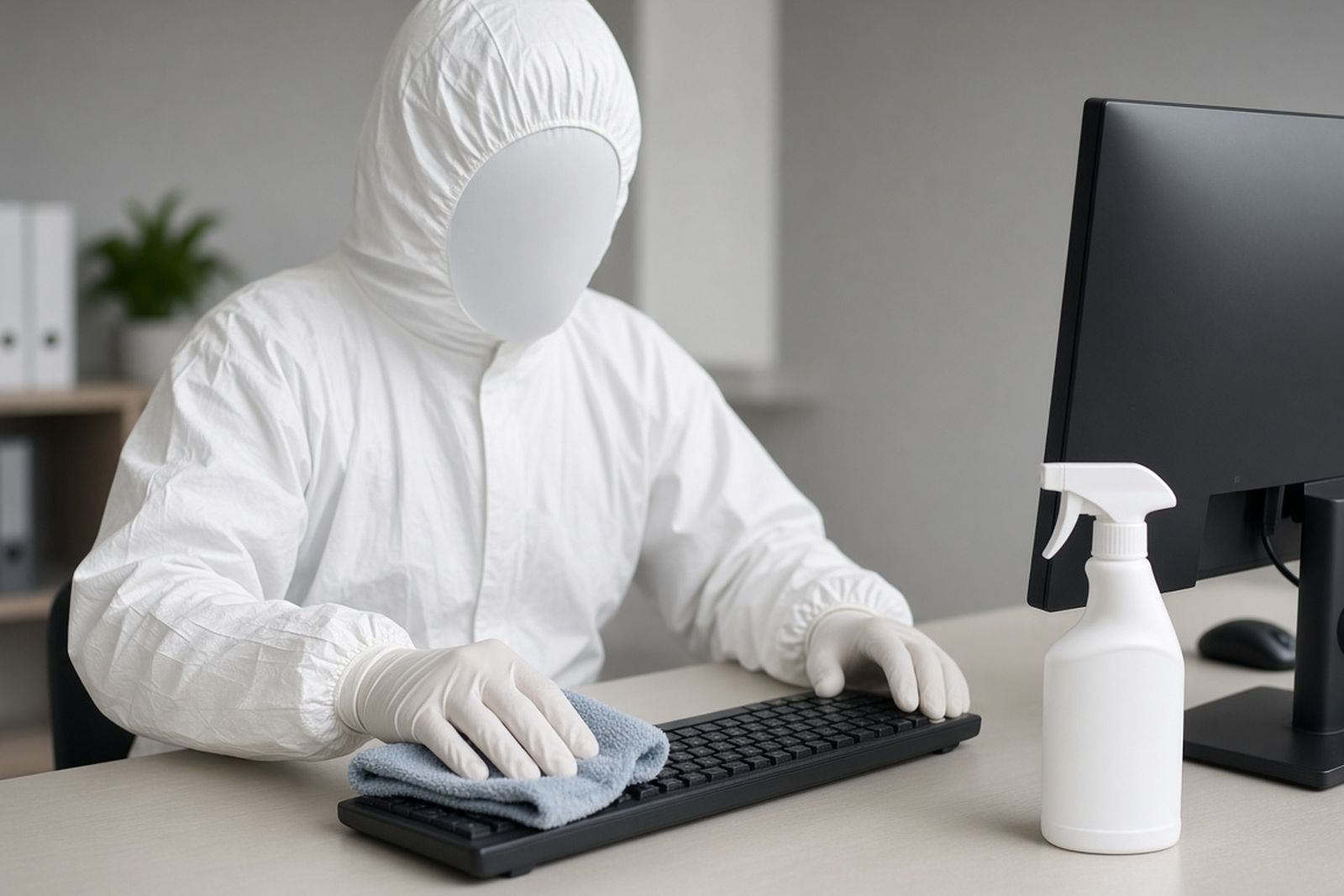
Disinfectants are made to work on surfaces that are already clean. Dust, grease, body oils, and other grime can shield germs. They can use up the active ingredient before it reaches them. That is why product labels commonly call for cleaning first, and why good companies include it in their written work plan.
A lightly used office with clean desks needs fairly little prep. A gym locker room, a daycare with toys on every surface, or a restaurant kitchen needs much more. Cleaning first may mean wiping often-touched surfaces, mopping floors, and moving or covering items. That labor often costs more than the fogging step itself.
If a quote seems low, ask directly. Does this include cleaning before you spray, or do you expect my space to be clean when the crew arrives? The answer explains a lot of the gap between bids.
Product, method, and downtime
Different products cost different amounts. And not every disinfectant is allowed to be fogged or sprayed with an electrostatic sprayer. A product can be fogged or sprayed only if its label gives directions for that method. Companies that follow the label may choose from a smaller set of products, and some of those cost more.
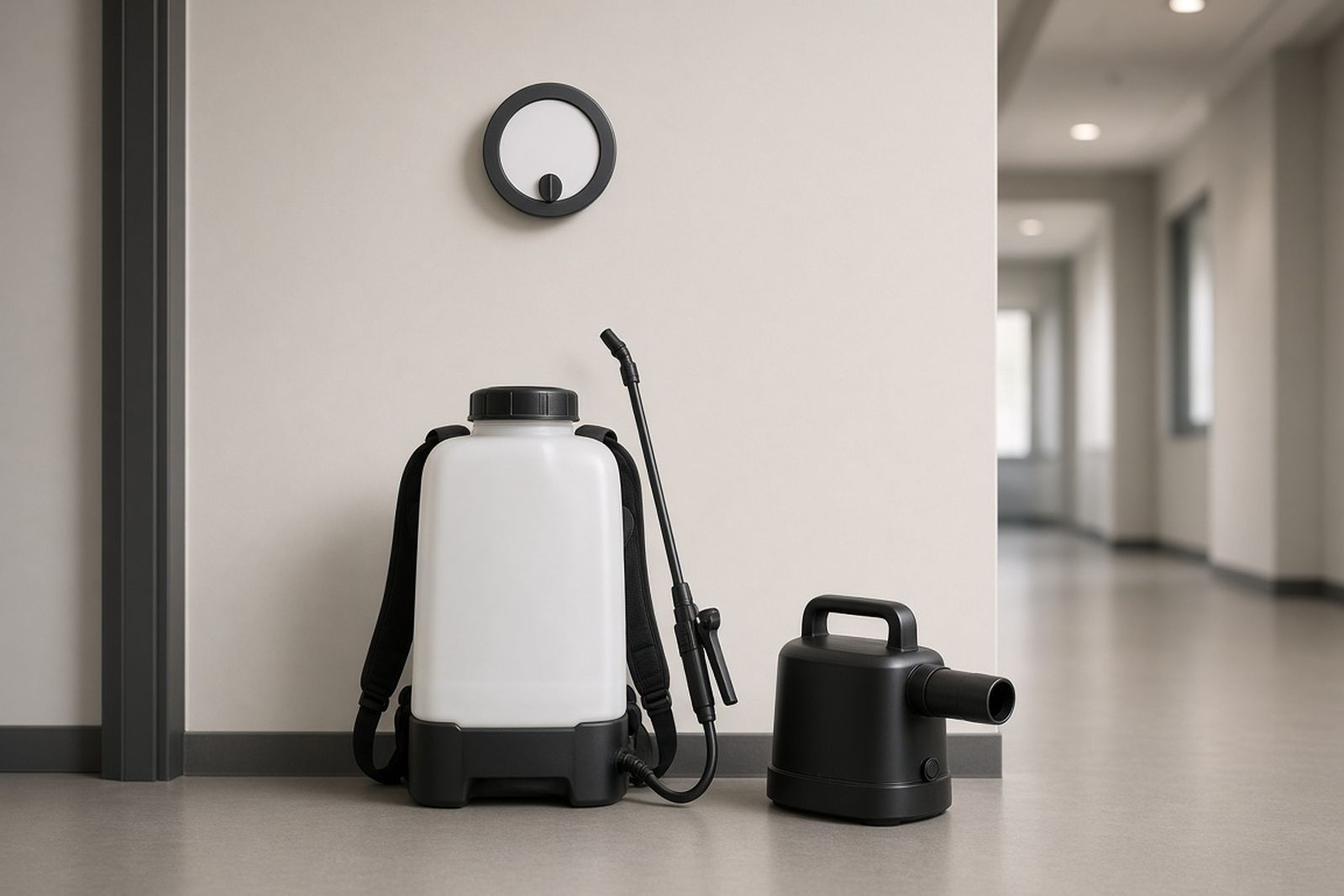
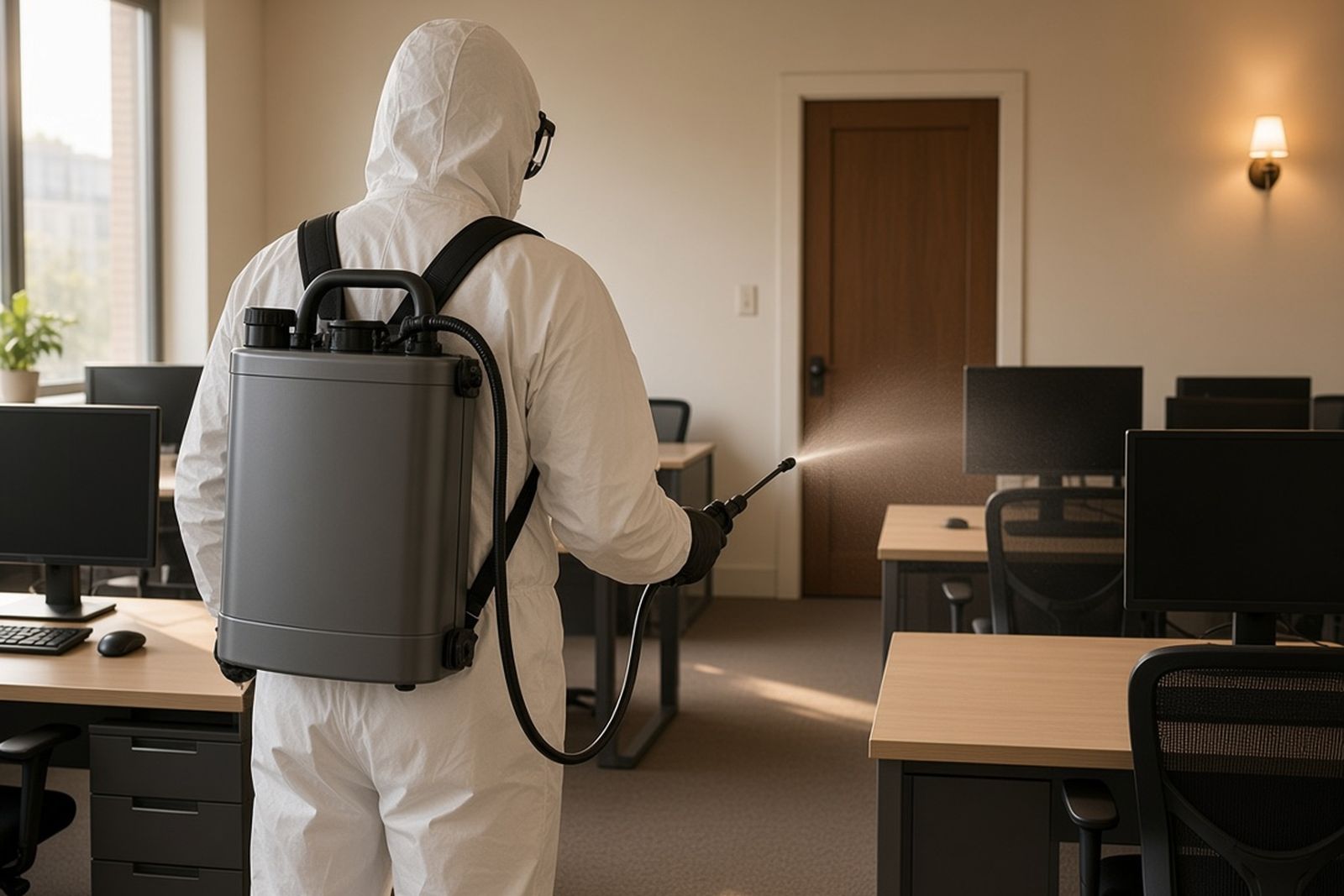
Equipment matters, too. Handheld electrostatic sprayers, foggers that put out a very fine mist, and whole-room hydrogen peroxide systems all cost very different amounts to buy and run. A company that seals a room for a hydrogen peroxide system is running a very different service from one with a backpack sprayer. The prices reflect that.
Ask each company to name the product, share its EPA registration number, and confirm the label allows the method they plan to use. That one question filters out a lot of weak quotes.
Every disinfectant has a contact time. That is how long a surface must stay wet for the product to work as labeled. Some fogging methods also require your space to be sealed and empty during the work and for a set time afterward. That downtime is a hidden cost, most of all for a business.
Whole-room systems that seal a space and fill it with vapor take a good deal longer than a wipe-down or a pass with a handheld sprayer. Heavier methods mean longer closures. Time is money when your rooms must sit empty.
Ask the company how long each area will be out of use. Ask if your heating and cooling system must be shut down or adjusted, and when staff or residents can safely return. Build that time into your plans.
Size, layout, and clutter
Square footage is the most obvious factor, and many companies price larger jobs by the square foot. But layout and contents matter as much as size. An open warehouse floor is quick to treat. A building full of small offices, cubicles, and storage rooms takes longer. The crew has to move through each space, set up, and seal off areas.
Walk your space with each bidder if you can. Point out the server closet, the break room refrigerator, and the carpeted meeting room in person. That prevents surprises later. It also helps every company quote the same job and not guess from a floor plan.
- Ceiling height, which affects how much product is needed and how well mist reaches surfaces.
- Electronics and delicate equipment that must be covered or removed.
- Soft furnishings and fabrics that may need their own treatment or protection.
- Separate heating and cooling zones that must be managed during the work.
- Areas in use that must be scheduled around your business hours.
Is testing the results worth paying for?
Testing is optional in many settings. But it is the only way to know if the work did what you paid for. One common tool is a quick swab test that measures organic residue on a surface. Sometimes a lab grows samples to count microbes. Some companies include a few swab readings in every visit. Others charge extra.
Published research gives a sense of what testing can show. In a 2022 study in a critical care setting, Khandelwal and colleagues reported aerobic colony counts fell 98% after added fogging compared with post-cleaning measurements. Colony counts are a measure of live bacteria. That was a controlled hospital study, not a promise for your building. But it is the kind of before-and-after data a serious company should be able to discuss.
If you are buying a repeat service, testing is extra useful. It lets you see if results hold steady and if a cheaper schedule would work just as well.
Ask to see sample reports before you sign, so you know what the numbers will look like.
Bare-bones bid vs full bid
Quotes for the same space often come in two shapes. The first is simple and low-priced. It covers electrostatic spraying of the whole space on a fixed schedule after closing, priced by square footage. It does not mention cleaning first, a product name, or testing.
The second costs more and reads differently. It has your staff wipe often-touched surfaces each day with a labeled disinfectant. It adds cleaning and electrostatic spraying from time to time in the highest-risk rooms, such as locker rooms or restrooms, with a product whose label allows that method. It also adds swab test readings now and then on the surfaces people touch most.
The full bid is usually more likely to lower risk where it matters. You can also bargain for a middle choice. For example, drop the spraying on open floors and focus it where moisture and skin contact are highest. Either way, laying the bids side by side shows you what each dollar buys.
What a fogging estimate should include
A clear estimate lets you compare companies and hold them to what they promised. Ask for these items in writing before you sign anything, above all for a repeat contract.
- The areas to be treated, with square footage or a floor plan.
- The cleaning steps that come first, and who is responsible for them.
- The product name, its EPA registration number, and the method its label allows.
- The wet time, the re-entry time, and directions for your heating and cooling system.
- Protection for your electronics, food areas, and delicate materials.
- How results will be tested and how they will be reported to you.
- How often visits happen, how long the contract runs, and how you can cancel.
When fogging is not worth the money
Sometimes the best value is less fogging, not more. For many everyday cases, careful cleaning and wiping of often-touched surfaces with a labeled disinfectant does the job. Fogging adds value mainly in three cases. Surfaces may be hard to reach by hand. A recorded event may call for wider treatment. Or a label and a review of the risk may support it.
Think about your real goal before you buy. Is the worry one dirty area, such as a restroom after a sick visitor? Then cleaning and disinfecting that room usually costs far less than treating the whole building. Is the worry ongoing, such as a shared space with heavy daily use? Then a trained cleaning routine by your own staff, with professional help from time to time, may give you more value than weekly fogging alone.
Be careful with quotes that promise to wipe out all germs, protect for weeks, or replace your regular cleaning. Those claims usually go beyond what a disinfectant label supports. You may run a childcare center, a food business, or a similar licensed site. If so, ask your licensing agency or local health department if certain sanitation rules should shape the work.
The best company will tell you when you do not need their most costly service. That honesty is often a good sign you have found the right one.