Suicide Cleanup planning tools
Work through cost, hiring, insurance, first steps and disposal at your own pace.
These tools were built for a very certain moment. Someone is standing outside a closed door, phone in hand, trying to think clearly while grief makes that almost impossible. Each tool takes one question a family faces after a suicide and turns it into a short, step-by-step exercise. The First 24 Hours Planner tells you what to do and not do right now. The Risk Check explains why the room is not a job for family members. The Cost Range Estimator and the Company Vetting Checklist help you get a fair quote from a trusted crew. The Insurance Claim Organizer and the Waste and Disposal Classifier handle the paperwork and the questions that come later, once the first crisis has passed.
Get an email reply about suicide cleanup
Send a short message to the follow-up inbox. A coordinator can reply by email. This form does not send emergency help; call 911 first if anyone is in danger.
Choose a tool
Each tool is free and private: nothing you type is saved or sent anywhere. Use the results to get ready for a visit from a cleanup company or a call with your insurer.

Cost Range Estimator
Set the affected area, surface types, severity and extras to see a rough cost range and what pushes it up or down.
Open tool
Company Vetting Checklist
Fifteen questions to ask any cleanup company, a score that shows how ready you are to hire, and a list of what is still unanswered.
Open tool
Insurance Claim Organizer
A guided checklist from finding the policy to tracking the insurer’s decision, with a printable summary of where the claim stands.
Open tool
First 24 Hours Planner
Tell the planner a few facts about the situation and get an ordered list of who to call, what not to touch, and what to photograph.
Open tool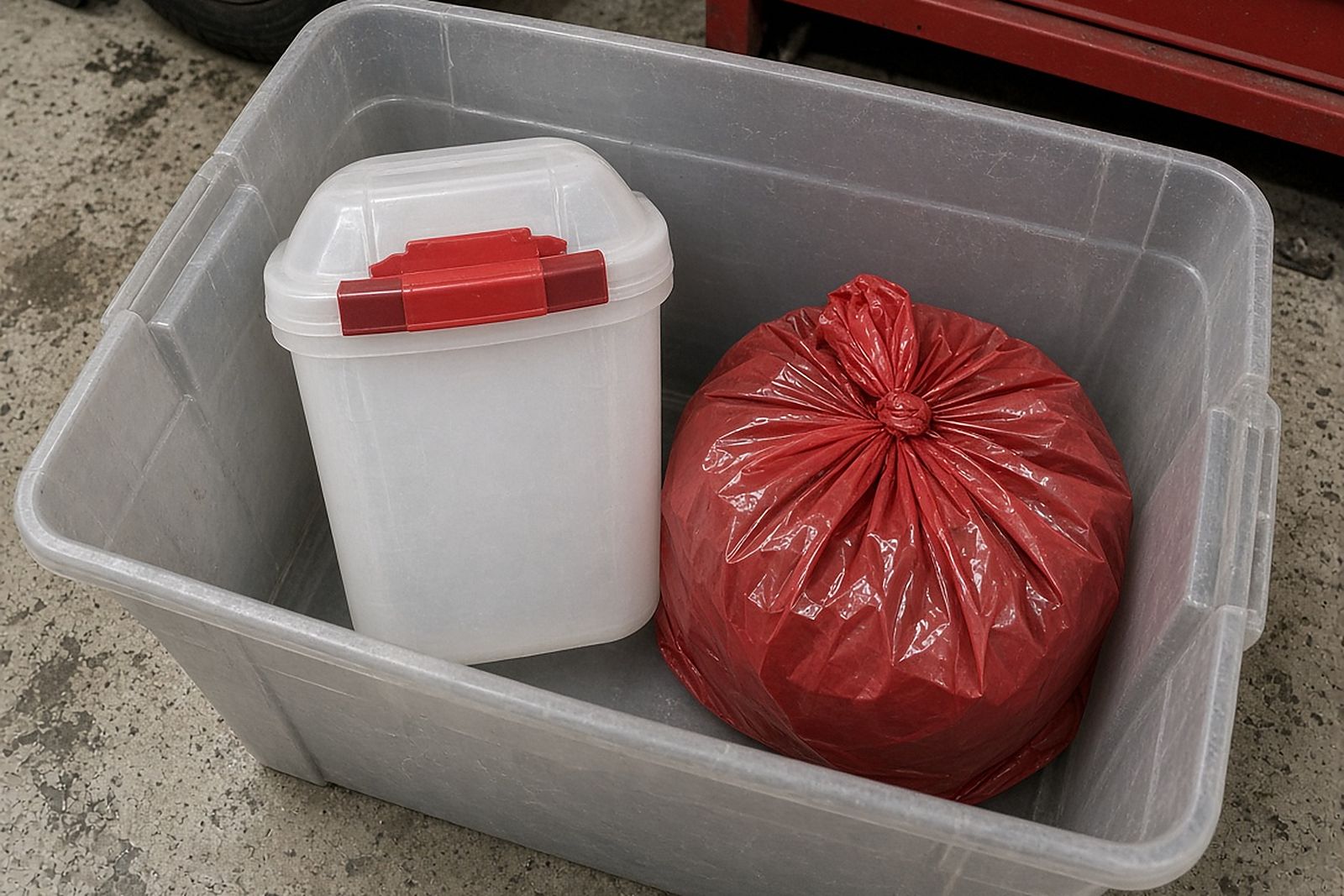
Waste & Disposal Classifier
Five questions about the material point to the likely waste category and which authority to confirm the rules with.
Open tool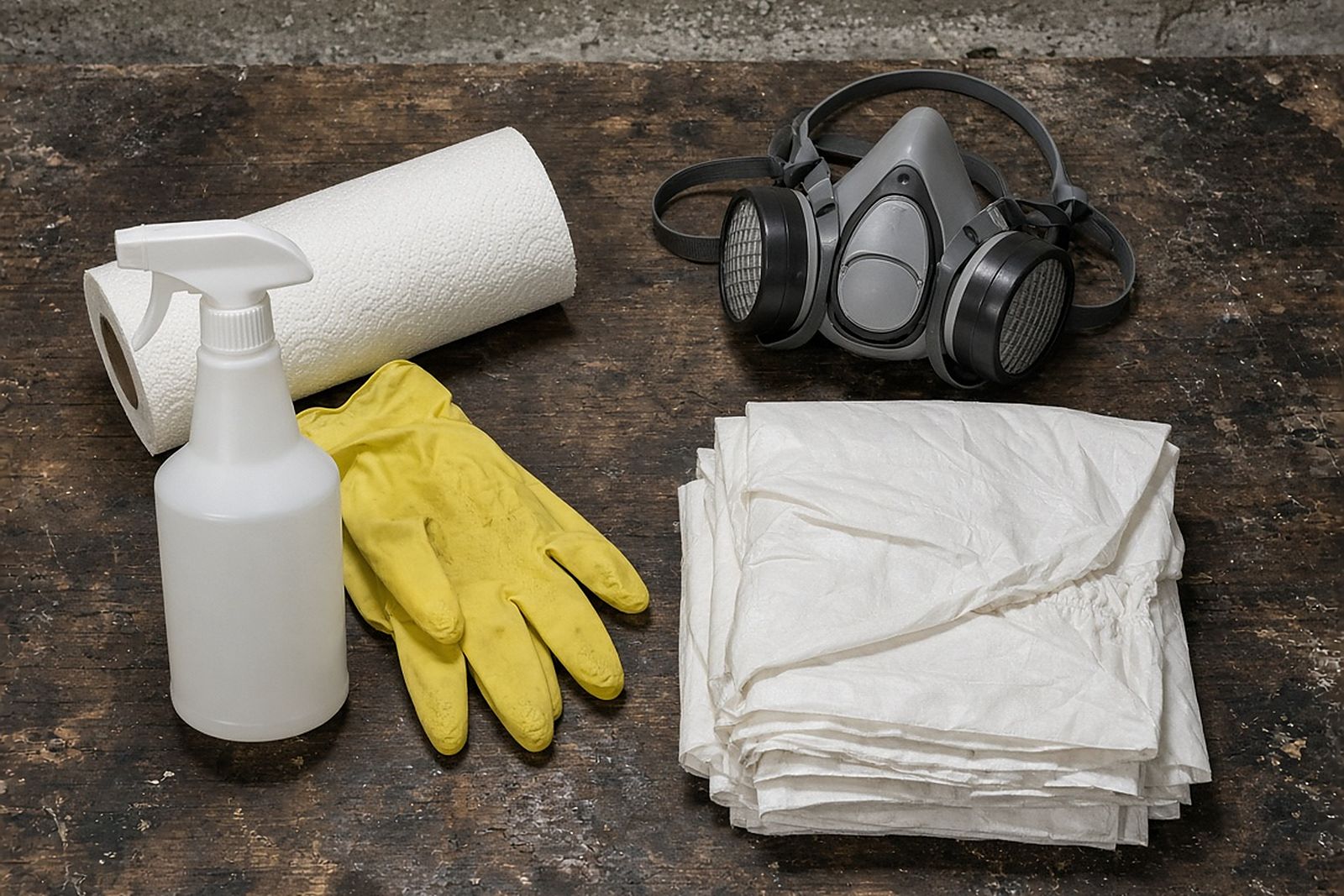
DIY or Call a Pro? Risk Check
Eight yes-or-no questions that produce a risk level and explain when professional help is the safer choice.
Open toolKnowledge quiz
A short quiz with an explanation for every answer, so you can check what you know before you make decisions.
Take the quizHow these tools fit suicide cleanup
Every tool is made so a helper can use it as easily as the family can. Maybe you are the friend, neighbor, or relative who was asked to handle the calls. If so, work through the planner first and then the vetting checklist. You can copy and share the results. That way the person closest to the loss does not have to retell the story to each new contact. Nothing you enter is stored on our servers. No tool asks for details about the person who died. The focus stays on the property, the paperwork, and the next practical step. That is where outside help can truly make a difference.
These are learning aids, and their limits matter. A cost range is not a quote. A readiness score is not a background check. A risk level is not a medical or legal opinion. The tools cannot see your home. They do not know your policy, your lease, or your state's rules. Use them to sort out your thinking and to come to a company talk with clear questions. Then let a checked professional walk the property and give you written answers. If at any point the exercise feels too heavy, stop. If you or someone with you is in crisis, contact the 988 Lifeline before doing anything else on this page.

Facts worth knowing
The CDC says sanitizing lowers germs to levels considered safe, disinfecting kills remaining germs, and cleaning always comes first.
Why it matters: When you compare quotes, check which of these steps each company actually includes.
The CDC says cleaning alone removes most harmful germs from surfaces, and disinfecting kills the germs left after cleaning.
Why it matters: Disinfectant sprayed over a dirty surface may not be enough, so ask whether your surfaces will be cleaned first.
Federal workplace safety rules treat items caked with dried blood and used sharps as regulated waste that needs special handling.
Why it matters: Ask how your cleanup company packages and disposes of bloody items, since state medical-waste rules may also apply.
What other people chose
Vote to see how other people answered. You can change your answer at any time.
If you were coordinating cleanup after a suicide loss, who would you want to make the first call to a company?
How important is it to you that a cleanup crew arrives in unmarked vehicles and plain clothing?
Questions about the suicide cleanup tools
Which tool should I open first if I am overwhelmed?
Start with the First 24 Hours Planner. It asks a few simple questions about the situation and returns a short, ordered list of what to do now, what to leave alone, and who to call. That is enough for the first day. The other tools can wait until you or a helper have the energy to compare companies, think about cost, or gather insurance paperwork.
Do the tools store any information about me or the person who died?
No. Your selections stay in your browser session and are not sent to the network's servers. No tool asks for a name, an address, or any detail about the person or the circumstances. Copyable summaries are generated on your device so you can paste them into a note or an email. If you close the tab, the information is gone, so save anything you want to keep.
Can a landlord or executor use these tools, or are they only for family?
Anyone in charge of the property can use them. Landlords and executors often find the vetting checklist and the claim organizer most useful. The wording is written for families, but the steps are the same for whoever has authority. If you are helping a grieving household, use the tools to lay out clear options. That way the family only has to make the choices that truly belong to them.
Why do the tools avoid giving me a firm number or a yes-or-no answer?
Because a firm answer would be a guess dressed up as certainty. The tools cannot inspect the room, read your policy, or know your county's waste rules. Instead they give you ranges, risk levels, and lists of questions, which are honest outputs from limited information. A verified company who has seen the property is the only one who can give you a real scope, a real price, and a real completion date.
Are these tools a substitute for calling a professional?
They help you get ready for that call. They do not replace it. After a suicide, the room almost always has materials that federal bloodborne germ rules treat as infectious. The emotional toll of a family doing the cleanup is also serious. Use the tools to learn what a professional will do and to check that the company you reach is believable. Then let the crew do the physical work while you and your family look after each other.
How does the network choose the companies it refers me to?
The network is a learning resource that helps readers reach cleanup companies. It does not employ crews or do the work. Companies are expected to hold the licenses and insurance their state and county require. You should check those yourself using the Company Vetting Checklist. No referral is a promise of quality, price, or timing. So treat every crew as one you are hiring yourself, and ask for the documents before you sign.
Can I use the tools on a phone while standing outside the house?
Yes. Each tool is built to work on a small screen with large tap targets and short steps, because that is exactly where most people are when they need it. The planner and the risk check take only a few minutes. If your hands are unsteady or your focus is gone, hand the phone to whoever is with you and let them tap through while you talk it out together.
More on suicide cleanup
Suicide Cleanup services
Learn what cleanup after a suicide loss involves. See how scene release, approval, disinfecting, belongings, and records all work to protect your family.
Costs explained
What drives the price, published cost ranges, and how to read a written quote line by line.
Insurance and payment
Which policies may respond, how to document a claim, and what to do if coverage is denied.
Community polls
See how other families handled privacy, insurance, staying home, and picking a company after a suicide loss. Add your own view without giving your name.

Knowledge quiz
Check what you know about hazards, who can approve work, sealing off the room, disinfecting, waste, and records. This gentle quiz is for families and helpers.
Articles and resources
Read longer articles on helping people who lost someone to suicide, working with landlords and executors, and what caring, trauma-aware cleanup should look like.
Field guides
Step-by-step guides walk you through approval, privacy requests, insurance questions, and when to go back in after a suicide in a home or rental.