Tear Gas Residue Cleanup: Education
The science behind tear gas residue cleanup in plain words: how disinfectants, tests and equipment work, and where their limits are.
The education group explains what tear gas and pepper spray really are once the smoke has cleared. Articles describe how CS forms a fine solid that clings to fibers and drifts into ducts. They explain how OC is an oily resin that smears instead of making dust. They explain why older CN products behave differently again. You will also find posts on how residue moves through a building. They explain why it can seem to go away and then come back on humid days. They also cover which household materials hold it the most. This background helps you understand why a company's plan looks the way it does.
Get an email reply about tear gas residue cleanup
Send a short message to the follow-up inbox. A coordinator can reply by email. This form does not send emergency help; call 911 first if anyone is in danger.
We also use this group to clear up common myths. One is the idea that airing a house out for a weekend is enough. Another is that a fresh coat of paint will seal residue away. Articles compare tear gas with smoke damage and normal dust, so you can see why the cleaning methods differ. Some posts look at how gas ends up being used in homes, businesses, and schools, and what that means for the spaces affected. The aim is plain explanation without technical terms. That way you can read a work plan and see whether it fits the gas that was used in your space.
The Science Behind Tear Gas Residue Cleanup
What CS, CN and OC really are and how they cling to your fabrics and ducts. Learn why heat and moisture wake the residue up again, and why pH matters when it is cleaned.
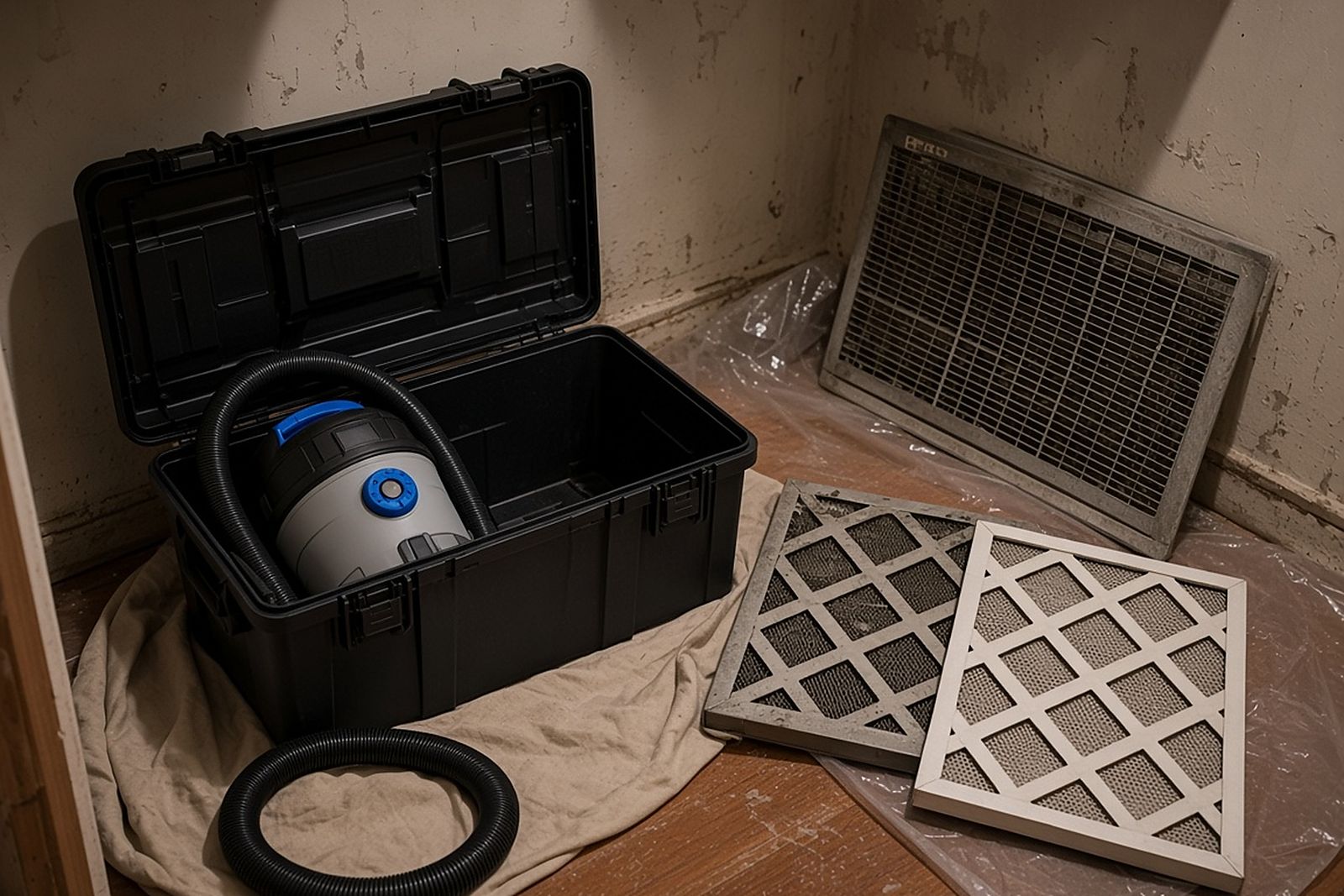
Tear gas is not really a gas. CS and CN are fine solids, and OC is an oily resin. They spread as a mist that settles on every surface it reaches. The residue clings to your fabrics, absorbent materials and ducts. It wakes up again when warmed, dampened or disturbed. A good cleanup removes the dust without throwing it back into the air, uses cleaners that break the agent down and treats soft items and ducts as hiding places.
How to Evaluate Equipment Proposed for Tear Gas Residue Cleanup
Full-face masks, HEPA vacuums, alkaline washes, duct tools and laundering plans. Here is how to judge the equipment a tear gas cleanup crew plans to use in your home.
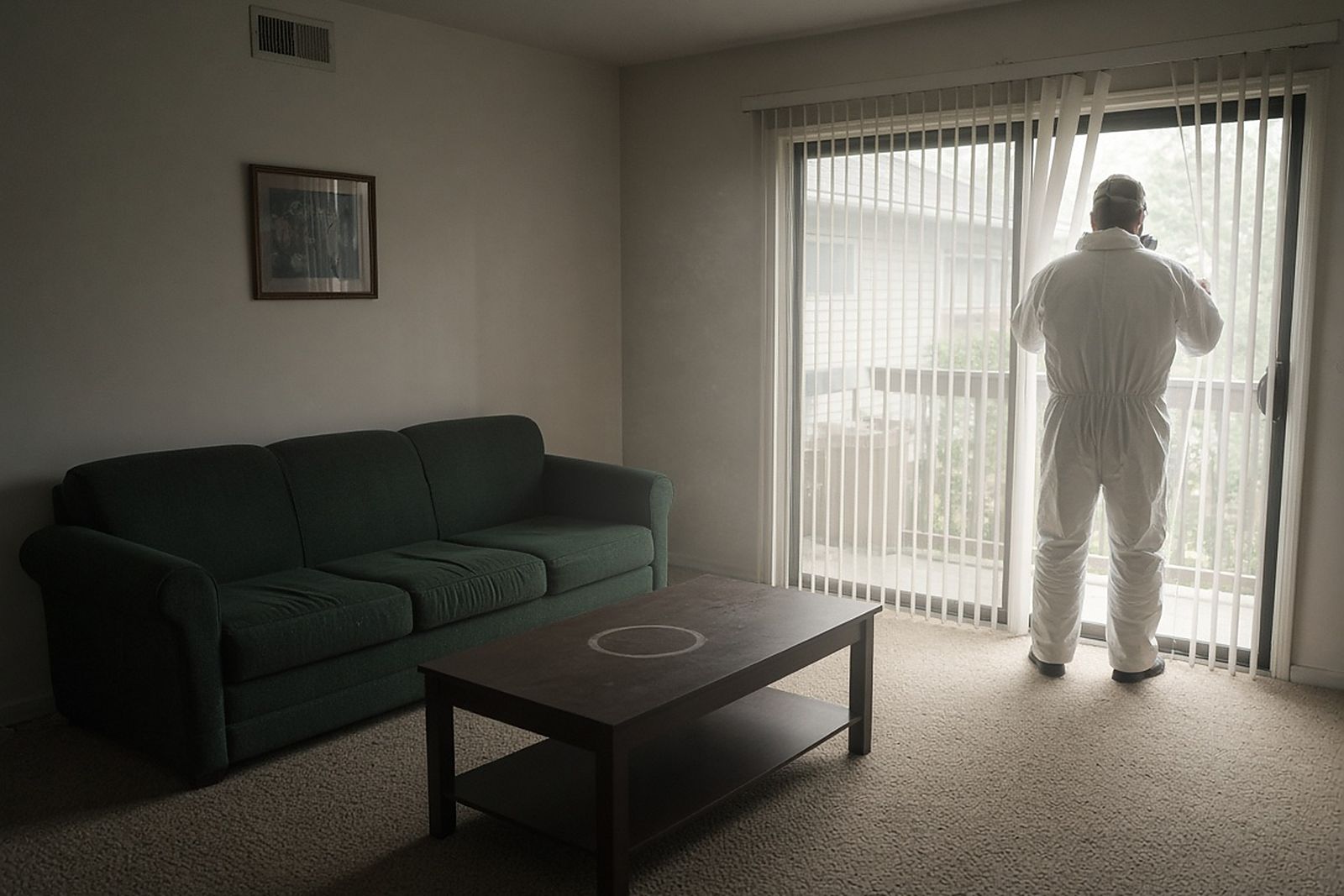
Good equipment matches the agent and your building. Look for full-face respirators with the right cartridges and chemical-resistant suits. Look for HEPA fine-filter vacuums, not ordinary ones, and cleaners chosen for CS powder or OC oil. The crew needs tools to clean or replace heating and cooling parts and a plan to launder or throw out soft items. Fans, ozone and fragrance should never stand in for removing the residue.

The Difference Between Cleaning and Disinfection in Tear Gas Residue Cleanup
Tear gas residue is a chemical irritant, not a germ. See why removing it and using the right cleaners matters far more for your home than any disinfectant.
Disinfectants kill germs. Tear gas agents such as CS and OC are chemical irritants, so disinfectants do little to remove them. Your cleanup depends on physical removal by HEPA fine-filter vacuuming and washing. It depends on cleaners suited to the agent, such as alkaline solutions for CS or degreasers for OC. Soft items that cannot be cleaned are thrown out. Disinfecting matters only if blood or other body fluids are also present.
When ATP Testing Helps—and When It Does Not—in Tear Gas Residue Cleanup
A quick swab test for organic residue cannot find tear gas powder or pepper spray. See when it belongs on your job, what to use in its place and how to read an all-clear claim.
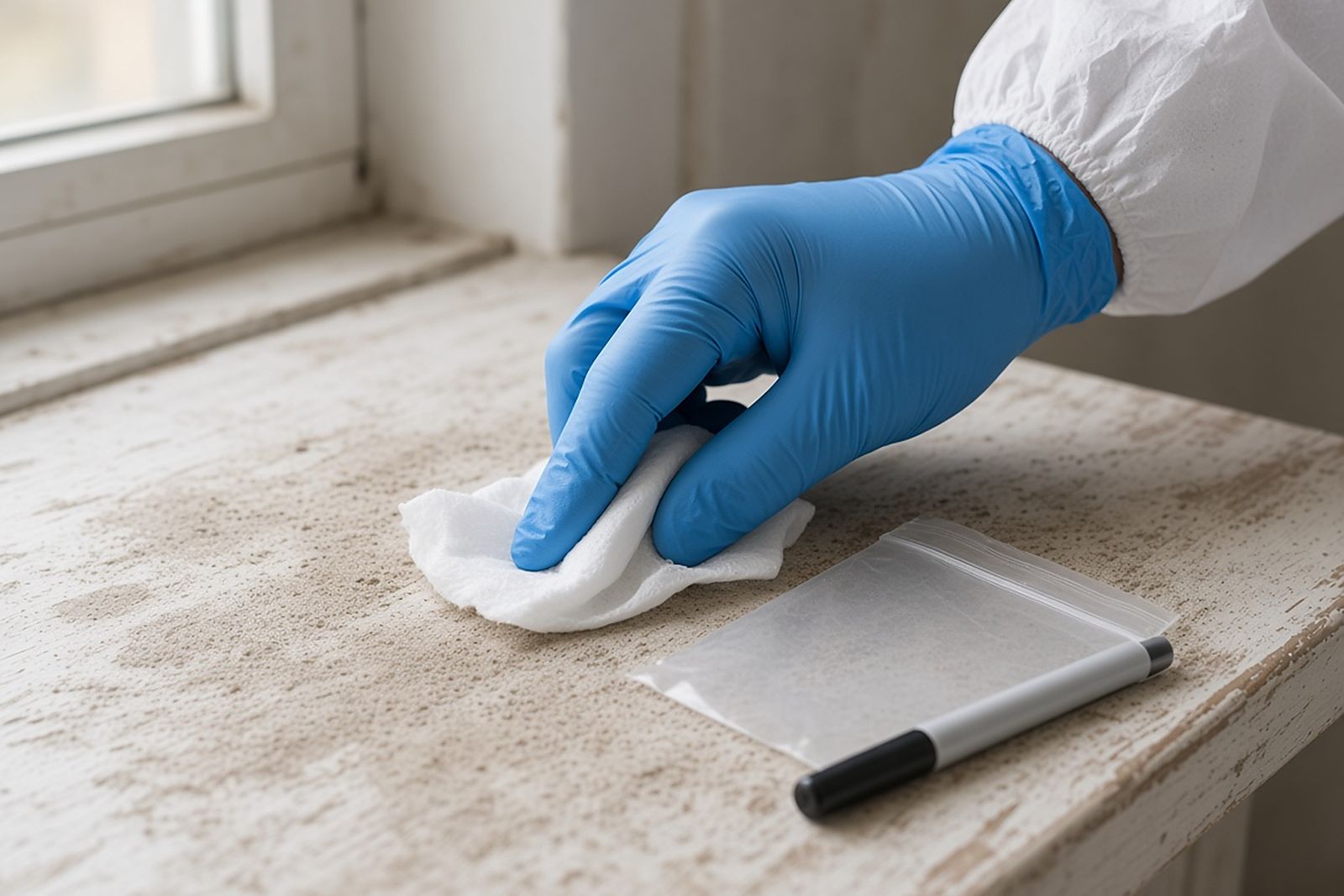
The quick swab test some companies offer finds organic residue from living cells. It does not detect germs, and it cannot tell you whether CS, CN or OC tear gas residue is still on a surface. It may help only where your job also involves blood, spoiled food or other organic mess. For the chemical itself, rely on a careful cleaning process, a walkthrough that checks for symptoms and, where justified, sampling for the specific chemical.
How to Evaluate Technology Used in Tear Gas Residue Cleanup
HEPA air filter machines, ozone, hydroxyl units, foggers and duct robots. Learn how to judge which tools really help remove tear gas and pepper spray residue from your building.
Judge any tool by three tests. Does it catch the agent or break it down chemically? Does it reach the places where residue hides? Is it safe for the people and materials involved? HEPA vacuums, air filter machines and duct cleaning equipment deal with the problem directly. Ozone machines, hydroxyl generators and deodorizing fogs mainly treat odor. They cannot replace physical removal of CS or OC residue.
When Enzymes or Microbial Products Fit Tear Gas Residue Cleanup
Enzyme and microbial cleaners are made for organic messes, not tear gas powder or pepper spray film. Learn where they help on your job and where they fall short.
Enzyme and microbial products digest organic messes such as food, body fluids and pet waste. They are not made to break down CS or CN tear gas, and they are not a proven way to remove oily OC pepper spray residue. On your job they fit only organic side problems, like spoiled food or pet accidents. The agent itself calls for HEPA fine-filter vacuuming, the right cleaning products and removal of soaked soft items.
Facts worth knowing
Among Army recruits at one base in 2012, breathing illnesses were about 2.4 times as common after required CS tear gas exposure as before it.
Why it matters: If you develop a cough or breathing trouble after time in a gassed home, see a doctor; children and older people may react differently.
In a 2020 Portland survey of 2,257 self-selected adults exposed to tear gas, 86.1% reported health issues in the days after exposure.
Why it matters: Symptoms may show up or continue days later, so see a doctor if you still feel unwell after exposure.
The CDC says washing hands with soap cuts the number of people who get sick with diarrhea by 23% to 40%.
Why it matters: Wash your hands with soap after any cleanup or contact with a contaminated area.
Education: common questions
Is pepper spray residue cleaned the same way as tear gas?
Not exactly. Pepper spray is oil based, so it tends to smear across surfaces and may need a degreasing approach, while CS behaves more like a fine powder that must be captured before wiping. Many deployments involve both, which is why knowing the agent matters. A company should explain how their method accounts for each one.
Why do some rooms bother me more than others?
Residue collects where the air carried it and where surfaces trap it. So rooms near canisters or return vents often hold more. So do rooms with thick carpet and padded furniture. Rooms with hard floors and little fabric may feel clearer sooner. Noticing where irritation is strongest is useful to share with whoever plans the cleanup.
Does residue break down on its own over time?
Some of it may break down. But residue stuck in fabric, ducts, and soft materials can last long enough to keep bothering people for a long time. Waiting it out is not a reliable plan. This is most true if anyone in the home is sensitive. Removing it through planned cleaning is the dependable way.
Why is tear gas called a gas when the residue is a powder or oil?
The name comes from how it is delivered, as a cloud or aerosol that spreads through air. The active ingredients are usually fine solids or oily resins suspended in that cloud. Once the cloud settles, what remains is a film or dust on surfaces and fabrics. That residue, not the original cloud, is what cleanup crews need to remove.
How does the weather outside affect residue inside my home?
Indoor residue is sheltered from rain and sunlight. So it tends to last longer than residue outdoors. Outdoor humidity and heat can still matter. Warm or damp days may make indoor residue more irritating when windows are open or the air system runs. If symptoms seem worse on certain days, note the weather and share the pattern with your provider.
Can residue transfer from clothing to furniture or bedding?
Yes. Clothing worn during or after exposure can carry powder or oil onto couches, beds and car seats. That is why people are advised to change and bag clothing before entering clean areas. If transfer has already happened, add those items to the list for cleaning or evaluation. Washing hands and changing clothes before sitting down helps keep residue from spreading.
Where can I learn more about the specific agent used in my case?
Start with the police agency that came. It may share the type of gas through an incident report or a records request. Poison control centers can answer health questions about each type of gas. Your cleanup company may know the type of residue from how it looks and acts. General articles on this site explain how CS, CN, and OC differ, and why that affects cleaning.
Related community polls
Vote to see how other people answered. You can change your answer at any time.
How did tear gas end up in your building?
What was the first thing you tried to reduce the irritation?
More on tear gas residue cleanup
Tear Gas Residue Cleanup services
Learn what professional tear gas cleanup involves. It covers HEPA removal, the right chemicals, air system checks, choices about soft items, and safe return checks.
Costs explained
What drives the price, published cost ranges, and how to read a written quote line by line.
Insurance and payment
Which policies may respond, how to document a claim, and what to do if coverage is denied.
Planning tools
Use planners and checklists that walk you through the first day. They help you judge the risk of doing it yourself and get ready to talk with companies, landlords, and insurers.
Community polls
Compare your experience with other tenants, owners, and managers who dealt with tear gas residue. See which choices they found hardest afterward.
Knowledge quiz
Check what you know about how CS and OC residue behaves, why the air system matters, and what a thorough cleanup and its records should include.
Field guides
Read detailed guides on where residue hides, breaking it down versus cleaning it, who does what as landlord or tenant, and what a written cleanup plan should say.