Free tear gas residue cleanup tool
Tear Gas Residue Cleanup Company Vetting Checklist
Fifteen questions to ask any cleanup company, a score that shows how ready you are to hire, and a list of what is still unanswered.
Many cleaning companies will say yes to a tear gas job, and some of them have never handled one. This residue calls for certain chemicals, HEPA methods, breathing protection, and a plan for the air system. So the questions you ask before hiring decide whether the problem is solved or just moved around. This checklist gives you a set of questions. They cover the company's proven experience with CS and OC residue and the products they use and why. They cover how they do dry removal before wet work and how they handle return vents and ducts. They also cover their written rules for cleaning or replacing soft items, their checks before return, their waste handling, and their insurance. As you confirm each item, tick it off and watch the readiness score.
The checklist does not check anyone for you, and this network does not certify companies. It gives you the words and the order to do the checking yourself. That is the only kind of checking that protects you. A confident voice on the phone is not a credential. These things are: a clear account of alkaline cleaning for CS residue, a named breathing protection program, an insurance certificate you can read, and a sample final report. Companies who have done this work for property managers and adjusters answer these questions easily. Those who switch to talk of fragrance, fogging, or general disinfecting have told you they are not the right fit. Copy your open questions and send them in writing, so the answers become part of your record.
How to use it
- 1Read every question first so you recognize a vague answer when you hear one.
- 2Ask each question and tick it only when the reply was specific and, where possible, backed by a document.
- 3Check your readiness score and note which areas, such as HVAC or soft goods, remain unconfirmed.
- 4Copy the open questions, send them to the company, and keep the written replies with your project file.
Prefer to ask a person?
Your request is sent to the follow-up inbox. A coordinator can reply by email. Not for emergencies; call 911 first if anyone is in danger.
Check a company before you sign
Tear Gas Residue Cleanup provider vetting checklist
Start with the questions specific to this kind of job. Tick each one once the provider has answered it in writing or shown you the document. Your progress stays on this device only.
Readiness: 0 of 21 confirmed (0%)
21 questions still need a written answer. Copy the list and send it to the provider before you sign anything.
A worked example
Picture a made-up owner of a small shop. During a street protest, canisters hit the area outside her store. Gas was pulled inside through the door and the rooftop air unit. She calls two companies with the checklist open. The first calls itself a full-service restoration firm. It offers to fog the space and replace the filter. She asks what chemicals they use for CS residue. They say a general disinfectant, so she leaves that item unticked. She asks how they will handle the ceiling tiles and the fabric display panels. They say they will wipe them down, so she leaves the soft items question open too. The second company describes HEPA vacuuming of settled particles before any wet work. It names an alkaline cleaning method for the hard surfaces. It explains that the soft ceiling tiles and fabric panels are usually replaced. It also outlines a check of the rooftop unit's return path. They email an insurance certificate that lists pollution coverage. Her readiness score for the second company is high. Only a question about waste records is still open, and she sends it in writing. She saves the comparison with her file. Later it helps her explain to her adjuster why she chose the more thorough scope.
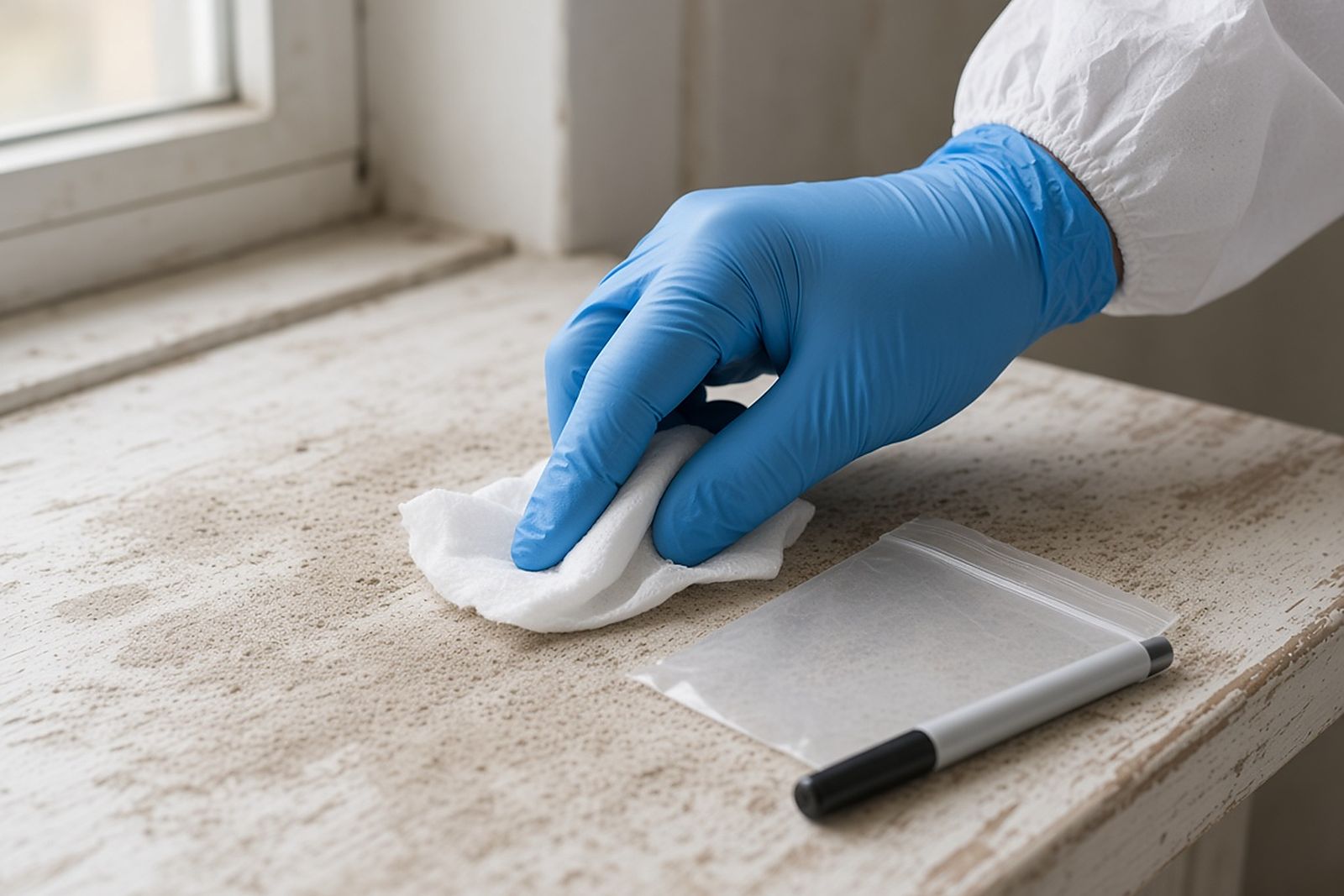
Facts worth knowing
In lab tests, CS tear gas dissolved in neutral water breaks down by half in about 15 minutes, but in a mildly alkaline solution it takes about 1 minute.
Why it matters: Ask what cleaning solution your company uses; plain water may work slowly, and dry residue in carpet or walls can be harder to remove.
The CDC says sanitizing lowers germs to levels considered safe, disinfecting kills remaining germs, and cleaning always comes first.
Why it matters: When you compare quotes, check which of these steps each company actually includes.
The CDC says cleaning alone removes most harmful germs from surfaces, and disinfecting kills the germs left after cleaning.
Why it matters: Disinfectant sprayed over a dirty surface may not be enough, so ask whether your surfaces will be cleaned first.
Company Vetting Checklist questions for tear gas residue cleanup
What does a readiness score tell me?
It counts the checklist items you have confirmed. It gives more weight to the questions that matter most for this hazard. These are chemicals suited to the gas, HEPA steps in the right order, the air system plan, rules for soft items, breathing protection, and insurance. It measures how complete your checking is, not how good the company is in general. A low score means key questions are still open, and work should not start yet. A high score means you have clear answers to hold the company to.
Should a tear gas company have biohazard training too?
It helps when people were also hurt during the event. Blood or other fluids may be present, and they need separate handling under the bloodborne germ rule. For the chemical residue itself, what matters is a breathing protection program and chemical response training where the situation calls for it. One example is HAZWOPER, a hazardous waste safety training. Proven experience with tear gas matters too. Ask about both. Expect the company to explain what they would do if they find blood or body fluids.
Why does the checklist ask about the order of dry and wet cleaning?
Because doing it backwards spreads the problem. CS residue is a fine powder. Wet-mopping or spraying it before HEPA removal smears it into grout, fabric, and cracks. It can also push it deeper into soft materials. A company who describes HEPA vacuuming first, then the right chemicals on hard surfaces, understands the material. One who starts with fogging or a wet wipe-down of everything may be using a standard cleaning habit on a chemical problem.
What insurance should I ask to see?
Ask for a current insurance certificate. It should show general liability, pollution coverage, and workers comp for the company's staff. Pollution coverage matters because this is chemical cleanup, and a general cleaning policy may not cover it. Check the dates and the name of the insured company. If the property is a business or has many units, ask your manager or owners' group whether certain limits are required. Also ask whether you must be added as an insured party.
Is it reasonable to ask for references from similar jobs?
Yes, most of all for a hazard as unusual as this one. A company who has handled gas events in homes, apartments, or stores should be able to describe those jobs in general terms. They should explain what they learned about air systems and soft items. With permission, they may connect you with a past client or property manager. If their answers stay vague or shift to unrelated water and fire work, they likely have little experience with tear gas residue.
What should I do if a company answers most items well but misses one important one?
Ask about the missed item directly. Give the company a chance to explain or change the plan. A gap, such as no mention of the return vents, may be a simple oversight that is easy to fix in writing. If the answer stays vague or the company brushes off the concern, give that a lot of weight. This matters most for the air system, soft items, and checks before return. Those are where tear gas jobs most often fall short.
Can I use the checklist with a company my insurer or landlord already chose?
Yes. You can still ask the same questions and request answers in writing, even if you did not pick the company. Share any concerns with whoever made the choice, pointing to the specific items that were unclear. The goal is not to replace the company but to make sure the plan covers agent type, sequencing, ductwork and soft goods decisions before the crew starts working in your home.
Related community polls
Vote to see how other people answered. You can change your answer at any time.
How did tear gas end up in your building?
What was the first thing you tried to reduce the irritation?
Other tear gas residue cleanup tools
Cost Range Estimator
Set the affected area, surface types, severity and extras to see a rough cost range and what pushes it up or down.
OpenInsurance Claim Organizer
A guided checklist from finding the policy to tracking the insurer’s decision, with a printable summary of where the claim stands.
OpenFirst 24 Hours Planner
Tell the planner a few facts about the situation and get an ordered list of who to call, what not to touch, and what to photograph.
OpenWaste & Disposal Classifier
Five questions about the material point to the likely waste category and which authority to confirm the rules with.
OpenDIY or Call a Pro? Risk Check
Eight yes-or-no questions that produce a risk level and explain when professional help is the safer choice.
OpenMore on tear gas residue cleanup
Tear Gas Residue Cleanup services
Learn what professional tear gas cleanup involves. It covers HEPA removal, the right chemicals, air system checks, choices about soft items, and safe return checks.
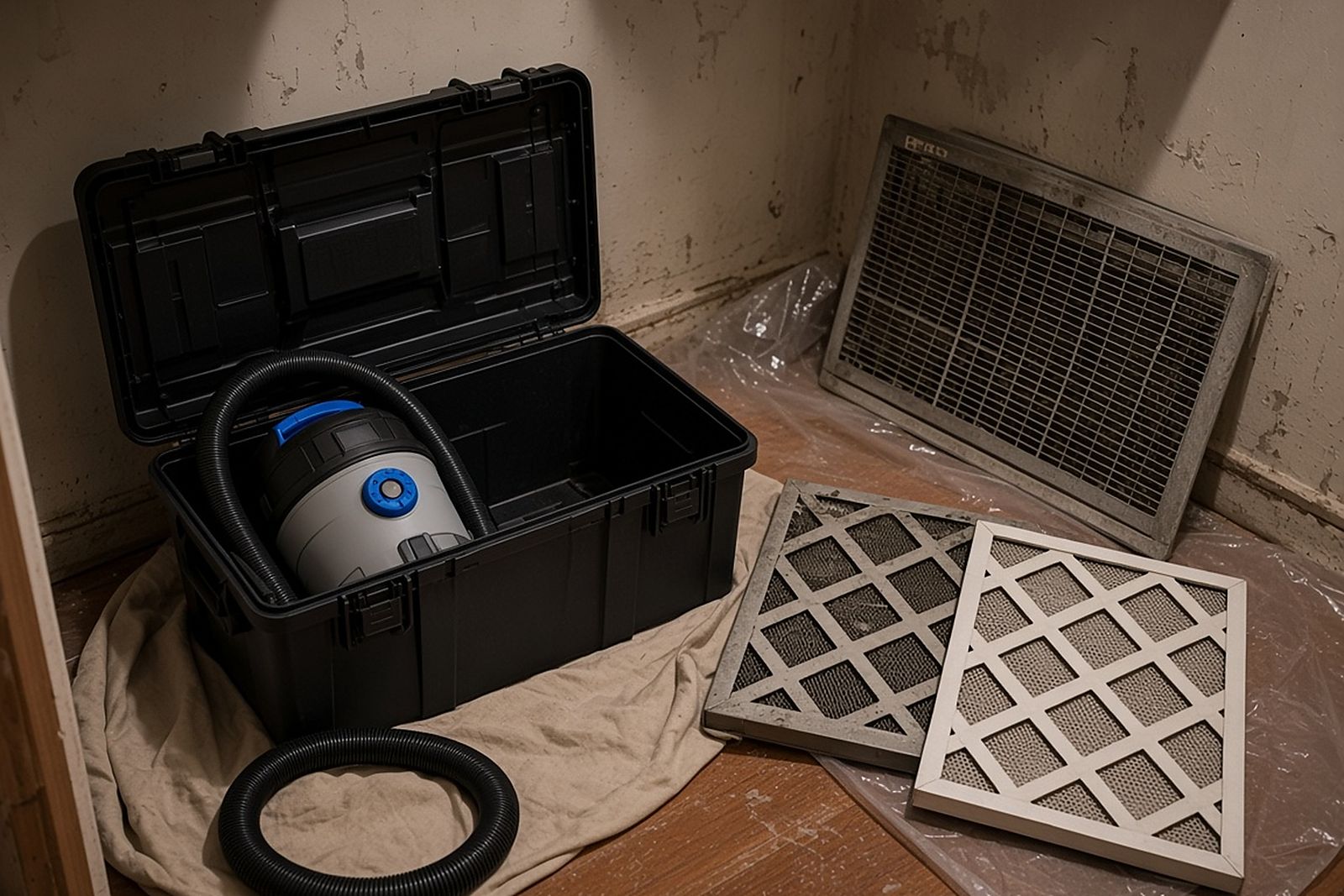
Costs explained
What drives the price, published cost ranges, and how to read a written quote line by line.

Insurance and payment
Which policies may respond, how to document a claim, and what to do if coverage is denied.
Community polls
Compare your experience with other tenants, owners, and managers who dealt with tear gas residue. See which choices they found hardest afterward.
Knowledge quiz
Check what you know about how CS and OC residue behaves, why the air system matters, and what a thorough cleanup and its records should include.
Articles and resources
Read articles on how tear gas acts in buildings, lessons from home and business cleanups, and how cleanup methods keep changing.
Field guides
Read detailed guides on where residue hides, breaking it down versus cleaning it, who does what as landlord or tenant, and what a written cleanup plan should say.