Does Insurance Cover Tear Gas Residue Cleanup?
Sorting out which policy may help after a chemical agent release
Few people expect to file an insurance claim because a chemical irritant was released in their home. When it happens, questions pile up fast. Whose policy applies? Does police activity change anything? How do you prove what was damaged? This guide covers the types of policies that may help and the exclusions to watch for. It also covers how to keep a claim moving.
Get an email reply about tear gas residue cleanup
Send a short message to the follow-up inbox. A coordinator can reply by email. This form does not send emergency help; call 911 first if anyone is in danger.
Which insurance policies might respond to tear gas contamination?
For homes the owner lives in, a homeowners policy is usually the first place to look. Coverage depends on how the policy defines covered causes of loss, called perils. It also depends on whether the release fits one of them. Renters policies may cover personal belongings and extra living costs. The building itself stays the landlord's job under a landlord or dwelling fire policy. Condo owners may also need to work with the association's master policy.
Businesses usually turn to commercial property coverage. Some carry business interruption coverage that may pay for lost income while a space is closed. A pollution liability policy is less common for small owners but can matter in some business settings. If workers were exposed on the job, workers' comp may pay for their medical care. But it does not pay to clean the building. Many households and businesses find that more than one policy is involved.
- Homeowners or condo unit-owner policy
- Renters policy for belongings and a temporary place to stay
- Landlord or dwelling fire policy for rental buildings
- Commercial property and business interruption coverage
- Pollution liability in some business cases
- Workers' comp for workers who were exposed, not cleanup
Does a law enforcement deployment change how a claim is handled?
It often does. Some policies exclude damage caused by government action or acts of civil authority. Insurers may point to that wording when a release happened during a police operation. Other policies say nothing about it or define the exclusion narrowly. Reading the actual wording, not a summary, is the only way to know how your policy treats the situation.
Separately, the agency involved may have its own claims process for property damaged during an operation. Results vary a lot, and people have sometimes gotten only partial help. Westword reported one well-known case in 2019. In 2015, a SWAT standoff in Greenwood Village, Colorado used tear gas and explosives on an innocent family's home. The city offered only $5,000 toward the insurance deductible, and courts denied further payment. Treat any claim with an agency as one possible path, not a sure thing.

What exclusions commonly come up?
Pollution or contamination exclusions often come up in chemical residue claims. Many property policies limit or exclude coverage for releases of irritants, chemicals, or pollutants. An adjuster may argue that a riot-control agent fits that definition. Some policies give back limited coverage when the release comes from a covered cause of loss. So the full chain of events matters. Describing that sequence clearly in your claim can make a real difference.
Other exclusions to review include acts done on purpose by an insured person and damage from crimes by a household member. Slow wear and damage over time is another. If the person barricaded inside was a tenant or guest, questions about who caused the loss can affect how the claim is handled. Ask the adjuster to name the exact policy wording behind any limit. Then you can review it yourself or with an adviser.
How should you document a tear gas residue claim?
Start before anything is moved. Take photos and video of every room. Include canisters, spent rounds, broken windows, powder on surfaces, and stains on fabric. Take close-ups and wide shots so the adjuster can see both detail and context. If officers left paperwork, a copy of a warrant, or an incident number, keep it with your claim file. Write down the date and time you first went back in and what you saw. Memories fade fast under stress.
Write down how you and others have been affected. Note burning eyes, coughing, skin irritation, and any doctor visits. Keep receipts for hotels, meals, pet boarding, and replacement basics. Ask your cleanup company for an itemized work plan and photos of each room. Ask for a written list of soft goods that shows what was cleaned, what was thrown out, and why. That record often carries more weight than anything else you send.
How can you work effectively with the adjuster?
Report the loss right away. Ask for the claim number, the adjuster's name, and the best way to reach them. Invite the adjuster to inspect before evidence that can't be replaced is removed. But don't put off basic protective steps, like securing broken doors. Most policies expect you to prevent more damage. Ask whether the adjuster wants to be there when soft goods are removed. Then there is no dispute later about their condition.
Share your provider's scope and ask the adjuster to explain any line they question. If the adjuster wants a different vendor or a smaller plan, ask for the reason in writing. Ask whether it covers the air system and soft goods. Keep a simple log of every call, email, and visit. Clear, organized contact rarely settles a disagreement on its own. But it keeps small mix-ups from growing into one.
What should you do if your claim is denied?
Ask for the denial in writing, with the exact policy terms it relies on. Read those terms carefully. A denial may rest on an exclusion that doesn't quite fit your facts. You can usually ask the insurer to reconsider and send more proof. That might be expert statements about how the residue spread. It might be proof that the loss followed a covered event. Organize that proof clearly so a reviewer can follow it.
If that doesn't work, you may have other options. The policy's appraisal clause can settle disputes about the amount. You can file a complaint with your state insurance department, or talk with a lawyer or licensed public adjuster. Deadlines for these steps can be strict, so write them down as soon as a denial arrives. Rules vary by state and county; verify with the local authority. Keeping every letter and email together makes each step easier.
What other funding sources might help?
If the release was tied to a crime in which you were a victim, your state's crime victim compensation program may be worth contacting. Programs differ in what they pay back. Property cleanup is sometimes excluded. But some cover related costs like moving or counseling. Ask the program directly and keep copies of every paper you send. An advocate from a local victim services office can often help with the application.
The police agency or city involved may accept property damage claims. Some communities have local funds to help residents hit by emergencies. Landlords may have to pay for cleaning the building under the lease or local housing codes. Trying several paths at once, while keeping careful records, gives you the best chance of covering what insurance doesn't.
Keep the claim organized
Tear Gas Residue Cleanup insurance claim organizer
A checklist to keep the claim orderly. It stores nothing on our servers; copy the summary to your own notes.
0 of 18 steps recorded (0%)
Print or paste the summary into your own records. Coverage is the carrier's decision under the policy; keep every answer in writing.
Open the full tool page for a worked example and more answers.
Facts worth knowing
After a 2015 police standoff wrecked an innocent family's Colorado home with tear gas and explosives, the city offered only $5,000 toward their insurance deductible, and courts denied more.
Why it matters: Do not count on the police agency to pay for your damage; check what your own home insurance policy covers.
One January 2025 cost guide puts the average U.S. biohazard cleanup at about $4,000, usually $3,000 to $5,000, with extremes from $1,500 to $25,000.
Why it matters: Use this range to sanity-check a quote, but expect your price to depend on the size of the job and local rates.
In 2024, OSHA's top fines were $16,550 for each serious violation and $165,514 for each willful or repeated one.
Why it matters: If you have your own staff clean up blood or chemicals without required training and gear, you may face fines like these.
Insurance questions about tear gas residue cleanup
Will my renters insurance pay for my clothes and furniture?
It may, depending on the policy's covered causes and exclusions. Renters policies mostly protect personal belongings. Some also pay extra living costs when a home can't be used. Whether a chemical release qualifies depends on the exact wording. That includes any pollution or government action exclusions. Report the loss and record every affected item. Ask the insurer to explain in writing how the policy applies to you.
Should I file with the police department or my insurer first?
Many people do both at the same time. Filing with your insurer right away helps you meet the reporting deadlines in your policy. A claim with the agency may run on its own timeline. Tell each one about the other claim, because money from one may affect what the other pays. Keep copies of everything you send to both, and track each deadline separately.
Does a pollution exclusion automatically mean no coverage?
Not always. Pollution exclusions vary in scope. A few policies restore some coverage if the release was caused by something the policy does cover. Courts in different states have read similar wording in different ways. Ask the adjuster to name the exact clause and read it closely. Think about getting help from a licensed professional if a lot of money is at stake. Do the same if the reasoning doesn't seem to fit your facts.
What if the person inside was my tenant?
When a tenant's actions led to the release, the landlord's policy may treat the loss differently than if an outsider caused it. The lease may also let the landlord seek damages from the tenant. The landlord's insurer will likely want details about what happened and any police involvement. Record the timeline carefully. Ask your insurer how the tenant's role affects the claim before you assume anything.
Can my employer's workers' compensation cover my medical bills?
If you were exposed while working, workers' comp may pay for related medical care and lost wages. This depends on your state's rules and the facts. It usually does not pay to clean the workplace itself. That usually falls under the employer's property coverage. Report the exposure to your employer right away and get medical care. Rules vary by state and county; verify with the local authority.
Should I hire a public adjuster?
A licensed public adjuster works for you, not the insurer. They can help prepare and negotiate a claim, usually for a share of the settlement. Some people find this helpful for complex or disputed claims. This is most true when both the building and belongings are involved. Before signing, check their license with your state and read the contract carefully. Make sure you understand exactly how and when the fee is figured.
How long should I keep my claim records?
Keep everything until the claim is fully settled, and ideally long after. Future buyers, new tenants, or a later insurer may ask about what happened. A full file showing what was cleaned can answer those questions fast. Keep photos, the company's final report, letters with the insurer and any agency, and receipts. Store them on paper and digitally so nothing is lost if one copy goes missing.
What other people in your situation chose
Vote to see how other people answered. You can change your answer at any time.
How did tear gas end up in your building?
What was the first thing you tried to reduce the irritation?
More on tear gas residue cleanup
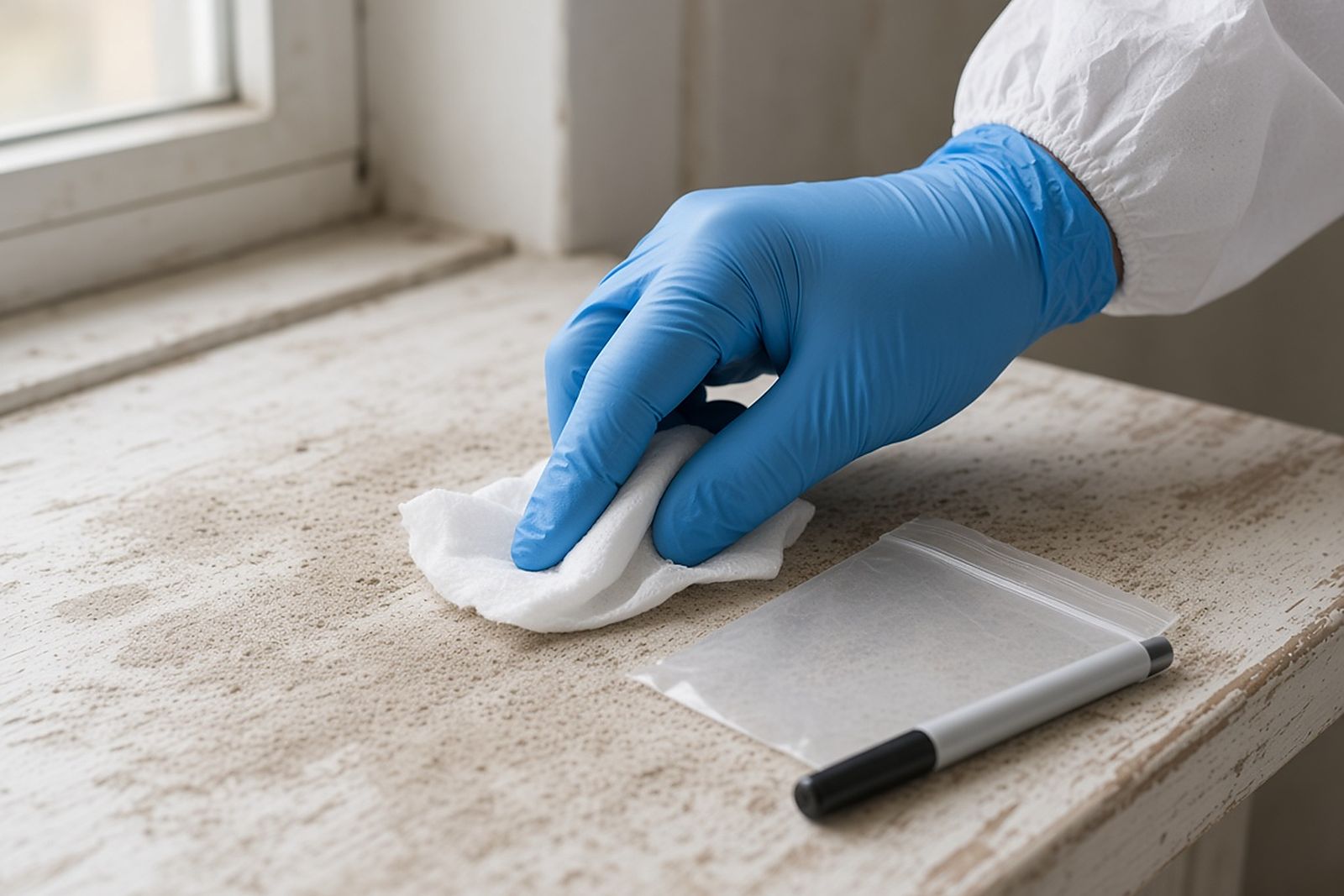
Tear Gas Residue Cleanup services
Learn what professional tear gas cleanup involves. It covers HEPA removal, the right chemicals, air system checks, choices about soft items, and safe return checks.
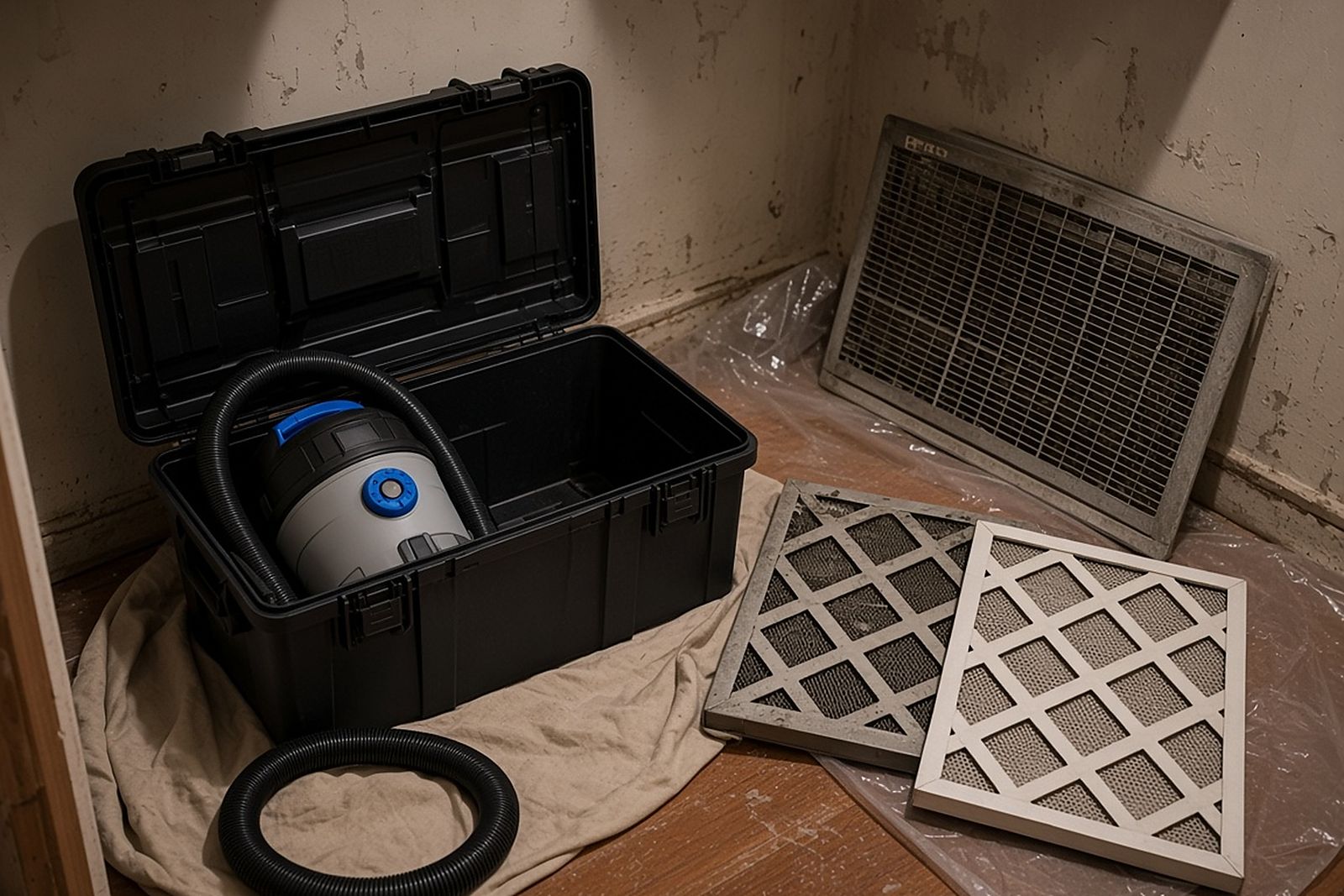
Costs explained
What drives the price, published cost ranges, and how to read a written quote line by line.
Planning tools
Use planners and checklists that walk you through the first day. They help you judge the risk of doing it yourself and get ready to talk with companies, landlords, and insurers.
Community polls
Compare your experience with other tenants, owners, and managers who dealt with tear gas residue. See which choices they found hardest afterward.
Knowledge quiz
Check what you know about how CS and OC residue behaves, why the air system matters, and what a thorough cleanup and its records should include.
Articles and resources
Read articles on how tear gas acts in buildings, lessons from home and business cleanups, and how cleanup methods keep changing.
Field guides
Read detailed guides on where residue hides, breaking it down versus cleaning it, who does what as landlord or tenant, and what a written cleanup plan should say.