Free tear gas residue cleanup tool
Tear Gas Residue Cleanup Waste & Disposal Classifier
Five questions about the material point to the likely waste category and which authority to confirm the rules with.
Tear gas cleanup creates a surprising amount of material. There are loaded air filters and the contents of HEPA vacuums. There is carpet and padding, padded furniture, drapes, and soft ceiling tiles. There are cleaning cloths, protective clothing, and sometimes drywall. None of it is biological waste. So the medical waste rules that apply to blood cleanup usually do not fit. But it is also not always regular household trash. This is most true for large business loads or when other chemicals were involved. This tool asks a few short questions about the material. What is it? Is it heavily loaded or lightly exposed? Is anything else mixed in? Has it been bagged and sealed? Did it come from a home or a business? Then it suggests a likely category and names the office to check with.
The word likely matters. Disposal rules vary by state and county. The tool cannot know the exact wording your area uses for soiled debris. Treat the result as a clear question to ask your state environmental agency, your local trash authority, or a licensed waste hauler. Companies who often handle tear gas residue should be able to explain how they sort each type of waste and where it goes. They should bag materials inside the sealed work area, so removal does not stir residue into the air in the hallway. If a company cannot describe the path from your living room to the disposal site, settle that question before work begins. Sorting waste wrong in either direction has costs. A few minutes of checking is worth it.
How to use it
- 1Describe the material as it is, such as a loaded filter, cut carpet, or cleaning cloths, and how heavily it was exposed.
- 2Say whether anything else is mixed in, such as fire-fighting chemicals, blood, or body fluids.
- 3Note whether the material has been bagged and sealed and whether it came from a home or a commercial space.
- 4Read the suggested category and the office to check with. Then confirm with that office or your provider's waste company.
Prefer to ask a person?
Your request is sent to the follow-up inbox. A coordinator can reply by email. Not for emergencies; call 911 first if anyone is in danger.
Work out the likely waste path
Tear Gas Residue Cleanup waste and disposal classifier
Points you to the likely waste category and who confirms the rule. State and local definitions control; verify before anything leaves the property.
Likely regulated medical waste (biohazard)
- Materials saturated with blood or other potentially infectious material, or that would release liquid if compressed, are treated as regulated medical waste in most states.
- Packaging usually means red bags inside rigid containers, labeled with the biohazard symbol, and a licensed transporter with a manifest.
Who confirms the rule
- State health or environmental agency (regulated medical waste program)
- The remediation provider, who should name the transporter and treatment facility in writing
This is an educational sorting aid, not a regulatory determination. Waste rules vary by state and county.
A worked example
Imagine a made-up apartment manager. He is overseeing cleanup after gas was used in a corner unit. It also reached the hallway and the floor's shared return vent. The company is bagging materials, and the manager uses the tool for each type. For the loaded return filter and the HEPA vacuum bags, the tool suggests soiled solid waste. Many places accept this as regular trash once it is sealed. Because the building is a business property, the tool tells him to check with the state environmental agency. For the hallway carpet and the unit's padding, the tool gives a similar category. But it flags the large amount. It suggests asking whether the hauler needs special handling for bulk soiled debris. The manager notes that the tenant was also hurt, and a small amount of blood is on the bedroom carpet. The tool right away separates that material. It shows that regulated medical waste is likely for the soaked parts. It points to the bloodborne germ rules and the state agency. For the used protective suits and cloths, it suggests regular sealed trash. The manager records each category. He asks the company to match them in the final report. He keeps the hauler's confirmation in the building's incident file.
Facts worth knowing
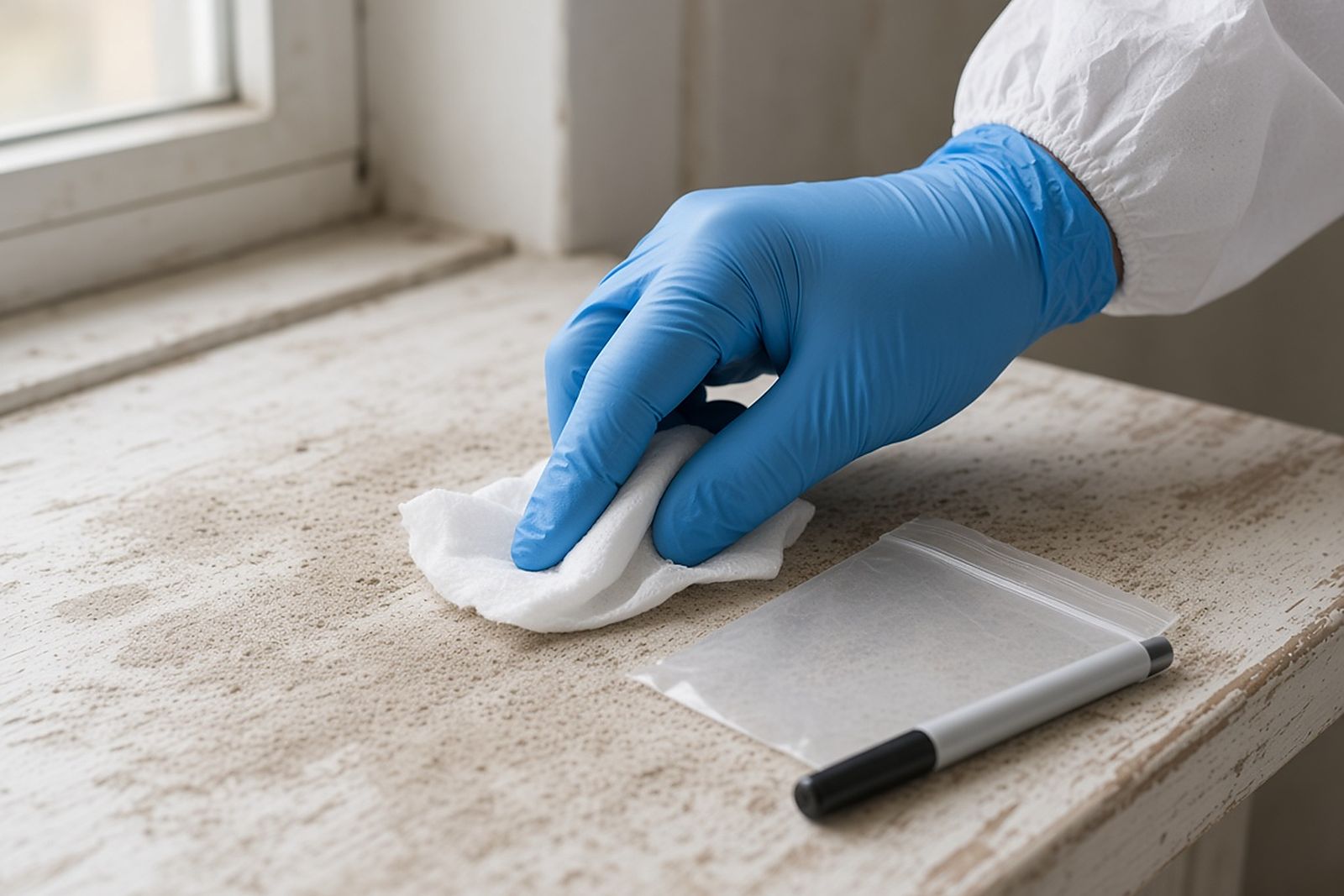
EPA recommends keeping indoor humidity below 60 percent, ideally between 30 and 50 percent, to limit mold growth.
Why it matters: An inexpensive humidity meter lets you check whether your home has dried enough after a cleanup or leak.
In lab tests, CS tear gas dissolved in neutral water breaks down by half in about 15 minutes, but in a mildly alkaline solution it takes about 1 minute.
Why it matters: Ask what cleaning solution your company uses; plain water may work slowly, and dry residue in carpet or walls can be harder to remove.
US employers must offer the hepatitis B vaccine within 10 working days of giving a worker a job with exposure to blood.
Why it matters: If your own staff will clean up blood, this duty may apply to you; ask a cleanup company whether its crews were offered the vaccine.
Waste & Disposal Classifier questions for tear gas residue cleanup
Is tear gas debris hazardous waste?
In most homes, soiled debris that is bagged and sealed is treated as regular trash. But the rules vary by state and county, and they can differ for large business loads. Hazardous waste rules become more likely when unused devices, concentrated gas, or other chemicals such as solvents are involved. The tool asks about those factors and always points you to the office that can confirm. Do not assume either answer without checking.
Why should filters be bagged before they leave the building?
A loaded filter is a concentrated reservoir of residue, and carrying it uncovered through a hallway shakes particles loose along the route. Bagging it at the point of removal, sealing the bag, and wiping the outside keeps the corridor and the next room clean. The same logic applies to carpet, drapes, and cushions. Ask your provider to describe how materials will be packaged inside containment before they move.
Can I put contaminated curtains and cushions in the regular trash myself?
Some local rules allow sealed, soiled fabrics in regular trash. Even so, handling them yourself exposes you to the residue. It also risks spreading it through your home on the way out. If you must do it, wear gloves and eye protection. Bag items where they are, seal the bag, and take it straight outside. It is better to let the company remove them inside the sealed work area. Check your local rules before you throw anything out.
What if the event also involved blood or other bodily fluids?
Then two different sets of rules apply to different materials. Items soaked with blood or other body fluids that can carry disease usually fall under medical waste rules and the bloodborne germ standard. They need labeled containers and a licensed hauler. Items soiled only with tear gas residue follow the regular waste path. The tool separates them when you say blood or body fluids are present. Your provider should do the same in the work plan and final report.
What records should I get about disposal?
For regular trash, a note in the final report is usually enough. It should list what was removed, how it was packed, and where it went. For any regulated waste, expect a waste shipping record or tracking paper that names the hauler and where the waste went. Keep these with photos of the items taken before removal. Insurers looking at soft item replacement will want that record. So will tenants asking what happened to their belongings.
How should I store bagged items while I wait for disposal or an adjuster visit?
Keep sealed bags in a space away from where people live and breathe, such as a garage, shed or covered outdoor area protected from rain and animals. Label each bag with its contents and the room it came from. Avoid stacking bags where heat or sunlight may warm them. If storage is not practical, photograph items thoroughly and ask your insurer or company whether disposal can go ahead.
What should I do with items I want to keep but cannot clean yet?
Bag them separately from items headed for disposal and label them clearly as keep. Store them away from living areas until the company can advise on cleaning. Avoid opening the bags indoors, since that can release residue into clean rooms. When cleaning is possible, open bags outside or in the crew's work zone. Note these items in your records so they are not discarded by mistake.
Related community polls
Vote to see how other people answered. You can change your answer at any time.
How did tear gas end up in your building?
What was the first thing you tried to reduce the irritation?
Other tear gas residue cleanup tools
Cost Range Estimator
Set the affected area, surface types, severity and extras to see a rough cost range and what pushes it up or down.
OpenCompany Vetting Checklist
Fifteen questions to ask any cleanup company, a score that shows how ready you are to hire, and a list of what is still unanswered.
OpenInsurance Claim Organizer
A guided checklist from finding the policy to tracking the insurer’s decision, with a printable summary of where the claim stands.
OpenFirst 24 Hours Planner
Tell the planner a few facts about the situation and get an ordered list of who to call, what not to touch, and what to photograph.
OpenDIY or Call a Pro? Risk Check
Eight yes-or-no questions that produce a risk level and explain when professional help is the safer choice.
OpenMore on tear gas residue cleanup
Tear Gas Residue Cleanup services
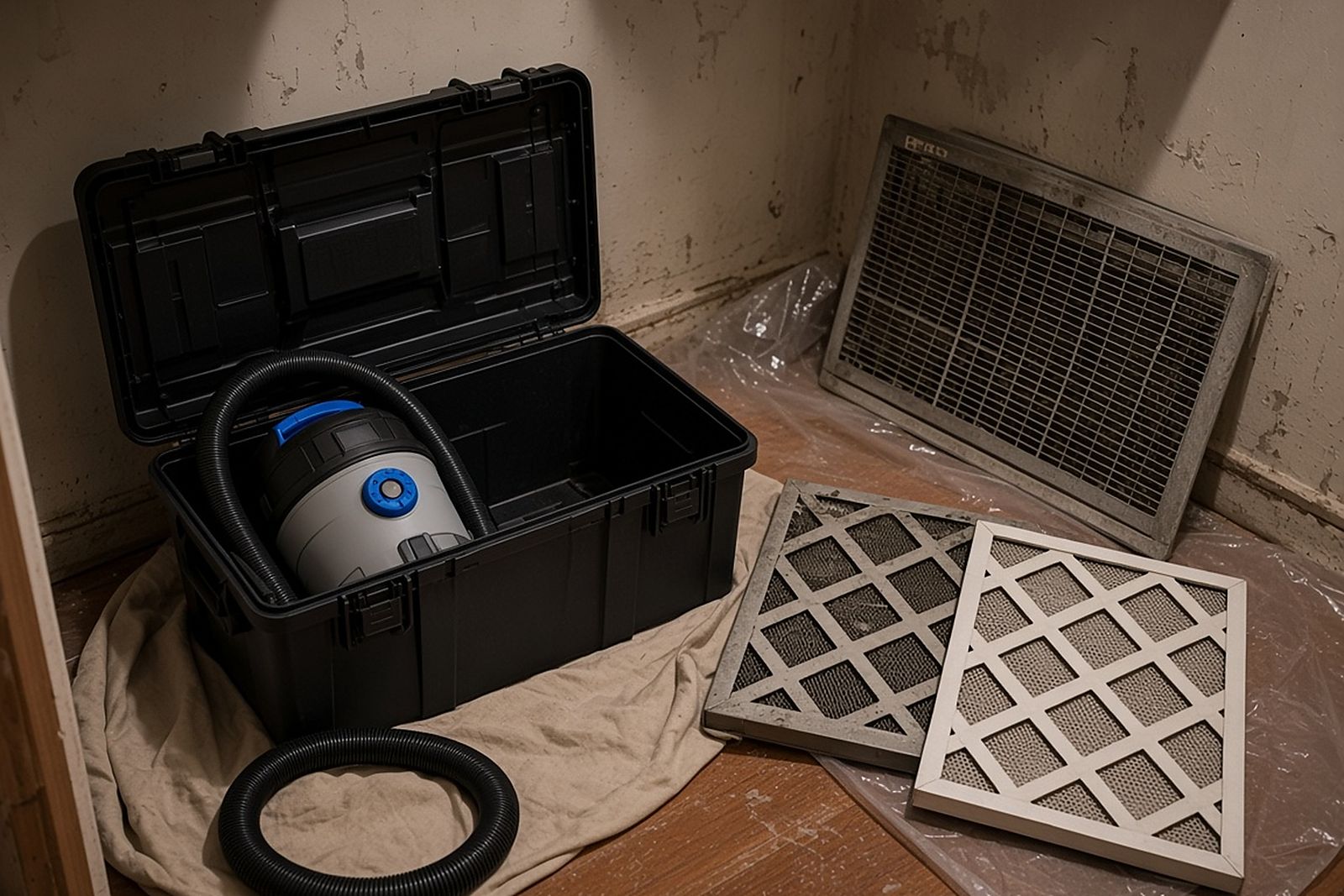
Learn what professional tear gas cleanup involves. It covers HEPA removal, the right chemicals, air system checks, choices about soft items, and safe return checks.
Costs explained
What drives the price, published cost ranges, and how to read a written quote line by line.

Insurance and payment
Which policies may respond, how to document a claim, and what to do if coverage is denied.
Community polls
Compare your experience with other tenants, owners, and managers who dealt with tear gas residue. See which choices they found hardest afterward.
Knowledge quiz
Check what you know about how CS and OC residue behaves, why the air system matters, and what a thorough cleanup and its records should include.
Articles and resources
Read articles on how tear gas acts in buildings, lessons from home and business cleanups, and how cleanup methods keep changing.
Field guides
Read detailed guides on where residue hides, breaking it down versus cleaning it, who does what as landlord or tenant, and what a written cleanup plan should say.