Short answer
Compare bids by what each one covers, not by price alone. The big gaps are fluid under the floor, smell removal, insects, disposal of heavy soaked materials, and belongings. Ask each company what it assumes about hidden damage, how it will judge the smell, whether disposal is included and how you will approve changes.
Why bids vary, and what drives the cost
When a person dies at home and is not found for some time, the damage depends on several things. How long was it? What season was it, and how warm was the home? What surfaces were involved? Two companies looking at the same home may reach different views on how far fluids traveled and how much material must come out.
The way companies price adds to the confusion. Some quote a flat fee for a set list of work, while others bill by the hour. Fixr's 2025 guide lists unattended death cleanup at $200 to $300 per hour and hoarding cleanup at $25 to $150 per hour or about $1,000 per day. If the home also holds a large amount of belongings, that second figure can matter to you.
The only fair way to compare is to look at what each bid really covers. Look too at what it assumes about the parts of the home no one can see yet.
Be wary of an estimate made from a phone description alone. Smell can hide how far the damage has gone. Fluid often takes the easiest path under flooring. A company that has walked the home, or studied detailed photos, is in a much better place to price your job well.
A handful of factors tend to explain most of the gap between quotes. Once you know them, you can see why one price is higher and whether the gap is fair.
Apartments and condos can add another layer. Fluid may have reached a ceiling or wall shared with the unit next door. The building may have its own rules about work hours, elevator use or where waste can sit. Bids that allow for those things are often higher, but they are also more realistic.
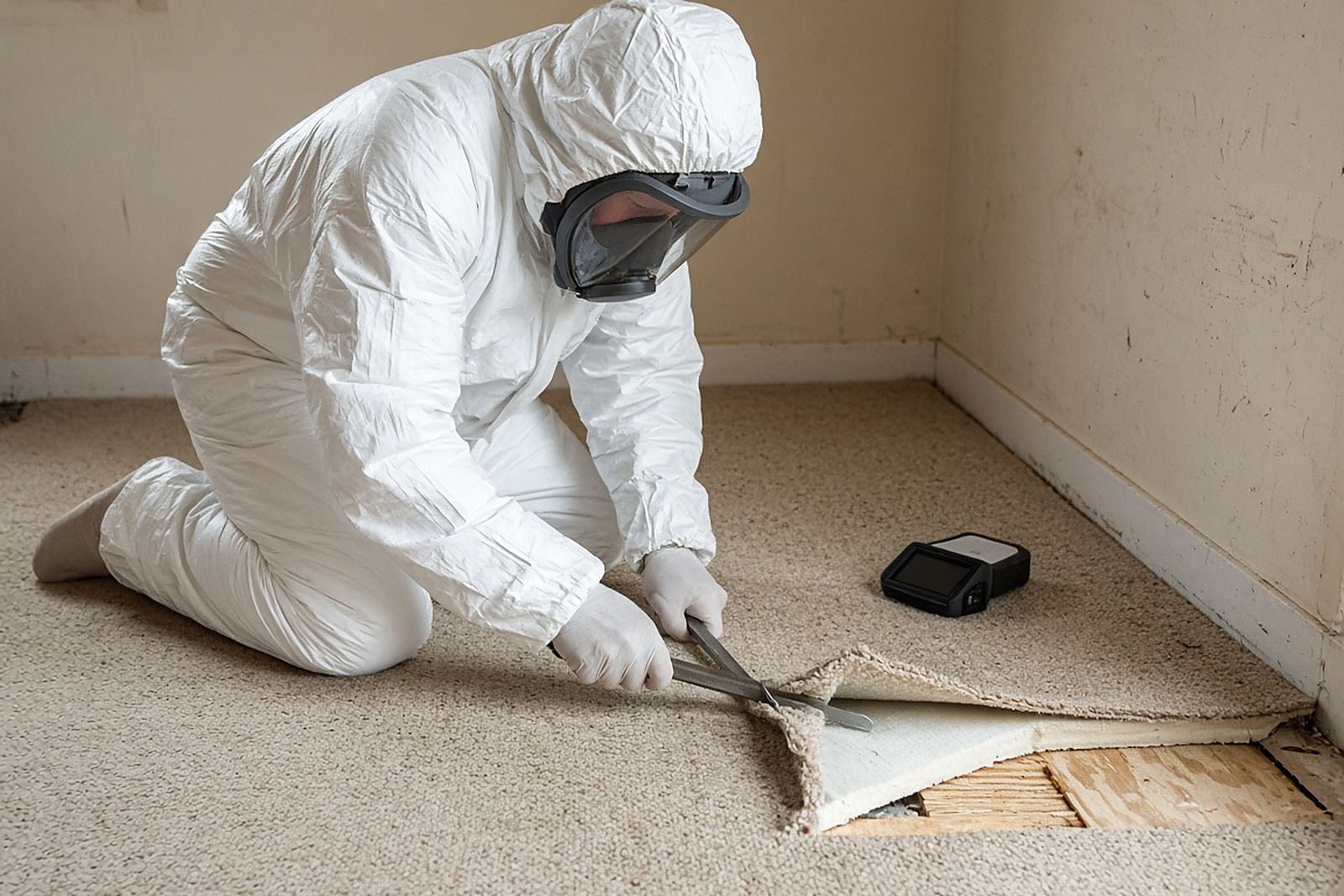
- How deep fluid went into carpet, pad, subfloor, floor beams or the ceiling below
- Removal of soaked furniture, mattresses and appliances
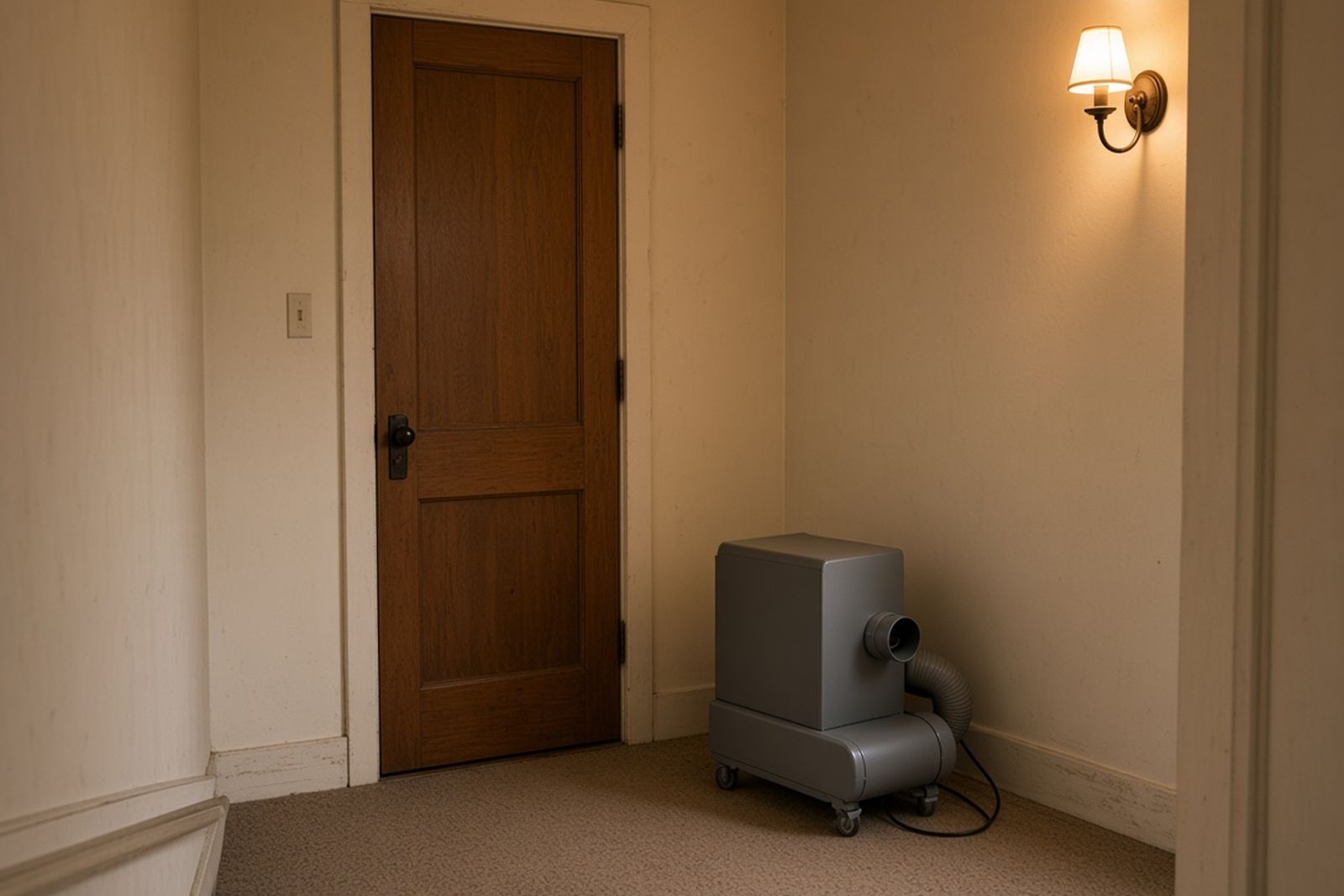
- Odor treatment, which may involve sealing, air filtering and repeat visits
- Insect control and removal of larvae and casings
- The amount of belongings, such as clutter, papers and household goods
- The weight of regulated waste and the disposal fees
- Access problems such as stairs, elevators and shared hallways
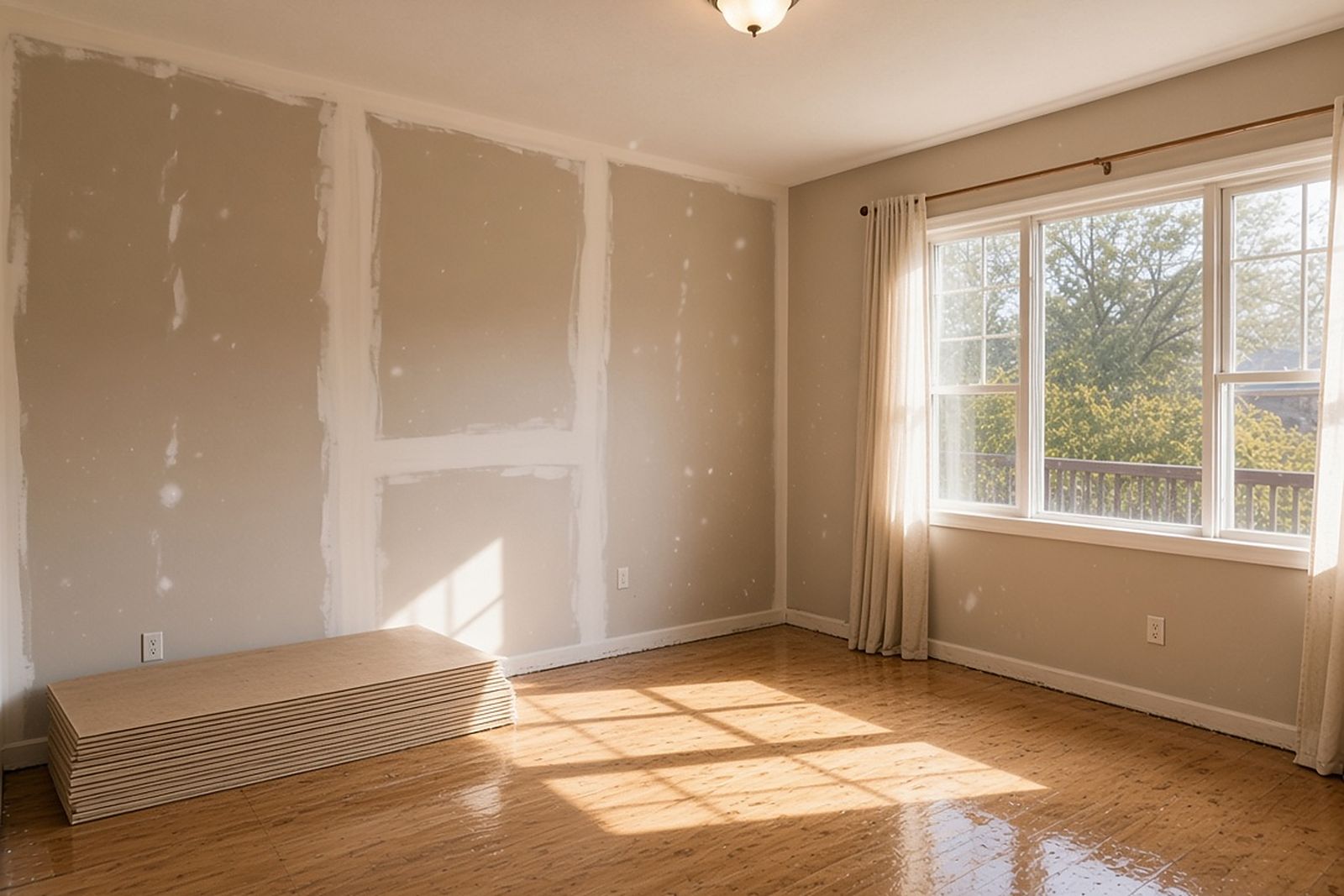
- Whether rebuilding is included or left for another contractor
How much does waste disposal affect the price?
More than you might expect. Soaked mattresses, recliners, carpet, pad and pieces of subfloor are heavy. Where local rules require it, they must be packed and thrown away as regulated waste. In its 2025 cost guide, Fixr reports medical waste disposal at $2 to $20 per pound as part of biohazard cleanup pricing.
Weight adds up fast. So a bid that includes disposal can look far higher than one that leaves it out. Read each quote with care. Is disposal included, estimated on its own line, or not mentioned at all? A missing line does not mean the cost goes away. It may show up later as a surprise bill.
Ask each company roughly how much material it expects to remove and how it will record the disposal. A reliable company can tell you where the waste goes and give you records afterward.
Low bids vs high bids: where each goes wrong
Smell is the most common gap. A low bid may cover surface cleaning and one deodorizing treatment. It may not remove the materials that are making the smell. If fluid stays in the subfloor, the smell can come back, sometimes strongly, once the home warms up or is closed again.
Another gap is the subfloor itself. Some low quotes say nothing about what happens if fluids went below the carpet pad. When the crew pulls up flooring and finds more, the price may rise. Or the stained area may just be covered with a sealer that does not deal with the source.
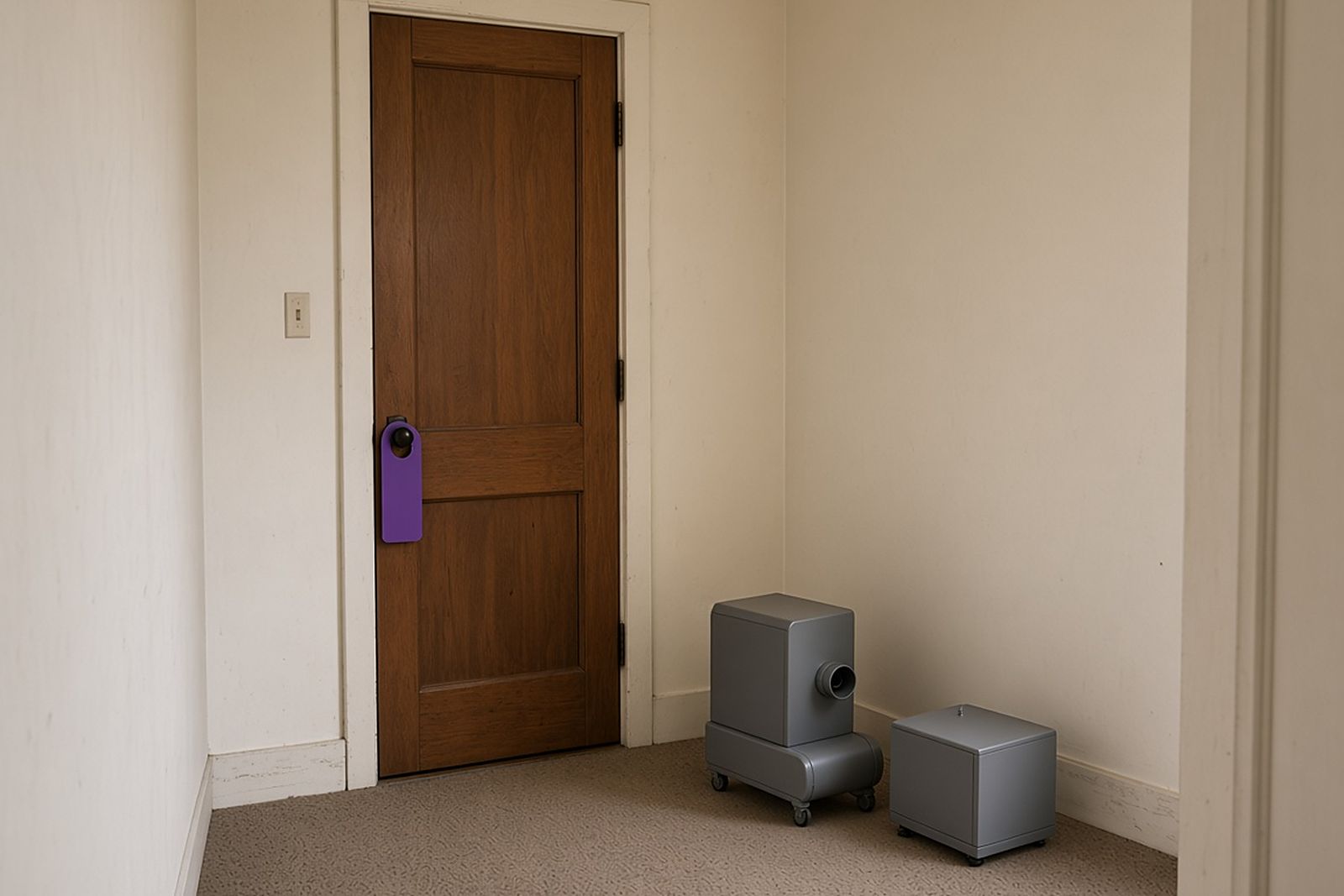
Insect control, sealing off the work area and record keeping are also easy to leave out. Without sealing, smell and germs can spread to other rooms or units. Without photos and a written report, you will find it harder to answer questions from a landlord, buyer or insurer.
Be careful if a low bid leans hard on ozone or fragrance treatments. Odor treatments can help once the source is removed. But they cannot take the place of removing materials that are still soiled.
A high quote can include work you do not need. It might replace flooring in rooms that were not affected, or repeat treatments without a clear reason. It might charge to remove belongings when the family never asked for that.
Ask each company to explain why every line is needed. A company you can trust will tie each charge to something it saw. That might be staining through the subfloor at one spot, or a smell found in one room. If the company cannot explain an item, it is fair to ask for it to be taken off.
Think too about how each company defines success. Does the bid say how the smell will be checked at the end? Does it say what happens if the smell comes back? Clear answers are often worth more to you than a lower or higher number.
Belongings: the line item bids treat differently
Deaths found late often happen in homes filled with a lifetime of belongings. Some items will be soiled and cannot be saved. Others may be untouched but still need to be sorted, packed or cleared before the estate can move forward.
Bids may treat this work very differently. One company may include sorting and setting aside valuables, papers and photos. Another may quote only the biohazard cleanup and expect the family to handle the rest. A third may offer to remove all belongings for an added charge.
Decide what you need before you compare prices. If you want certain items kept, list them for every company. Do you plan to hire an estate sale company, or a separate hauler for the untouched belongings? Say so, and the bids will not include work you will not use.
Ask whether the company photographs or lists the items it throws away. If you are an executor, that record can matter when heirs later ask what happened to certain belongings. It protects everyone from mix-ups.
Two quotes for the same house
Here is a made-up comparison: an executor gets two very different quotes. A woman in her eighties who lived alone in a single-story house is found about ten days after her death. Her son, who lives in another state, is the executor. He asks for two bids after the medical examiner releases the home.
The first bid is the lower of the two. It covers cleaning the bedroom floor, removing the mattress and one deodorizing fog. It does not mention the carpet pad, subfloor, insects or disposal.
The second bid costs more. It describes staining through the carpet pad into the plywood subfloor beside the bed. It covers removing and disposing of the carpet, pad, the affected subfloor section and the mattress. It adds sealing of the exposed floor beam, fly treatment, HEPA air filtering (fine filters that trap tiny particles) for several days, a final odor check and photos. It includes setting aside jewelry, papers and family photos found in the bedroom. It states that if fluid has gone deeper into a floor beam than expected, the crew will call before doing more.
The son picks the second bid. He asks for the records, to share with the home's insurer and a future buyer. None of these people are real. The example only shows how careful comparing can prevent problems later.
Notice that the son did not need to travel to make this choice. Detailed written work plans, photos and clear answers by phone gave him what he needed to compare the two companies from far away.
Seven questions for choosing between bids
Ask every company the same questions and write down the answers. An executor, property manager or family friend can make these calls for you. Disposal rules and business rules for cleanup companies differ from place to place. So ask each company which state agency oversees its waste.
- How far do you believe fluids traveled, and what are you basing that on?
- Is subfloor removal included if it is needed?
- How will you treat the odor, and how will you confirm it is gone?
- Is insect control included?
- Is regulated waste disposal included, and will I get records?
- How will you handle personal belongings and papers?
- How will I approve changes to the work plan?
Weighing cost against long-term results
It is natural to look for savings. An estate may also have to pay for a funeral, legal fees and the running costs of the property. Still, a half-done cleanup can cost you more in the end. The smell may return, a sale may be delayed, or a second company may have to redo the work.
The best bid is usually the one that says exactly what will be done. It is honest about hidden damage, and it includes the records you will need later. Please remember, too, that a late discovery is rarely anyone's fault. Take the time you need, and let the right team handle the rest.