Short answer
The biggest cost factor is how long the person went unfound. Time decides how far fluids went into floors and walls, how strong the smell became and whether insects spread. Room temperature, building materials, clutter, access and the amount of belongings to sort also matter. A visit to the home and a written, itemized work plan will tell you the real cost. A phone quote will not.
Time before discovery: the biggest cost driver
With a death found late, the clock started before anyone knew there was a problem. As days pass, the body breaks down and releases fluids. They move down and outward through the flooring and into the subfloor. They go under baseboards and sometimes into the ceiling of a room or unit below. The smell builds and can work its way into drywall, insulation, fabrics and vents.
Insects are part of the picture too. When discovery takes longer, they may spread beyond the first area and need their own treatment.
Each of these changes adds work. A death found within a day or two may involve a small area. One found after several weeks may mean removing parts of the building, odor control for the whole home and pest treatment. That difference, more than anything else, explains why the prices you hear vary so widely.
What happens beneath the surface that I cannot see?
The stain you can see is rarely the whole story. Fluids follow gravity and wick sideways through absorbent materials. So a mark on the carpet may sit above a much larger area of soaked pad and subfloor. In buildings with more than one story, fluids can reach the floor beams and the ceiling below. Behind baseboards, they can travel into the bottom of the walls.
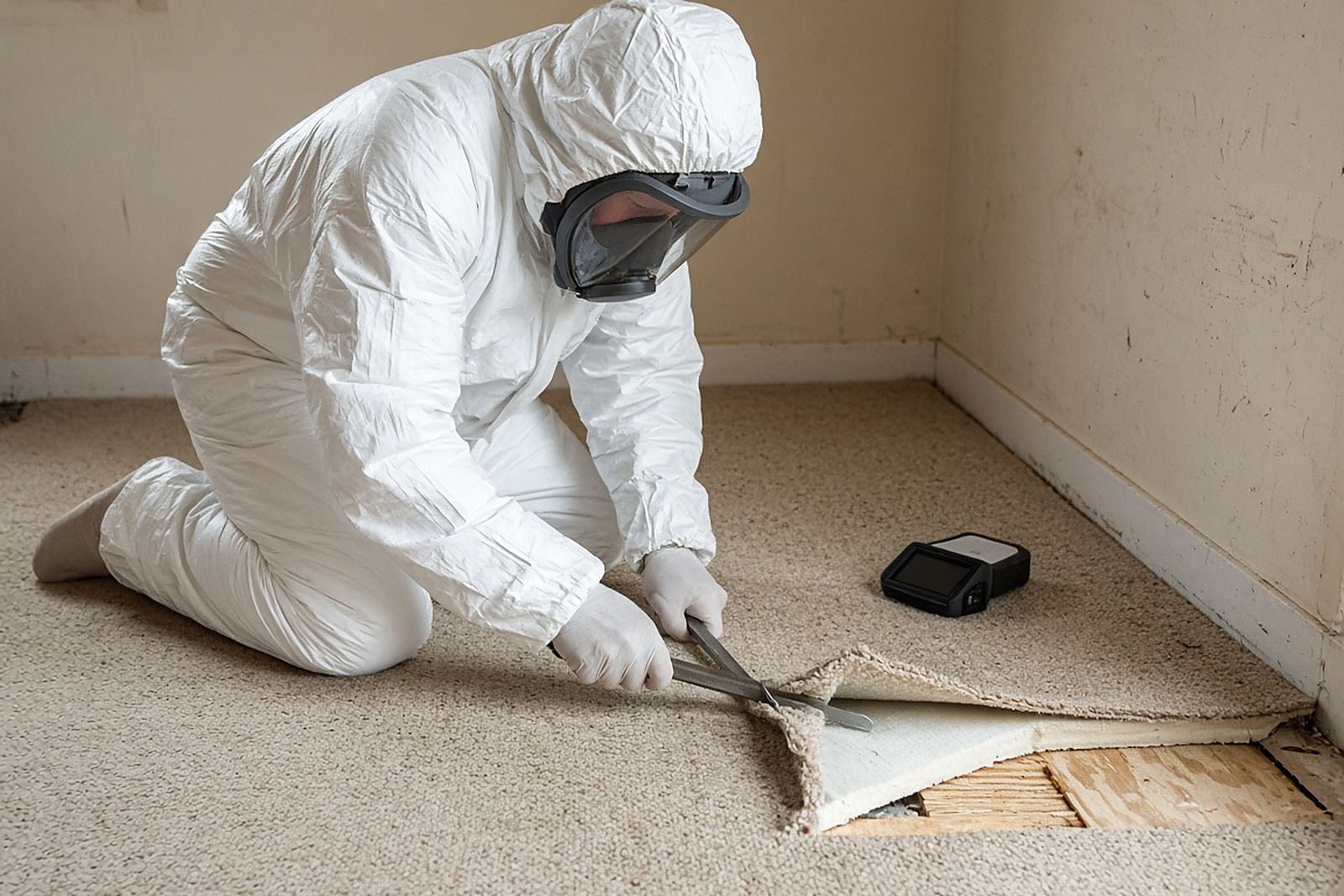
A thorough company will lift the flooring in stages, testing and checking as it goes. It stops removing material only when it reaches clean, dry wood or concrete. That is why estimates for this work often include a range. Or they include a note that final amounts will be confirmed once the flooring is opened. This is a sign of honesty, not a sales trick, as long as the company explains it and keeps you informed.
Ask how they will record what they find. Good records include photos at each stage and notes on how far the damage went.
- Carpet, pad and underlayment
- Plywood or OSB subfloor, and sometimes the floor beams
- Baseboards and the lower part of the drywall
- Ceiling materials in a room or unit below
- Heating and cooling return vents and ducts that pulled the smell through the home
Temperature, season and building type
Heat speeds up the body's breakdown, insects and smell. Maybe the air conditioning failed during summer, or the heat was running high in winter. That home often needs more work than a cooler space over the same number of days. Humidity also affects how materials soak up fluids and how the smell lingers.
In some cases, very dry air leads to a different pattern, with less fluid spread but other challenges. The point is not to predict your own case. It is to understand why a company will ask you about the thermostat, the weather and the airflow. Those details truly shape the job.
The type of building matters as well. Concrete slabs are common in ground-floor units and in many houses in warmer regions. They do not soak up fluids the way wood subfloors do, though they can still hold smell in cracks and seams. Wood-framed floors tend to allow deeper spread, above all older ones with gaps between boards. A company that knows local building styles can expect these differences before it opens your floor.
How pricing is usually structured
Most companies bill for labor, materials, equipment and disposal. Fixr's 2025 guide lists unattended death cleanup at $200 to $300 per hour, and it notes hoarding cleanup separately. Those are national guide figures, not quotes. Each company prices differently based on local costs, crew size and the amount of work in your job.
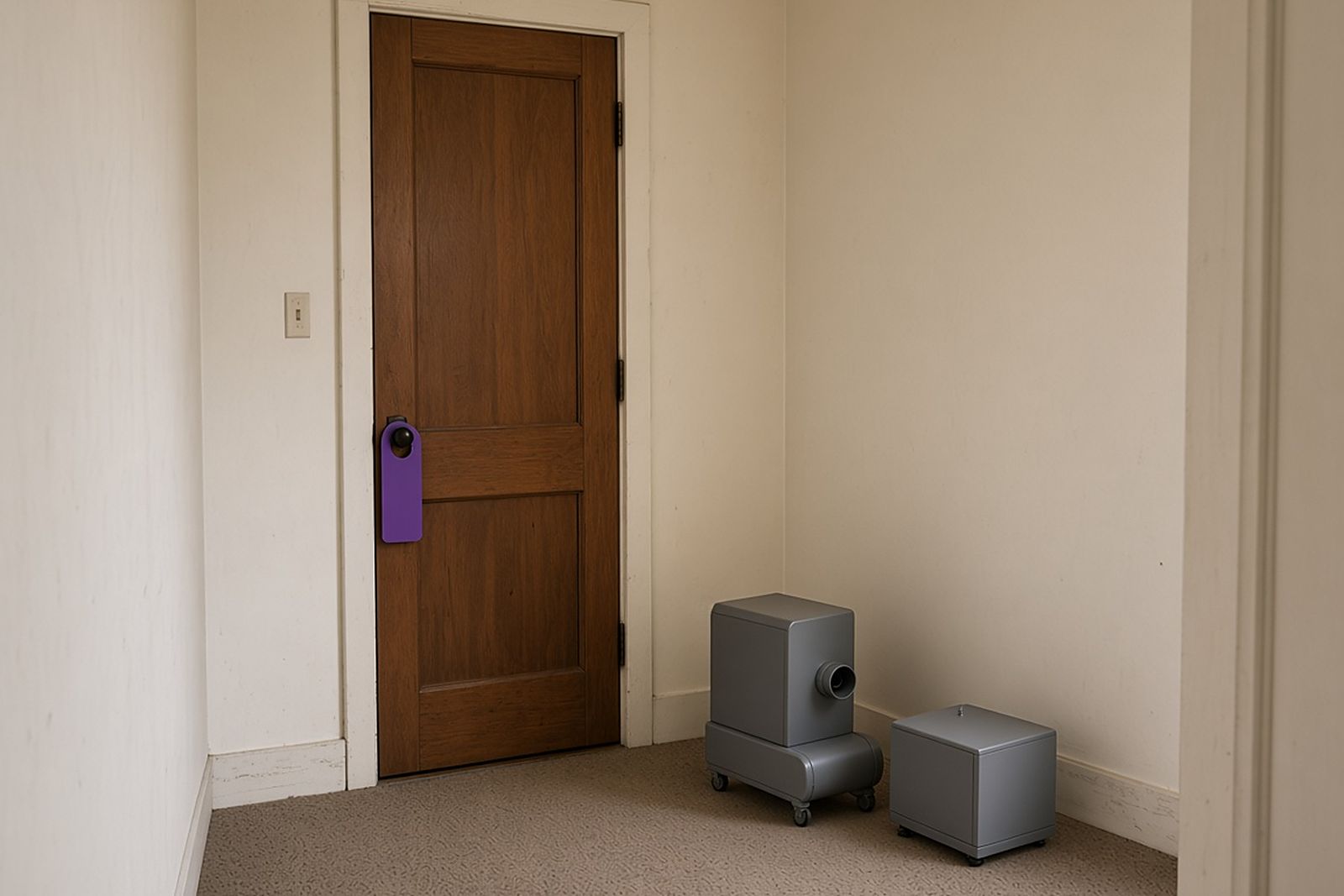
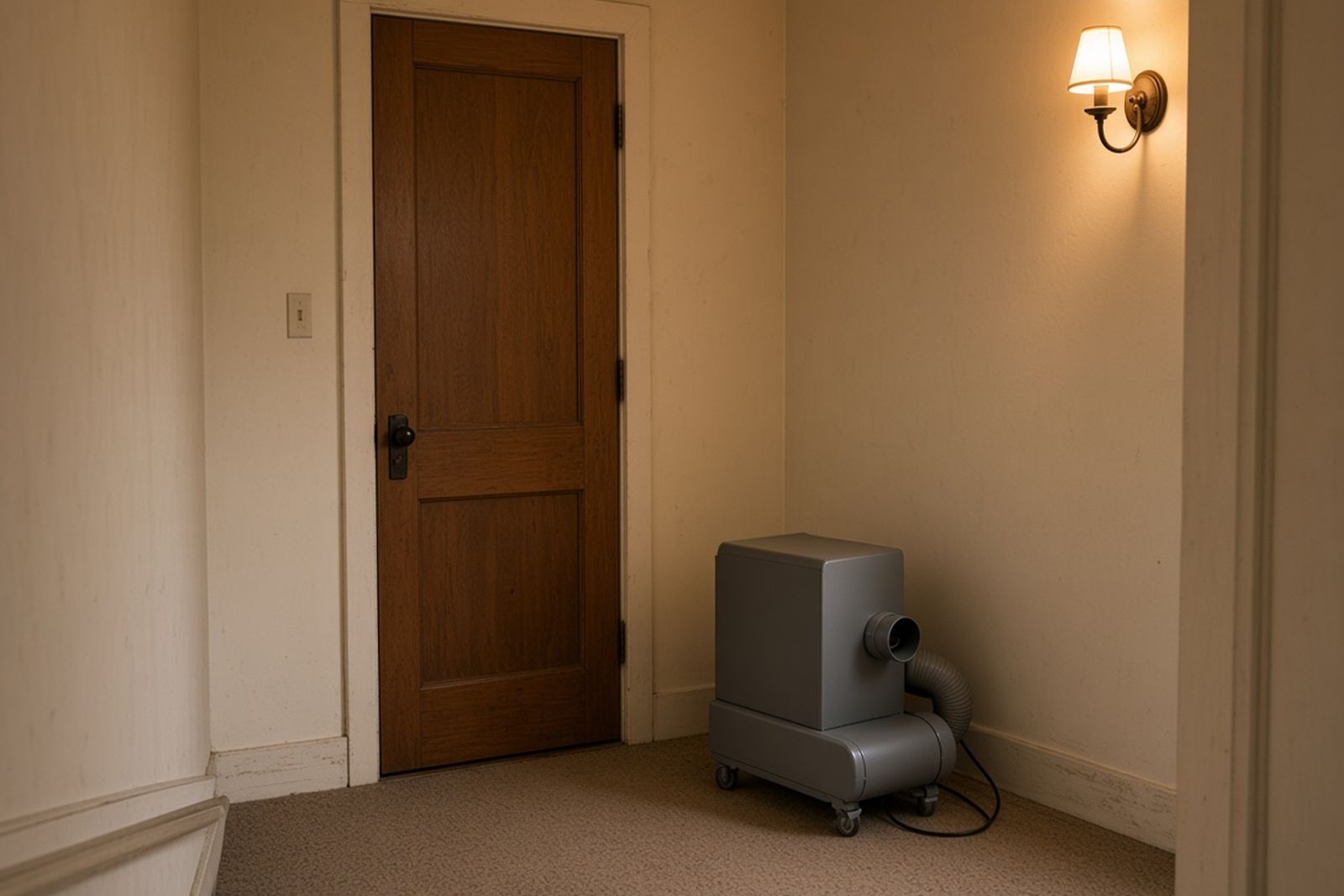
Odor control equipment, such as air scrubbers or hydroxyl generators, may be billed per day. Regulated waste is often billed by the container. Removing parts of the building may show up as its own line. Some companies include a final check, such as a recorded odor check or surface testing, and list it on its own line.
If you receive two very different estimates, compare them line by line, not total against total. A lower bid may leave out subfloor treatment, odor control or pest work that the higher bid includes.
Clutter and belongings
People who die alone sometimes live with a lot of belongings, and some live in homes affected by hoarding. Clutter slows access and hides damage. It adds to the amount of material that must be handled. It can also mean more time spent sorting for important papers, keepsakes and valuables the estate needs.
Before work begins, talk with the executor or your family about what must be found. Wills, deeds, bank statements, insurance papers, keys, jewelry and photos are common requests. A good crew will set these aside, clean what can be cleaned and keep a list. That care takes time, and it is usually worth it to you.
A large part of the home may be free of biohazards. If so, the estate may choose to have family, an estate sale company or a junk removal service handle those rooms on their own. That can cut the specialized part of your bill.
What a written scope often lists
A written work plan, also called a work plan, for a death found late usually reads as a list of separate tasks, not one figure. Say fluids have reached the flooring, underlayment and subfloor. The smell has spread into the return vent of the heating and cooling system. Insects are active in more than one room. Each of those findings becomes its own line.
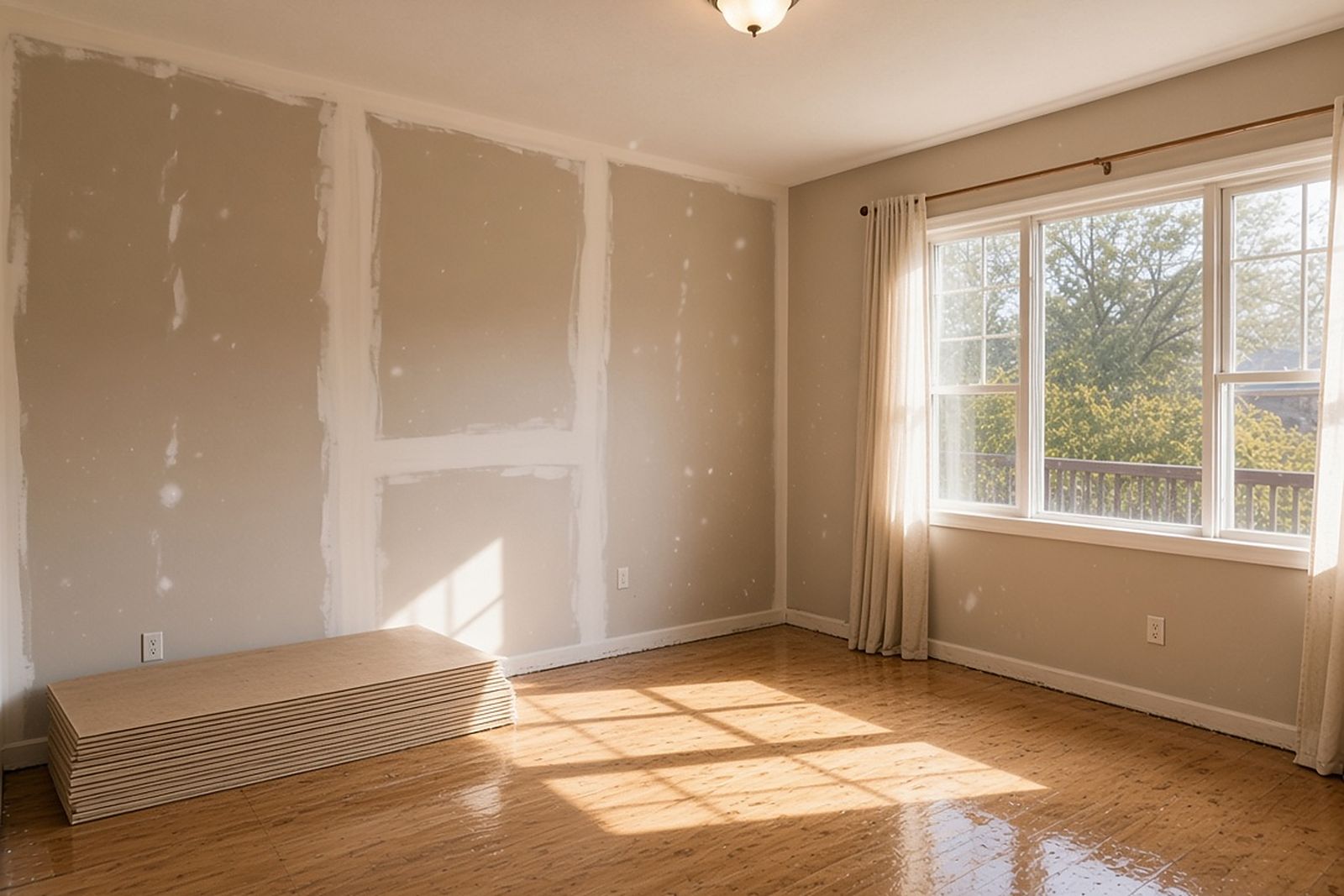
Typical lines include removal of building materials in the affected room and sealing of the subfloor that stays. They include pest treatment, several days of air filtering, cleaning of the heating and cooling system, and regulated waste disposal. When the home is crowded with books, boxes or other belongings, you may also see a set number of crew hours. Those hours cover sorting and setting aside papers and valuables.
Share the work plan with the landlord and the estate's lawyer where they are involved. Ask the company to confirm the amounts once the subfloor is opened. What you pay depends fully on the home and the company.
Who usually pays for cleanup after an unattended death?
It depends on who owns the home and what insurance exists. If the person owned the home, the estate often pays. The homeowners policy may cover part of the damage, depending on its terms. If the person rented, the landlord's insurance may respond to the building. The tenant's renters policy, if there was one, may respond to belongings.
As next of kin, you are not automatically responsible for a relative's debts out of your own pocket. Estate rules decide how bills are paid. That is a legal question for an estate lawyer or the probate court handling the estate. Before you sign a contract in your own name, ask whether you are agreeing to pay out of your own pocket or on behalf of the estate.
Timing affects cost here too. An estate can take weeks to open. A landlord may need cleanup to start before an executor is appointed, simply to stop the smell from reaching other tenants. In that case, the landlord often arranges and pays for the work first. The landlord then seeks to be repaid through insurance or a claim against the estate. Clear written records from the start make that later talk much easier.
Six questions before approving an estimate
When you are handling things from far away or while grieving, a short list of questions can keep you on track. You can send these to the company in writing and ask for written answers.
- Is this estimate based on a visit to the home?
- Does it include subfloor treatment, odor control, pest treatment and work on the heating and cooling system?
- How will you tell me if the damage goes further than expected?
- Which papers and valuables will you look for and set aside?
- Will you give me photos, disposal records and a report on the final checks?
- Am I signing in my own name or on behalf of the estate?
Is it all right to feel overwhelmed by these decisions?
Yes. Learning that someone died alone and was not found right away can bring shock, sorrow and guilt all at once, even in families who stayed in close touch. Many people say they feel they should have known sooner. Late discovery is common and does not mean a lack of love.
Take practical decisions one at a time, and let others help where they can. A trusted friend, a lawyer or a company that explains things clearly can carry much of the load. That leaves you free to grieve and honor the person you lost.