Direct answer
What should a property decision-maker know in Austin, TX?
Austin has about 980,000 residents and a median household income near $82,000. The mix of east-side bungalows, Hill Country–edge limestone homes, downtown vertical rentals, and suburban HOA tracts creates different access and migration problems after an unattended death. Humid subtropical stretches and sealed, air-conditioned interiors can intensify odor load when discovery is delayed. This page focuses on porous-material decisions, HVAC spread, estate coordination, privacy, and documentation for educational planning—not on invented local permits or promised response times.
This Austin, TX page is an educational unattended death cleanup planning guide. It does not claim a brick-and-mortar office, local crew roster, or promised response time in Austin.
Editorial guide · Biohazard Remediation NetworkUpdated 2026-07-22Location focus: Austin, TX
Local planning context
Older east and central neighborhoods often feature wood floors over pier-and-beam framing, while many suburban tracts use slab construction with carpet or floating vinyl. Delayed discovery in a pier-and-beam bungalow can send fluids into crawl spaces that also host seasonal moisture—raising secondary mold risk on already damp organic materials. Downtown and near-campus rentals add elevator logistics, tight stairwells, and neighbors who immediately notice strong odor in corridors. Planning should identify construction type early because crawl-space drip-through and slab underlayment soak demand different demolition paths.
Hill Country edge properties and limestone-heavy builds can include tile over concrete and extensive built-ins. Tile grout lines may look clean while underlayment or foam underlayment layers remain saturated at the discovery site. Continuous HVAC during hot months recirculates VOCs through long duct runs if returns stay open. Families sometimes open every window during temperate evenings; without source removal, outdoor air exchange only temporarily dilutes smell and can pull hallway air into other units in multifamily buildings. Insect activity around windows is a common delayed-discovery marker in unoccupied rentals.
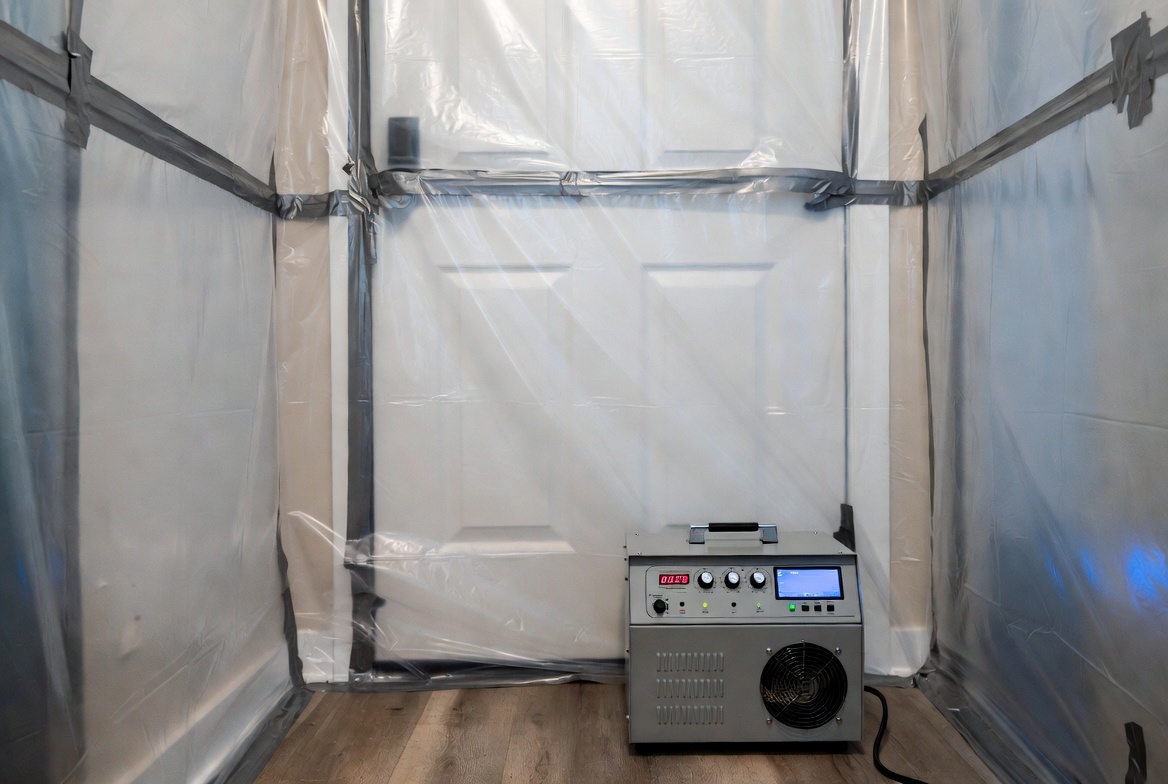
Travis County medical-examiner involvement and any police hold determine when property work may start. After release, landlords managing short-term or tech-workforce rentals should coordinate carefully with estates about electronics, documents, and contaminated soft goods. Privacy expectations are high in dense mixed-use blocks; covered waste handling and discreet staging matter as much as dwell times on disinfectants. Keep documentation suitable for insurance and probate, and avoid conflating odor equipment rental with completed biohazard remediation when reporting status to stakeholders.